Subscribe now

Environment

A giant iceberg is headed for the island of South Georgia

The world's largest iceberg, A23a, is drifting towards the wildlife haven of South Georgia, where it may cause problems for the resident penguins

By New Scientist

29 January 2025

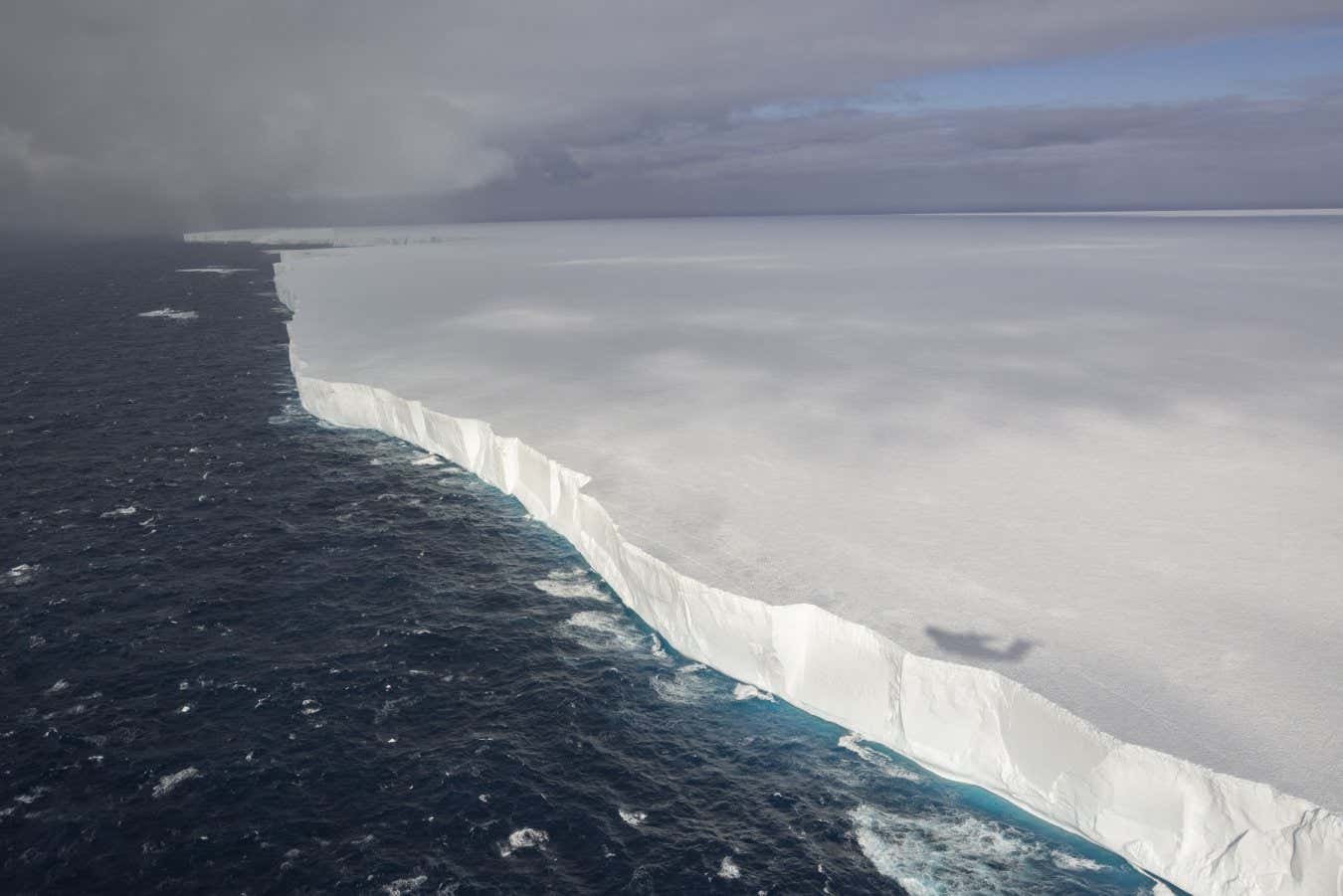
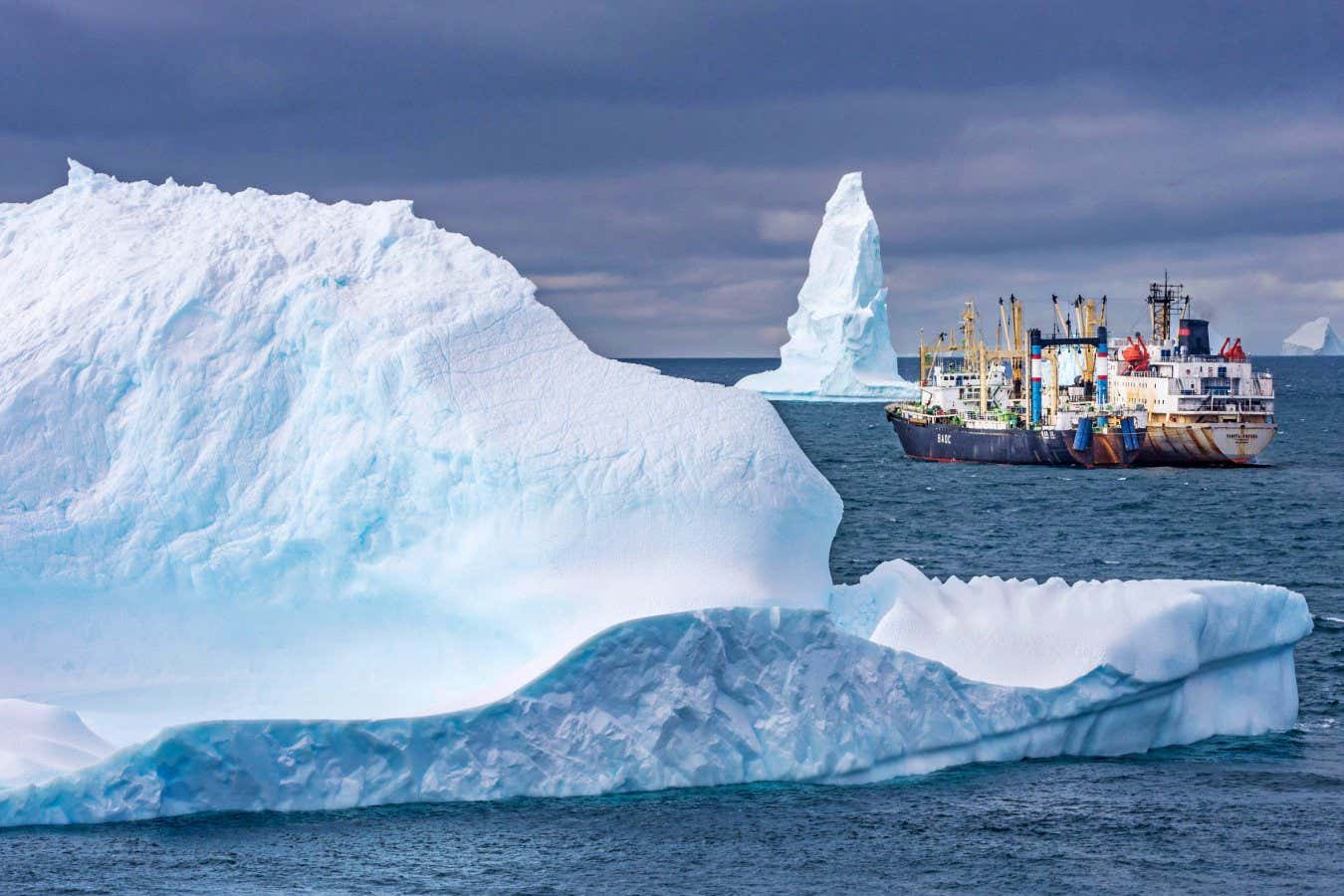
The world???s largest iceberg is on a collision course with the British Overseas Territory of South Georgia. These images of the A23a iceberg are taken from an RAF Atlas A400M aircraft as it flew a routine Operation COLDSTARE mission over the South Atlantic. The flight, conducted by 1312 Flight from Mount Pleasant in the Falklands, captured striking aerial images of the iceberg, which has been drifting north from Antarctica and is now approximately 173 miles (280km) from South Georgia. Experts fear it could ground and shatter upon impact, endangering the island's unique wildlife, including colonies of king penguins and millions of elephant and fur seals. South Georgia???s icy shores have faced such threats before. In 2004, the massive iceberg A38 grounded on the island???s continental shelf, blocking access to feeding grounds and leaving countless penguin chicks and seal pups to perish. The iceberg A23a, which originally calved from Antarctica???s Filchner Ice Shelf in 1986, became trapped on the seafloor and ensnared in an ocean vortex for decades. It finally broke free in December 2024, embarking on what experts describe as its ???final journey??? into warmer waters north of Antarctica. Satellite imagery reveals the iceberg is steadily shrinking, its towering cliffs???once rising 1,312ft (400m), taller than London???s Shard???are melting and disintegrating. Once covering an area of 3,900 sq km, it has reduced to 3,500 sq km, roughly the size of Cornwall. Large slabs of ice are constantly breaking away, tumbling into the surrounding ocean. A23a could splinter into massive fragments at any moment. These floating cities of ice could linger for years, unpredictably drifting around South Georgia and posing ongoing risks to the island's wildlife. The potential ecological impact is significant, as South Georgia is a haven for wildlife. The island supports some of the world???s most valuable king penguin colonies and is home to millions of fur and elephant seals. By capturing images of A23a, the RAF provides critical data to scientists, sailors, and conservationists worldwide, who are closely monitoring the iceberg's movements. As the iceberg looms closer, experts remain hopeful it may bypass the island. However, preparations are underway to mitigate potential damage to this fragile ecosystem. Where: South Georgia, SEA, United Kingdom When: 22 Jan 2025 Credit: UK MOD Crown copyright/Cover Images **EDITORIAL USE ONLY. MATERIALS ONLY TO BE USED IN CONJUNCTION WITH EDITORIAL STORY. THE USE OF THESE MATERIALS FOR ADVERTISING, MARKETING OR ANY OTHER COMMERCIAL PURPOSE IS STRICTLY PROHIBITED. MATERIAL COPYRIGHT REMAINS WITH STATED SUPPLIER.**
UK MOD Crown copyright/Cover Images

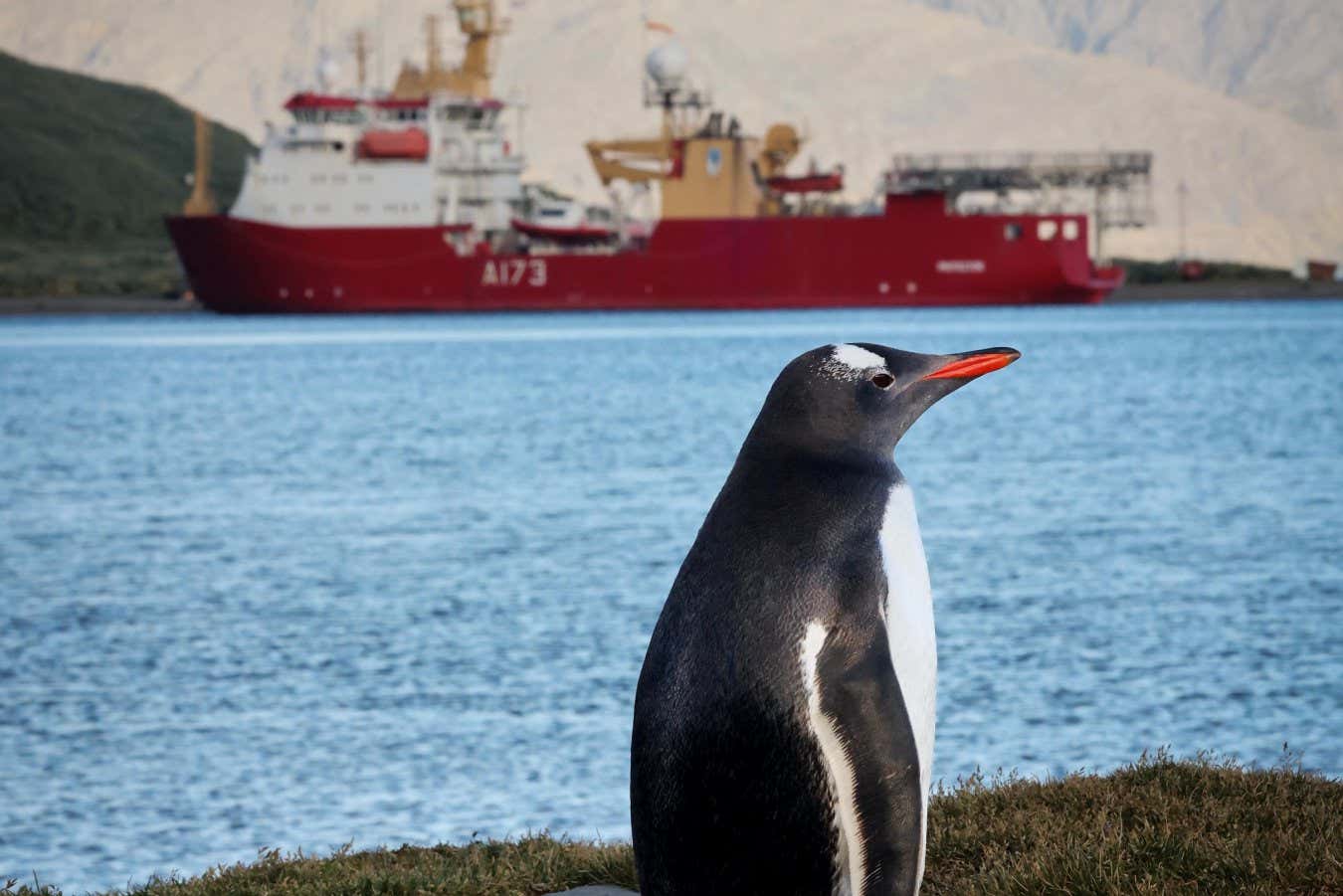
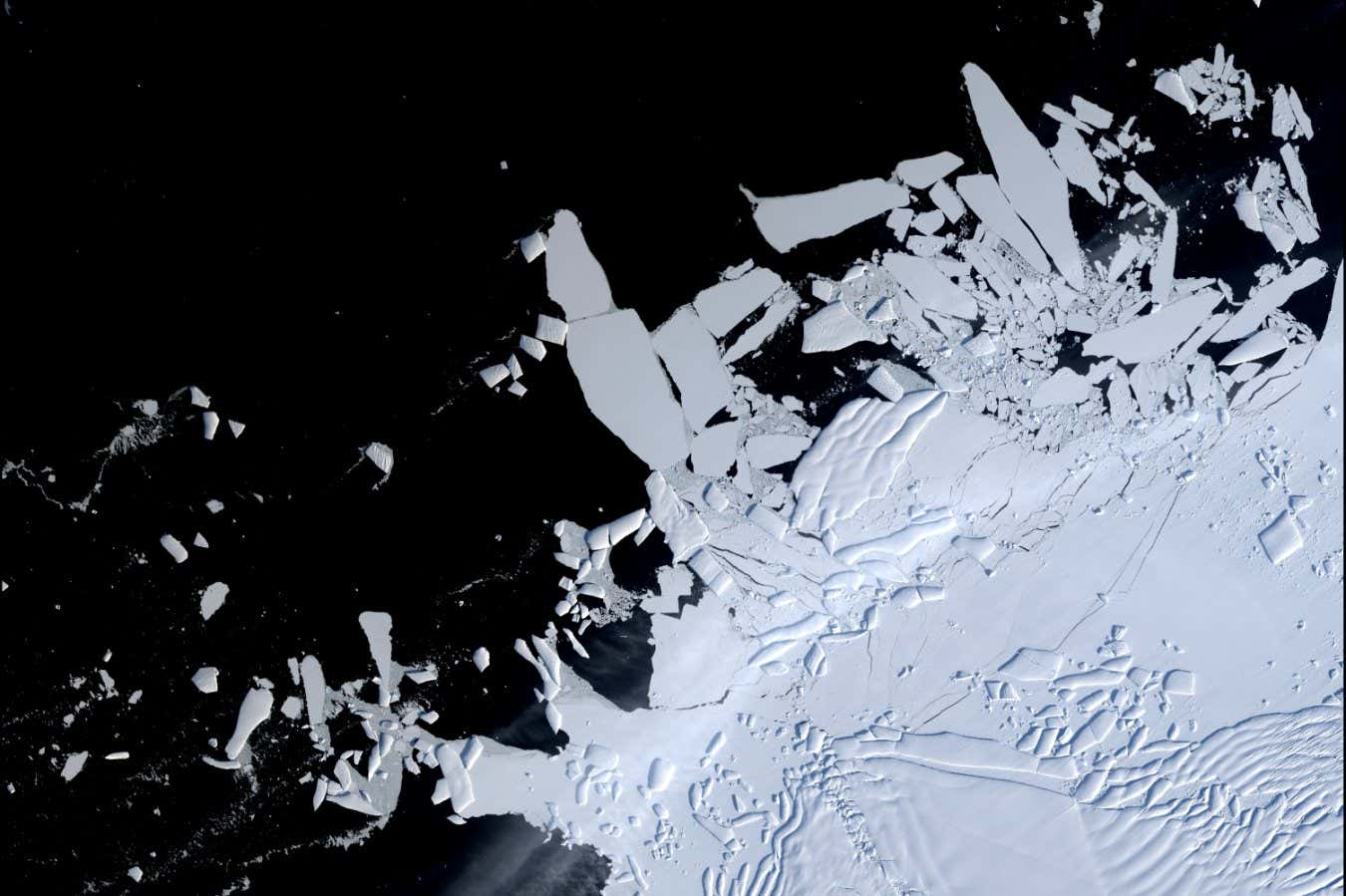
The world’s largest iceberg, pictured below, is heading towards the wildlife haven of South Georgia. If it runs aground here, it could make feeding hard for the penguins living on the island, including gentoos (above).


Known as A23a, the iceberg is around 3500 square kilometres in size. It calved from Antarctica’s Filchner-Ronne ice shelf in 1986 before lodging on the seafloor, breaking free again in 2020.

The world???s largest iceberg is on a collision course with the British Overseas Territory of South Georgia. These images of the A23a iceberg are taken from an RAF Atlas A400M aircraft as it flew a routine Operation COLDSTARE mission over the South Atlantic. The flight, conducted by 1312 Flight from Mount Pleasant in the Falklands, captured striking aerial images of the iceberg, which has been drifting north from Antarctica and is now approximately 173 miles (280km) from South Georgia. Experts fear it could ground and shatter upon impact, endangering the island's unique wildlife, including colonies of king penguins and millions of elephant and fur seals. South Georgia???s icy shores have faced such threats before. In 2004, the massive iceberg A38 grounded on the island???s continental shelf, blocking access to feeding grounds and leaving countless penguin chicks and seal pups to perish. The iceberg A23a, which originally calved from Antarctica???s Filchner Ice Shelf in 1986, became trapped on the seafloor and ensnared in an ocean vortex for decades. It finally broke free in December 2024, embarking on what experts describe as its ???final journey??? into warmer waters north of Antarctica. Satellite imagery reveals the iceberg is steadily shrinking, its towering cliffs???once rising 1,312ft (400m), taller than London???s Shard???are melting and disintegrating. Once covering an area of 3,900 sq km, it has reduced to 3,500 sq km, roughly the size of Cornwall. Large slabs of ice are constantly breaking away, tumbling into the surrounding ocean. A23a could splinter into massive fragments at any moment. These floating cities of ice could linger for years, unpredictably drifting around South Georgia and posing ongoing risks to the island's wildlife. The potential ecological impact is significant, as South Georgia is a haven for wildlife. The island supports some of the world???s most valuable king penguin colonies and is home to millions of fur and elephant seals. By capturing images of A23a, the RAF provides critical data to scientists, sailors, and conservationists worldwide, who are closely monitoring the iceberg's movements. As the iceberg looms closer, experts remain hopeful it may bypass the island. However, preparations are underway to mitigate potential damage to this fragile ecosystem. Where: South Georgia, United Kingdom When: 22 Jan 2025 Credit: UK MOD Crown copyright/Cover Images **EDITORIAL USE ONLY. MATERIALS ONLY TO BE USED IN CONJUNCTION WITH EDITORIAL STORY. THE USE OF THESE MATERIALS FOR ADVERTISING, MARKETING OR ANY OTHER COMMERCIAL PURPOSE IS STRICTLY PROHIBITED. MATERIAL COPYRIGHT REMAINS WITH STATED SUPPLIER.**

UK MOD Crown copyright/Cover Images

Sign up to our weekly newsletter

Receive a weekly dose of discovery in your inbox. We'll also keep you up to date with New Scientist events and special offers.

Sign up

To continue reading, subscribe today with our introductory offers

Popular articles

Trending New Scientist articles

Piano Exit Overlay Banner Mobile Piano Exit Overlay Banner Desktop