The most popular space stories of the year include a gallery of spooky cosmic images and an exploration of whether the universe existed before the big bang.
Ghostly gallery: Spooky images from space
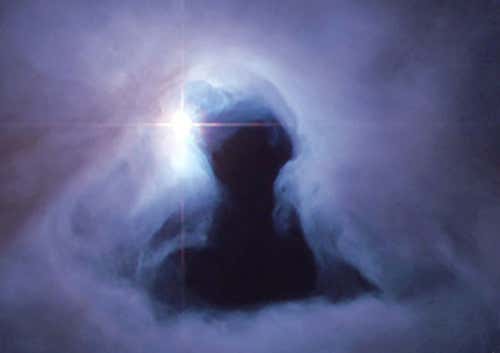
Our ghoulish Halloween gallery included a stellar Lord of the Rings, a spectral eel and a death mask on Mars, as well as this dark figure – a cold cloud of gas and dust called a Bok globule – that seems to be emerging from the fog.
(Image: NASA/Hubble Heritage Team/STScI)
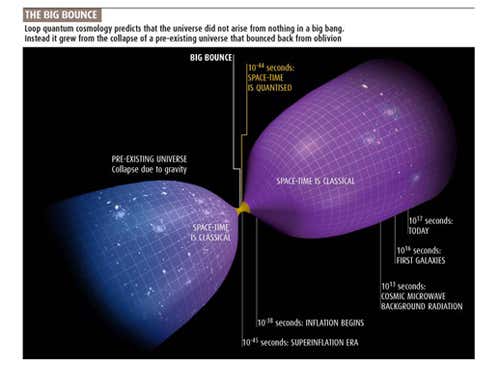
Did our cosmos exist before the big bang?
What if our universe didn’t emerge from nothing, but is a recycled version of one that went before?
(Illustration: New Scientist)
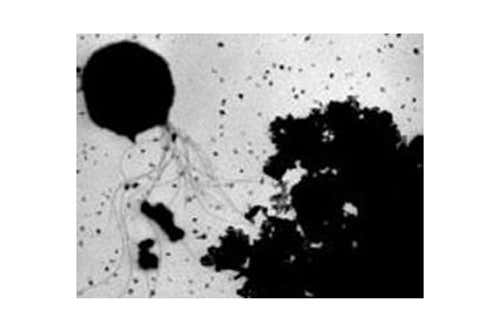
The most extreme life-forms in the universe
These creatures set records for surviving in the most inhospitable places on Earth – their existence bodes well for finding alien life.
(Image: Derek Lovley/UMass Amherst)
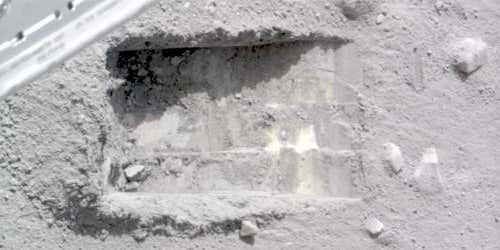
Phoenix lander uncovers ice on Mars
In June, Phoenix became the first spacecraft to reach out and touch water ice on Mars.
(Image: NASA/JPL-Caltech/University of Arizona/Texas A and M University)
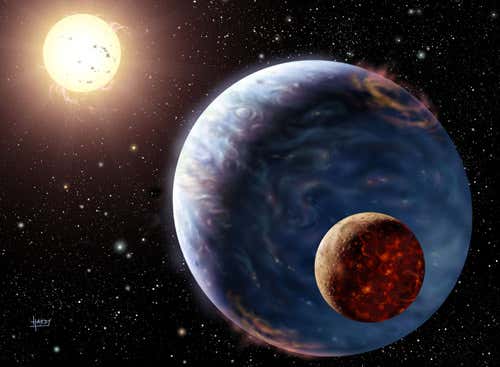
Why the universe may be teeming with aliens
Hunting for a planet that can support life? There’s more to it than looking for Earth’s distant twin.
(Illustration: David A Hardy/astroart.org/Copyright STFC)
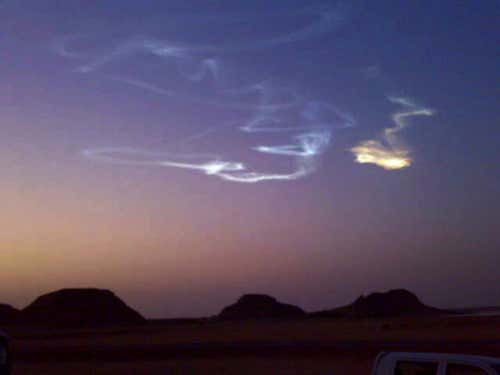
Space rock found on collision course with Earth
For the first time, astronomers found an object on a certain collision course with Earth. They spotted the small rock – called 2008 TC3 – a day before it hit the atmosphere above Sudan on 7 October. Fortunately, it was too small – measuring a couple of metres across – to cause any damage, burning up in the atmosphere and leaving behind this wind-blown trail high in the sky.
(Image: Mohamed Elhassan Abdelatif Mahir/Noub NGO/Muawia H Shaddad/Univ. Khartoum/Peter Jenniskens/SETI Institute/NASA Ames)
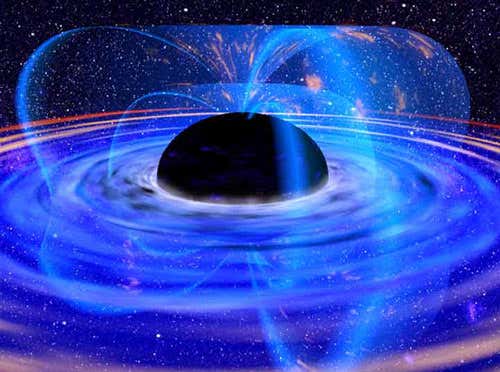
Biggest black hole in the cosmos discovered
The behemoth weighs 18 billion Suns – as much as a small galaxy – and provides a new testing ground for general relativity.
(Illustration: XMM-Newton/ESA/NASA)
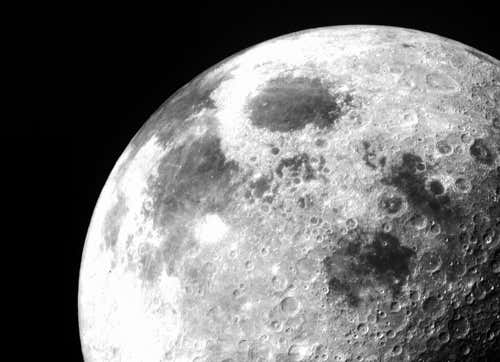
Did Earth once have multiple moons?
The collision that gave birth to the Moon may have produced other satellites that lingered in Earth’s skies for millions of years.
(Image: NASA)
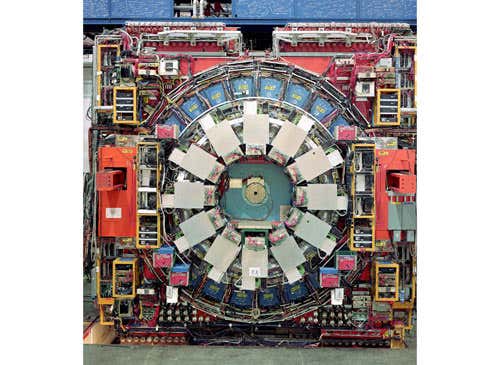
Has new physics been found at the ageing Tevatron?
An unexplained event at the Tevatron particle accelerator at Fermilab just might be the signature of a new type of long-lived particle – possibly even the mysterious source of dark matter.
(Image: Fermilab)
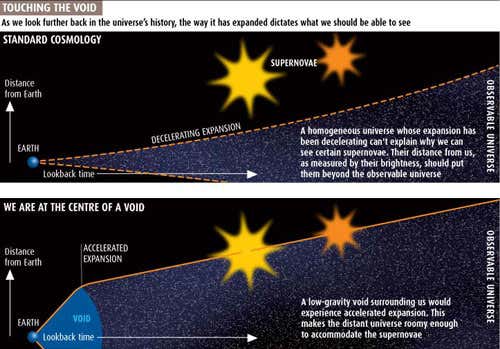
Is Earth at the heart of a giant cosmic void?
We assume that there is nothing particularly special about our cosmic neighbourhood, but abandoning that assumption might solve one of cosmology’s most pressing problems.
(Illustration: New Scientist)


