Christian Ziegler is a biologist-turned-photographer, whose book Deceptive Beauties: The world of wild orchids takes a closer look at the seductive orchid
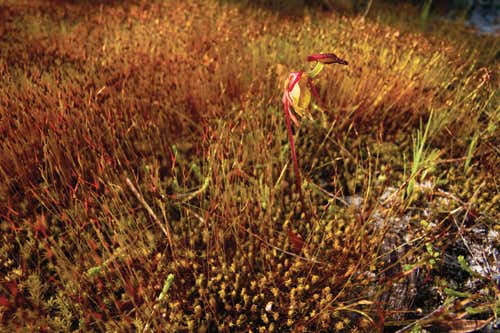
The flying duck orchid pictured above, Paracaleana nigrita, from Denmark in Western Australia, uses sexual deception to attract male wasps. The insects attempt to mate with a part of the flower that is shaped like a female wasp.
Once the wasp is inside, a sophisticated mechanism catapults it onto the reproductive parts of the orchid. In doing so, the wasp brushes past sticky bundles of pollen, called pollinia, which become attached so that it can fertilise the next orchid it visits.
(Image: Christian Ziegler)
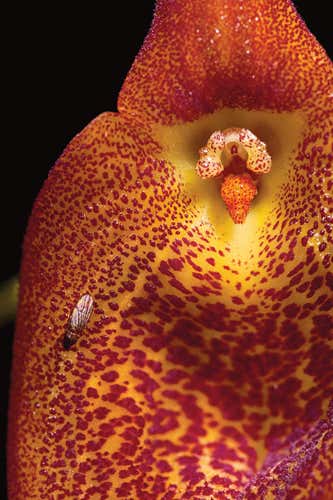
A carrion fly homes in on the rotting-meat aroma of Masdevaliia regina.
(Image: Christian Ziegler)
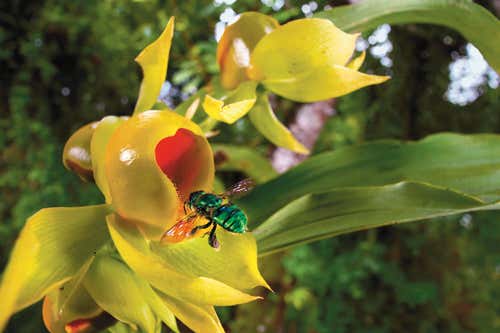
A male orchid bee approaches sweet-scented Catasetum viridiflavum in Panama.
(Image: Christian Ziegler)
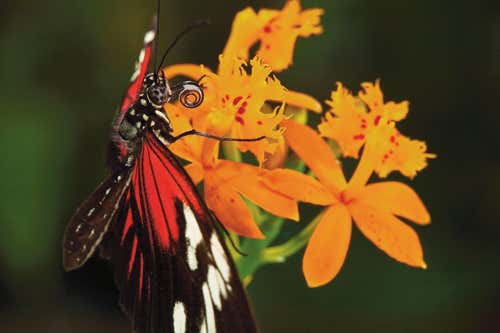
00509ebf740
Epidendrum radicans mimics milkweed to attract a butterfly pollinator in Gamboa, Panama.
(Image: Christian Ziegler)
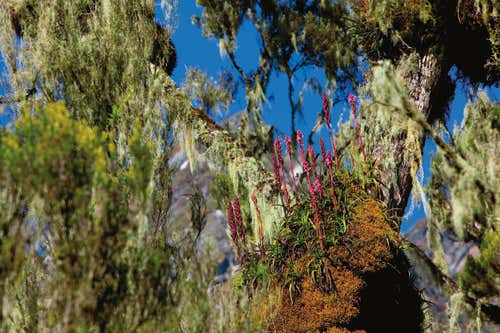
Disa crassicornis in the heather forests of the Rwenzori mountains, Uganda.
(Image: Christian Ziegler)
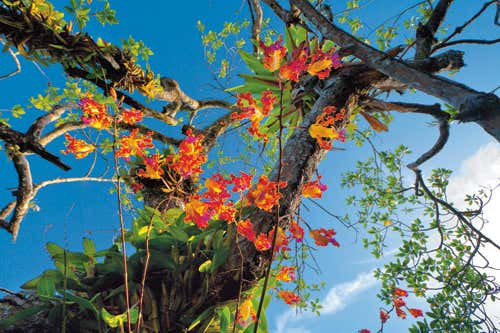
Myrmecophilia brysiana blooming in a mangrove stand in Rio Platano, Honduras.
(Image: Christian Ziegler)
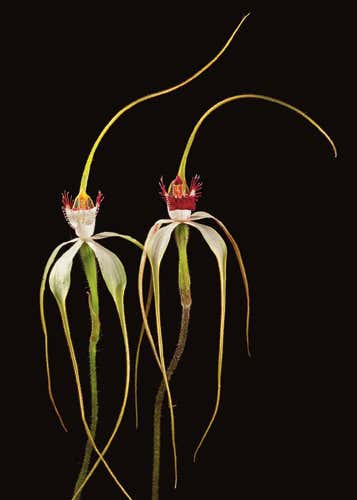
Caladenia spendens hybrids.
(Image: Christian Ziegler)