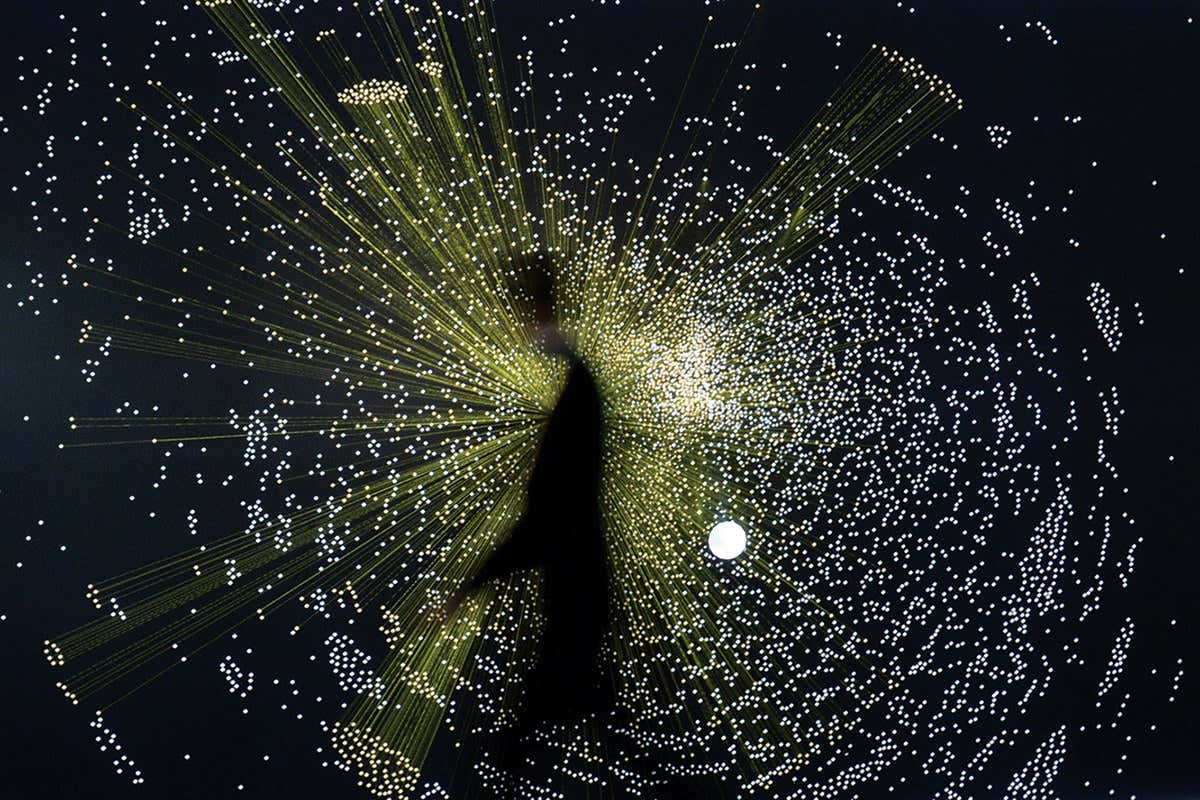
Technology If Google has nothing to hide about NHS data, why so secretive? Google's subsidiary DeepMind could use our health data to diagnose disease sooner. If it was more open, we might be happier to let it go ahead News
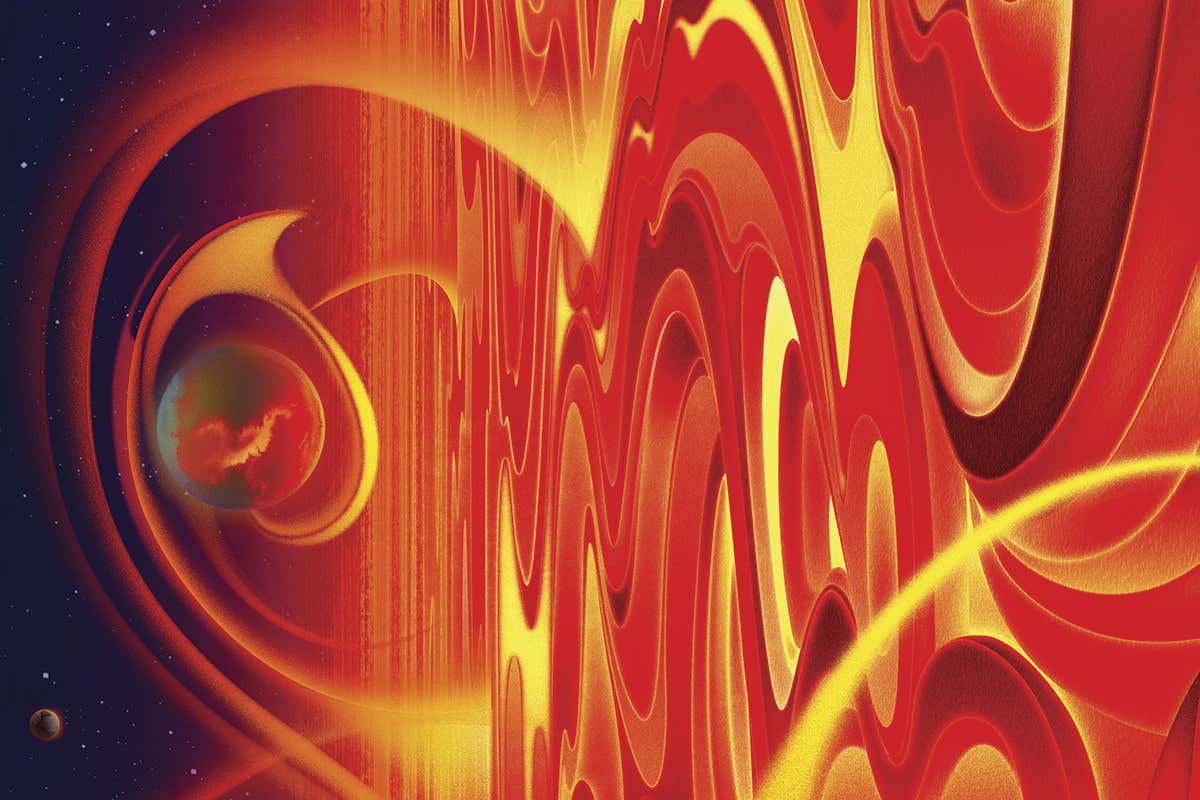
Space Never-before-seen moon spotted around dwarf planet Makemake Makemake's newly found moon There's another moon in the Kuiper belt . Observations with the Hubble Space Telescope have revealed a never-before-seen satellite around the distant dwarf planet Makemake - despite the fact that we've looked before. "It's been 11 years since Makemake was discovered, almost to the day," says Alex Parker of the … News
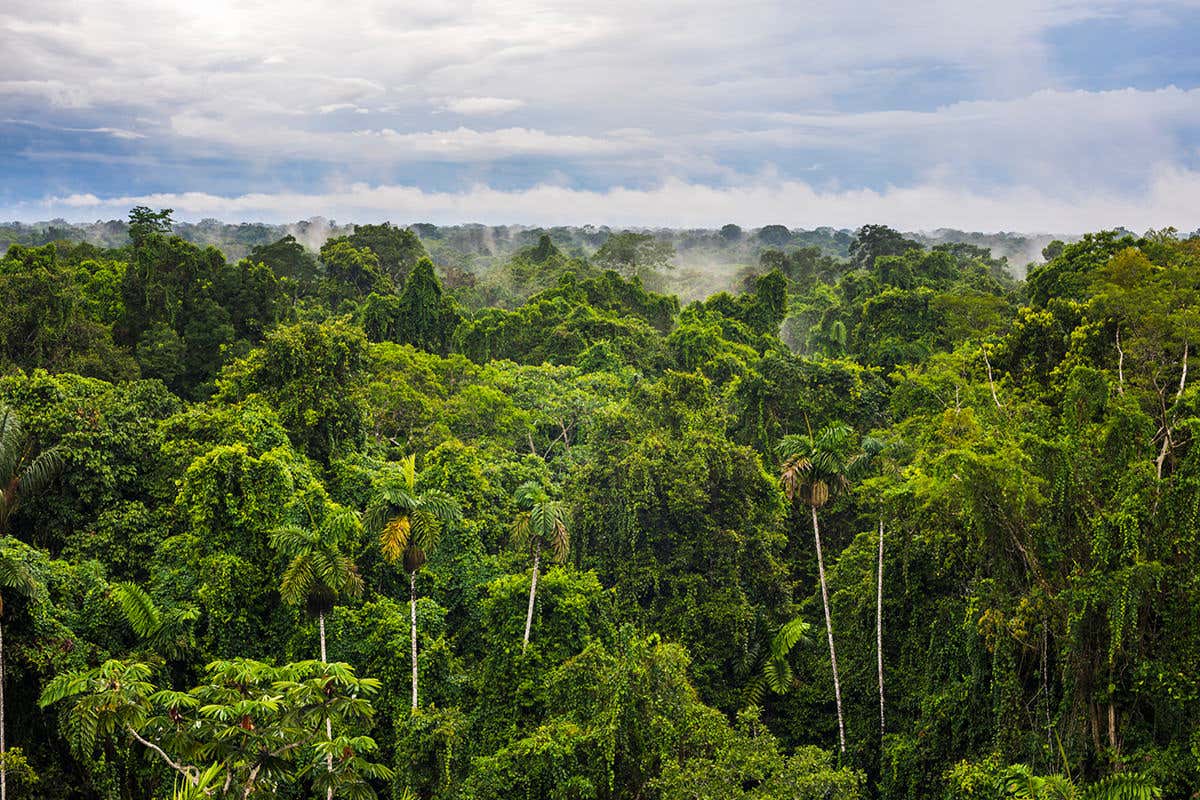
Life An Earth made verdant by greenhouse gases brings its own dangers The great greening may not be so great Half our planet's vegetated surface has become significantly greener in the past three decades. Plants in many regions – from stocky shrubs of the Arctic to towering trees of the rainforest canopy – are growing more and bigger leaves, according to the latest evidence. Leaf for leaf, it's … News
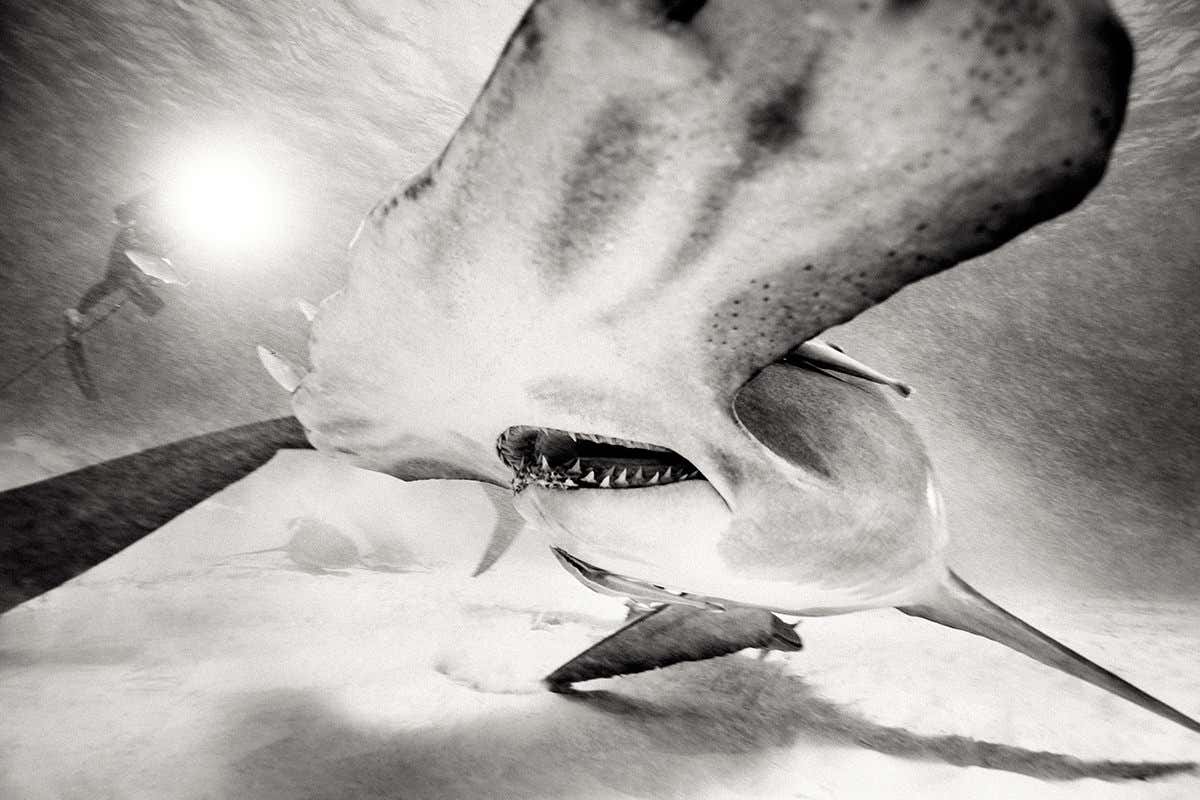
Life Great hammerhead shark caught in nature's superstar photoshoot Best known for his shots of film stars, photographer Michael Muller has turned his lens on the A-listers of the sea: great white and hammerhead sharks Regulars
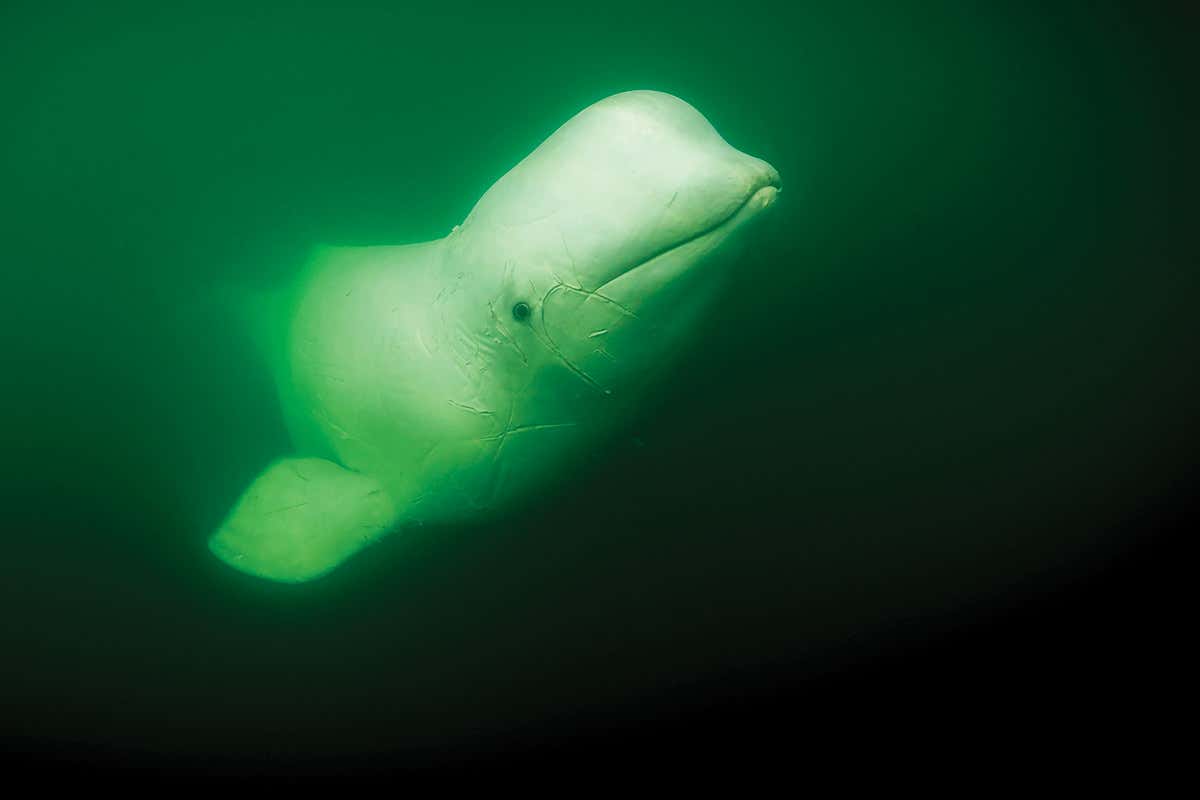
Life Drowning in sound? The sad case of the baby beluga whales The white whales of the Arctic are among the most vocal of all marine mammals – newborns even babble like human babies. Could this be their undoing? Features
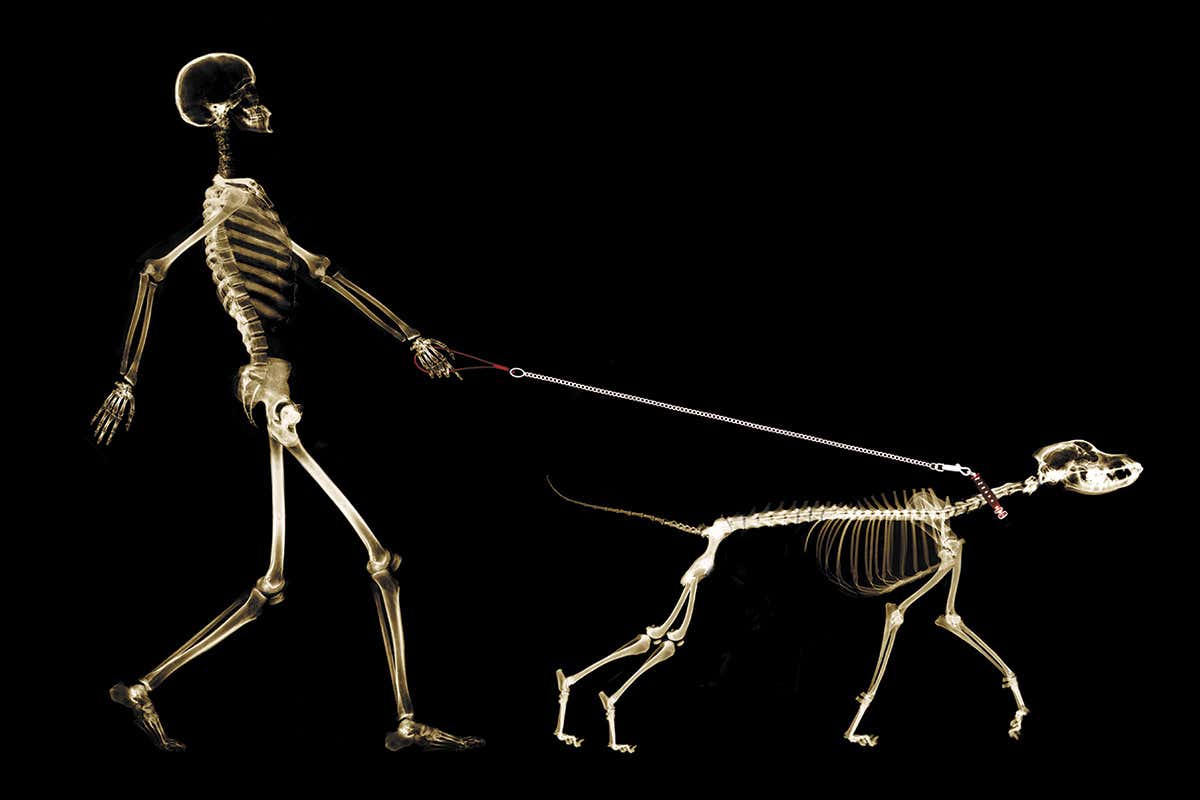
Life Lovely bones: Fascinating skeletons of the past and present From appreciating the machine-like qualities of the human body to resurrecting long-extinct creatures, two books about bones make colourful reading Culture
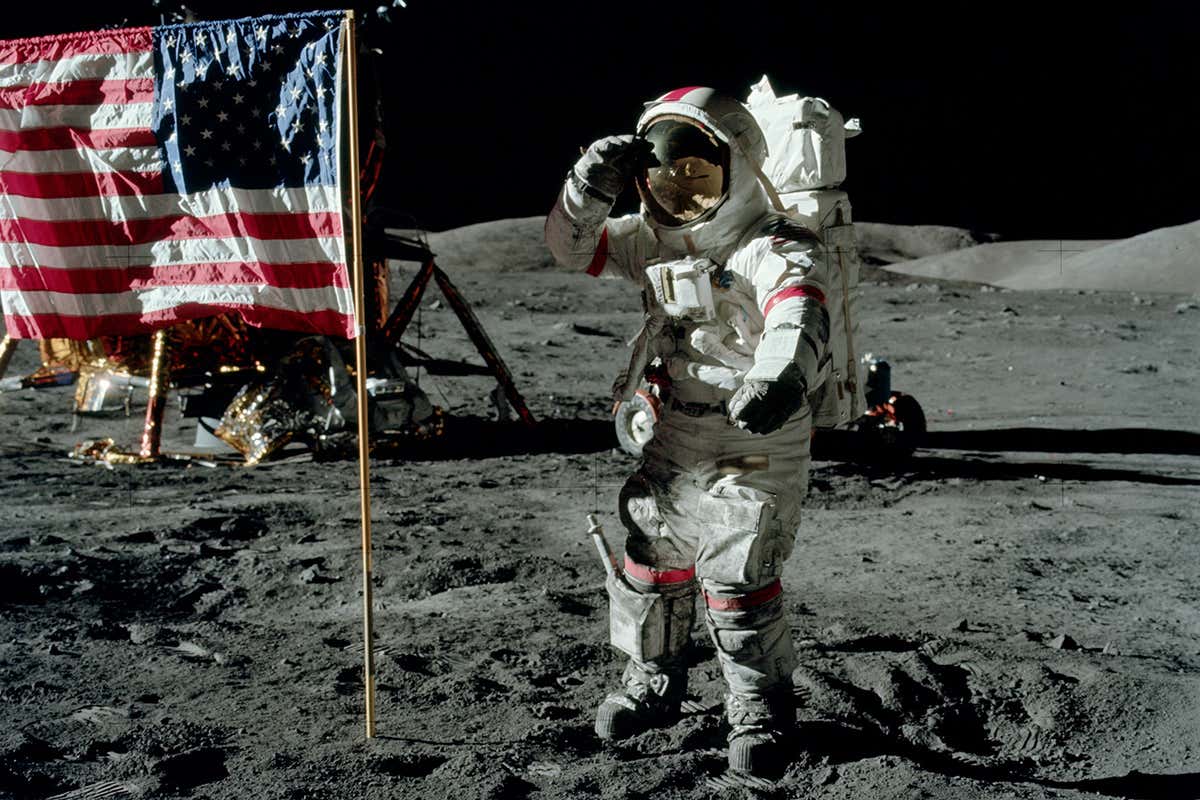
Space Follow the life of the last man on the moon Eugene Cernan's career was by any measure a triumph but a new profile spares a thought for the people left in his wake CultureLab
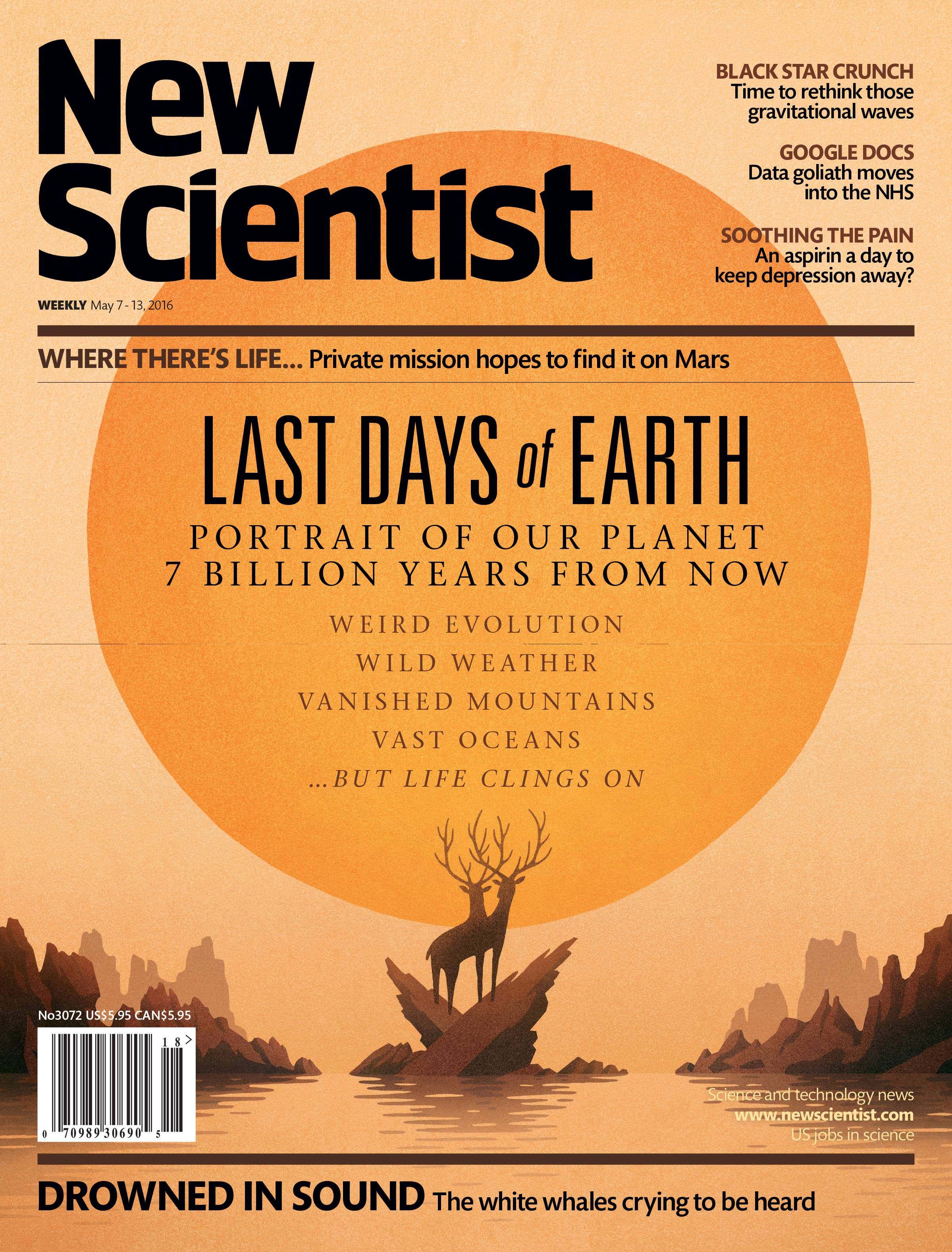
Last days of Earth: Timeline to the end of everything The first living molecules appeared 3.8 billion years ago and on current estimates, the last cells will be snuffed out in another 3 billion years. Along the way, several factors could have huge consequences for what survives and where no-section
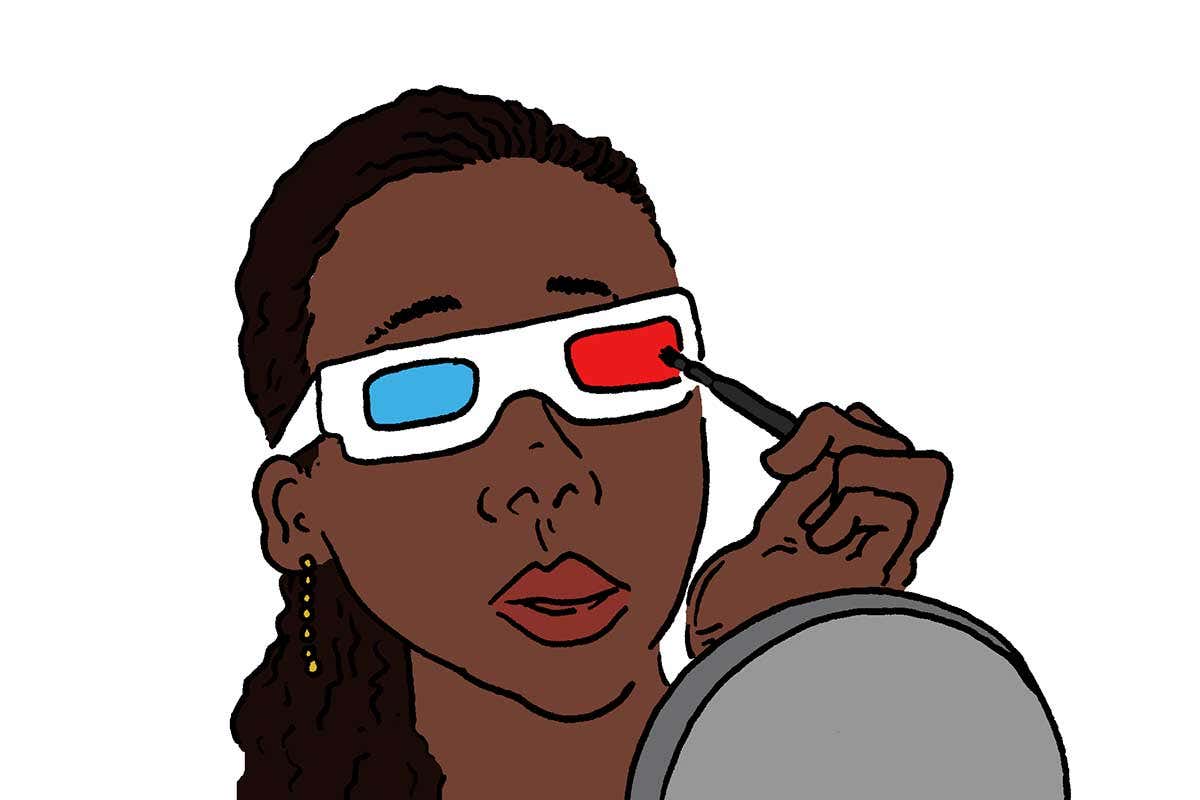
Feedback: Prismatic makeup paints you in best possible light Feedback is our weekly column of bizarre stories, implausible advertising claims, confusing instructions and more Regulars