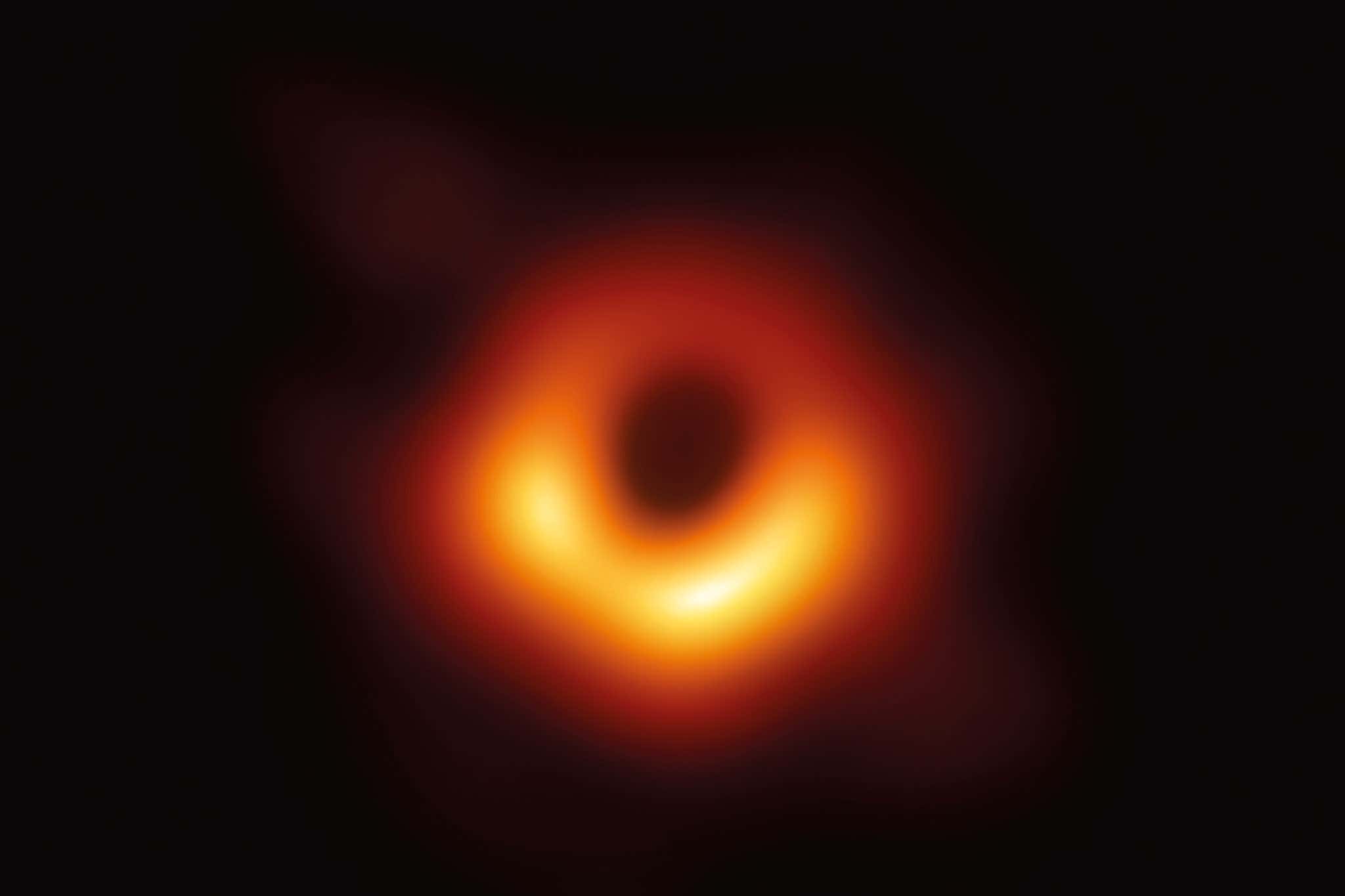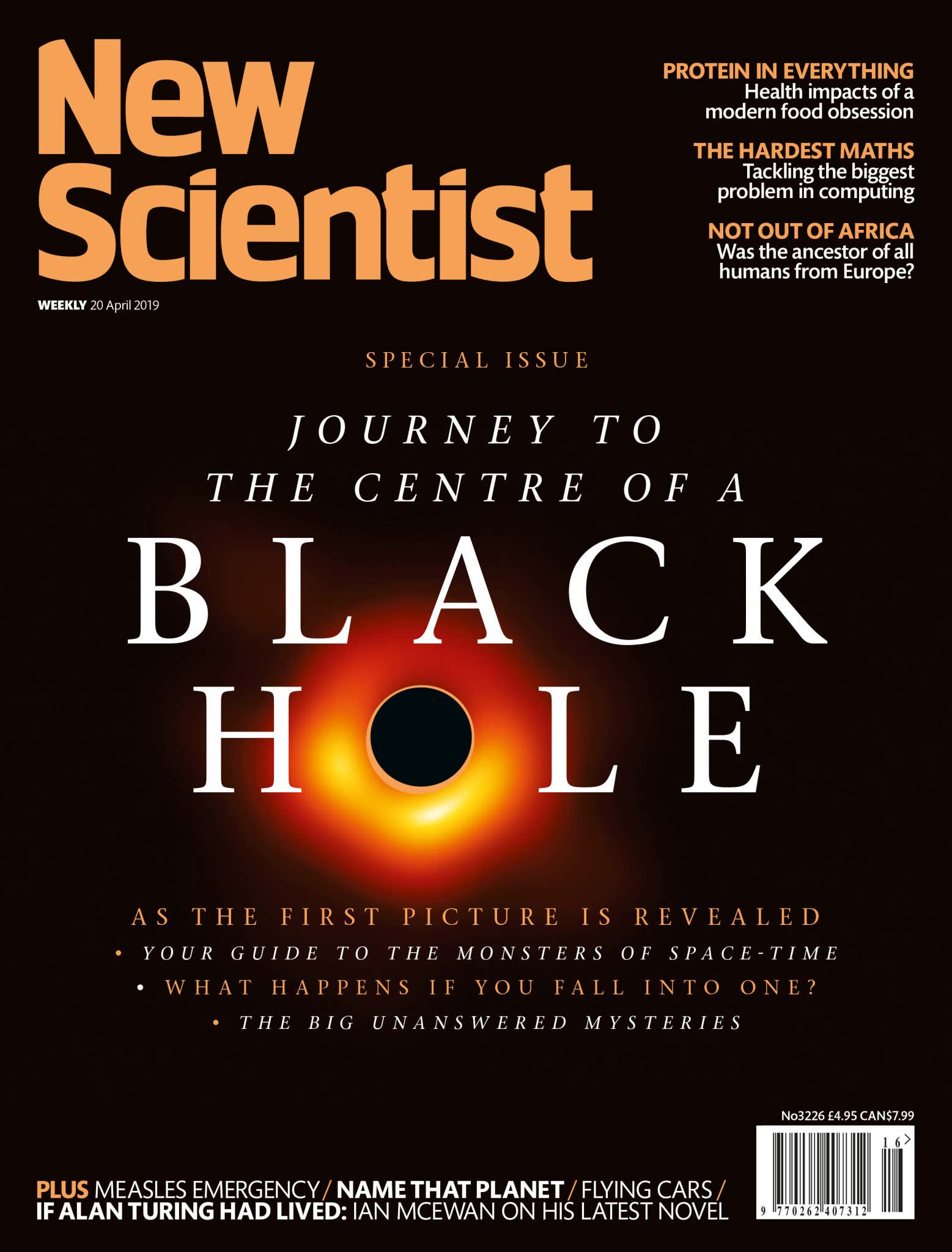

Space Black hole breakthrough: a lot done, much more to do The first direct image of a black hole is another triumph for Einstein's general relativity – but to make further progress we must look for even better theories News
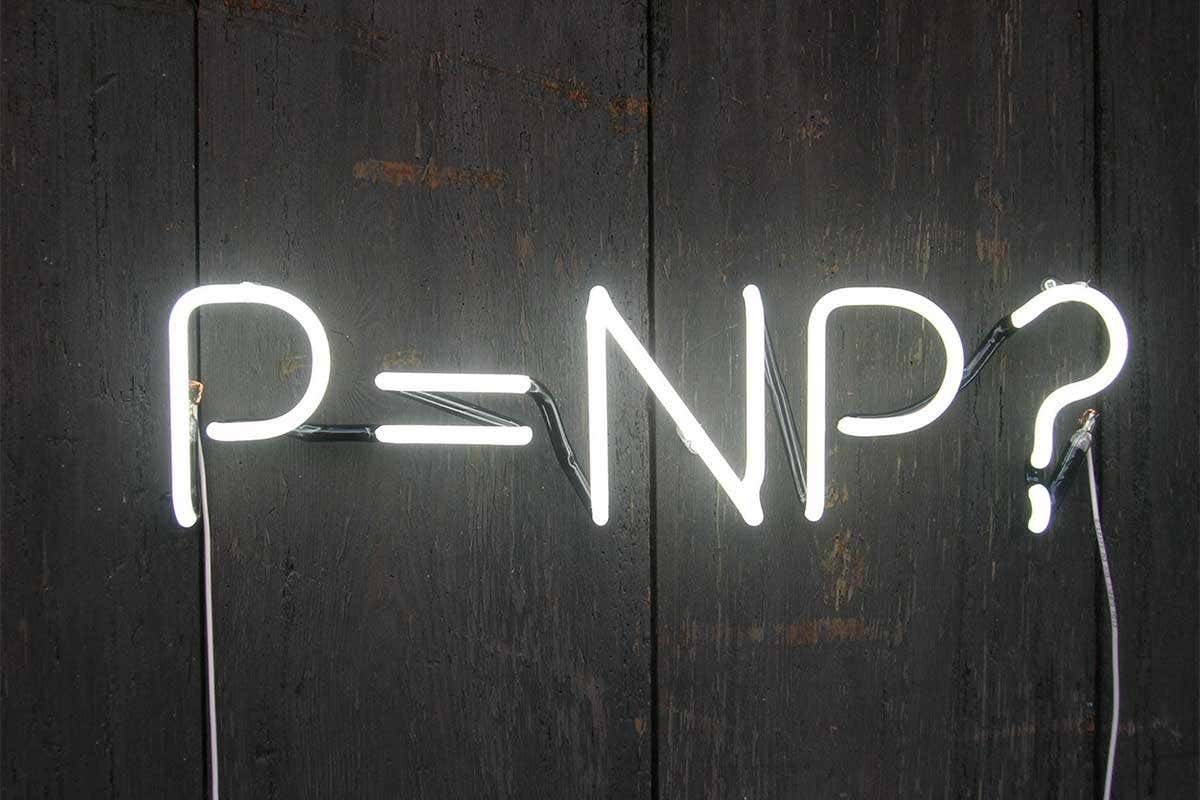
Mathematics We could solve the biggest problem in maths in the next decade P is not NP? That is the question One of the biggest open problems in mathematics may be solved within the next decade, according to a poll of computer scientists. A solution to the so-called P versus NP problem is worth $1 million and could have a profound effect on computing, and perhaps even the … News
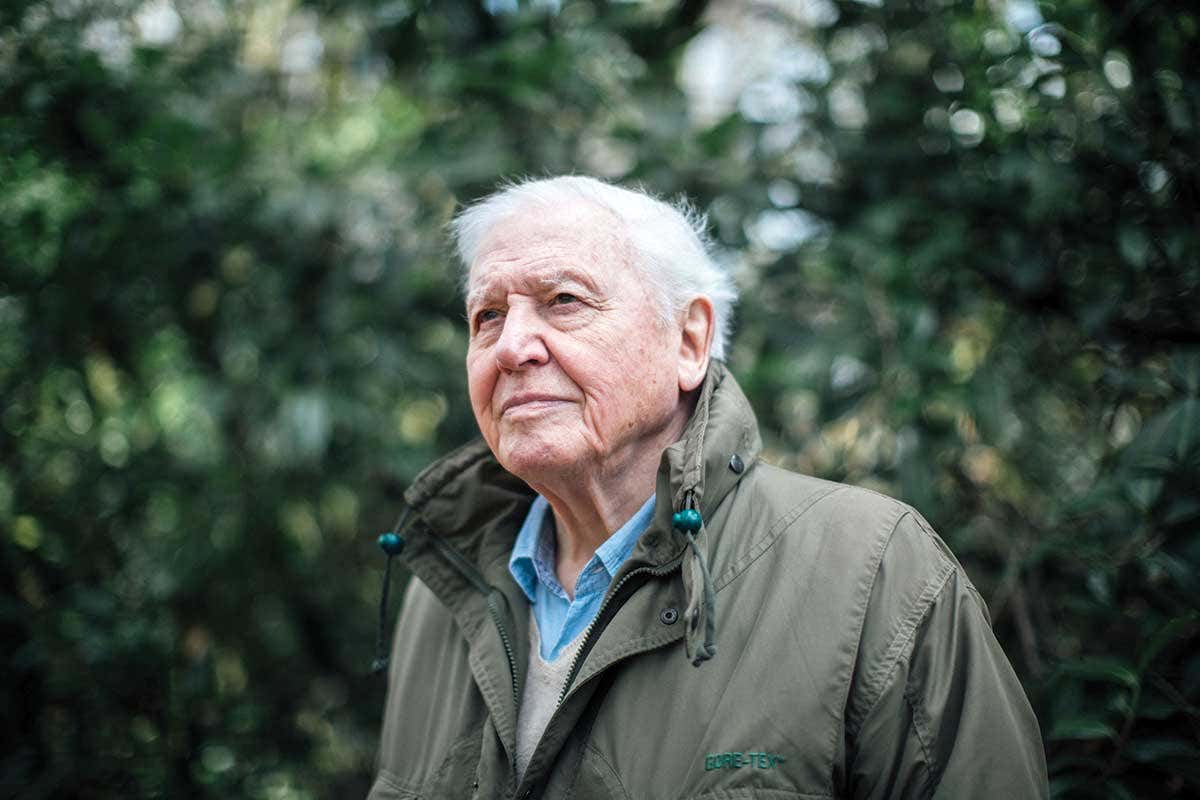
Environment David Attenborough finally talks climate change in prime time BBC slot The BBC has a renewed drive to tell climate change stories Global warming will enjoy a rare moment in TV’s spotlight when the BBC airs an hour-long film on the subject on 18 April, presented by David Attenborough (pictured above). “Right now, we’re facing our gravest threat in thousands of years: climate change,” says Attenborough at … News
Life Magnificent pumas photographed in snowstorms and whilst catching prey THIS puma is used to the cold. It lives in Chile's Torres del Paine National Park, where it rains and snows year-round, with winds from Antarctica reaching speeds of up to 150 kilometres per hour. An adult female at night The park spans more than 180,000 hectares of Patagonia, at the southern tip of South … Regulars
Earth Surprising ways the changing Earth shaped human evolution and society From the development of our remarkable brains to the geographic divides in the way we vote, our shape-shifting planet has guided the path of humanity Features
Technology Why Ian McEwan doesn’t see his latest novel as being science fiction What would the 1980s have been like if Alan Turing had lived? Ian McEwan talks about his exploration of a speculative past for AI in his novel Machines Like Me Culture
Technology From the archives 20 years ago: the great phone cancer scare " FOR anyone who uses a mobile , these are worrying times." So began our cover story on 10 April 1999. By then, 500 million people worldwide were using mobile phones and hysteria around their effects on health was reaching a climax. There were claims that radiation from handsets cooked your brain, scrambled your thoughts … Regulars
Feedback: Why replicate an experiment when you can flip a coin? Feedback is our weekly column of bizarre stories, implausible advertising claims, confusing instructions and more Regulars