Subscribe now

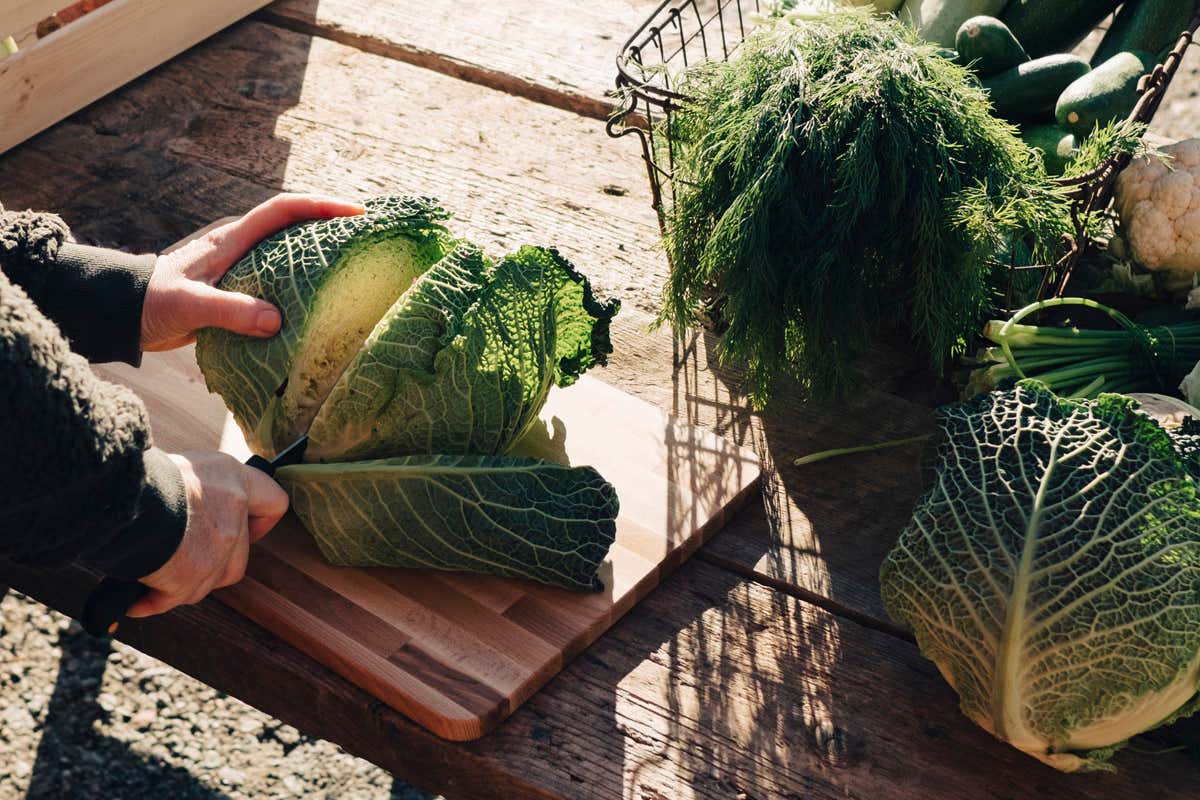
Why do cabbages exist when their shape prevents photosynthesis?

What is the point of having a tight bundle of leaves that don't attract pollinators and shield each other from the sun? Does its structure affect its ability to photosynthesise? Readers respond

14 October 2020

New Scientist. Science news and long reads from expert journalists, covering developments in science, technology, health and the environment on the website and the magazine.

Getty Images/Maskot

Why do cabbages exist? What is the point of having a tight bundle of leaves that don’t attract pollinators and shield each other from the sun? Does its structure affect its ability to photosynthesise?

Jan Horton, West Launceston, Tasmania, Australia

Cabbages exist because humans domesticated them long ago due to them being easy to grow in many climates and keeping well, especially when fermented. To me, and to many others, they also taste delicious, but not all my family agree.

Humans have bred the cabbage so that the juvenile stage is prolonged, because the light inner leaves are sweeter and…

Sign up to our weekly newsletter

Receive a weekly dose of discovery in your inbox. We'll also keep you up to date with New Scientist events and special offers.

Sign up

To continue reading, subscribe today with our introductory offers

Popular articles

Trending New Scientist articles

Piano Exit Overlay Banner Mobile Piano Exit Overlay Banner Desktop