Subscribe now

What makes some people short-sighted and others long-sighted? (cont.)

In the eye, what exactly leads to short- and long-sightedness? Does environment play a part, or genetics? The debate continues

9 December 2020

New Scientist. Science news and long reads from expert journalists, covering developments in science, technology, health and the environment on the website and the magazine.

Francisco Martinez/Alamy
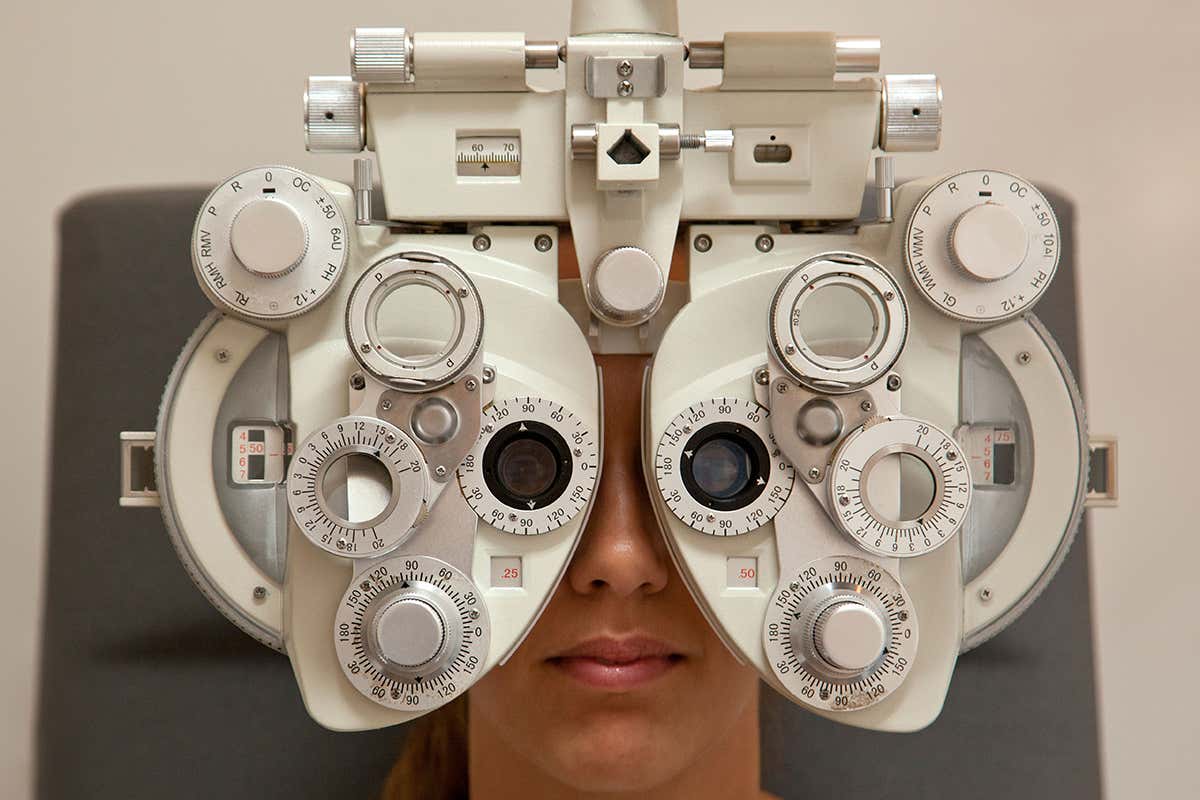
What exactly occurs in the eyes to make some people short-sighted and others long-sighted? (continued)

Tony Harding, Sarsfield, Victoria, Australia

Time spent outdoors may make it less likely that people become short-sighted because of exposure to different wavelengths of light, as a previous answer suggested, but I suspect the explanation is simpler than that.

I suggest that changes in eyeball shape that give rise to long or short-sightedness are a consequence of the growth spurt at puberty when the eye must enlarge but retain clear vision. If you are a reader, the eye adapts to provide clear vision at the…


Sign up to our weekly newsletter

Receive a weekly dose of discovery in your inbox. We'll also keep you up to date with New Scientist events and special offers.

Sign up

To continue reading, subscribe today with our introductory offers

Popular articles

Trending New Scientist articles

Piano Exit Overlay Banner Mobile Piano Exit Overlay Banner Desktop
