Larisa Duka/Alamy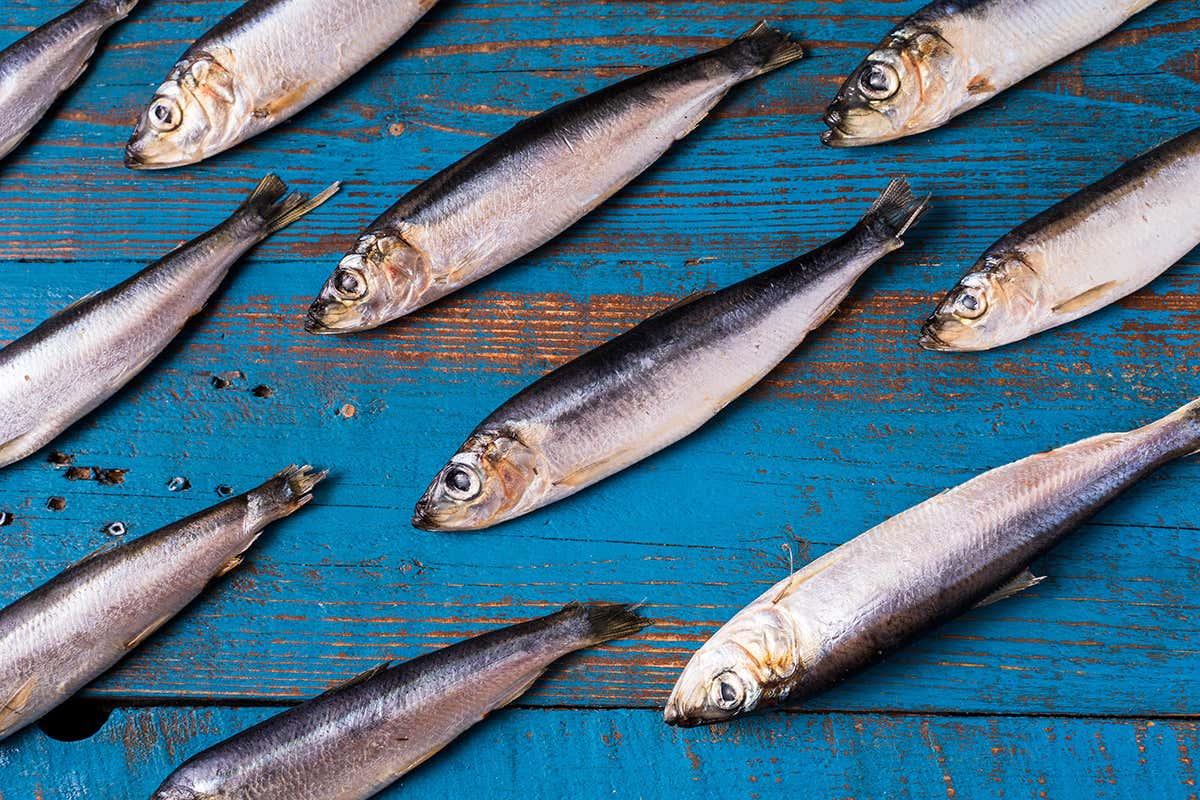
Why do herrings have large numbers of small bones, and mackerels have a lower number of large bones?
Nigel Page, High Peak, Derbyshire, UK
agsandrew/Getty Images
Advertisement
Could a human brain register or be affected by the existence of other dimensions beyond those of time and the three dimensions of space?
David Wheeler, Bristol, UK
To answer this question – or ask a new one – email lastword@newscientist.com.
Questions should be scientific enquiries about everyday phenomena, and both questions and answers should be concise. We reserve the right to edit items for clarity and style. Please include a postal address, daytime telephone number and email address.
New Scientist Ltd retains total editorial control over the published content and reserves all rights to reuse question and answer material that has been submitted by readers in any medium or in any format.
You can also submit answers by post to: The Last Word, New Scientist, 25 Bedford Street, London WC2E 9ES.