Subscribe now

Without moonlight, would life on Earth be any different?

If our moon were non-reflective or black, but with the same gravity and motion, there would be a significant impact on certain plants and animals, not to mention human culture

16 November 2022

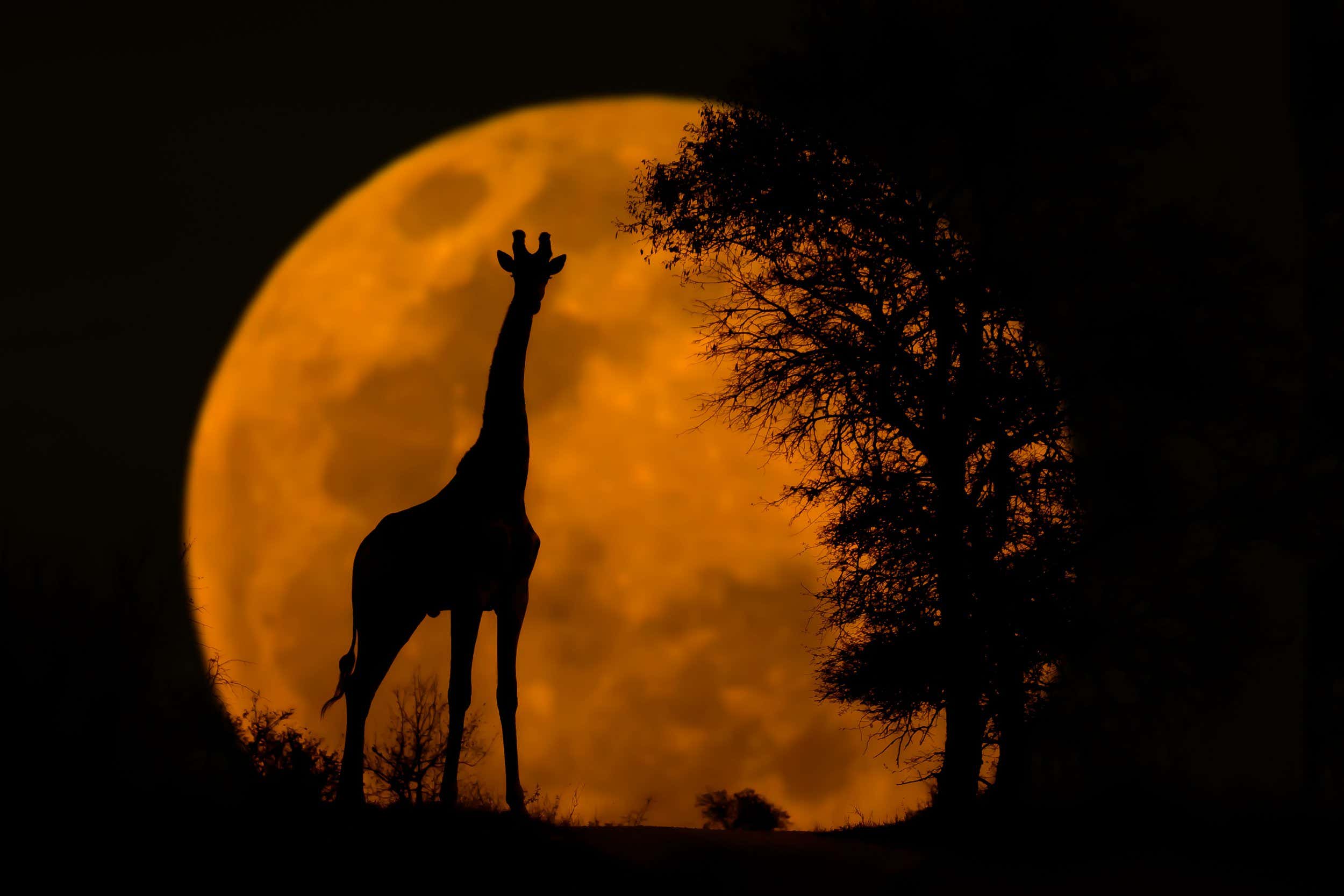
DNMR0A Giraffe silhouette captured at sunset in Kruger blended with a full moon captured when rising.

Mario Moreno/Alamy

Without moonlight (i.e. if our moon was non-reflective or black, but with exactly the same gravity and motion), would life on Earth be any different?

Hillary Shaw
Newport, Shropshire, UK

Human culture would be very different without moonlight. Ancient stargazers, with no artificial light to drown out the stars, would see a black void crossing the sky. Perhaps this would lead to legends of an evil sky demon, similar to that described in Isaac Asimov’s 1941 short story Nightfall, about a planet that experiences the darkness of night for the first time.

The biggest differences would be in the Islamic…

Sign up to our weekly newsletter

Receive a weekly dose of discovery in your inbox. We'll also keep you up to date with New Scientist events and special offers.

Sign up

To continue reading, subscribe today with our introductory offers

Popular articles

Trending New Scientist articles

Piano Exit Overlay Banner Mobile Piano Exit Overlay Banner Desktop

