Subscribe now

Why do some of our organs come in pairs, but we only have one heart?

We can work out why some of our organs are paired by looking at the earliest stages of our development, say our readers - but the Doctor's two hearts in Doctor Who are another matter

17 May 2023

Human kidney cross section. 3d illustration; Shutterstock ID 759443860; purchase_order: -; job: -; client: -; other: -

Crystal Light/Shutterstock
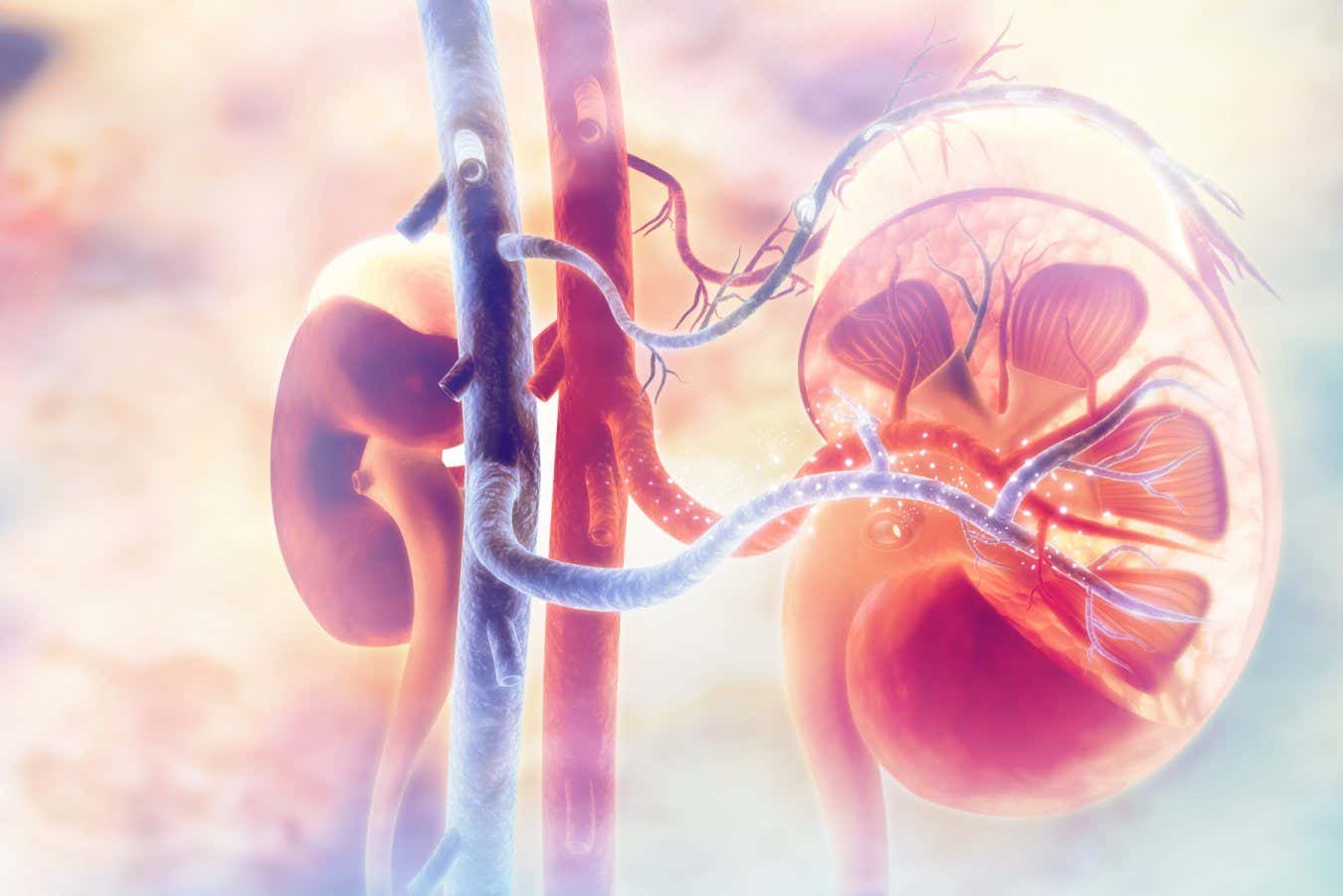
Why do some of our organs come in pairs, such as kidneys, whereas we only have one heart, one liver etc?

Richard Swifte
Darmstadt, Germany

Unlike rocket engineers, who design in “redundancy” (spare parts for use if key components fail), evolution doesn’t waste energy producing spare body parts unless they have a definite survival value, either for the individual or the species. Most creatures in the wild have their work cut out finding enough food to survive, let alone growing unused parts. So it is fair to expect that having two organs fulfils a definite need.

For example: two ears…

Sign up to our weekly newsletter

Receive a weekly dose of discovery in your inbox. We'll also keep you up to date with New Scientist events and special offers.

Sign up

To continue reading, subscribe today with our introductory offers

Popular articles

Trending New Scientist articles

Piano Exit Overlay Banner Mobile Piano Exit Overlay Banner Desktop