Subscribe now

Do we really know how ancient Romans pronounced Latin words? (Part 2)

Readers share more thoughts on how modern speakers have changed the pronunciation of Latin vowels, such as in fungi and vertebrae

28 June 2023

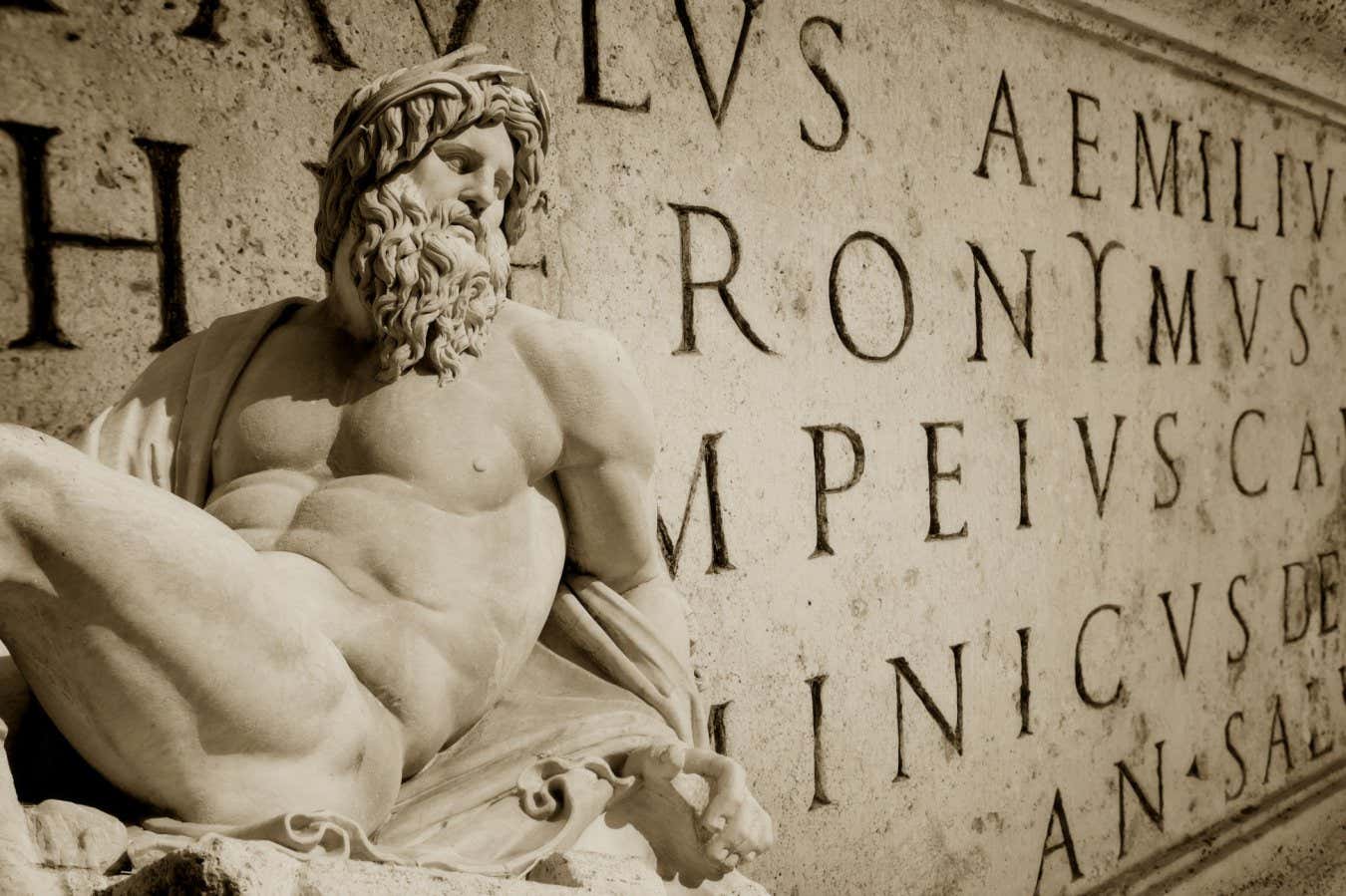
Bernini statue detail of Gange with Latin words engraved on a wall Roman Capitol; Shutterstock ID 131482886; purchase_order: -; job: -; client: -; other: -

taraki/Shutterstock

Do we actually know how the ancient Romans pronounced Latin words? (continued)

Georgina Skipper
Weymouth, Dorset, UK

The evidence for the hard “c” sound in Latin is strong, but more interesting is the reason for the shift to the soft “c” before “e” and “i” in modern languages.

These vowels are formed further forwards in the mouth and “k” is formed at the back. We may be seeing the same sort of thing happening in speech by people from Liverpool, UK, where “k” is pronounced further forwards, with a hiss, and seems to be on a path to becoming an…


Sign up to our weekly newsletter

Receive a weekly dose of discovery in your inbox. We'll also keep you up to date with New Scientist events and special offers.

Sign up

To continue reading, subscribe today with our introductory offers

Popular articles

Trending New Scientist articles

Piano Exit Overlay Banner Mobile Piano Exit Overlay Banner Desktop
