Subscribe now

Letters archive

Join the conversation in New Scientist's Letters section, where readers can share their thoughts and opinions on articles and see responses from experts and enthusiasts across a range of science topics. To submit a letter, please see our terms and email letters@newscientist.com


29 August 2012

Irrational markets

From Richard Fairchild, University of Bath

Network models of financial systems are useful for understanding the inter-connectedness of banks and the fragility of the banking system (11 August, p 6) . They are, however, less useful when it comes to predicting the timing of crashes. The models need to recognise that banking behaviour and financial market behaviour are generally affected by …

29 August 2012

Comfort and eating

From Colin Gray

Reading Jim Horne's article concerning the potential link between childhood obesity and lack of sleep (14 July, p 26) , I wonder whether anybody has considered the following: if I have had a stressful day, or am ill, or have spent a great deal of time outdoors or in the cold, I tend to sleep …

29 August 2012

Choose free will

From Mary Midgley

Neither Benjamin Libet's experiments nor those of people who now aim to correct him in the debate on free will are – as they may appear – disinterested enquiries (11 August, p 10) . They are all neatly designed to support a 20th-century dogma: the belief that thought cannot possibly influence action. That is clearly …

29 August 2012

Self-diagnosis harm

From Richard Simpson, Shadow public health minister for Labour in the Scottish Parliament

We may be on the verge of a new revolution in medicine with self-management of chronic conditions, as alluded to in Nic Fleming's look at self-trackers (4 August, p 40) . For example, Scotland currently spends around £1.5 billion on unplanned emergency care for such conditions. Saving 20 per cent on these admissions would account …

29 August 2012

Frog death spawn

From Peter Mudde

In his article on the fungal disease that is killing amphibians (7 July, p 42) , Bob Holmes misses one important and rather frightening point about the spread of the fungus Batrachochytrium dendrobatidis ( Bd ). Among the first and most striking victims were the golden toad of Monteverde, Costa Rica, and the Australian gastric-breeding …

29 August 2012

Whole in their theory

From Mats Bergenhov

Discussing the physical relevance of Schrödinger's wave function (28 July, p 28) , Matthew Pusey and his colleagues argue that the two atoms in their thought experiment are truly independent of each other. But they also argue that something controls their behaviour. So if something controls them, they are not independent. No, the answer to …

29 August 2012

Sex-test woes

From Jennifer M. Phillips

I wrote a paper about female athletes disqualified after the first "sex testing" of competitors in 1966 and am stunned that similar practices have resumed (21 July, p 26) . What is called into question by such tests, largely of female athletes, is not so much their sex as their humanity. It was devastating to …
29 August 2012

Deities of Olympus

From Simon Goodman

Of all the amazing physical aptitudes shown in the recent Olympics, double-amputee 400-metre runner Oscar Pistorius indeed stands out, not just for a world-class performance, but for doing it without lower legs (11 August, p 26) . Of course Olympians are demigods, as Anders Sandberg writes, but from the heights of Pistorius's achievement, even they …

29 August 2012

Mission impassable

From John Cleveland

I am all in favour of other nations getting into the race for Mars, but I have concerns for the Dutch programme mentioned in your brief look at possible crewed missions (4 August, p 6) . Those involved claim they will "establish the first settlement on Mars in 2023" and "to fund the one-way trip" …

29 August 2012

Crab in wrong class

From Gerald Legg

In your Instant Expert on fossils you say "crustaceans such as horseshoe crabs" (4 August) . But horseshoe crabs are members of the class Merostomata within the Arthropoda, closely related to the arachnids, and definitely not crustacean. My old professor at Manchester defined crustacea as: "Arthropods with two pairs of antennae; nothing more." Merostomata have …

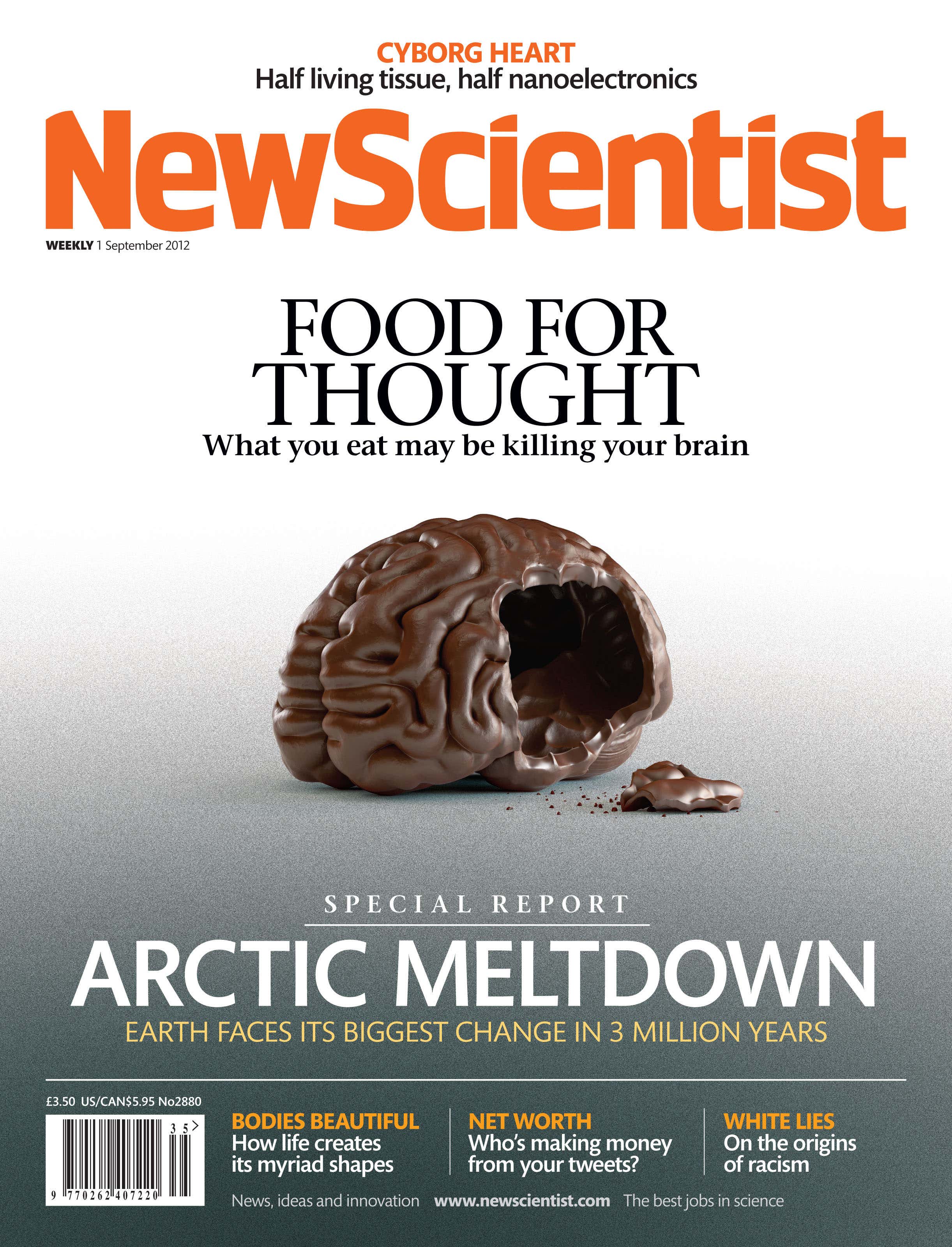
Issue no. 2880 published 1 September 2012

Sign up to our weekly newsletter

Receive a weekly dose of discovery in your inbox. We'll also keep you up to date with New Scientist events and special offers.

Sign up
Piano Exit Overlay Banner Mobile Piano Exit Overlay Banner Desktop