
AI trained on novels tracks how racist and sexist biases have evolved
20 February 2025
Questioning a chatbot that has been trained on bestselling books from a particular decade can give researchers a measure of the social biases of that era
20 February 2025
Questioning a chatbot that has been trained on bestselling books from a particular decade can give researchers a measure of the social biases of that era
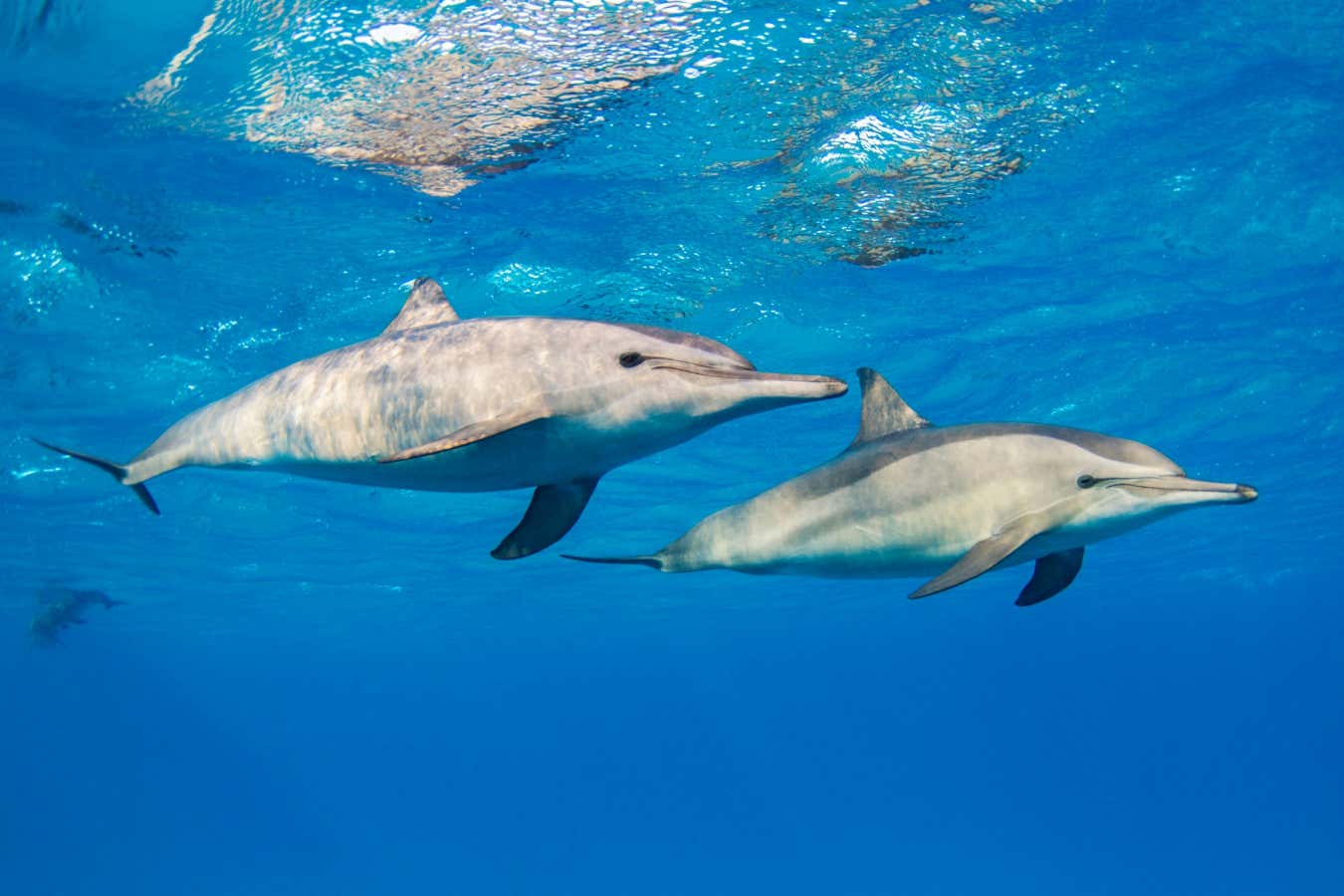
7 July 2023
This intriguing extract is taken from Pod by Laline Paull, a novel told from the perspective of a spinner dolphin which is the latest pick for the New Scientist Book Club
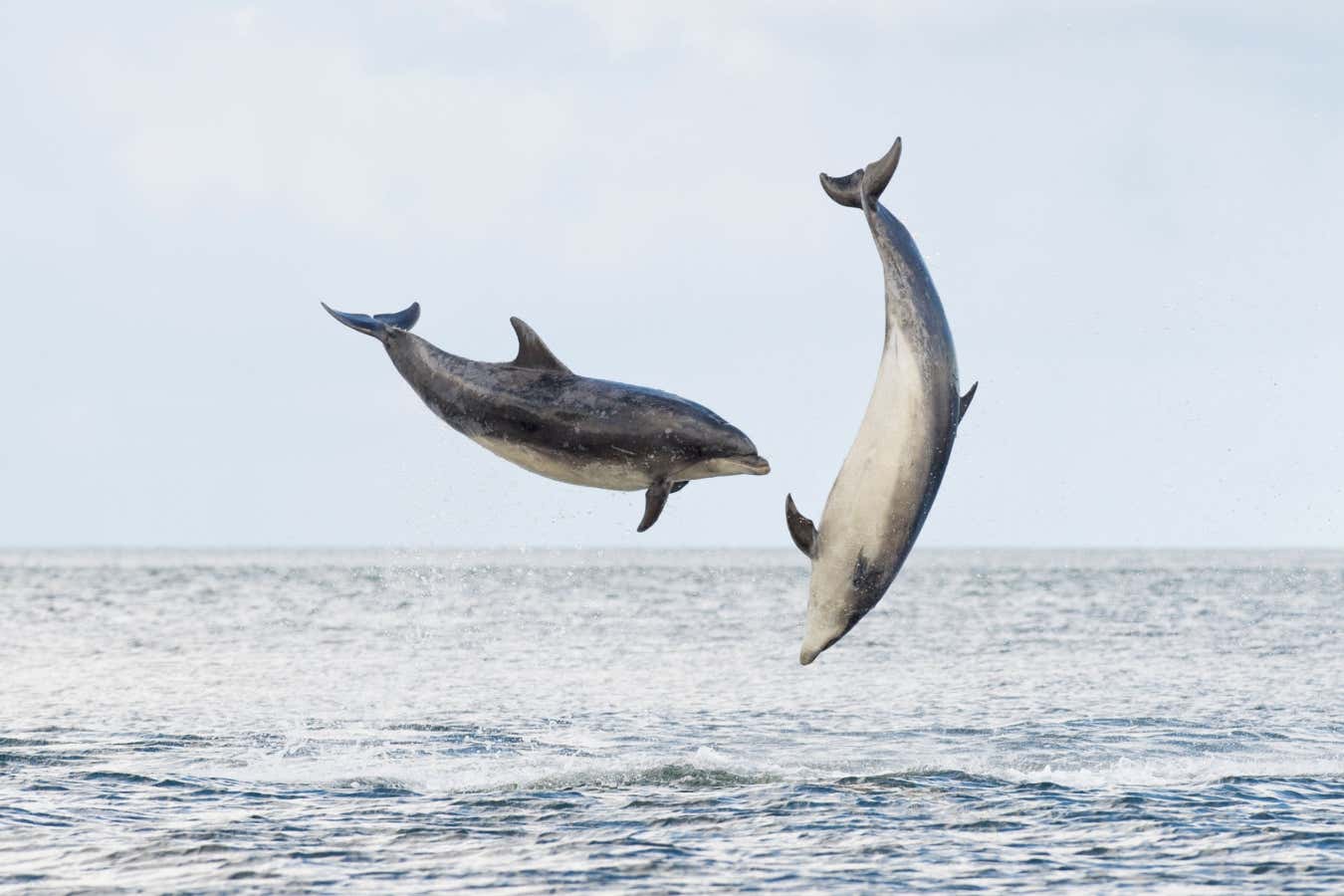
7 July 2023
The author of the Women’s prize-shortlisted Pod reveals why she decided to write a story that initially felt too daunting – now the latest pick for the New Scientist Book Club
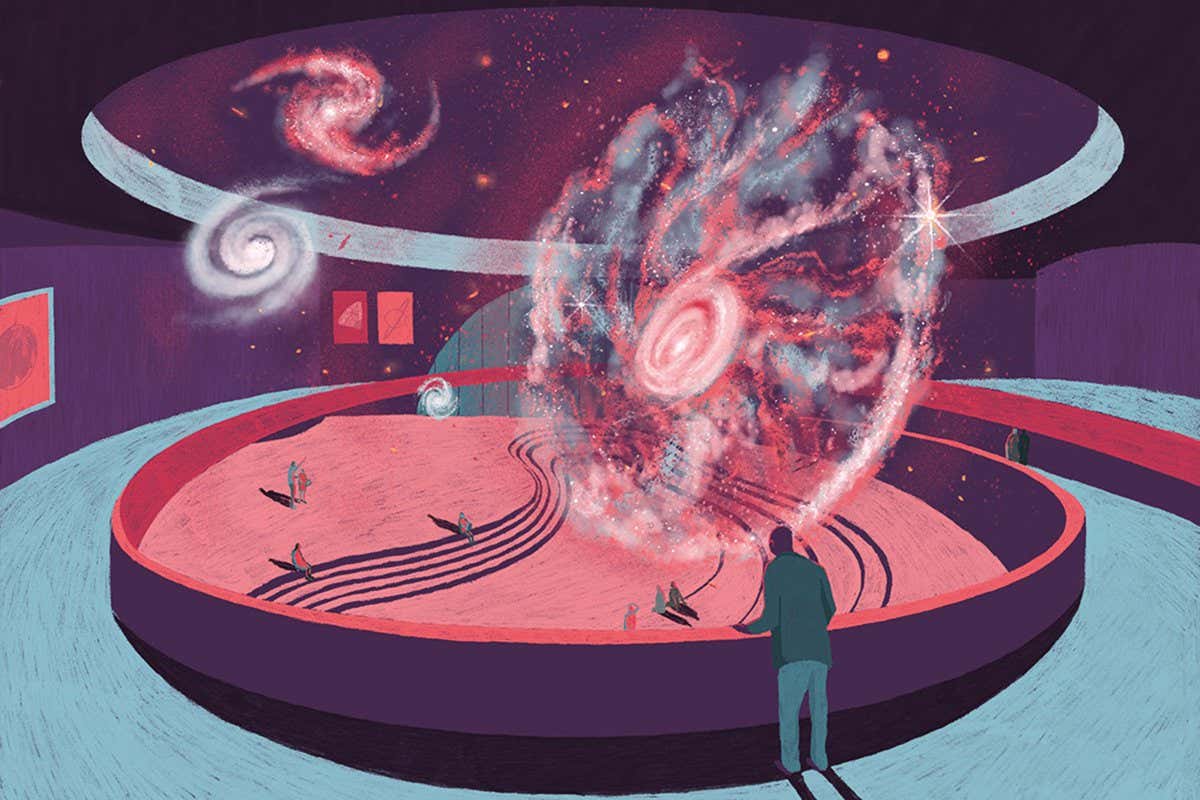
24 August 2022
Some scientists are unhappy about the James Webb Space Telescope's data being made public immediately, but these stunning images should be for everyone, says Jacob Aron
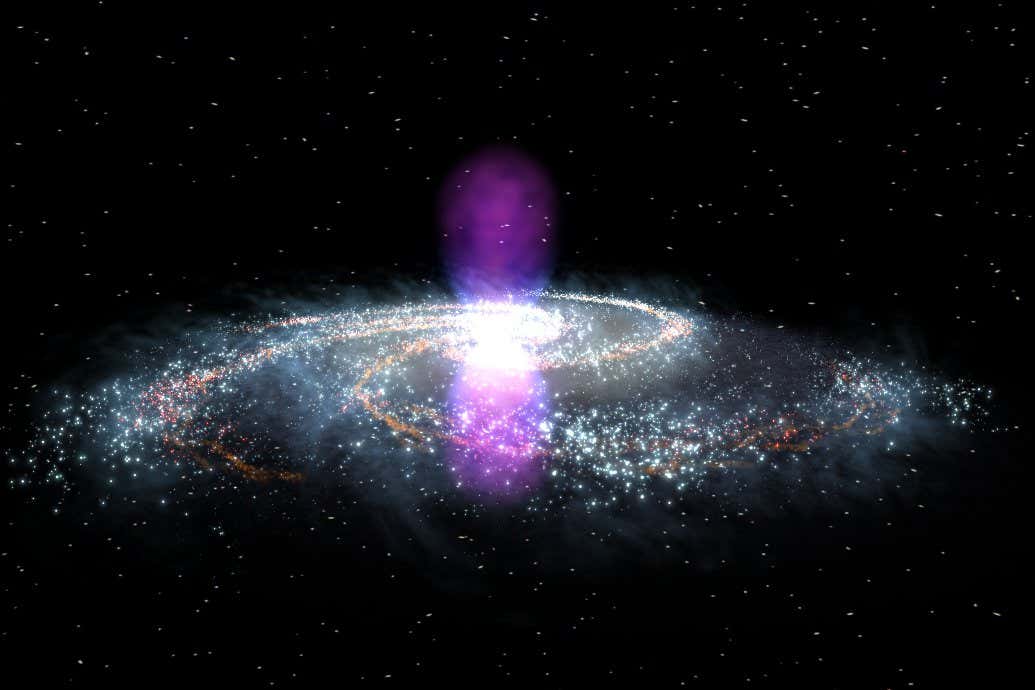
2 August 2022
It may be possible to use the brightest events in the universe, gamma ray bursts, to measure cosmic distances – which could help researchers figure out the universe’s structure

18 April 2022
Careful observation of the power consumption of a circuit board can reveal telltale signs that an attacker has tampered with it and installed a malicious device designed to steal sensitive information or cause crashes, say researchers

11 April 2022
Mobile phones ping signals to nearby communications towers, allowing both Ukrainian and Russian soldiers to track the movement of opposition forces

6 April 2022
Fully homomorphic encryption allows us to run analysis on data without ever seeing the contents. It could help us reap the full benefits of big data, from fighting financial fraud to catching diseases early

22 March 2022
With Russian oil and gas politically toxic, Western nations are scrambling for replacement sources of energy. The immediate future will be difficult, but the crisis could accelerate the transition to clean energy
16 February 2022
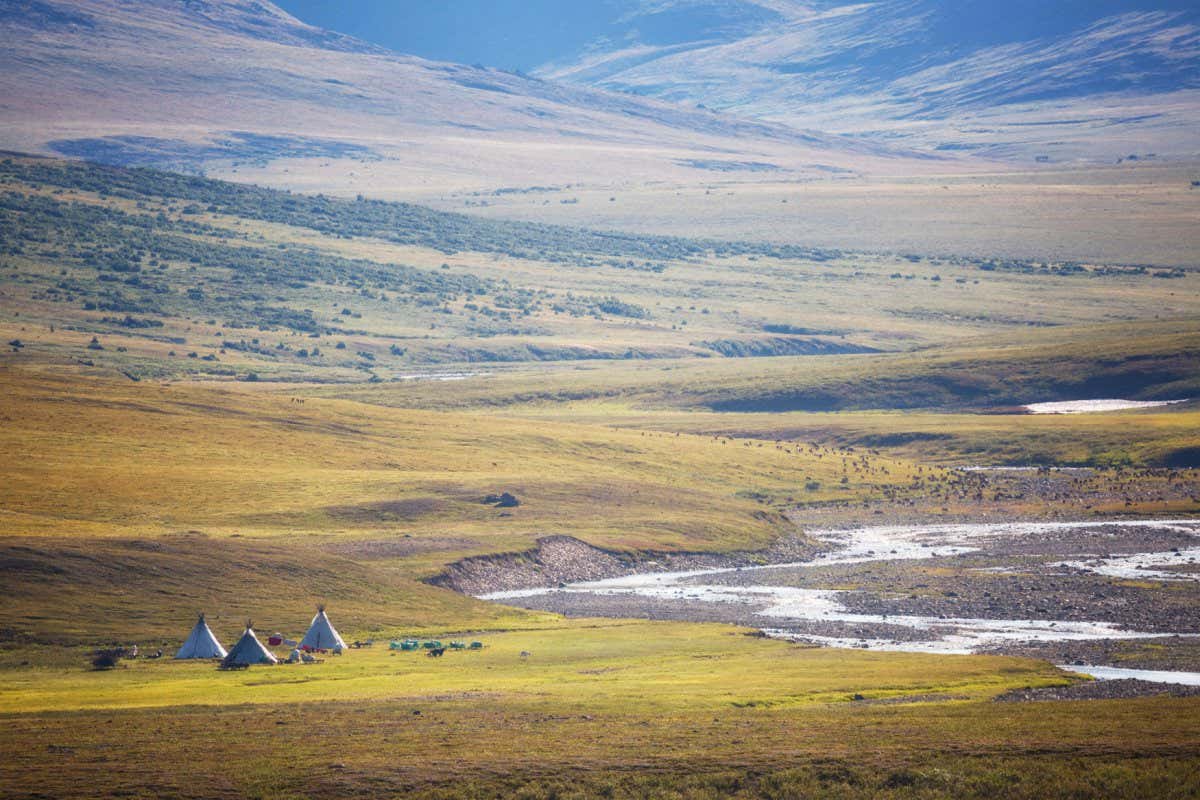
Bacteria and viruses can survive for millions of years frozen in glaciers, ice sheets and permafrost and as global warming increases they are emerging. Here's what we know about the threat
