Subscribe now
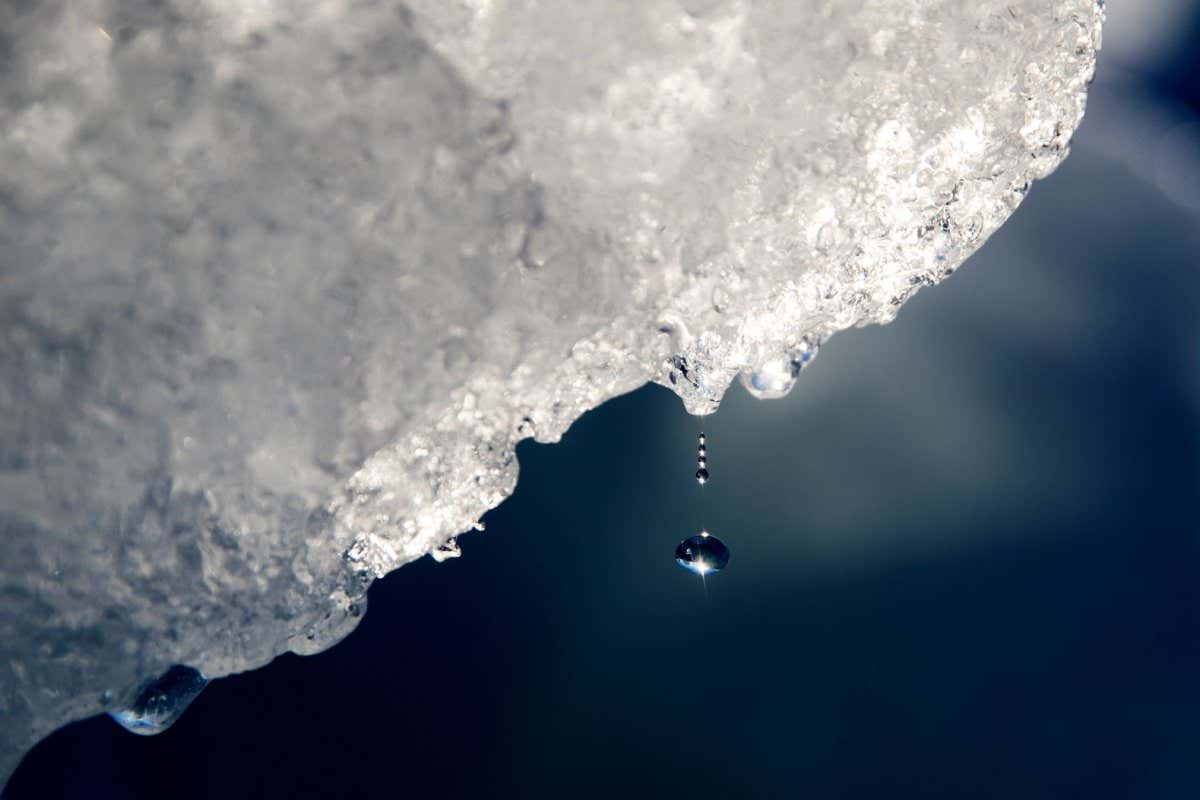
Mandatory Credit: Photo by David Goldman/AP/Shutterstock (12856458a) A drop of water falls off an iceberg melting in the Nuup Kangerlua Fjord near Nuuk in southwestern Greenland, . Earth's poles are undergoing simultaneous freakish extreme heat with parts of Antarctica more than 70 degrees (40 degrees Celsius) warmer than average and areas of the Arctic more than 50 degrees (30 degrees Celsius) warmer than average Hot Poles, Nuup Kangerlua Fjord, Greenland

Arctic and Antarctic see extreme heat and historically low sea ice

22 March 2022

Both poles are being warmed by unusually hot air currents, but scientists think the extreme temperatures in Antarctica are a result of natural variability not climate change

Friederike Otto interview: Can we sue oil giants for extreme weather?

Friederike Otto interview: Can we sue oil giants for extreme weather?

22 July 2020

We can now rapidly and reliably link heatwaves, droughts and hurricanes to human-induced global warming, says climate scientist Friederike Otto. The science could soon be used as evidence in legal cases brought against fossil fuel companies


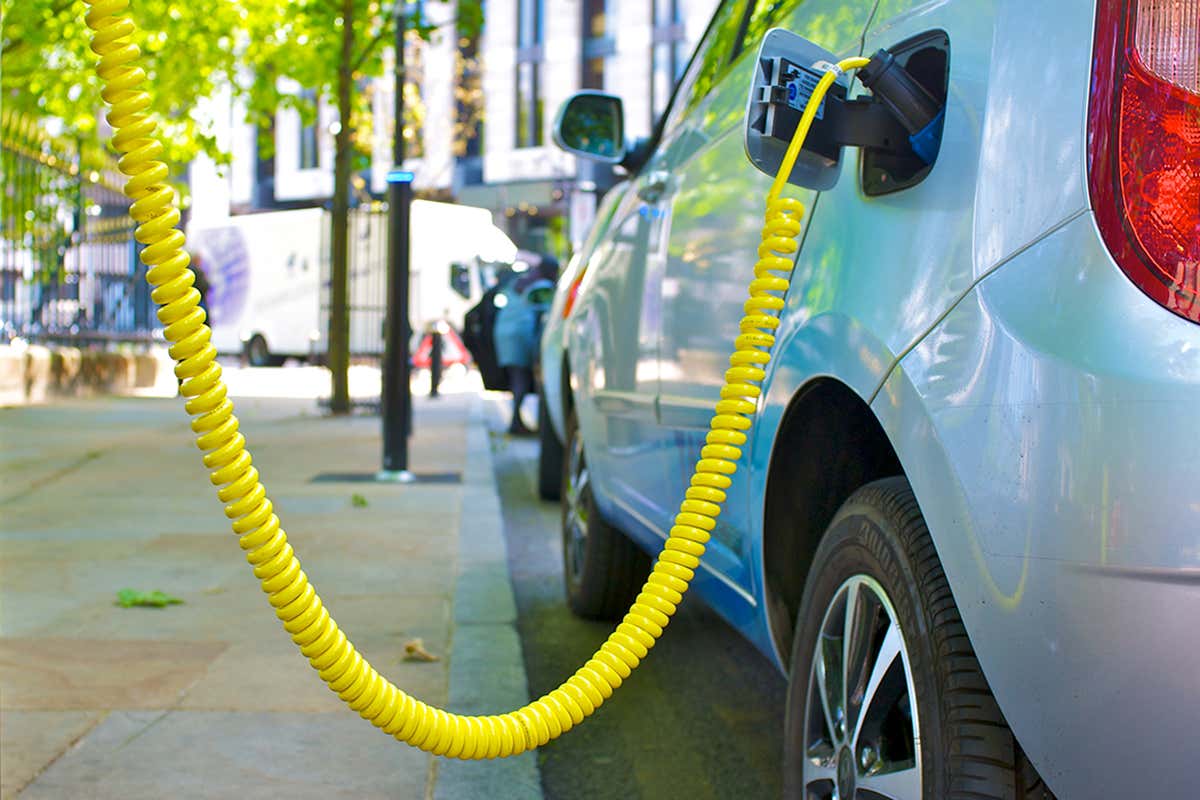
Electric car

Electric cars really are a greener option than fossil fuel vehicles

23 March 2020

Electric cars already have a bigger climate change impact than fossil-fuel burning cars in almost every part of the world, according to researchers


Beyond EPICA project photo

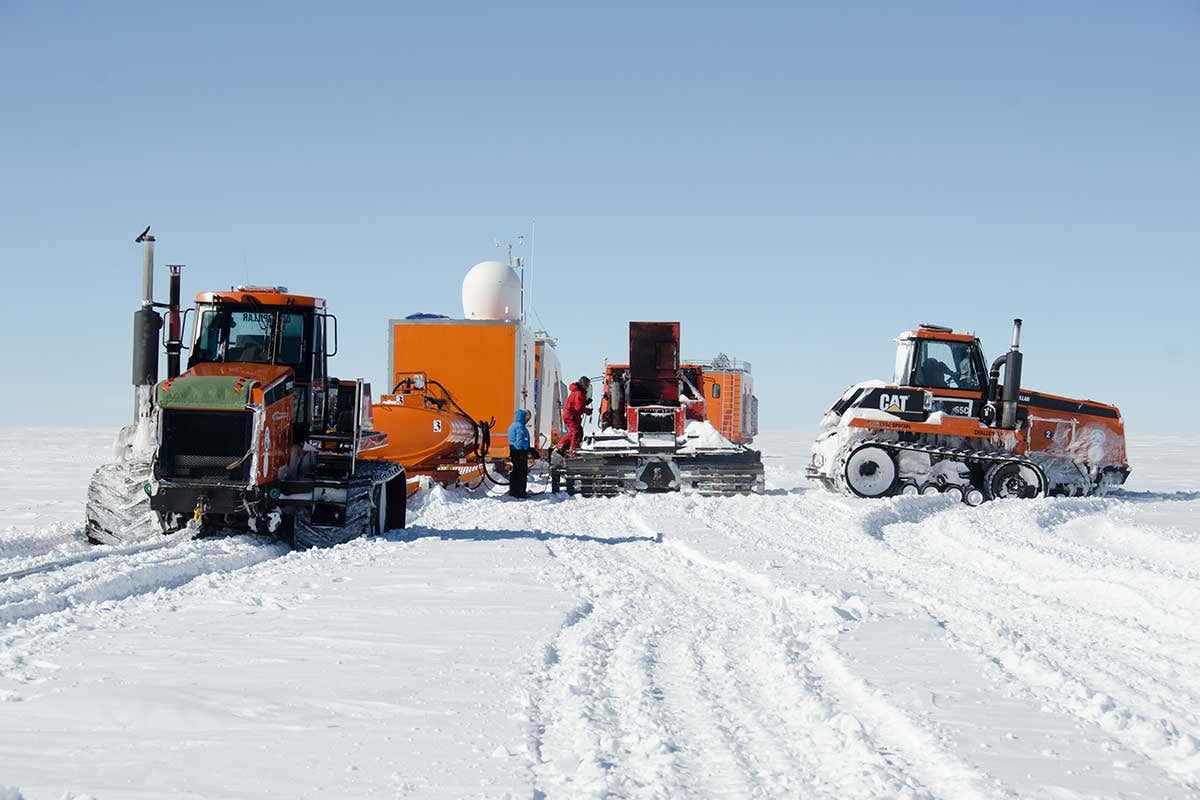
Antarctica team to search world's oldest ice for climate change clues

9 April 2019

Scientists are setting out to drill for the world’s oldest ice, in a bid to shed light on a dramatic tipping point in the world’s climate 900,000 years ago


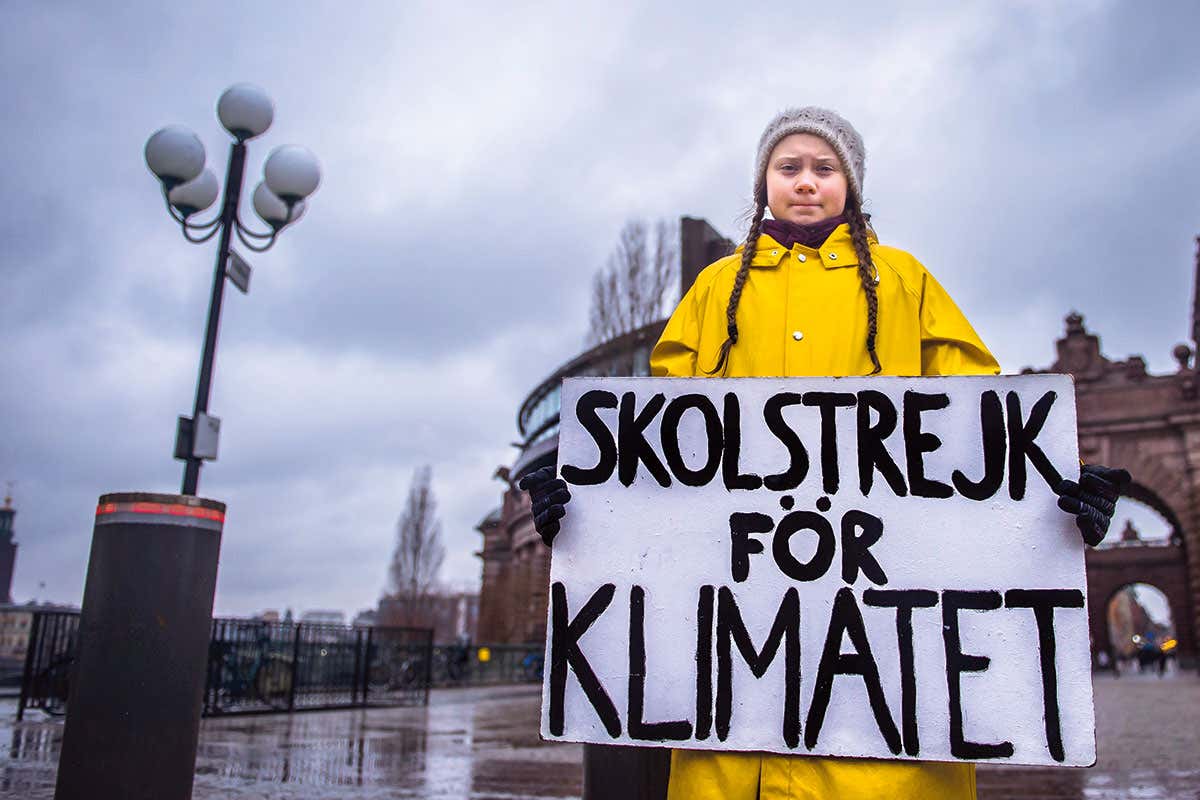
Greta Thunberg

Greta Thunberg: Why I began the climate protests that are going global

13 March 2019

Swedish 16-year-old Greta Thunberg will lead a global school strike this week. Thousands of children are expected to walk-out to protest climate change inaction


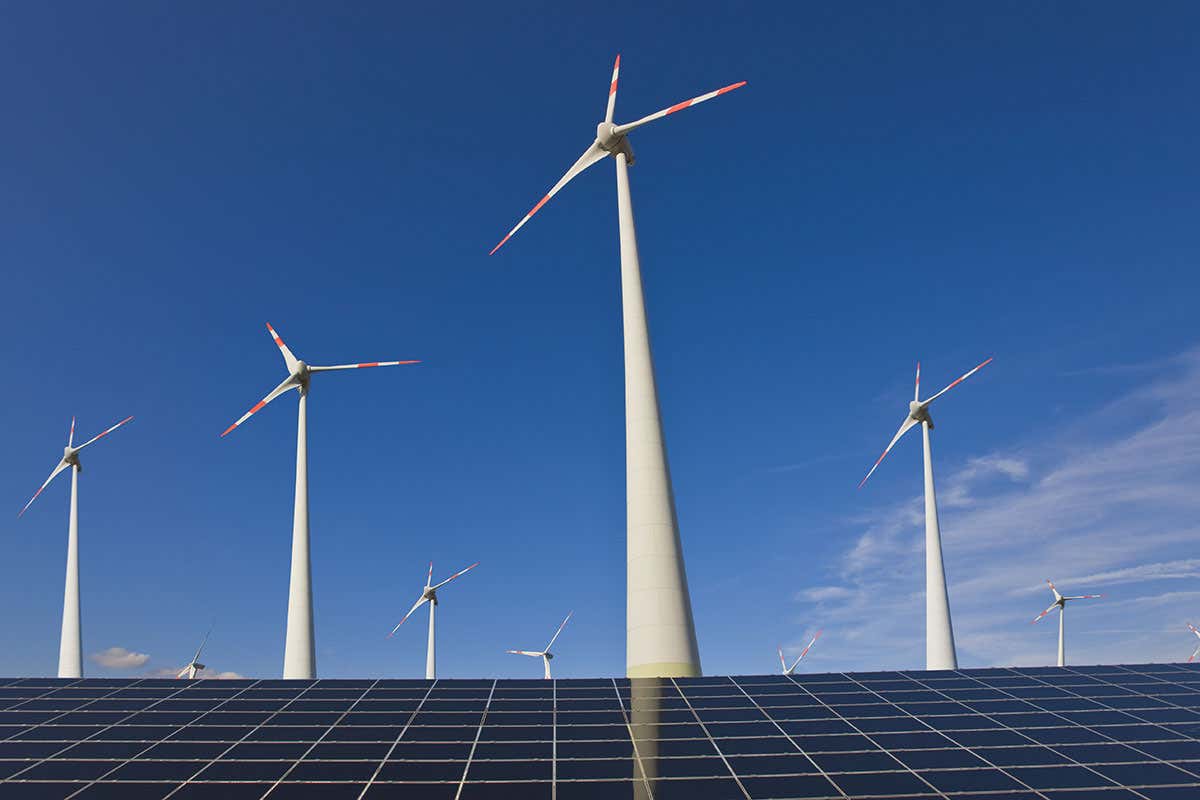
Wind and solar will still work in a climate-change ravaged Europe

Wind and solar will still work in a climate-change ravaged Europe

6 March 2019

Even in the worst climate change scenarios, wind and solar power generation levels in Europe can be maintained, despite UN predictions that cloudier and stormier weather will affect output


Sign up to our weekly newsletter

Receive a weekly dose of discovery in your inbox. We'll also keep you up to date with New Scientist events and special offers.

Sign up
Piano Exit Overlay Banner Mobile Piano Exit Overlay Banner Desktop