Subscribe now

AIs will become useless if they keep learning from other AIs

16 June 2023

If language models such as ChatGPT are trained using the outputs of other AIs, they will become heavily biased, overly simplistic and disconnected from reality, researchers warn
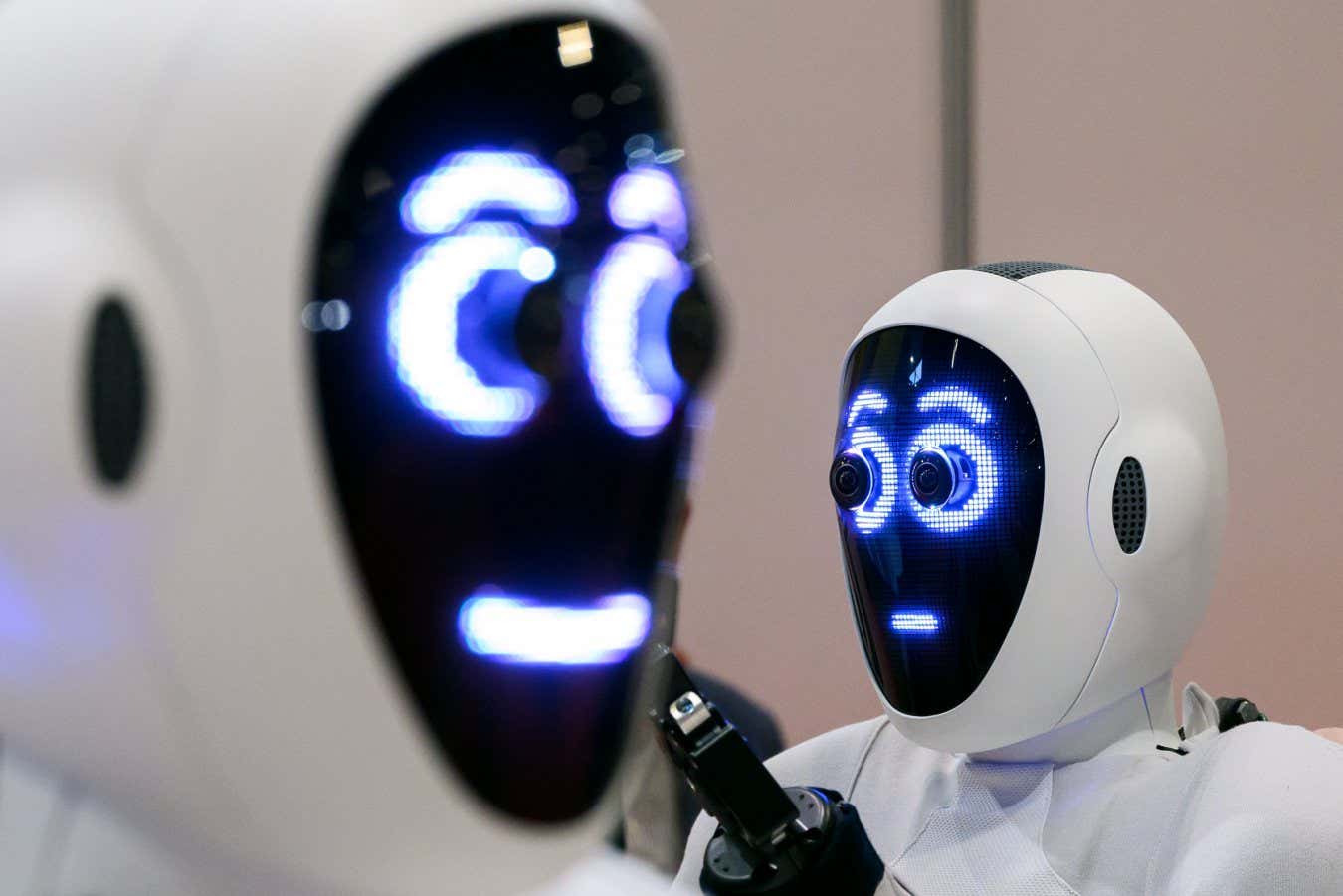

LONDON, ENGLAND - MAY 30: A pair of 1X androids are displayed at the International Conference on Robotics and Automation (ICRA) at ExCel on May 30, 2023 in London, England. The event is the IEEE Robotics and Automation Society's flagship conference and a forum for robotics researchers to present and discuss their work. (Photo by Leon Neal/Getty Images)

Robotics gets less attention than it should given its potential impact

14 June 2023

From self-driving cars to humanoid robots, the world of robotics is a long way from talk of artificial intelligence causing human extinction. It's a breath of fresh air, says Alex Wilkins


2P3HAAK AI technology Robot. ChatGPT, AI-powered chatbot, language processing and machine learning to provide users intelligent conversation. Generative AI

Why we need to be wary of anthropomorphising chatbots

22 March 2023

For all their unsettling emergent abilities, chatbots are still just next-word predictors. We need to remember this and avoid seeing human attributes where they don't exist, warns Alex Wilkins


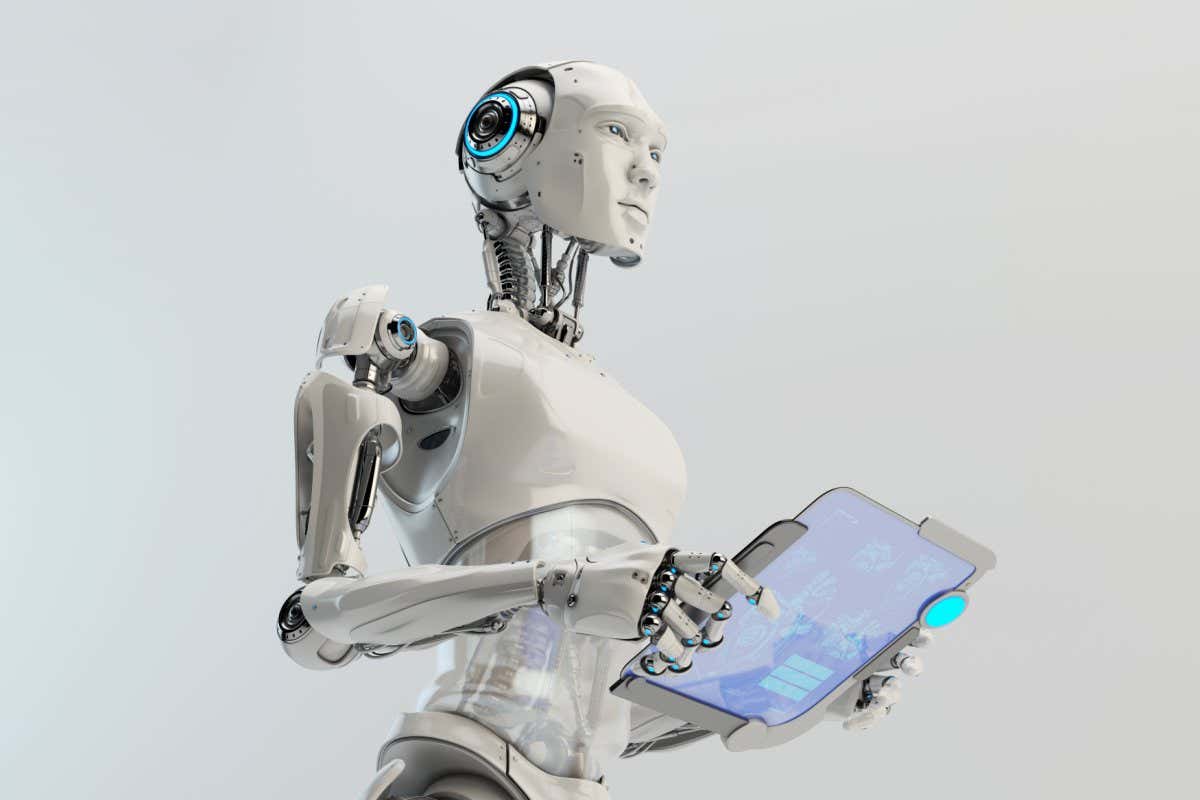
Robot doctor analyzing heart work with tablet, 3d rendering; Shutterstock ID 1466384780; purchase_order: -; job: -; client: -; other: -

Medical AIs are advancing - when will they be in a clinic near you?

25 January 2023

Trained on real electronic health records, medical AIs are making rapid progress. How long before we see these tools widely used in the clinic, wonders Alex Wilkins


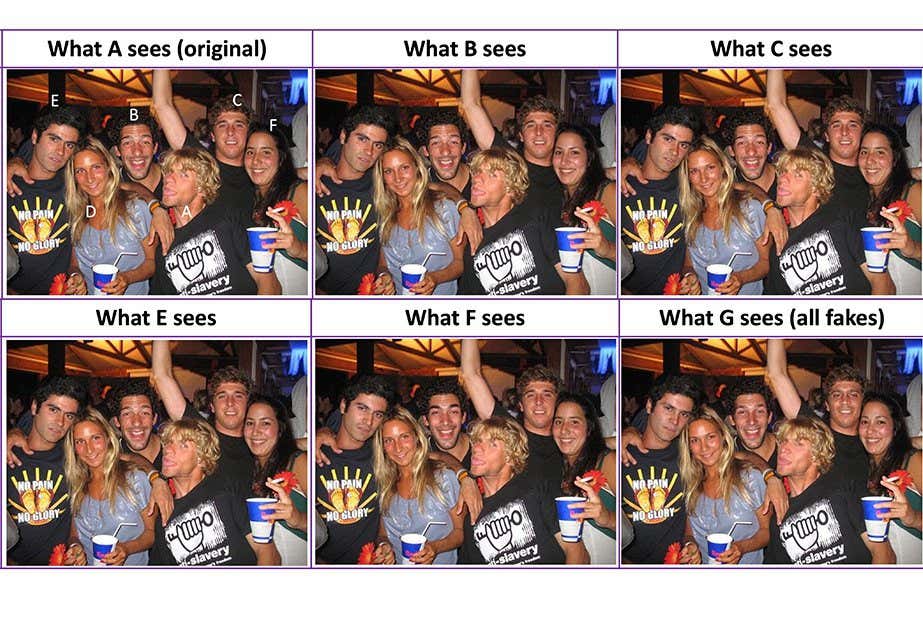
Multiple versions of a group photo with faces altered

AI-generated deepfake faces could help protect privacy on social media

18 November 2022

Algorithms that generate fake faces could be used to change people’s appearance in photos they don’t want to be shared


Artwork of nodes in a network

‘Artificial synapse’ could make neural networks work more like brains

28 July 2022

Networks of nanoscale resistors that work in a similar way to nerve cells in the body could offer advantages over digital machine learning


Sign up to our weekly newsletter

Receive a weekly dose of discovery in your inbox. We'll also keep you up to date with New Scientist events and special offers.

Sign up
Piano Exit Overlay Banner Mobile Piano Exit Overlay Banner Desktop