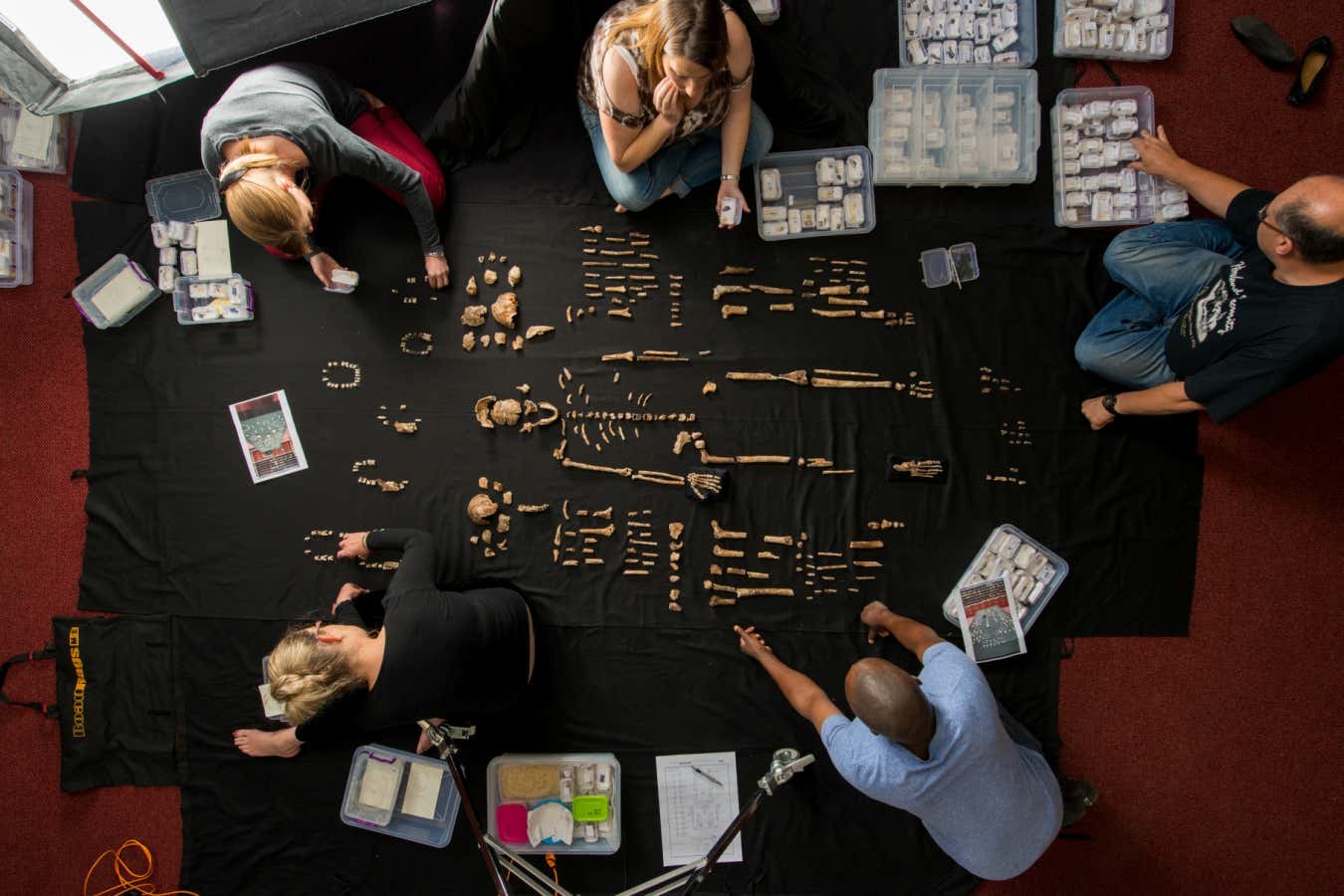
Homo naledi may have made etchings on cave walls and buried its dead
5 June 2023
New discoveries suggest that Homo naledi, an ancient and primitive hominin, may have displayed complex behaviour despite its small brain
5 June 2023
New discoveries suggest that Homo naledi, an ancient and primitive hominin, may have displayed complex behaviour despite its small brain
12 April 2023
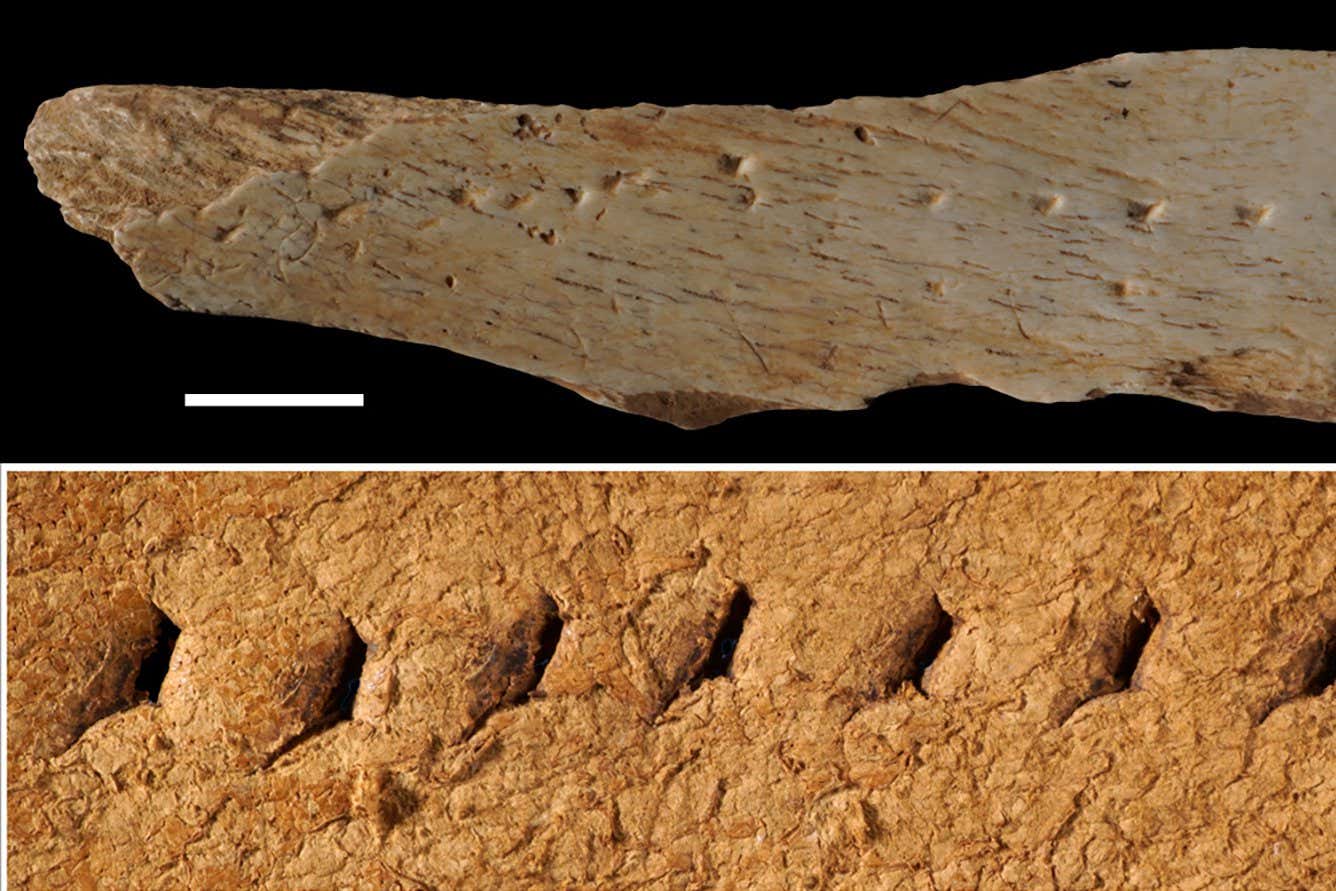
A study of an ancient bone from Spain with a strange pattern of notches hints that it was used by early Homo sapiens in Europe as a punch board for making holes in leather
4 January 2023
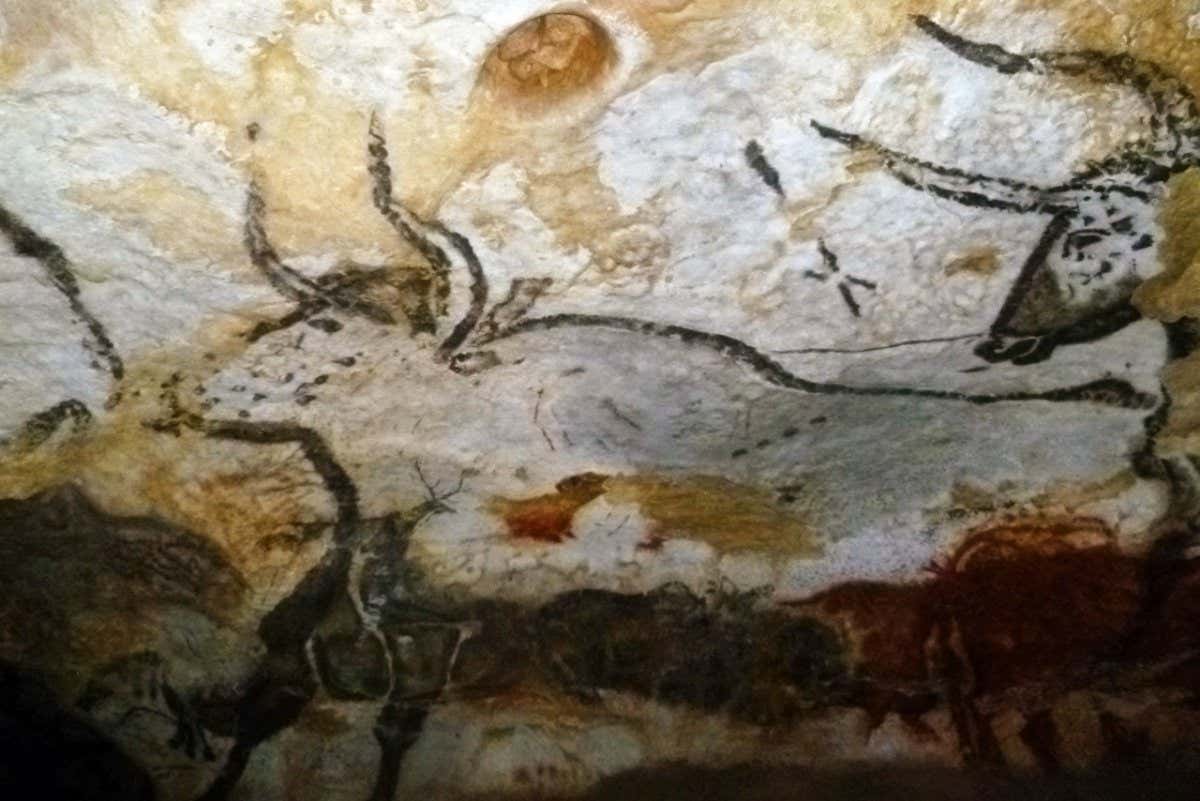
Stone Age people in Europe appear to have recorded the reproductive habits of animals with markings on cave paintings, hinting at the early origins of writing
6 December 2022
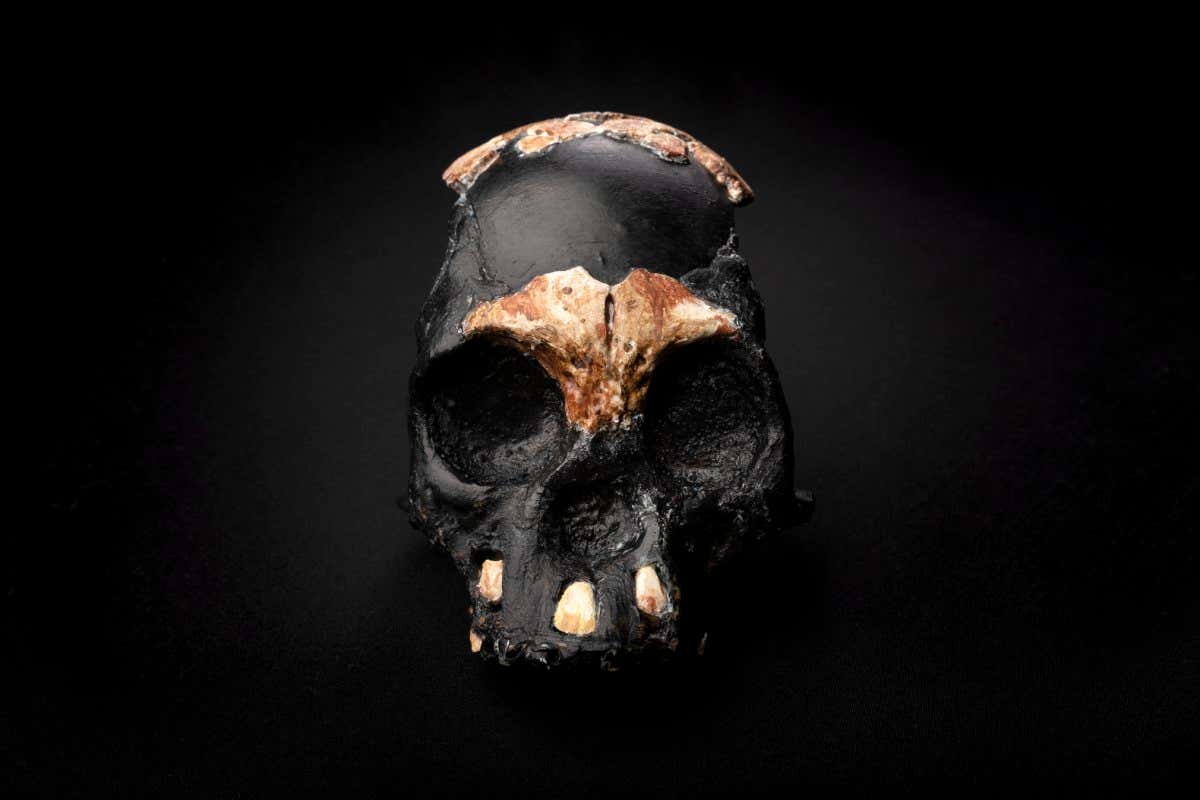
Archaeologists say they have found evidence that Homo naledi, an extinct human species with a tiny brain, used fire to cook and light up dark tunnels – though this claim remains controversial
22 July 2022
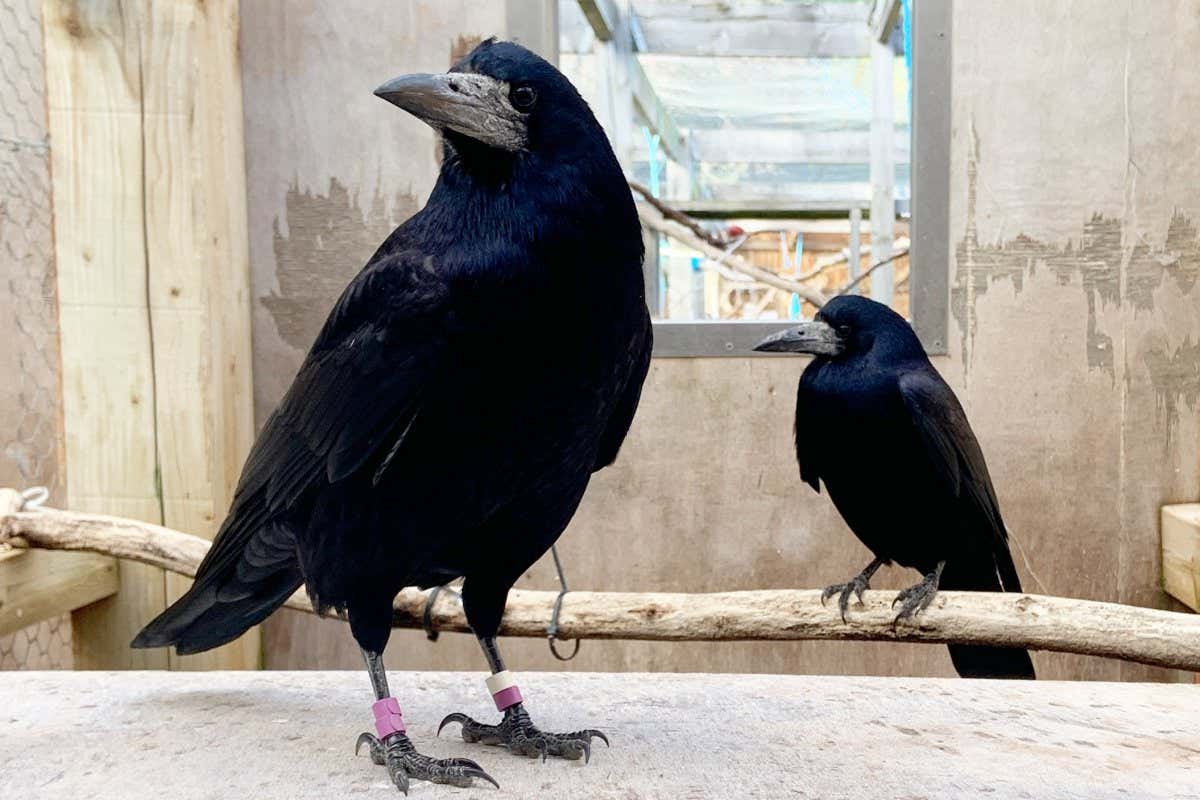
The "corvid palace", a renowned UK centre for research on intelligence in crows and their kin that was due to be shut down this month, has been saved by a campaign kick-started by a New Scientist article
13 May 2022
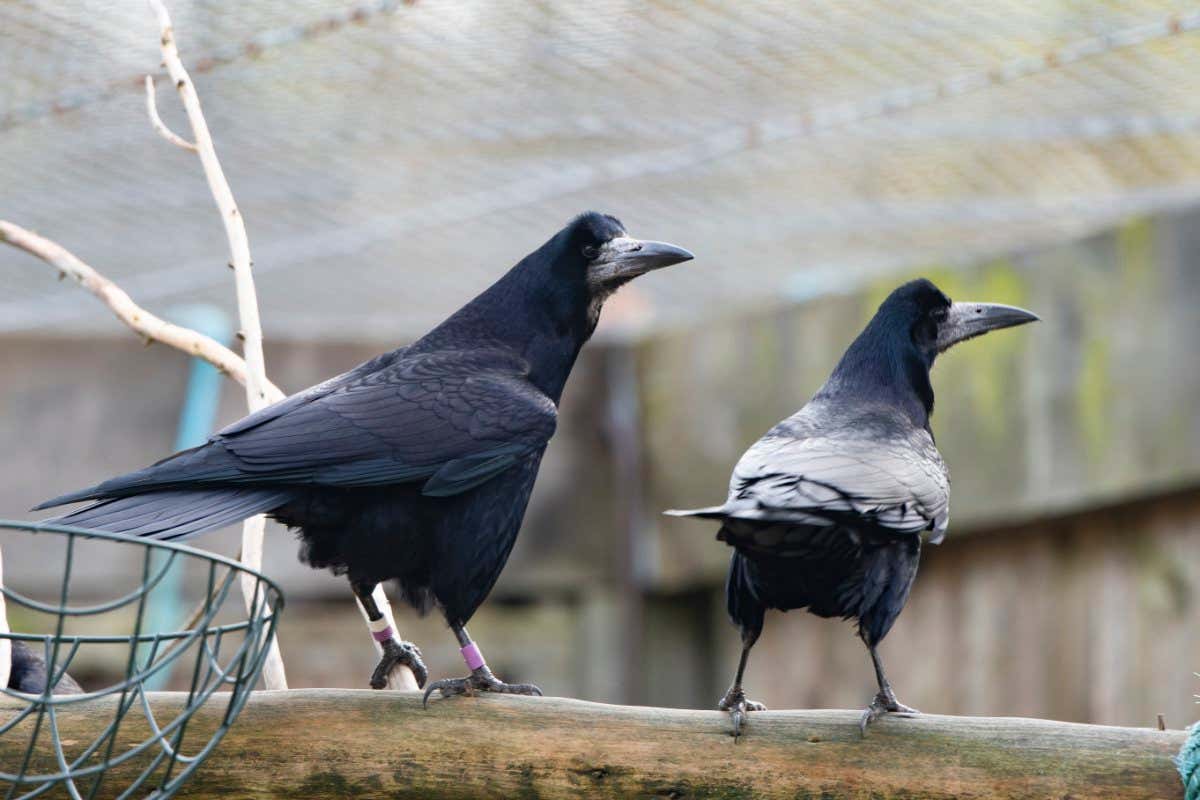
A seminal research lab that has revolutionised our understanding of the minds of rooks and jays is set to be closed down as funding dries up

2 March 2022
The sarsen stones of the Stonehenge monument could have been designed as a calendar to track a solar year, with each of the stones in the large sarsen circle representing a day within a month
25 November 2021
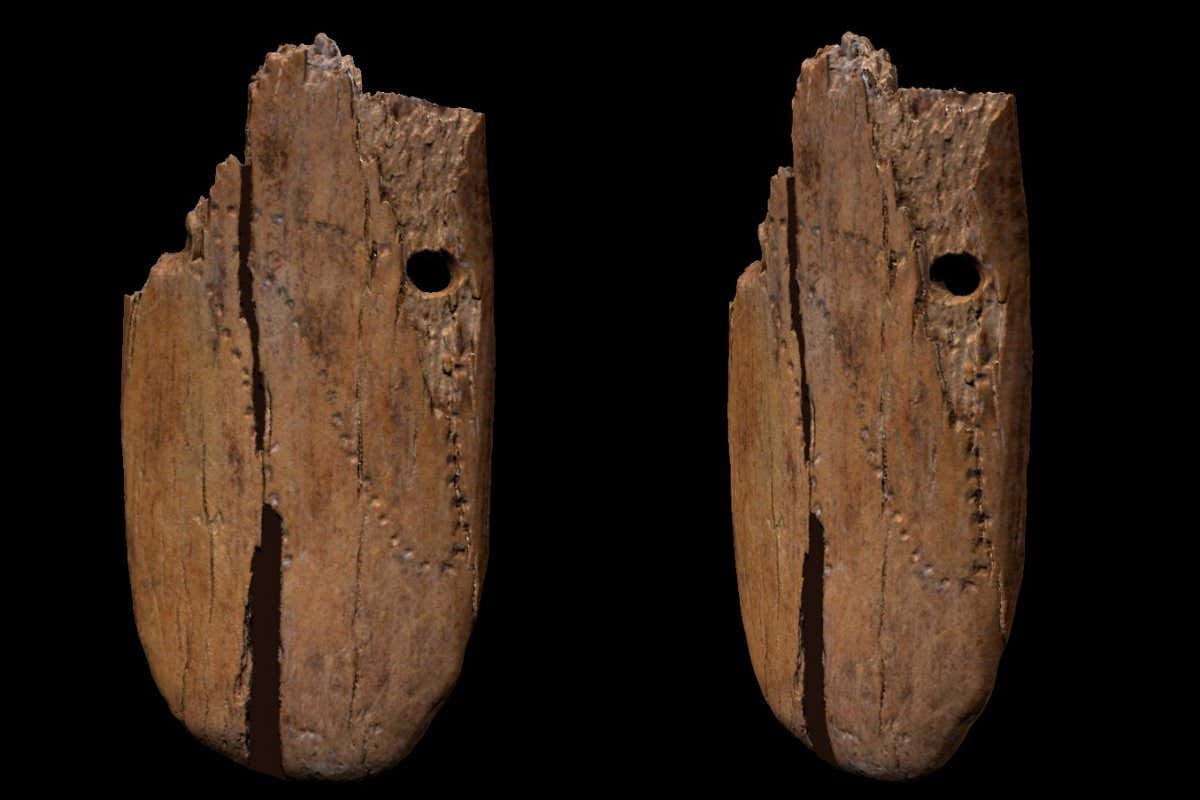
A pendant carved with mysterious dots and unearthed in a Polish cave is thought to be over 40,000 years old
25 June 2021
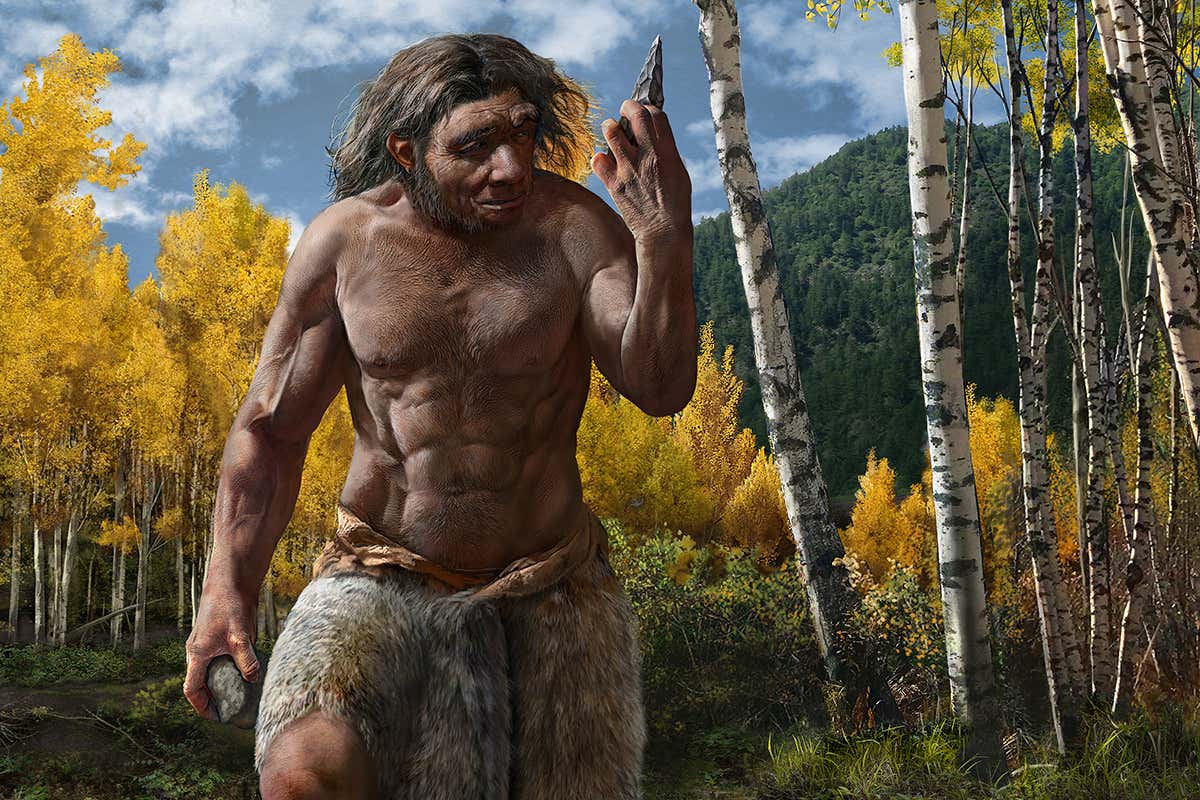
A large skull belonging to an ancient human that was found in China has been classified as a new species called Homo longi – but critics say the skull might actually have belonged to a Denisovan
5 May 2021
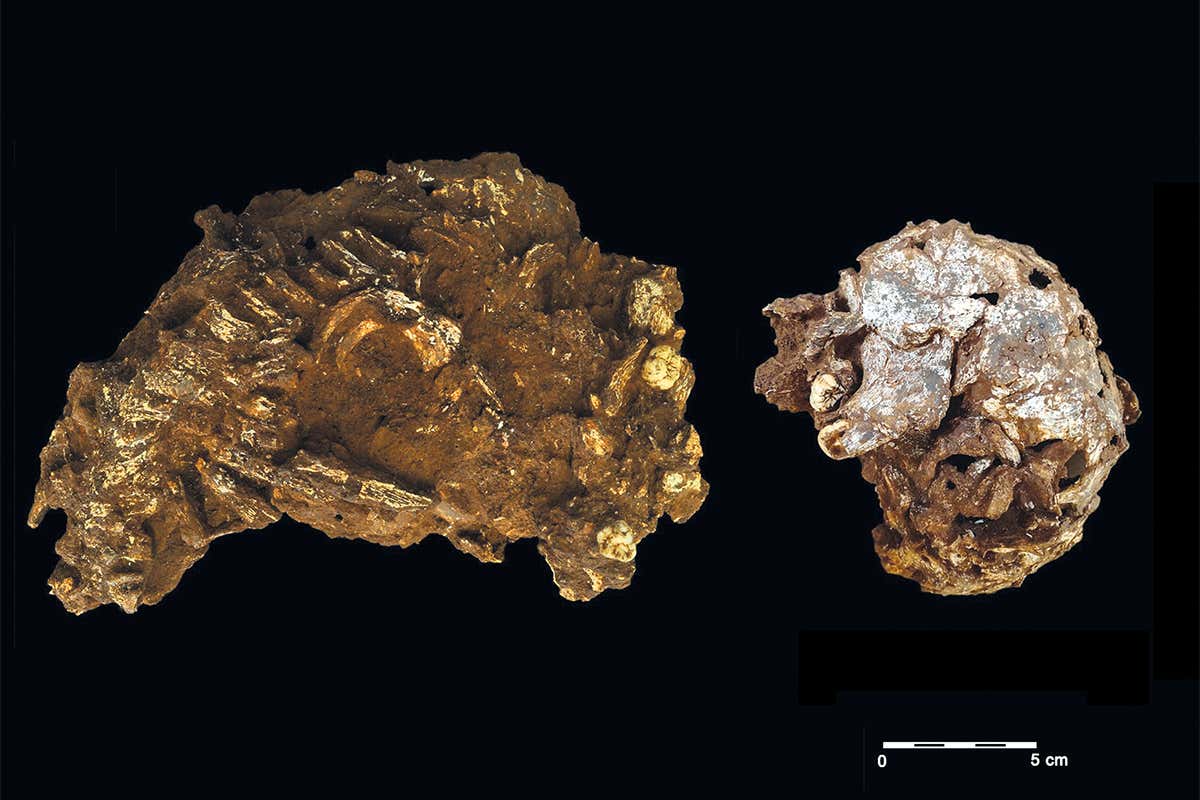
The oldest known burial in Africa is of a 3-year-old child who died around 78,000 years ago, shedding light on how people in the region cared for their dead at that time
