Subscribe now
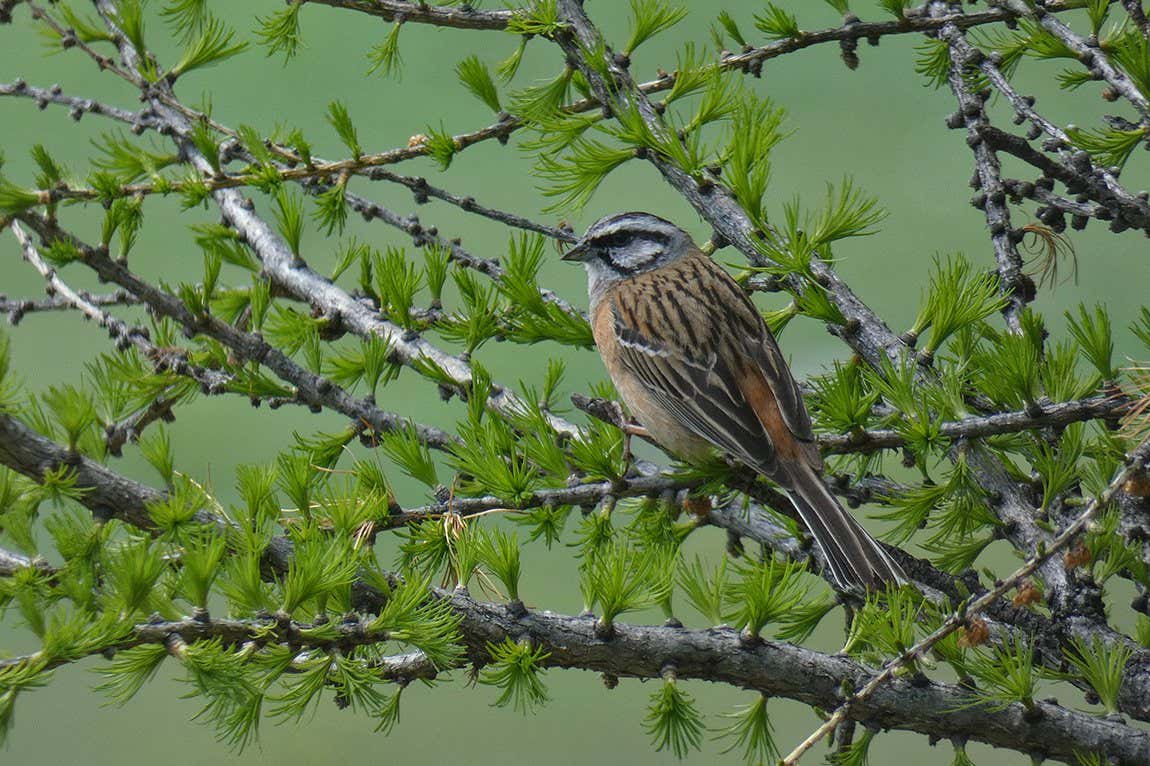
rock bunting

Avalanches create habitats for a wider range of birds in the Alps

14 February 2023

Massive flows of snow down mountain slopes can clear out dense forest and make way for shrubs and smaller trees, allowing a more diverse range of bird species to live in the affected area
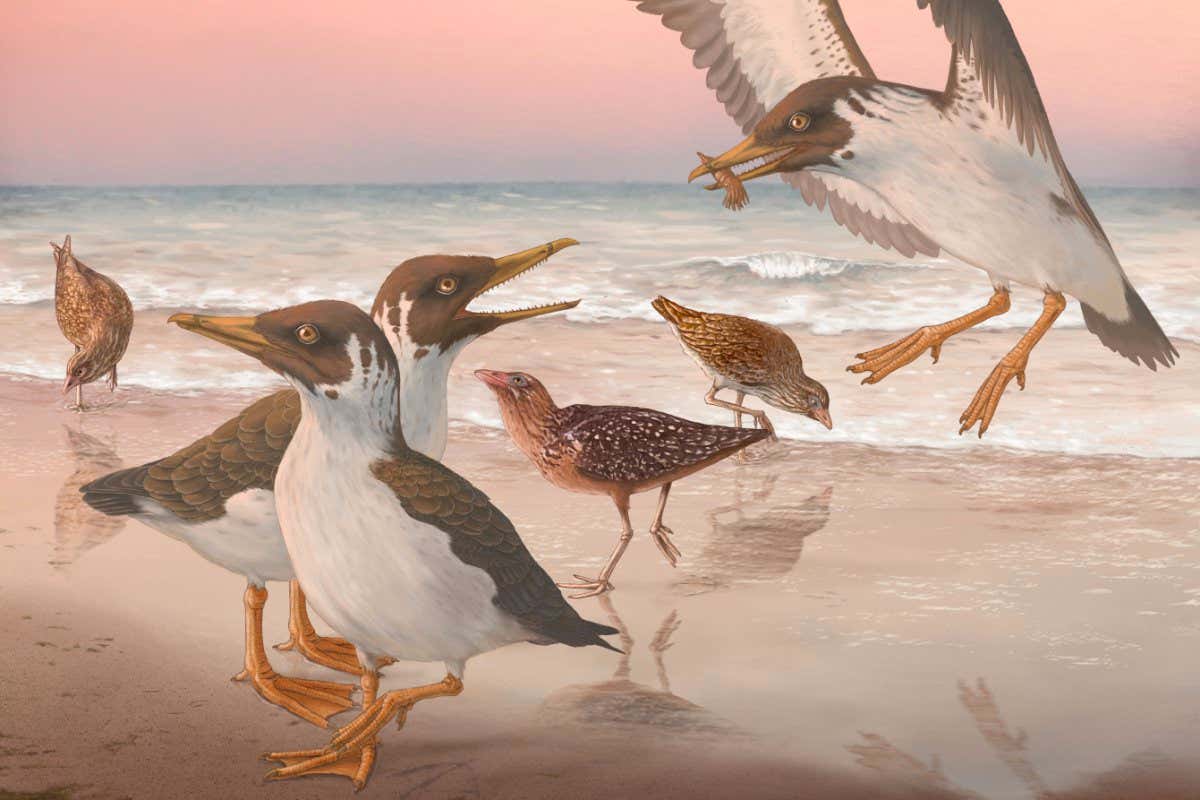
Artist’s reconstruction of Janavis finalidens, a very large marine bird from the late Cretaceous

Ancient bird with a movable beak rewrites the story of avian evolution

30 November 2022

A skull bone from 67 million years ago reveals that ancestors of modern birds had jointed beaks, not immobile ones as biologists have long thought


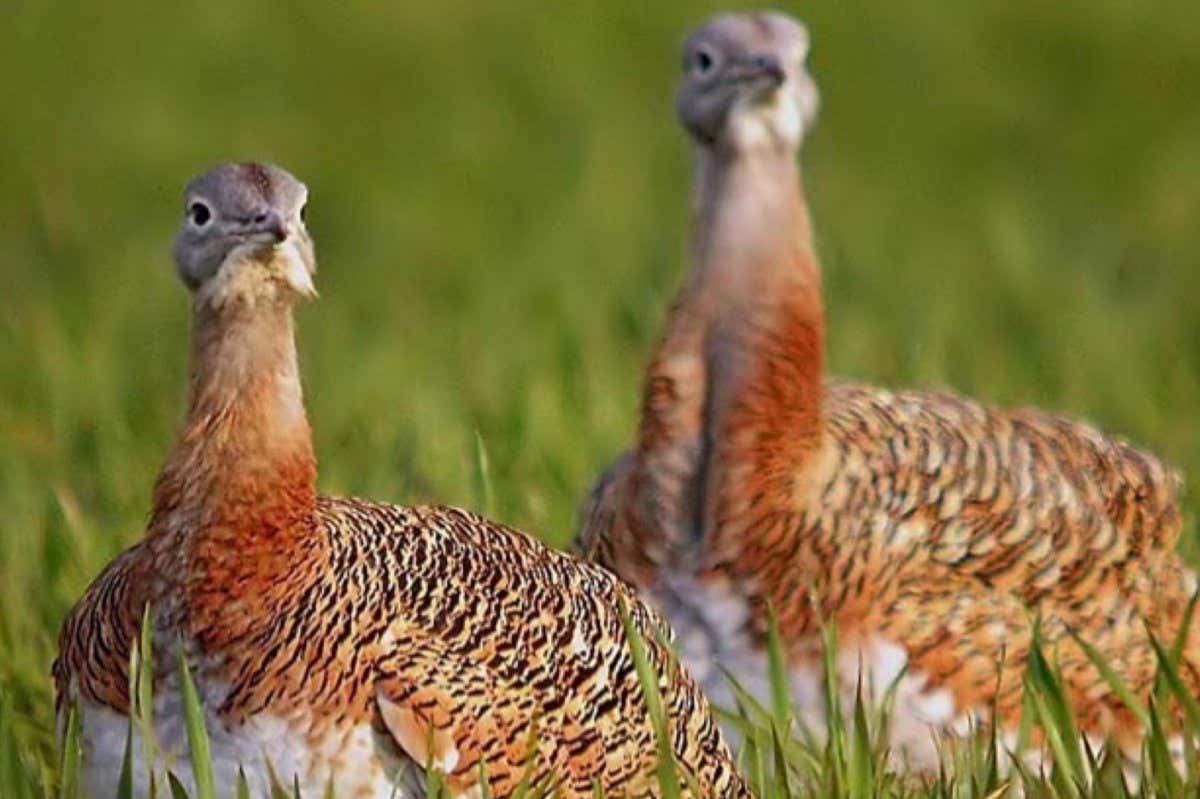
Great bustards

Bustards may use plants to treat STIs during the breeding season

23 November 2022

Male great bustards seek out two toxic plants during the birds' breeding season, and extracts from these plants have been found to kill common pathogens in the lab


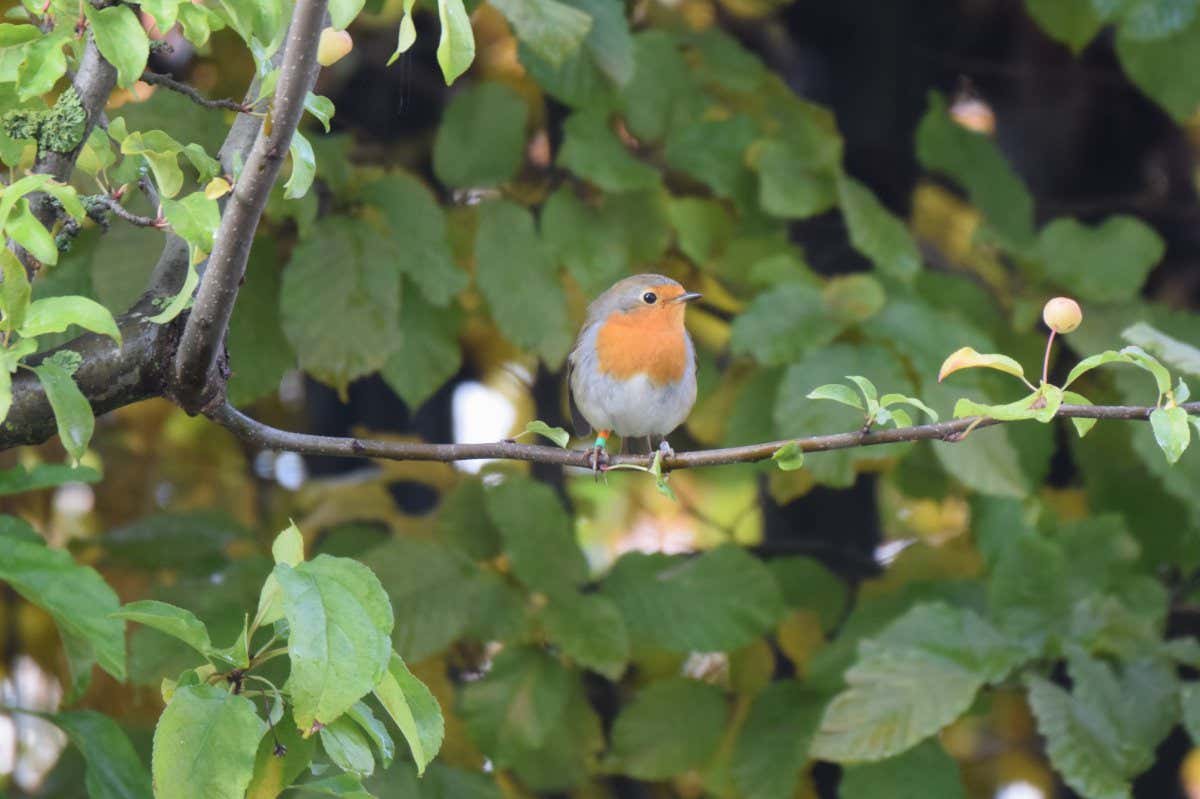
Female robin

Scientists finally realised female robins sing just as well as males

18 October 2022

An analysis of the songs of male and female European robins adds to growing evidence that both sexes of songbirds are talented singers


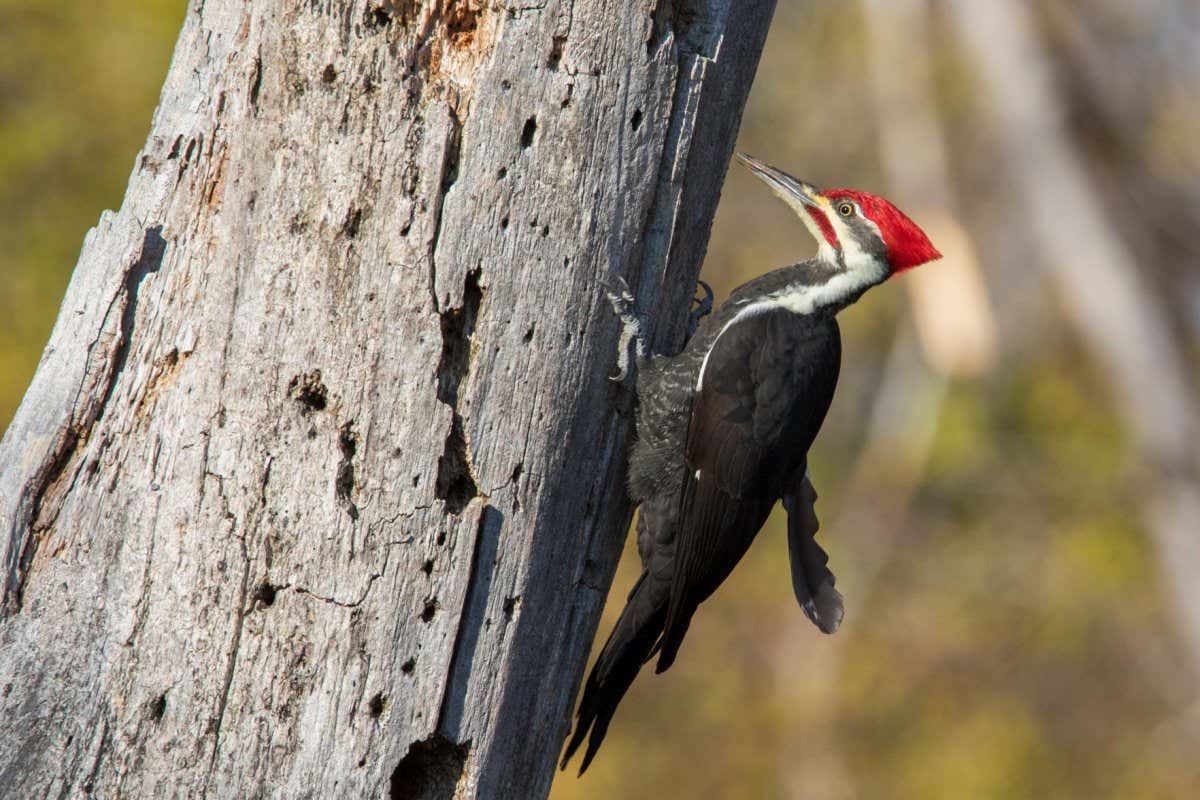
Male pileated woodpecker

Woodpeckers don't have built-in shock absorbers to protect their brain

14 July 2022

It was thought that spongy bone in woodpeckers’ heads cushioned their brains from hard knocks, but in fact their skulls are stiff like a hammer


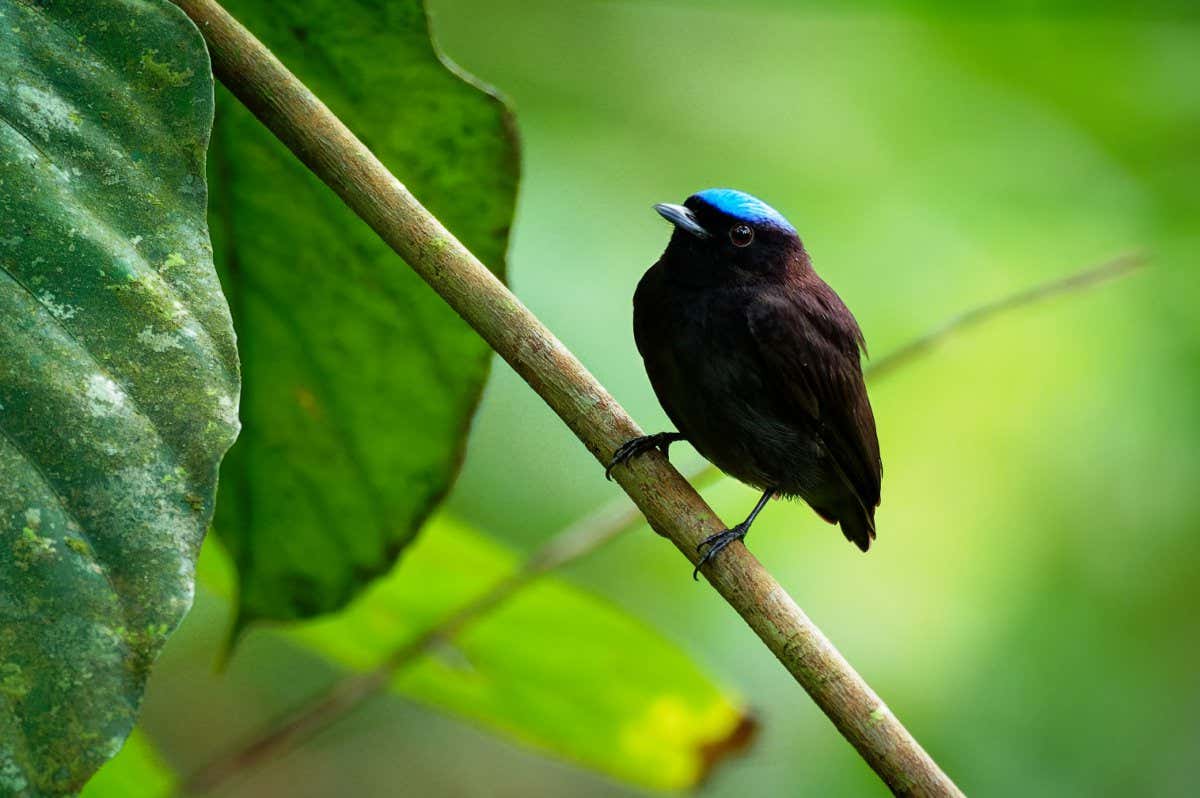
Blue-crowned manakin - Lepidothrix coronata bird in the Pipridae family. The males have a brilliant blue cap, found in Bolivia, Brazil, Colombia, Costa Rica, Ecuador, Panama, Peru, Venezuela.; Shutterstock ID 1844902525; purchase_order: -; job: -; client: -; other: -

Male manakin birds with acrobatic mating dances evolved smaller bodies

3 May 2022

Some manakin males court females with elaborate aerial routines – and in these species, males have evolved to be more lightweight for extra agility


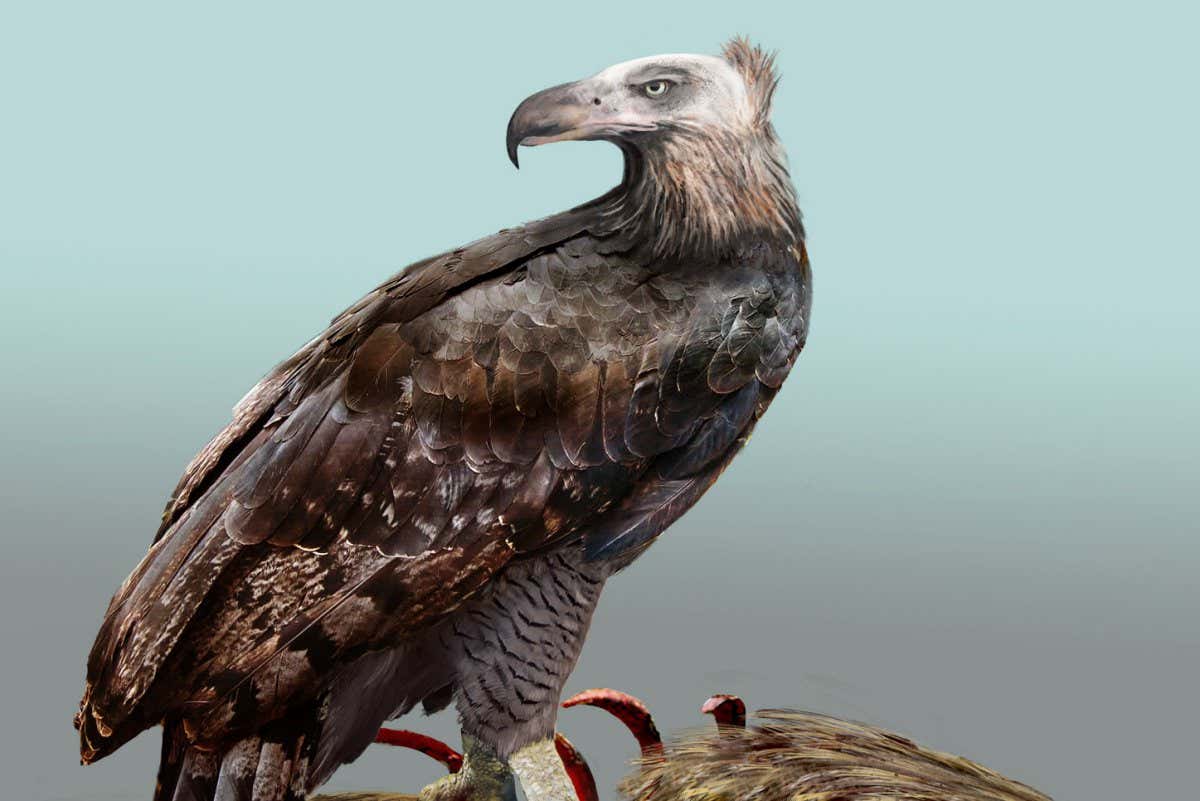
Crop - Reconstruction of the Haast?s eagle (Artist: Katrina Kenny)

Extinct New Zealand bird hunted like an eagle and ate like a vulture

1 December 2021

The Haast’s eagle had a beak and talons suited for capturing live prey, but its skull was adapted for ripping out organs


Sign up to our weekly newsletter

Receive a weekly dose of discovery in your inbox. We'll also keep you up to date with New Scientist events and special offers.

Sign up
Piano Exit Overlay Banner Mobile Piano Exit Overlay Banner Desktop