Subscribe now

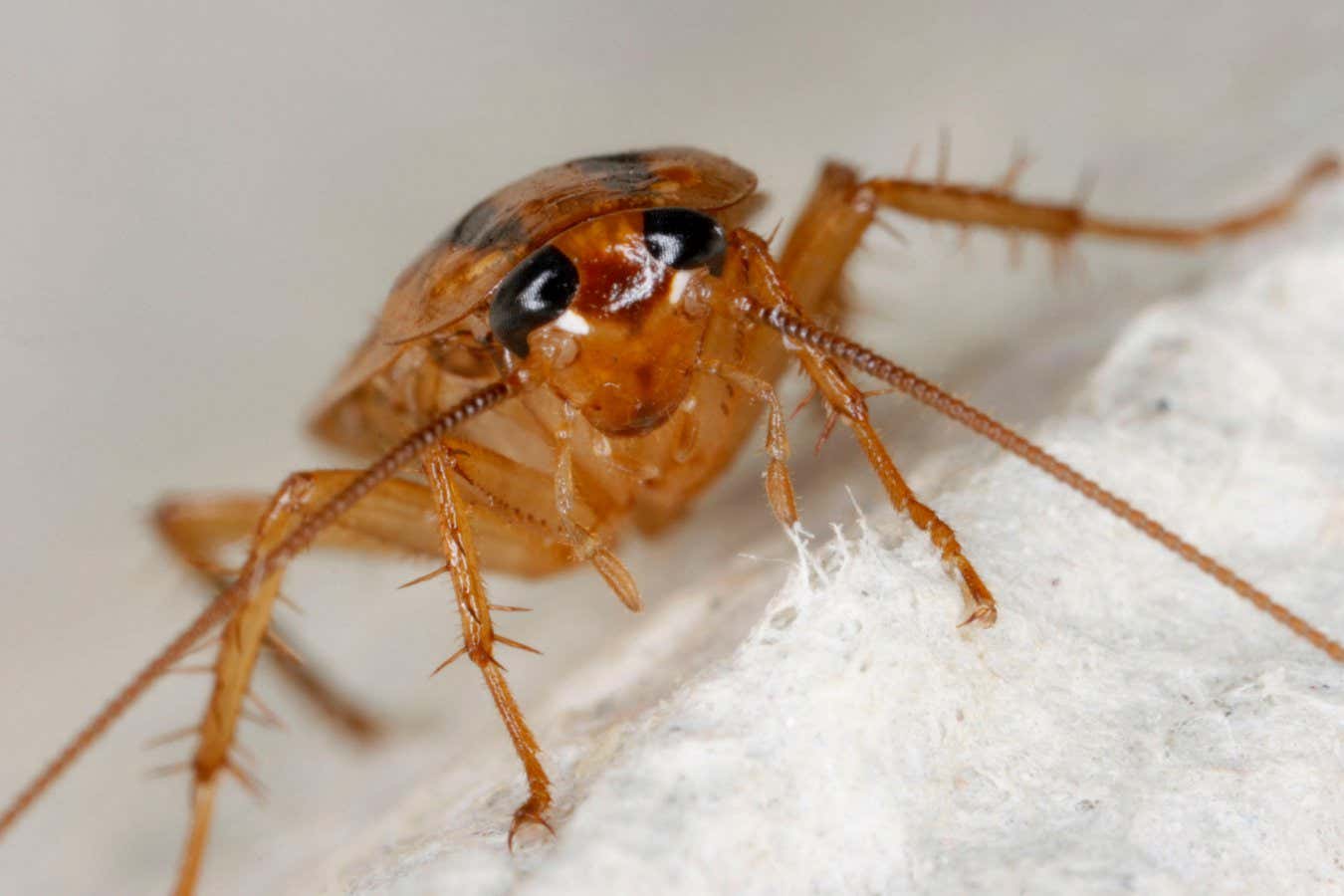
Our attempts to kill cockroaches forced them to evolve new sex moves

28 March 2023

Some male cockroaches have adapted their mating strategy to succeed with females that have developed a distaste for the sugar used in both poisonous baits and gifts from males
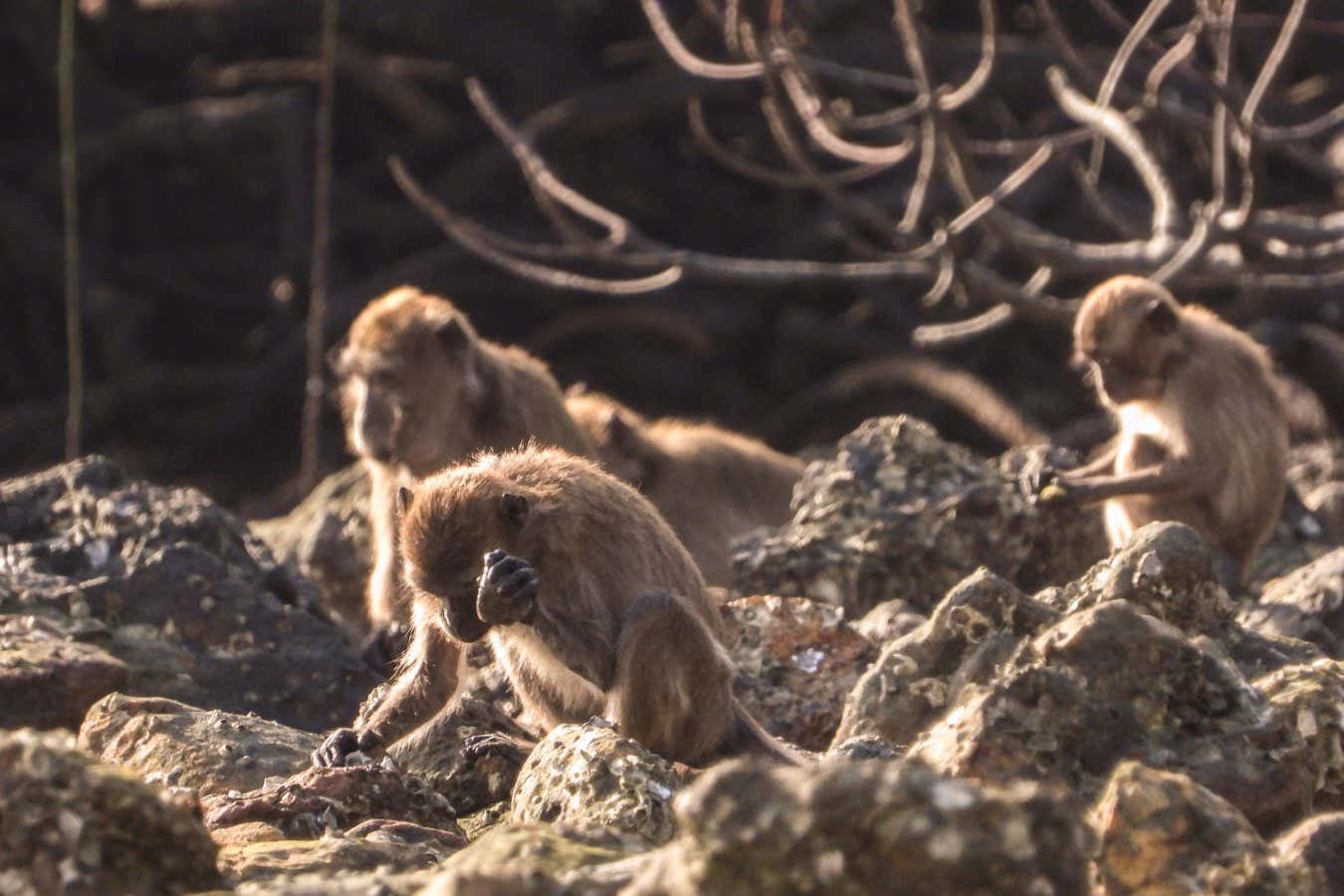
Stone flakes made by monkeys cast doubt on ancient human 'tools'

10 March 2023

When macaques use stones to crack nuts, they accidentally create flakes that look like early human artefacts, raising questions about whether such objects were made deliberately


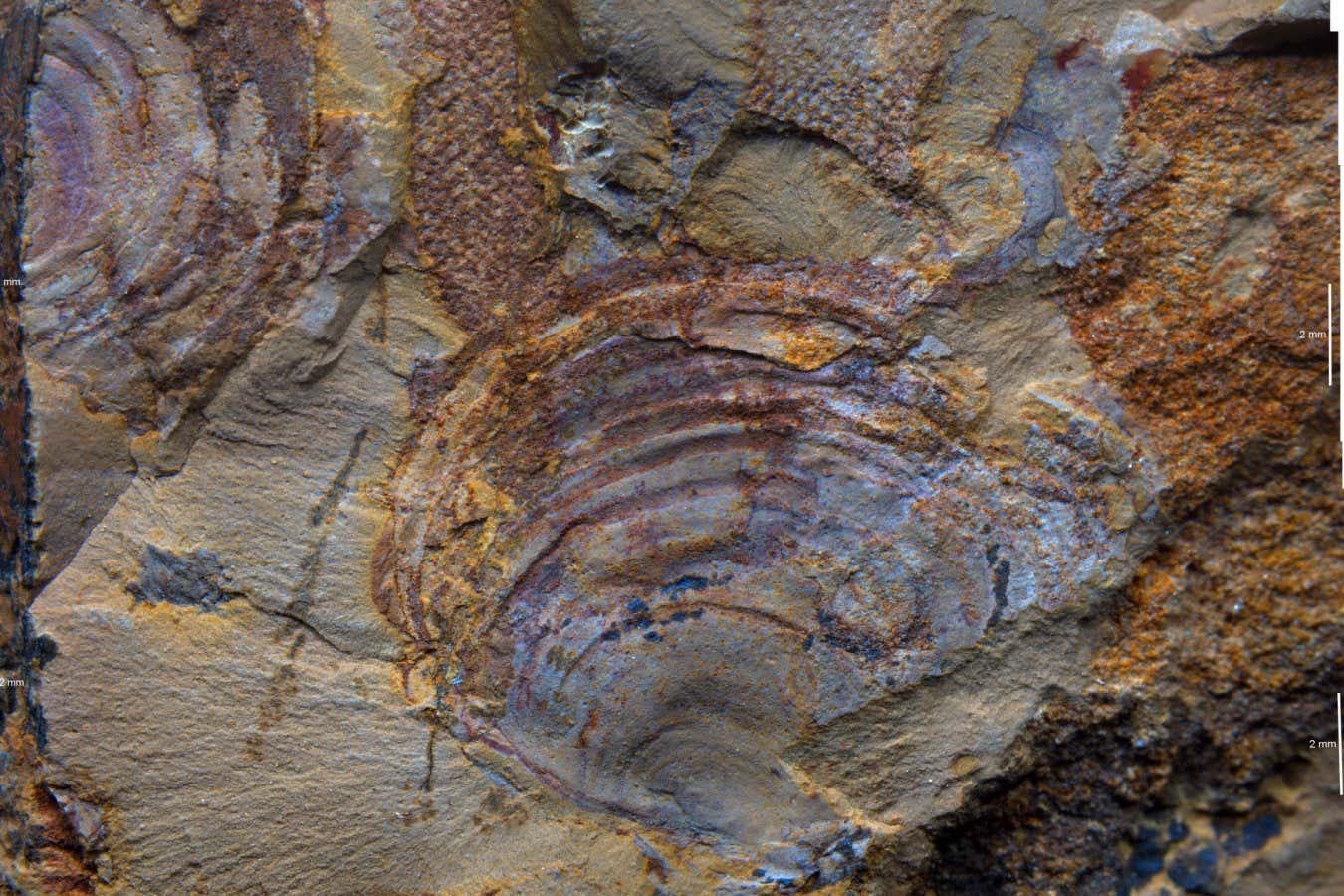
Caption: New fossils of Protomelission from the Xiaoshiba biota, showing attachment of the alga to a brachiopod shell. Credit: Zhang Xiguang

Fossil thought to be earliest bryozoan animal may actually be seaweed

8 March 2023

The Cambrian fossil Protomelission was identified in 2021 as a type of coral-like animal called a bryozoan, but new specimens make it look more like a kind of green algae


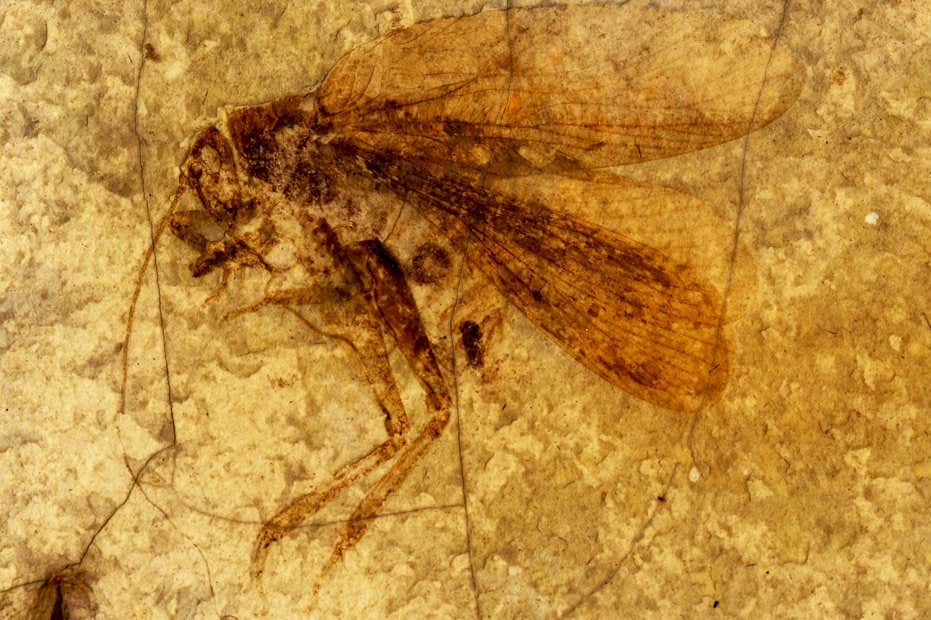
A male katydid fossil from the Early Cretaceous period

Fossils reveal the dinosaur era's changing insect soundscape

12 December 2022

Bush crickets from the Triassic era onwards evolved high-frequency songs to avoid being heard by predators


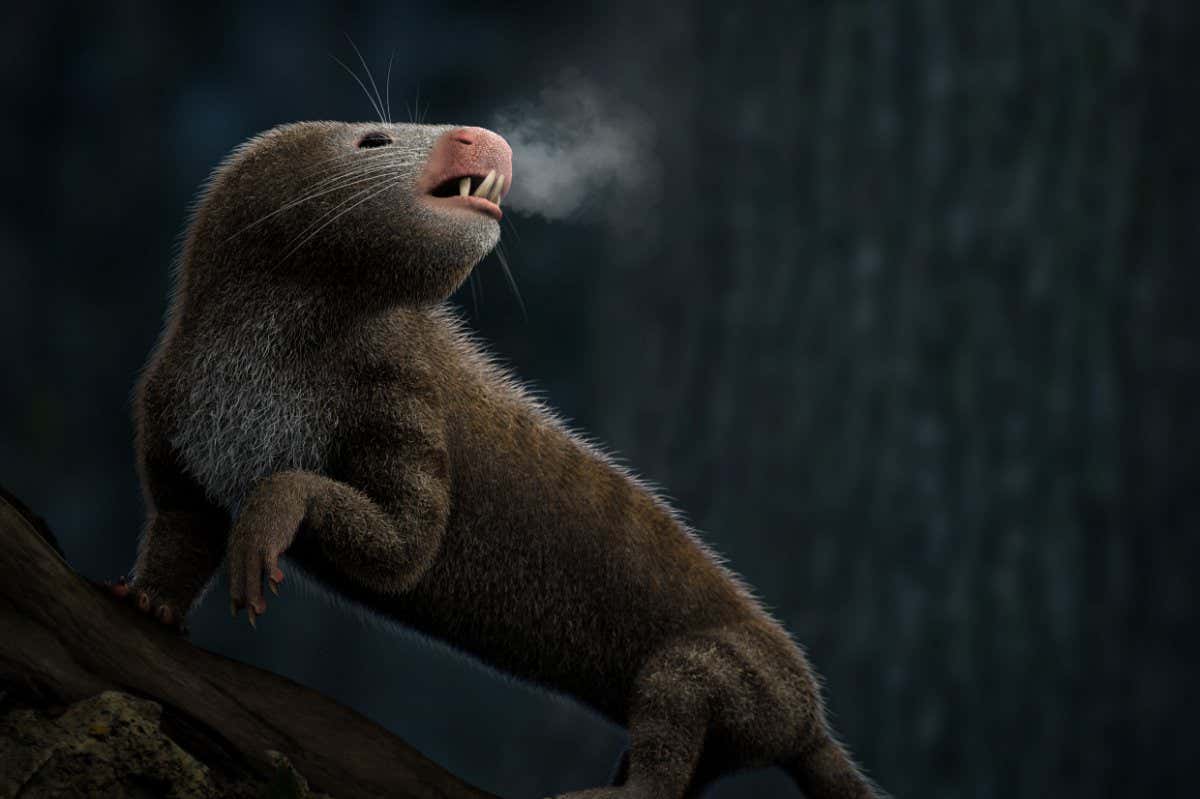
Illustration of a warm-blooded ancestor of mammals

Ear anatomy shows warm-blooded animals evolved 233 million years ago

20 July 2022

Analysis of inner ear canals from hundreds of modern and fossil animals shows that warm-bloodedness appeared abruptly in the late Triassic


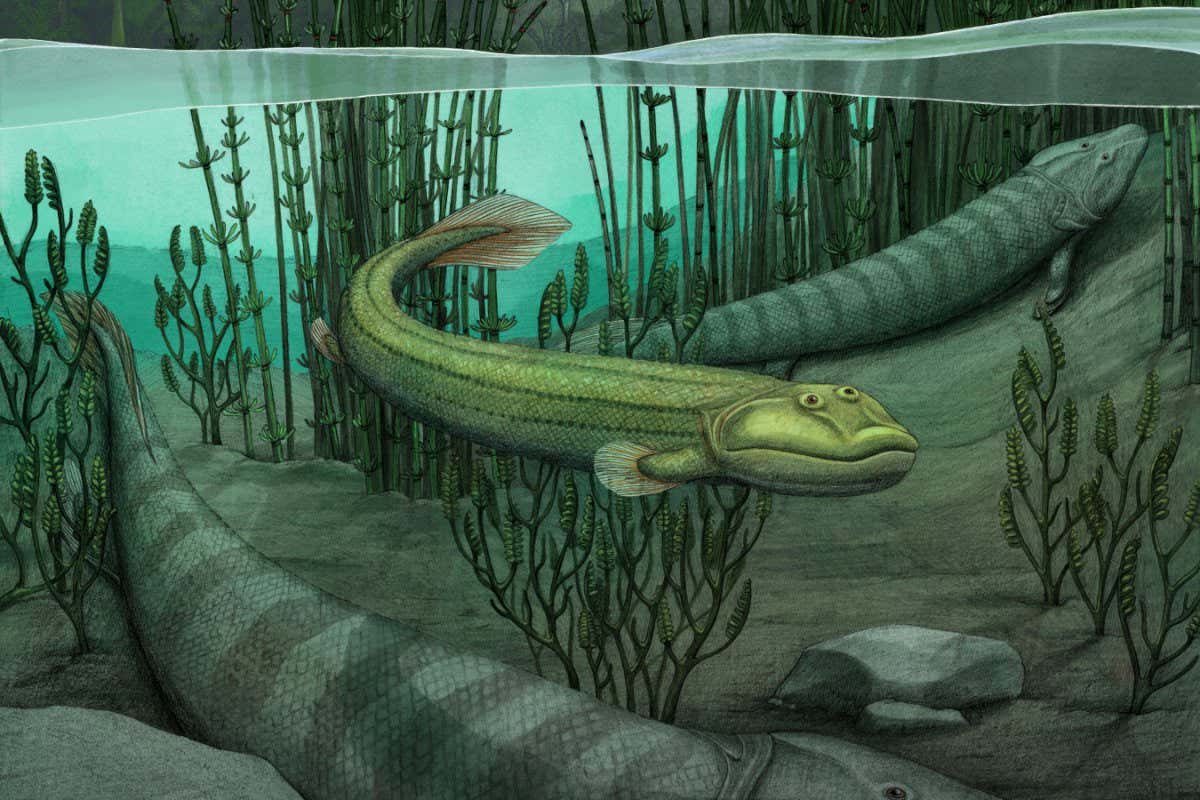
Illustration of Qikiqtania wakei in the water

A fish that evolved to stand up on land went back to living in water

20 July 2022

A fossil from 385 million years ago named Qikiqtania wakei shows that a descendant of early land animals lost its adaptations for land and became a more efficient swimmer


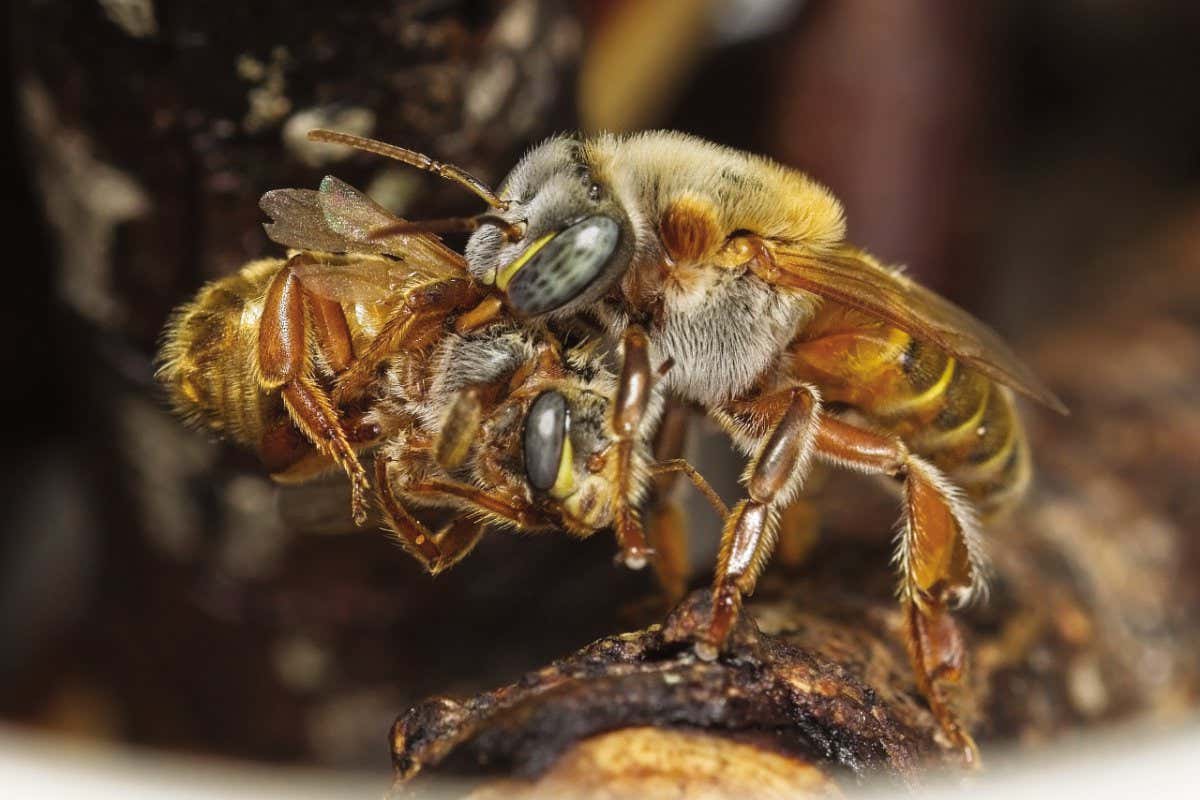
A worker bee is attacking a newly emerged queen

Some bee colonies have to kill thousands of ‘selfish’ wannabe queens

26 January 2022

About one-fifth of all Melipona beecheii stingless bee larvae develop as queens, but the colony accepts only one – the rest are executed by worker guards


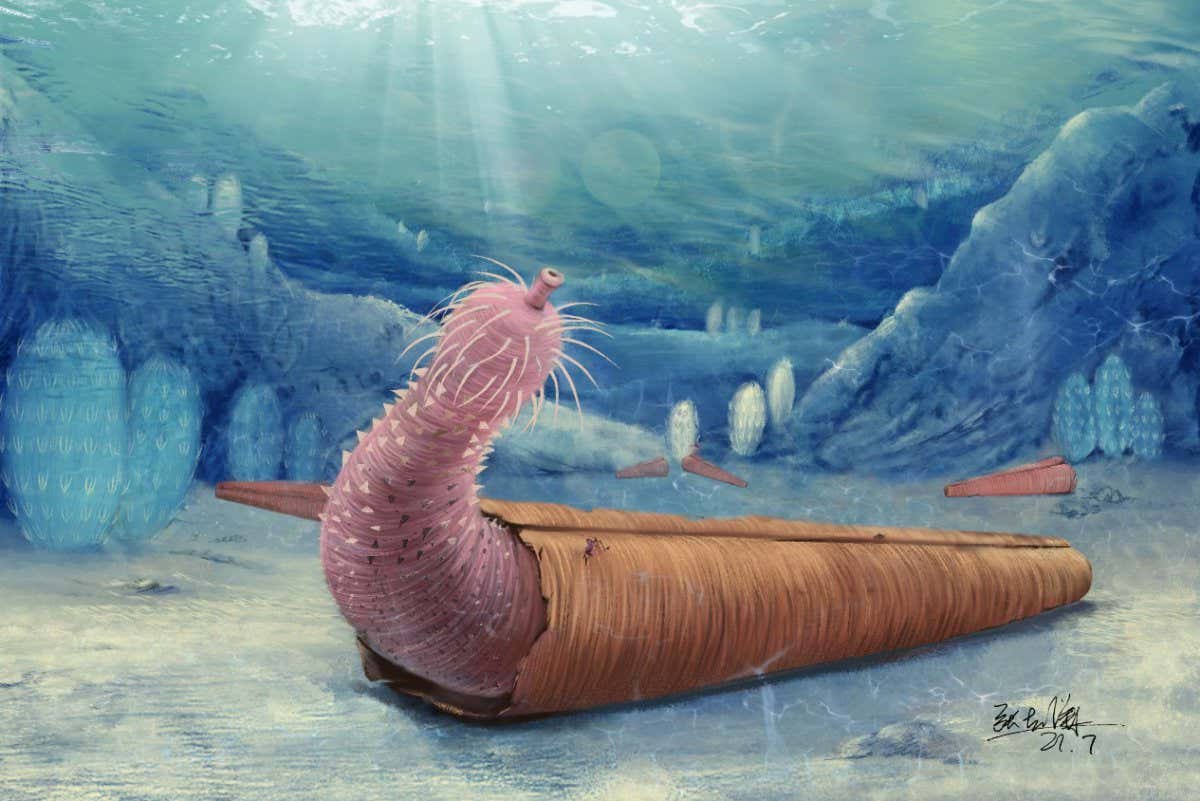
Eximipriapulus reconstruction

Penis worms had hermit crab-like defence system 530 million years ago

8 November 2021

More than half a billion years ago, tiny penis worms had learned to protect themselves by grabbing and living inside snail-like shells, like hermit crabs do today


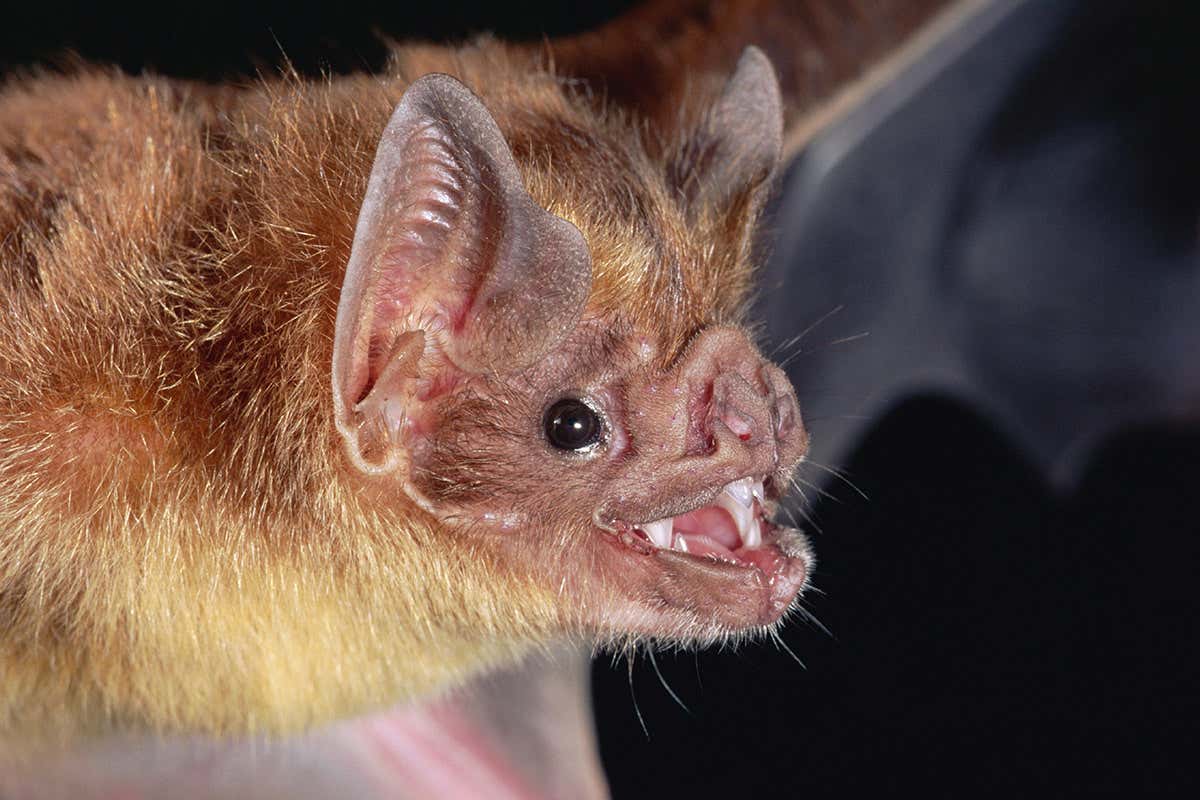
vampire bat

Vampire bats might avoid bitter substances to dodge indigestion

30 March 2021

Vampire bat taste receptors react to "bitter salts" like magnesium sulphate – perhaps because drinking water containing the salts might react badly with the blood the bats eat


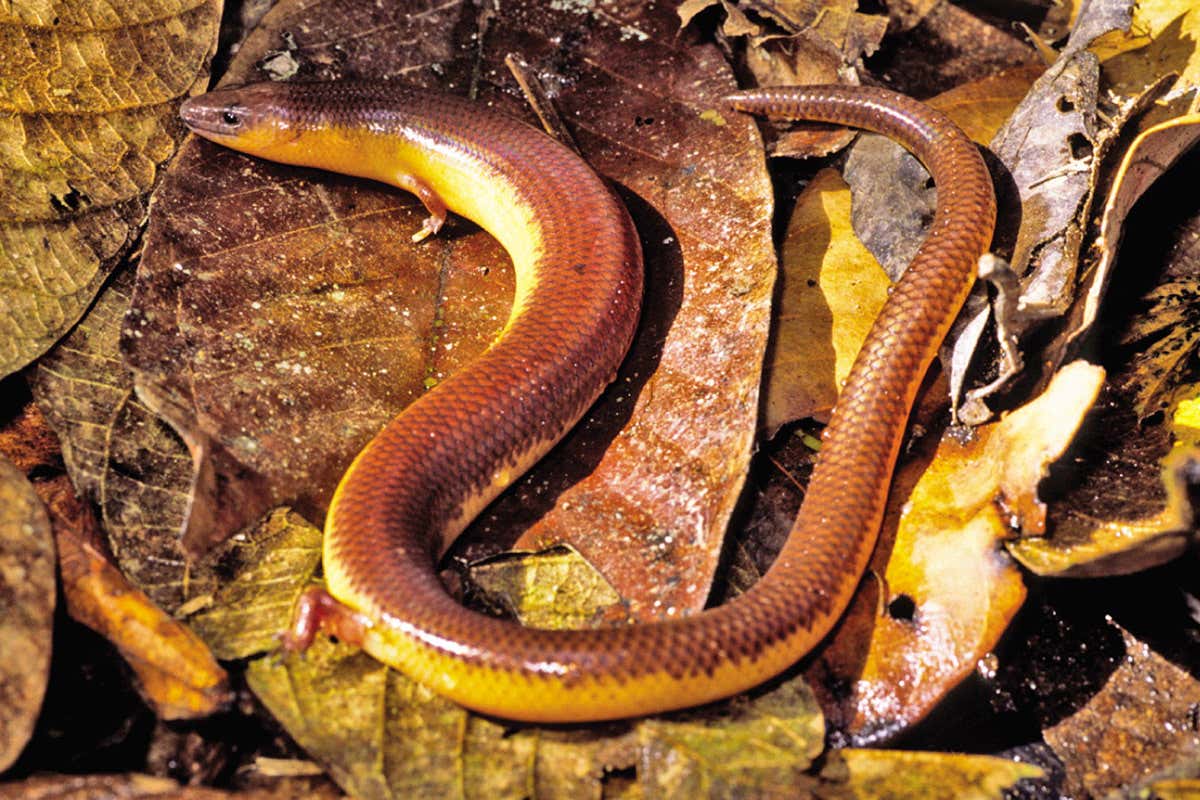
Lizards that lost their legs re-evolved them as the climate got wetter

Lizards that lost their legs re-evolved them as the climate got wetter

11 November 2020

The snake-like lizards of the Brachymeles genus began with four legs, lost them about 62 million years ago, and then 20 million years later regained them to deal with a wetter climate


Sign up to our weekly newsletter

Receive a weekly dose of discovery in your inbox. We'll also keep you up to date with New Scientist events and special offers.

Sign up
Piano Exit Overlay Banner Mobile Piano Exit Overlay Banner Desktop