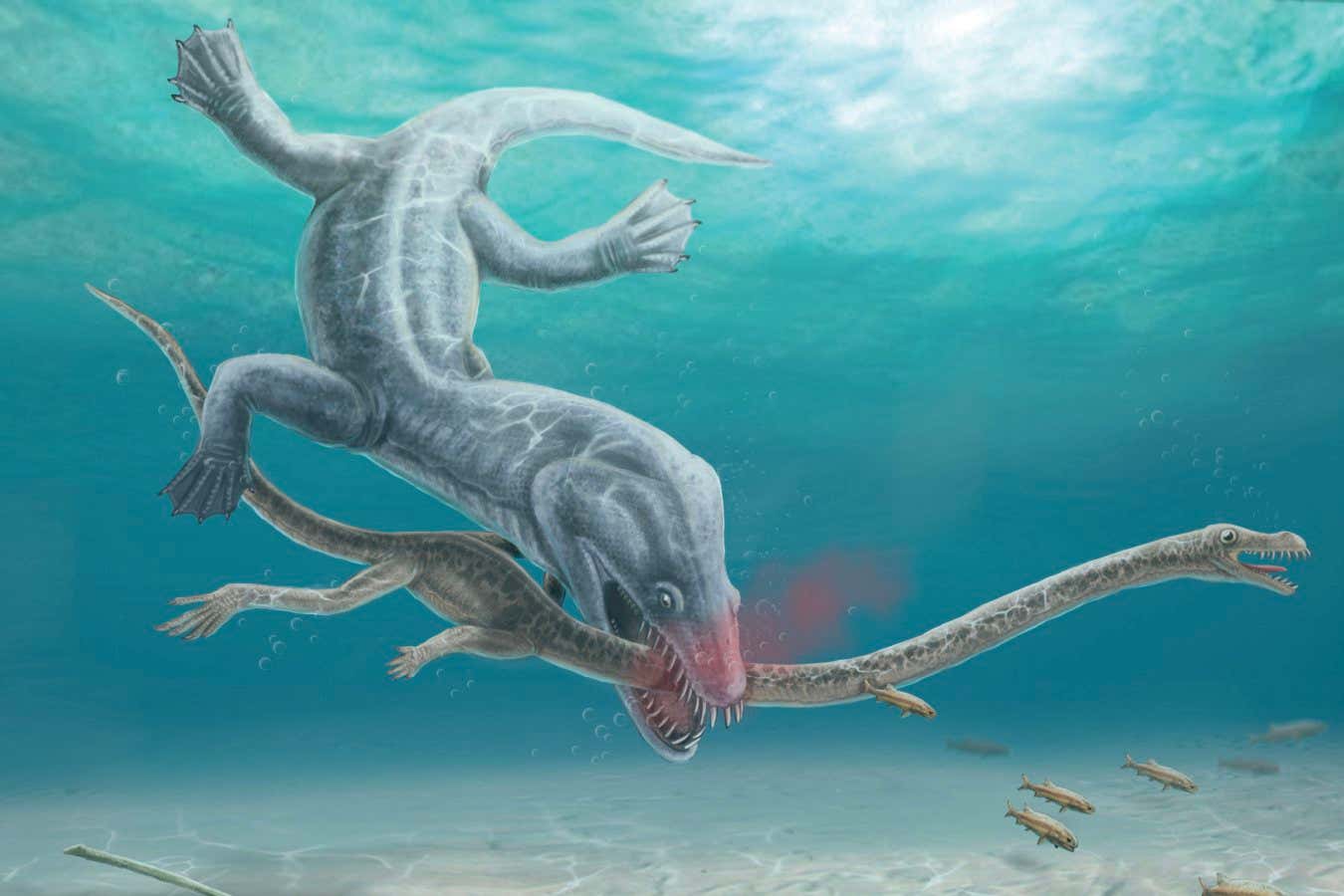
Ancient reptiles' long necks made them vulnerable to decapitation
19 June 2023
Extremely long necks probably helped ancient marine reptiles ambush prey in murky waters, but also made them easy targets for decapitation by predators
19 June 2023
Extremely long necks probably helped ancient marine reptiles ambush prey in murky waters, but also made them easy targets for decapitation by predators
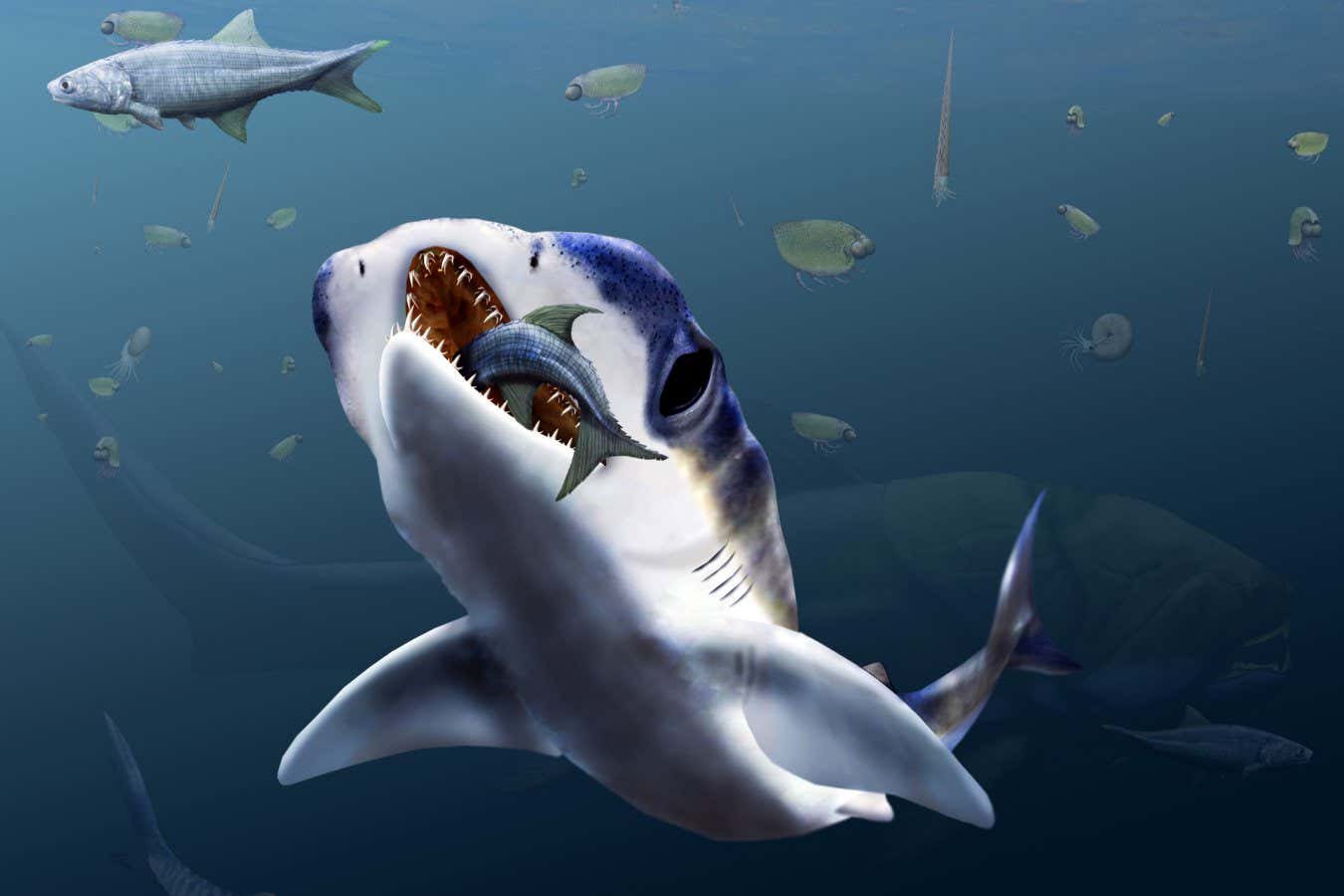
8 April 2023
Fossils found in Morocco show the sensory specialisation of a 365-million-year-old shark, given the species name Maghriboselache mohamezanei
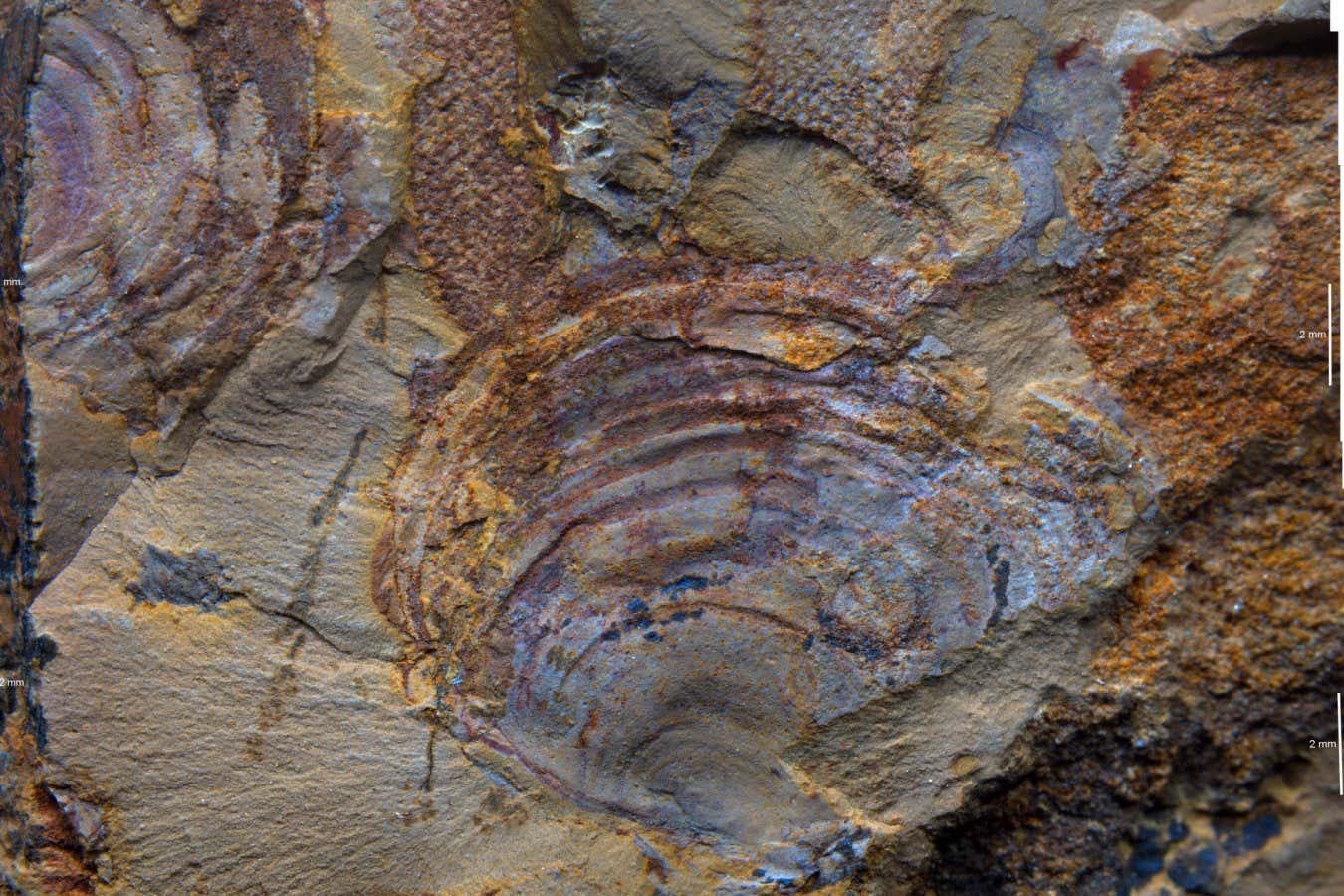
8 March 2023
The Cambrian fossil Protomelission was identified in 2021 as a type of coral-like animal called a bryozoan, but new specimens make it look more like a kind of green algae
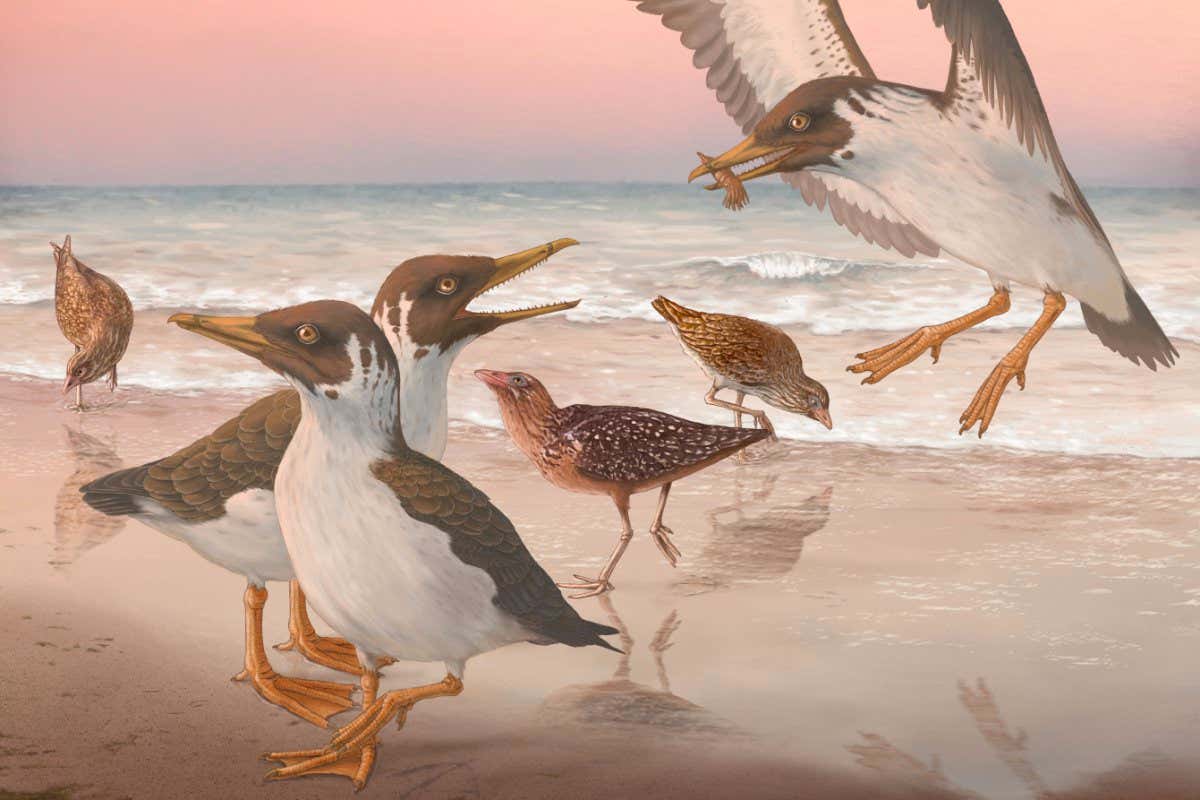
30 November 2022
A skull bone from 67 million years ago reveals that ancestors of modern birds had jointed beaks, not immobile ones as biologists have long thought

23 November 2022
An unexpected discovery in a piece of amber stored at Harvard University since the 1930s reveals that army ants once lived in Europe
20 July 2022
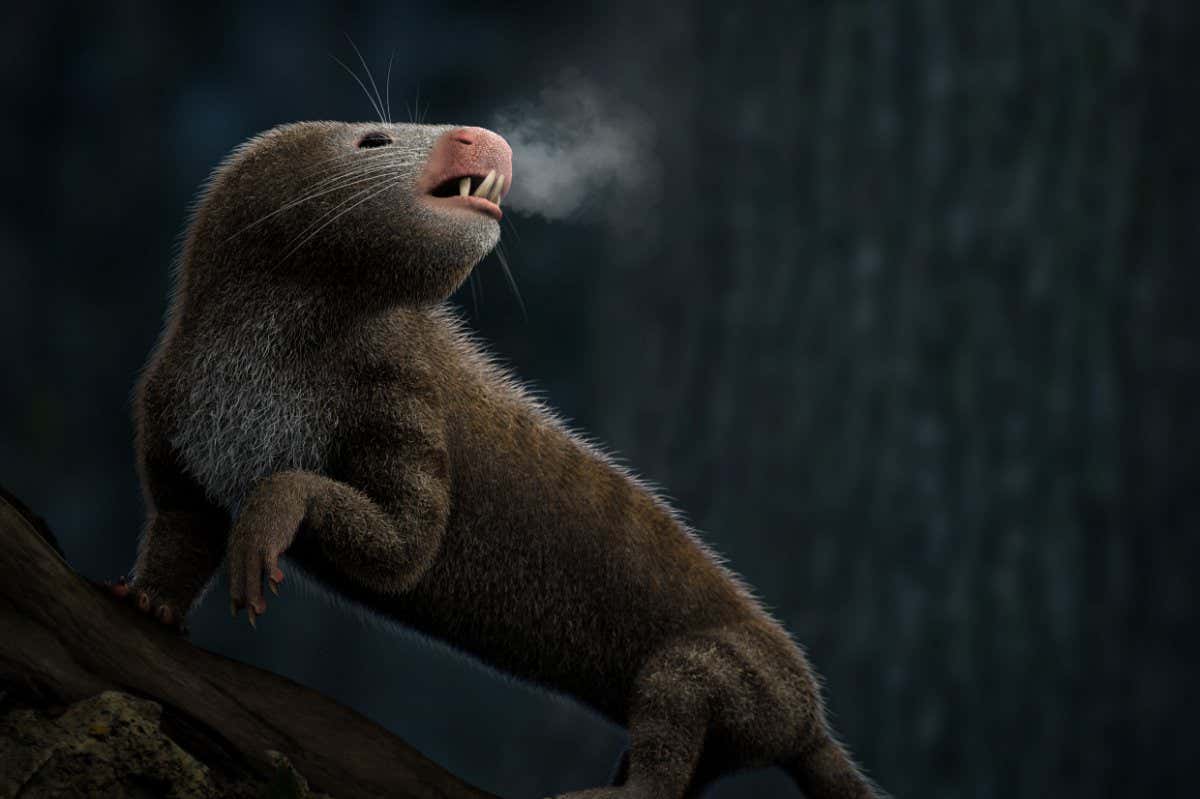
Analysis of inner ear canals from hundreds of modern and fossil animals shows that warm-bloodedness appeared abruptly in the late Triassic
20 July 2022
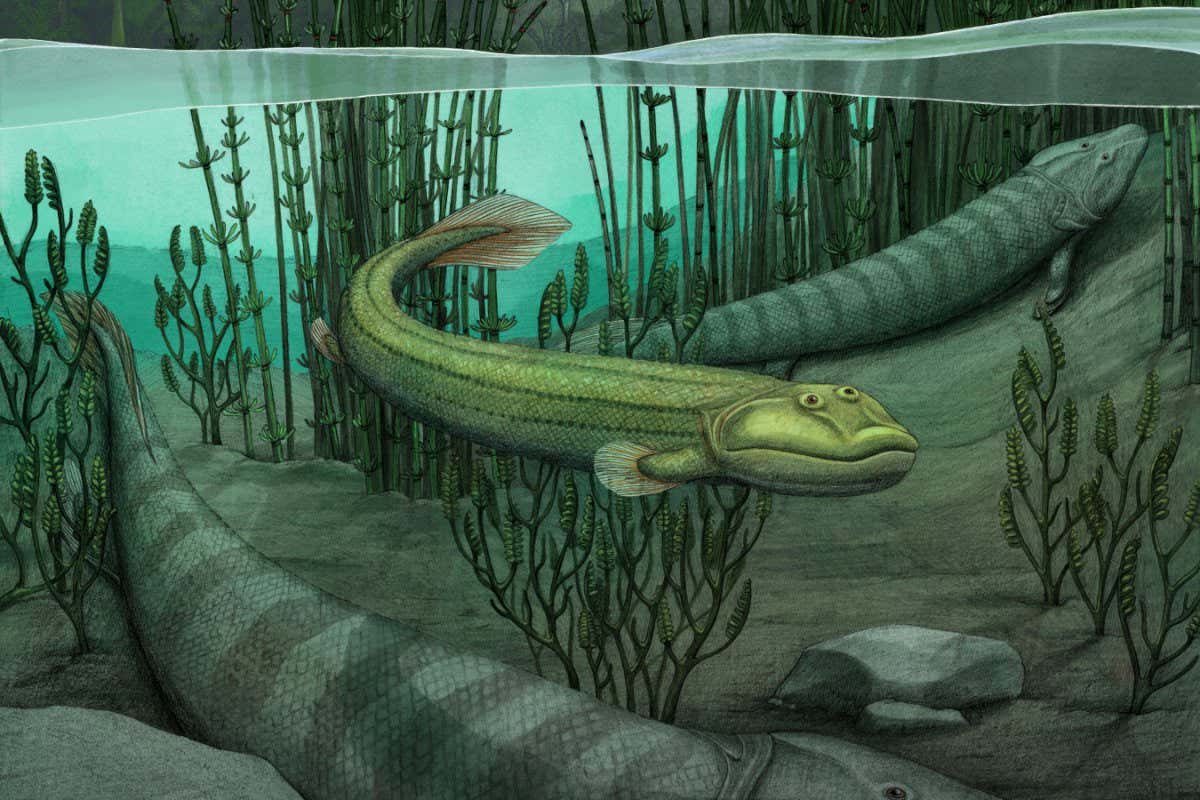
A fossil from 385 million years ago named Qikiqtania wakei shows that a descendant of early land animals lost its adaptations for land and became a more efficient swimmer
8 July 2022
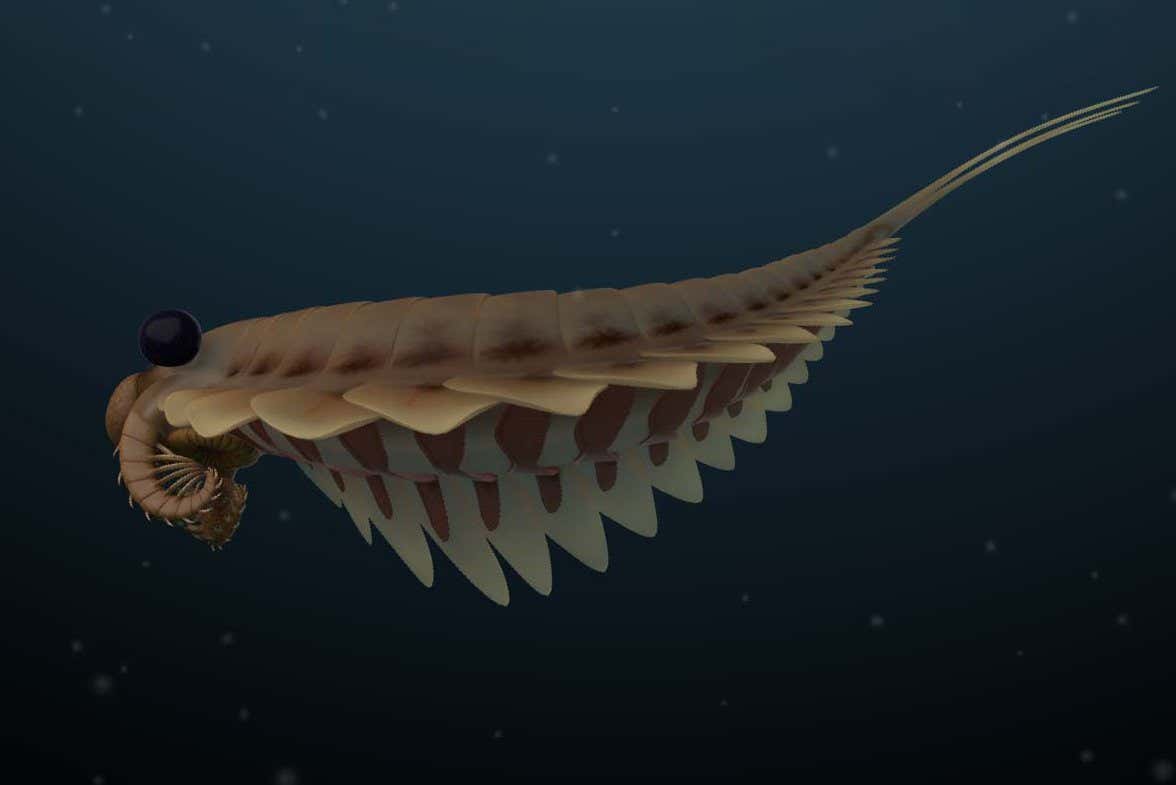
Stanleycaris hirpex, which lived in the Cambrian period, had two protruding eyes on the side of its head and a larger eye in the centre
28 March 2022
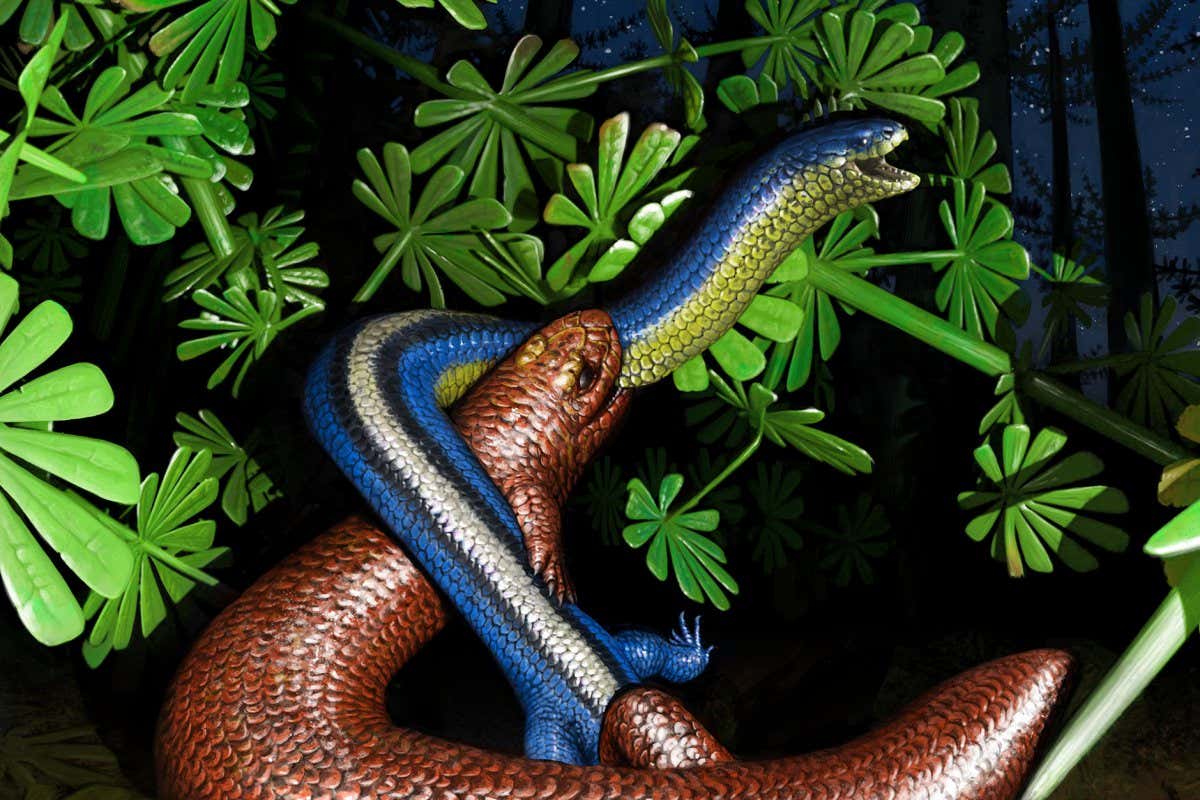
A tiny snake-like animal that lived about 308 million years ago had evolved to lose its forelimbs

22 February 2022
A 170-million-year-old pterosaur found on the Isle of Skye off the north-west coast of Scotland had a wingspan of about 2.5 metres, making it the largest known winged reptile from the Jurassic
