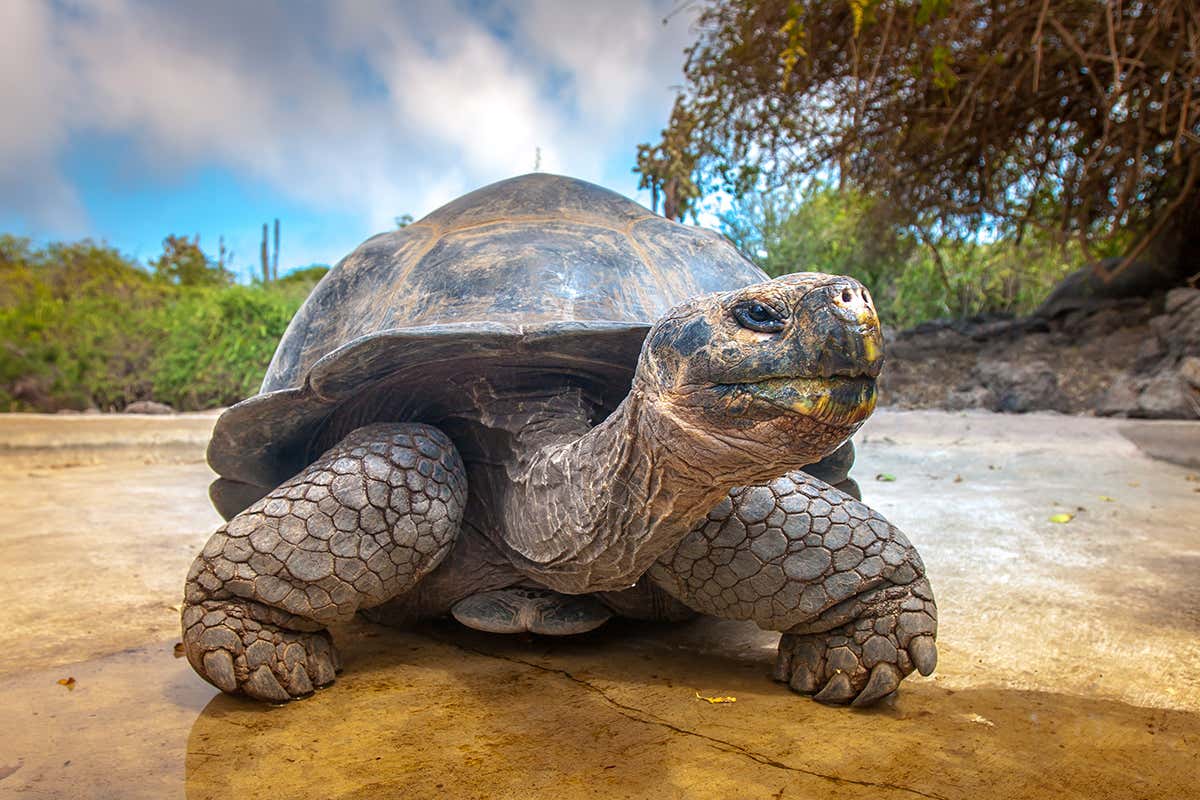
Galapagos tortoises use their self-destructing cells to avoid cancer
20 July 2021
Galapagos giant tortoises are long-lived in part because their cells are surprisingly sensitive to certain forms of stress
20 July 2021
Galapagos giant tortoises are long-lived in part because their cells are surprisingly sensitive to certain forms of stress
15 July 2021
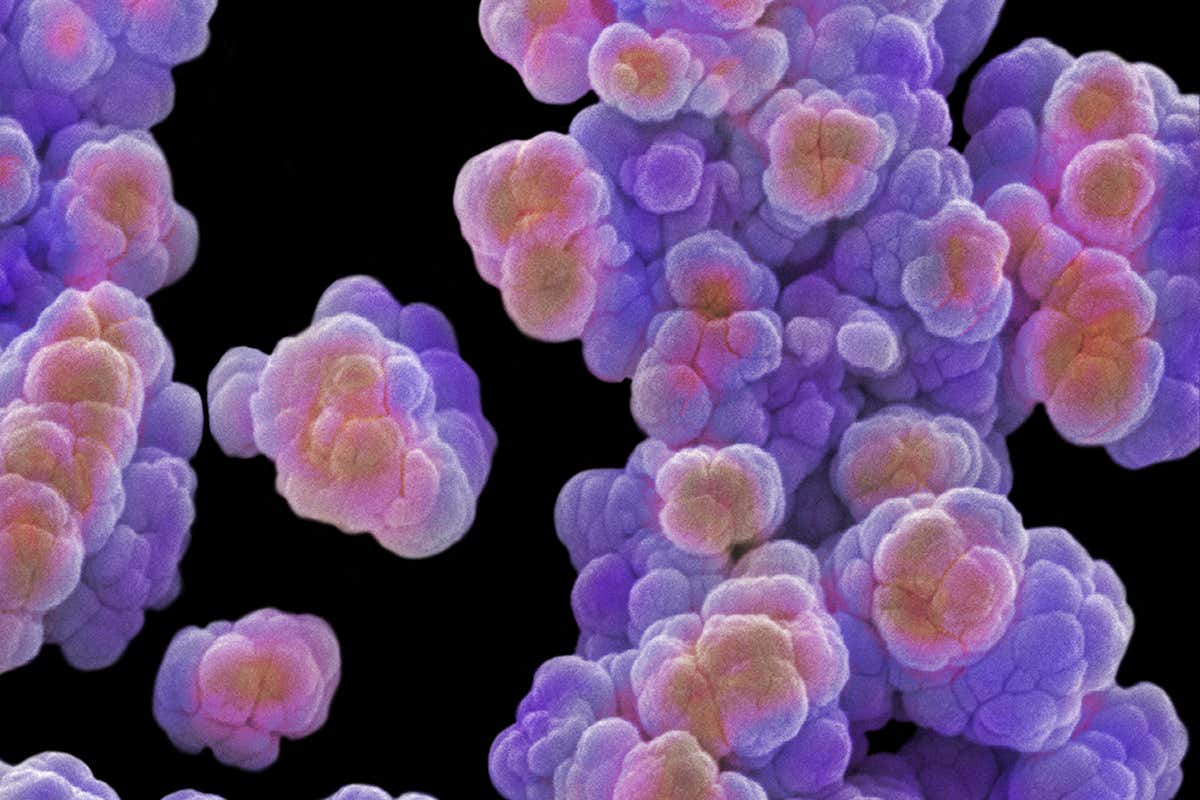
Unusual stretches of DNA in microbes are the largest ever elements of genetic material found to move between organisms. Figuring out how they drive methane consumption in their hosts could help us better understand our planet's climate
2 July 2021
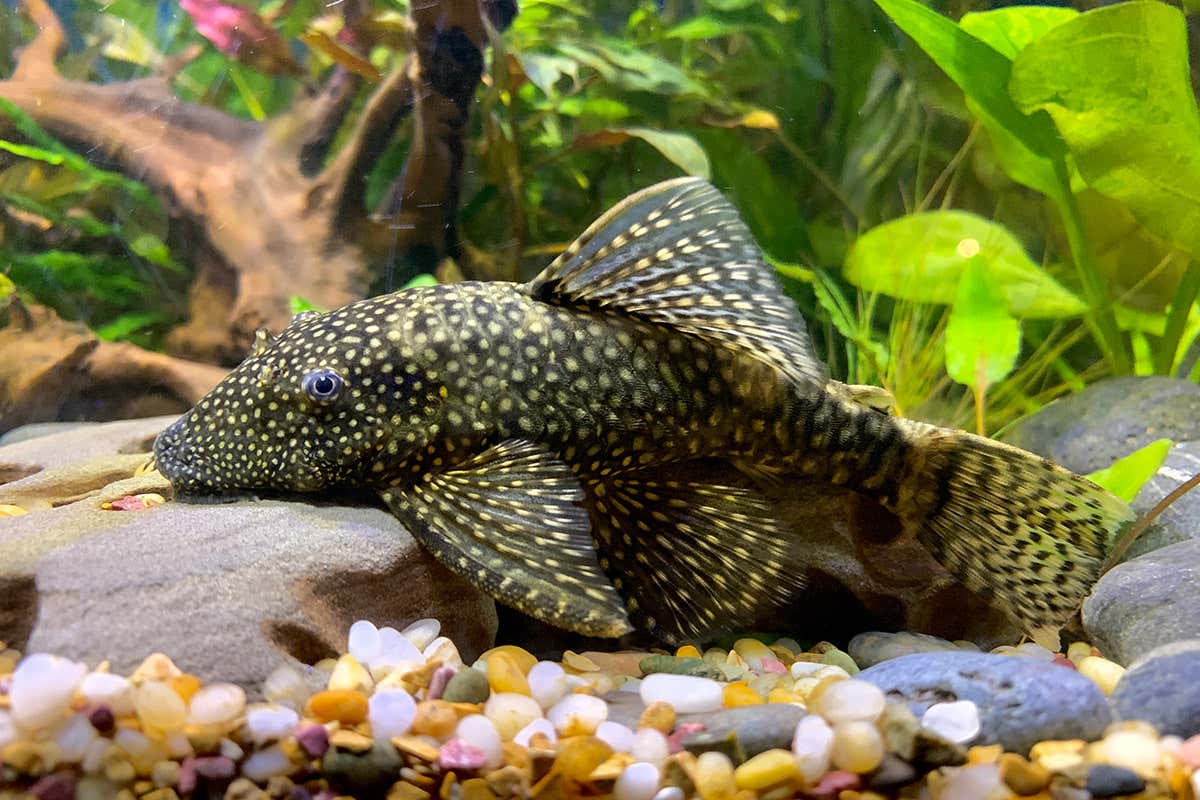
A pet fish adorned with tooth-like scales is helping biologists tackle a longstanding debate about the origin of teeth
1 July 2021
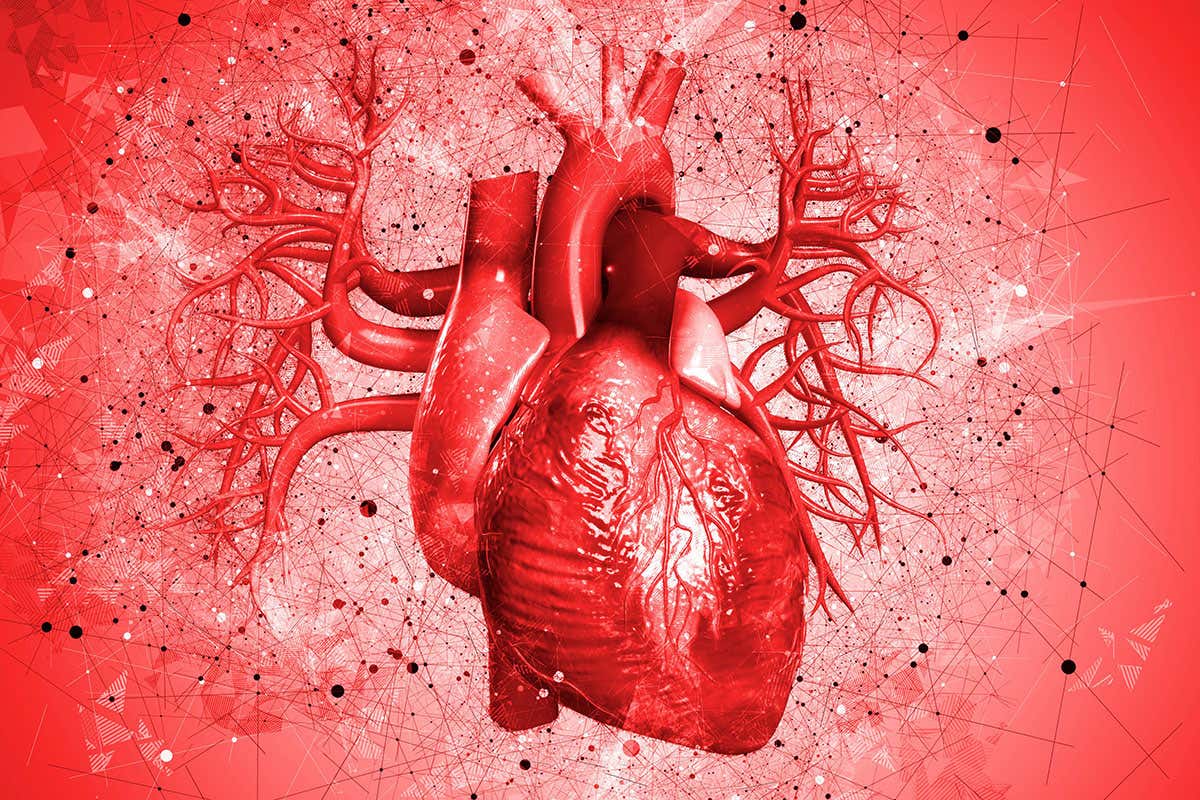
A tiny version of an embryonic heart made using human stem cells can pump fluid around channels on a laboratory slide, and will help researchers study congenital heart defects
25 May 2021
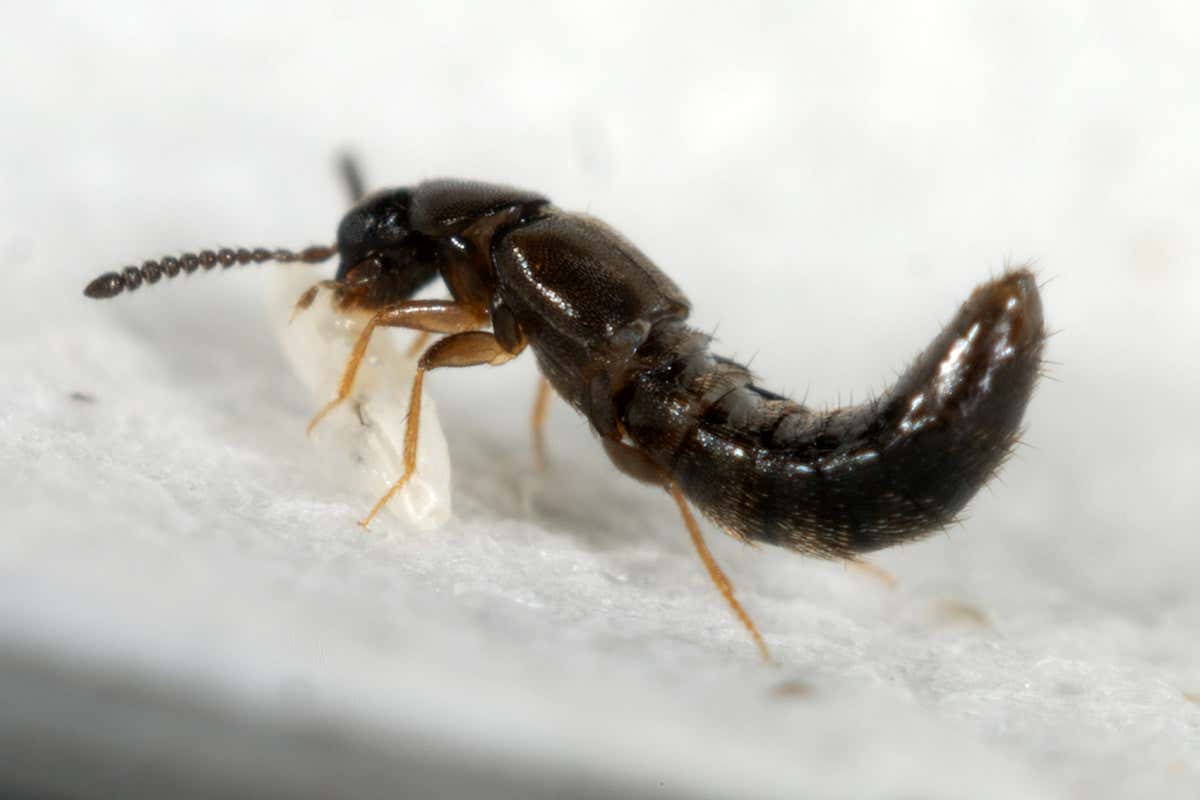
Rove beetles have glands in their abdomen that secrete a toxin, and they are made up of just two cell types that evolved together – which may be how other animal organs originated
22 March 2021
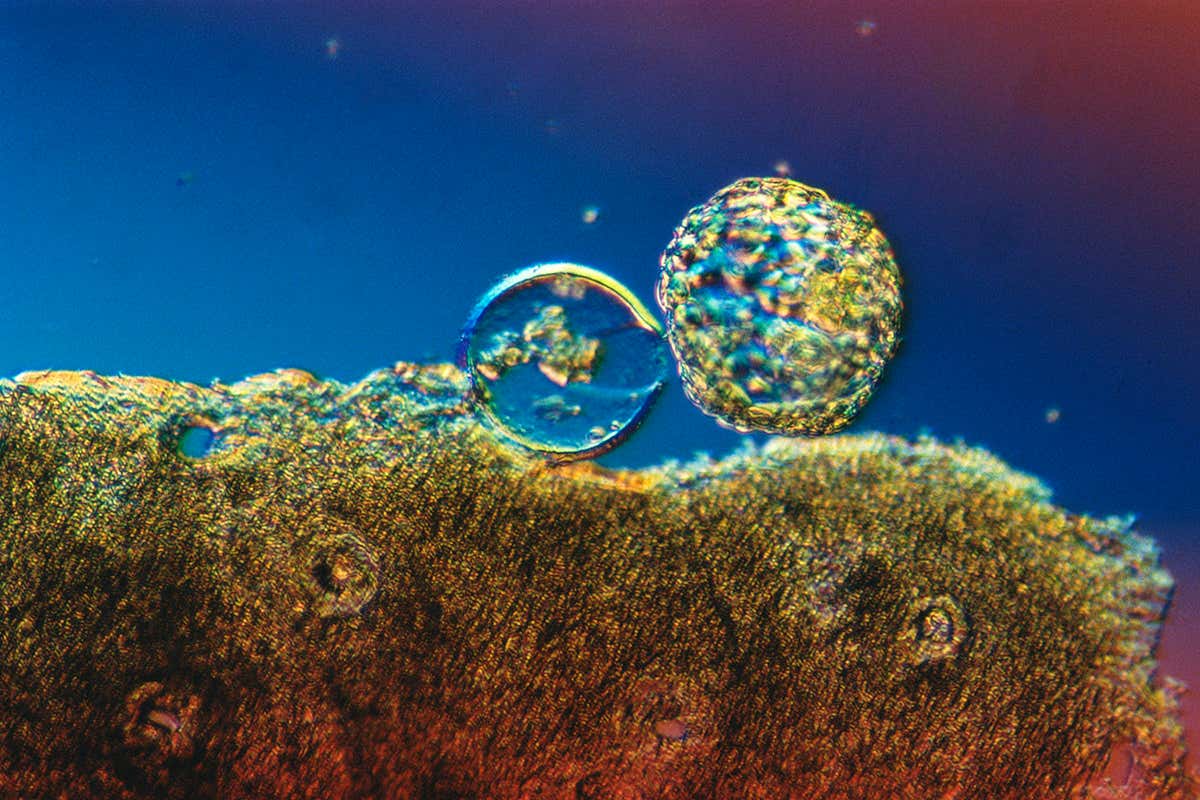
An embryo can reverse signs of ageing and appear younger than the fertilised egg from which it arose. This almost paradoxical finding suggests that embryos are able to rejuvenate, which could lead to ways of reversing age-related
16 March 2021
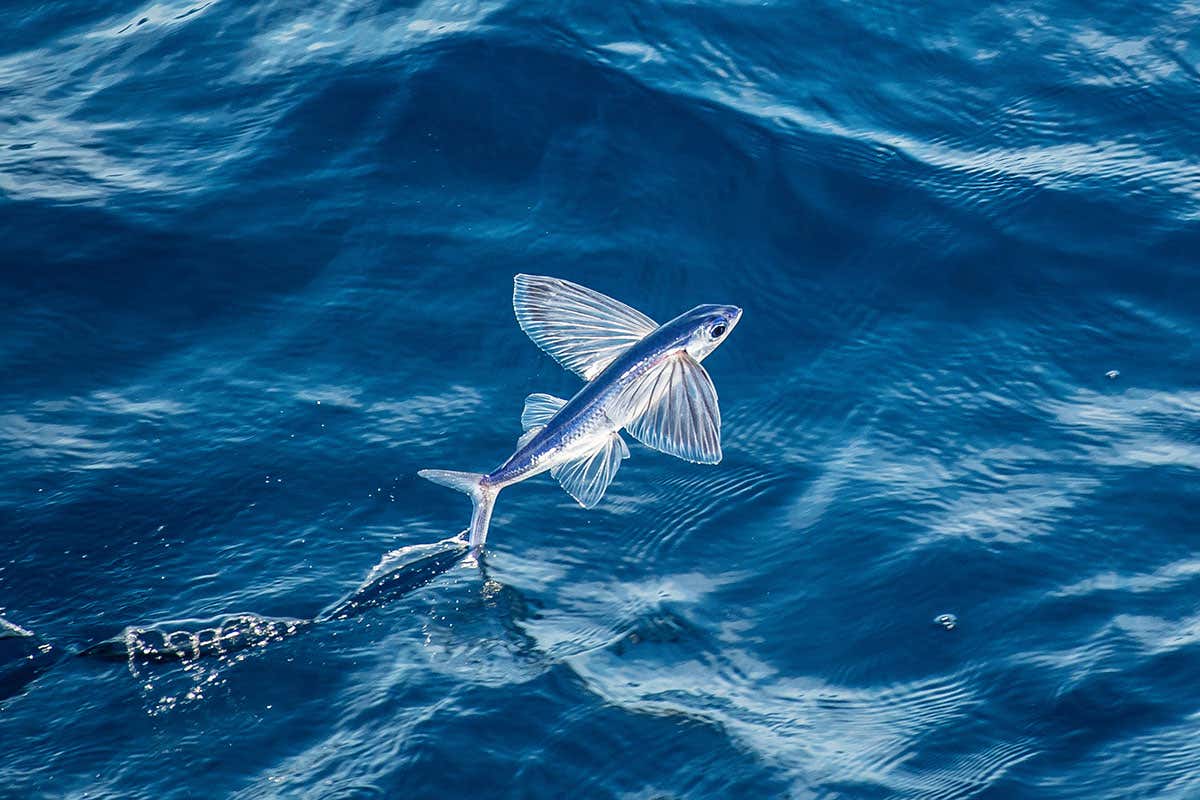
Genes that affect bioelectric signals in flying fish also give rise to their wing-like fins – and when transplanted into zebrafish they transform its puny fins into wings too
1 February 2021
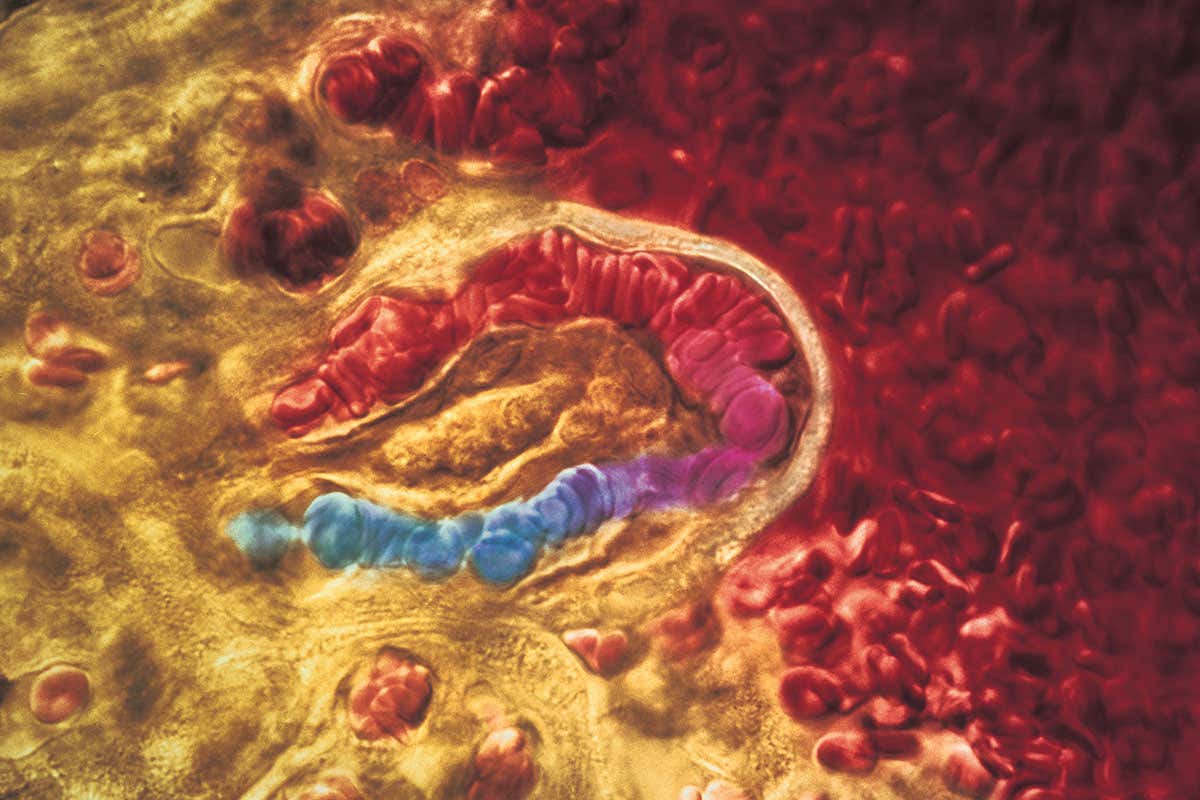
The genetic history of individual placentas suggests that they can tolerate cancer-like mutations and act as a place for the developing embryo to shunt abnormal cells
16 December 2020
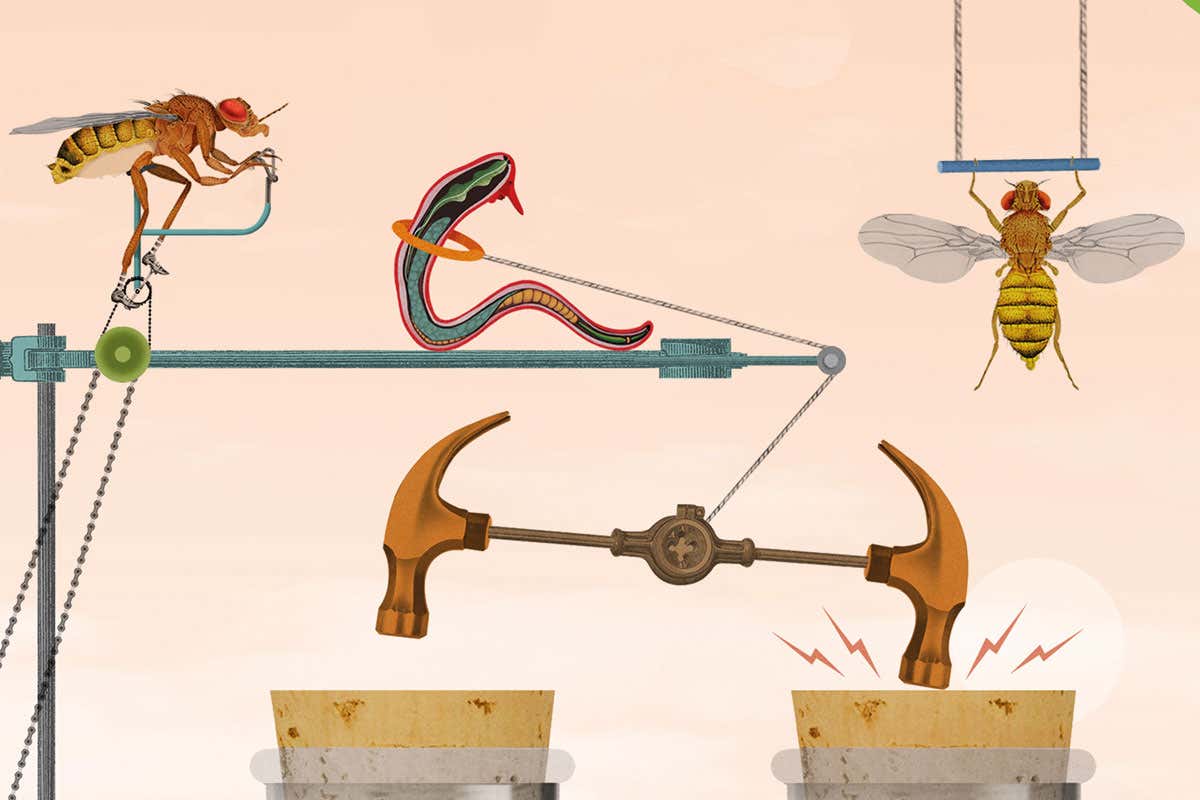
Creepy-crawlies can provide unique insights into how exercise benefits humans – but how do you get a fruit fly to drop and give you 20 or a nematode to run a marathon?

9 December 2020
Whether you are a happy carouser or a small-time tippler could depend on a hormone produced by your liver that tells your brain to stop boozing
