Subscribe now
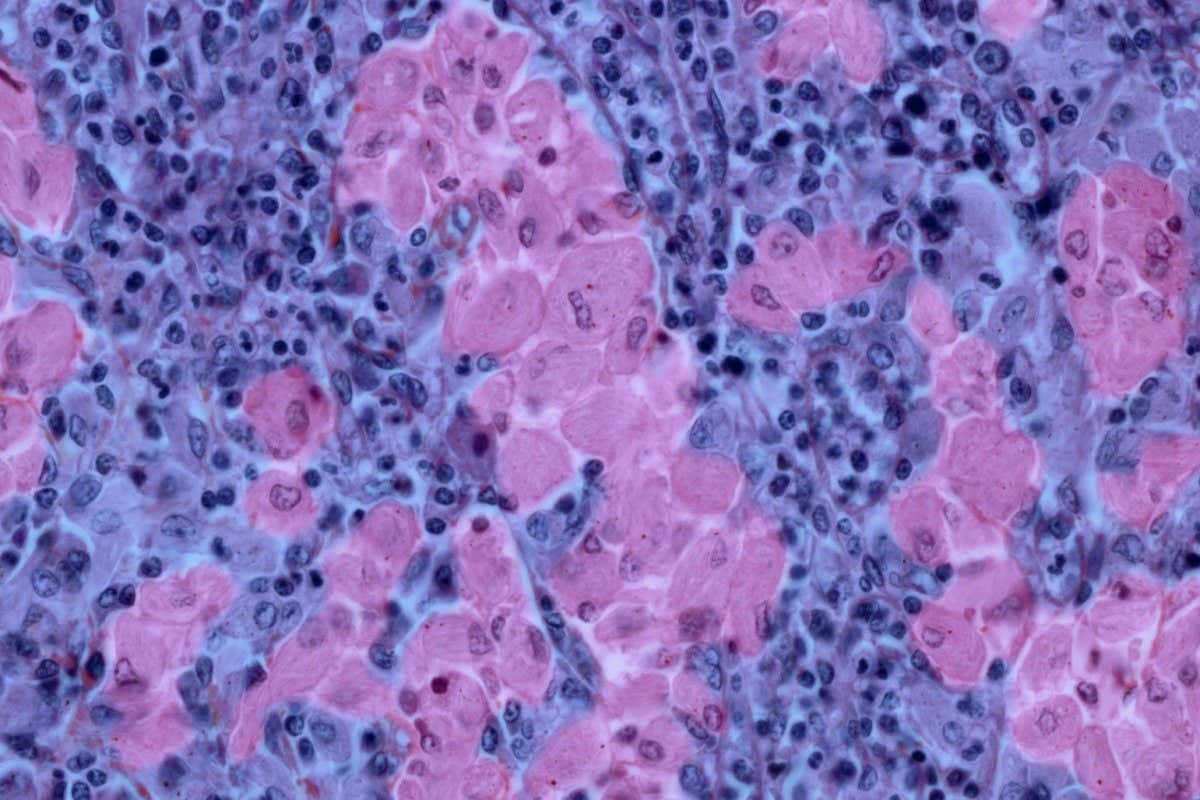
Light micrograph of a section through the spleen of a patient with Gaucher's disease. Small lymphocytes and large macrophage cells (Gaucher?s cells, pink, a type of white blood cell) are present. Gaucher's disease is an inherited metabolic disorder in which a fatty substance called glucocerebroside accumulates in the spleen (in macrophages), lungs, liver and bone marrow, and sometimes the brain. This is due to an absence of the enzyme glucocerebrosidase (GC). The disease appears in childhood, and some forms are fatal in the first few years. Other forms cause enlargement of the affected organs, weak and painful bones and anaemia. Some forms also cause severe nervous system damage. There is no cure, but enzyme replacement therapy using GC can relieve the symptoms. Haematoxylin-eosin saffron (HES) stain. Magnification: x400 at 24x36 mm size.

Genes for Gaucher disease may have protected Jewish people against TB

6 February 2023

Gaucher disease, a genetic condition that is more common in Ashkenazi Jewish people, may confer protection against tuberculosis, according to research in zebrafish
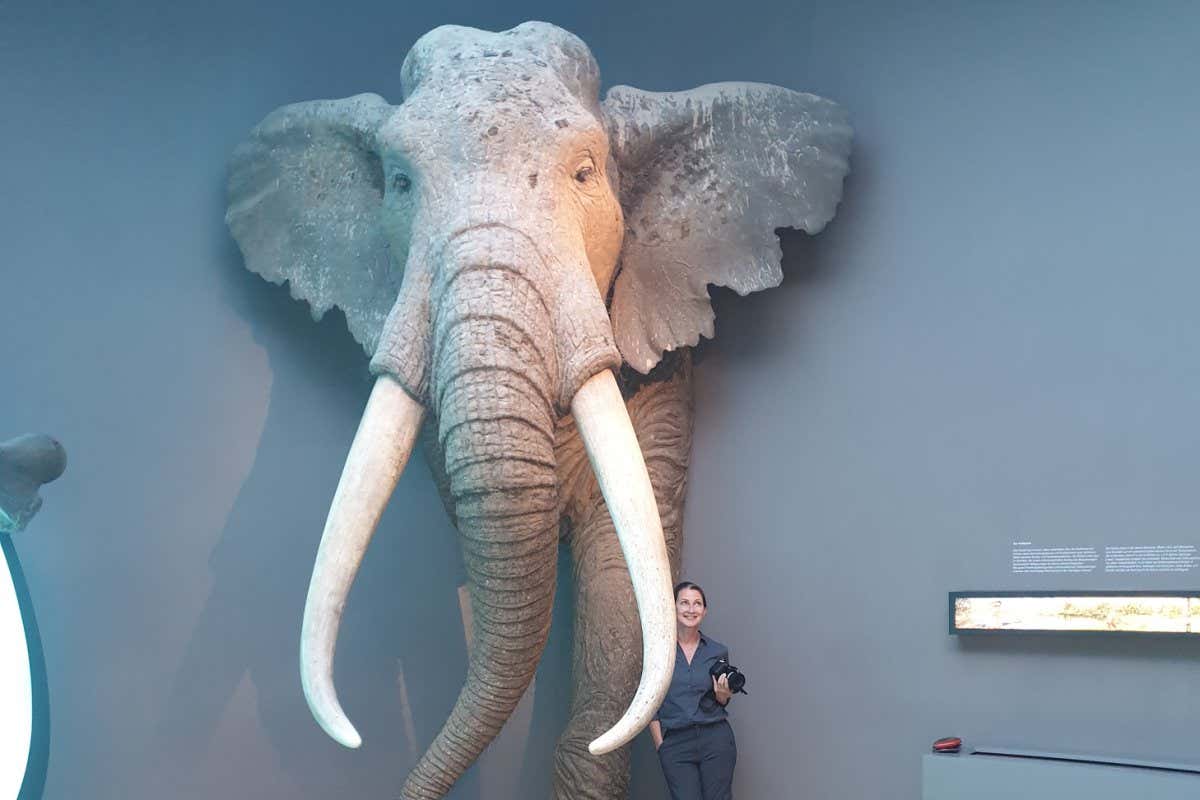

Straight-tusked elephant bones hint at routine hunting and butchering by Neanderthals

Neanderthals hunted enormous elephants that fed 100 people for a month

1 February 2023

The extinct straight-tusked elephant was even larger than modern African elephants, making it unclear if Neanderthal hunters could take one down, but a newly analysed trove of bones suggests it was possible
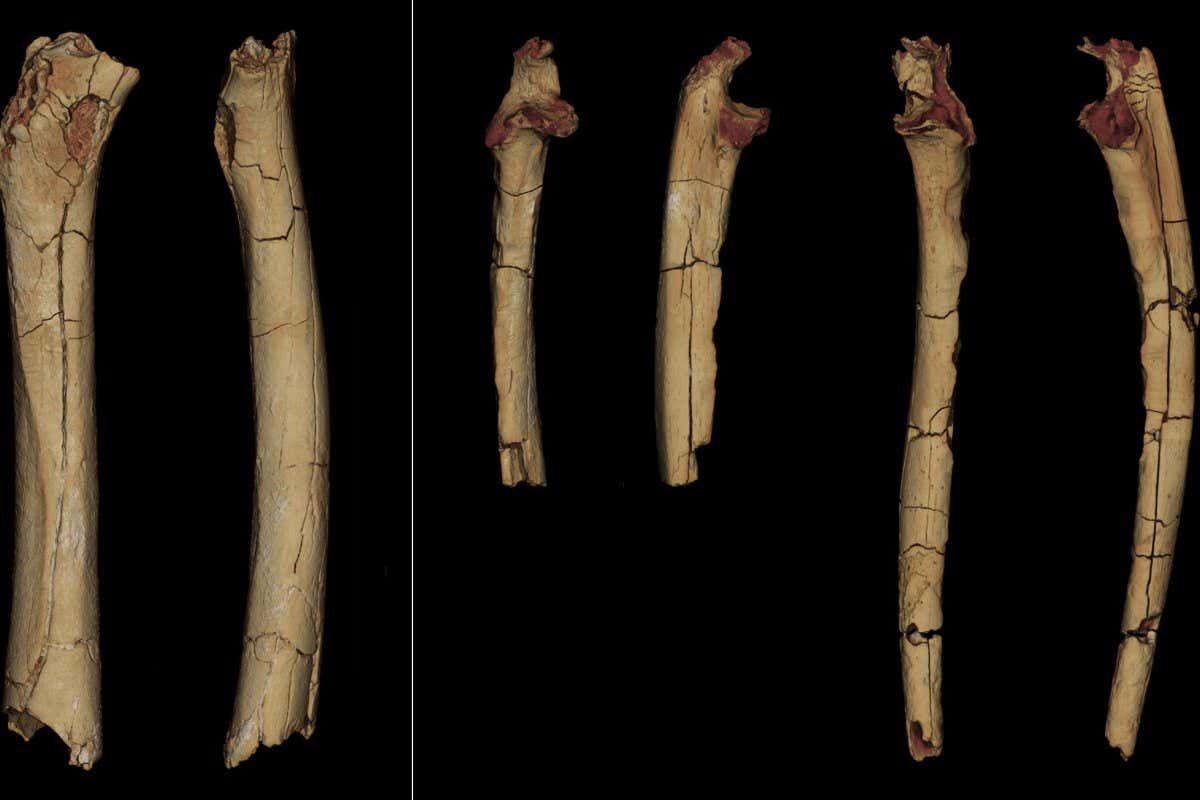

3D models of the femur and ulnae of Sahelanthropus tchadensis

Human ancestors may have walked on two legs 7 million years ago

24 August 2022

An analysis of thigh and forearm bones from Sahelanthropus tchadensis suggests the early hominin was mainly bipedal, but the claim is controversial
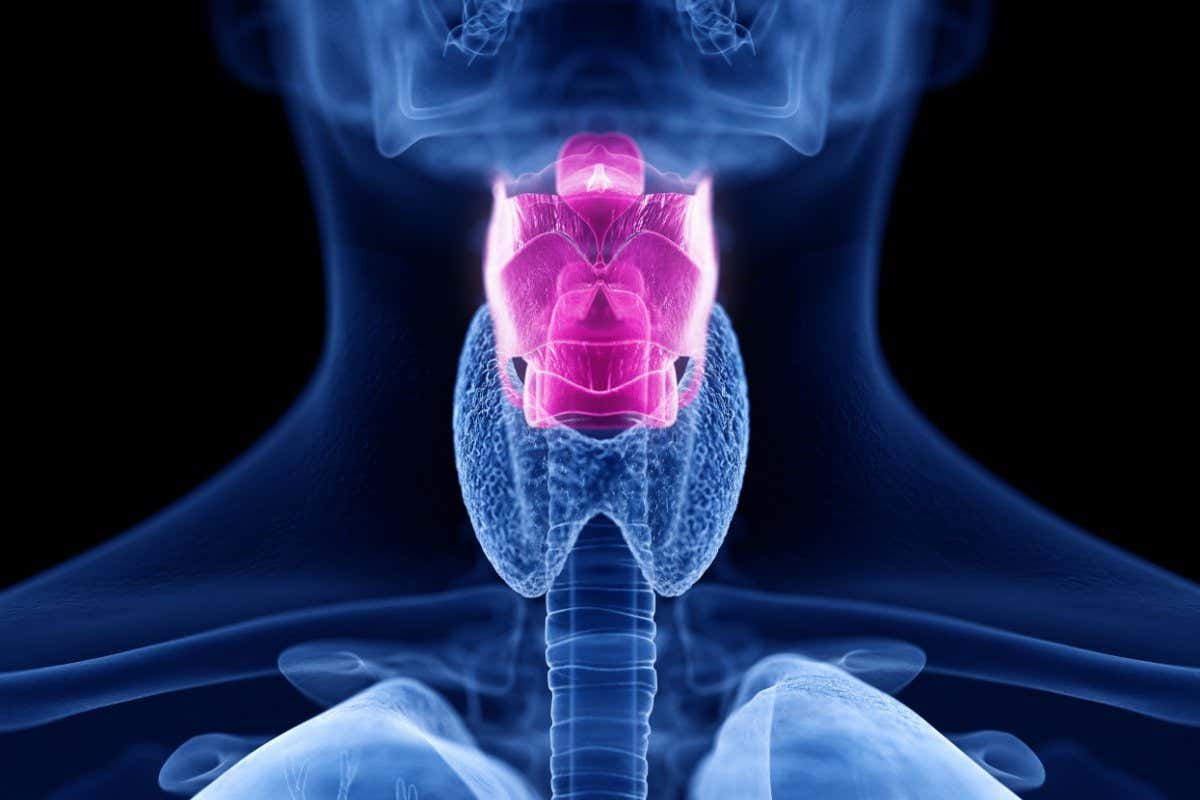

Unlike in other primates, the human voice box has lost small tissue structures called vocal membranes, which may have been involved in the evolution of speech

Losing parts of our voice box may have helped humans evolve to speak

11 August 2022

Unlike people, 43 species of monkeys and apes are known to have so-called vocal membranes, which may prevent them from having precise voice control
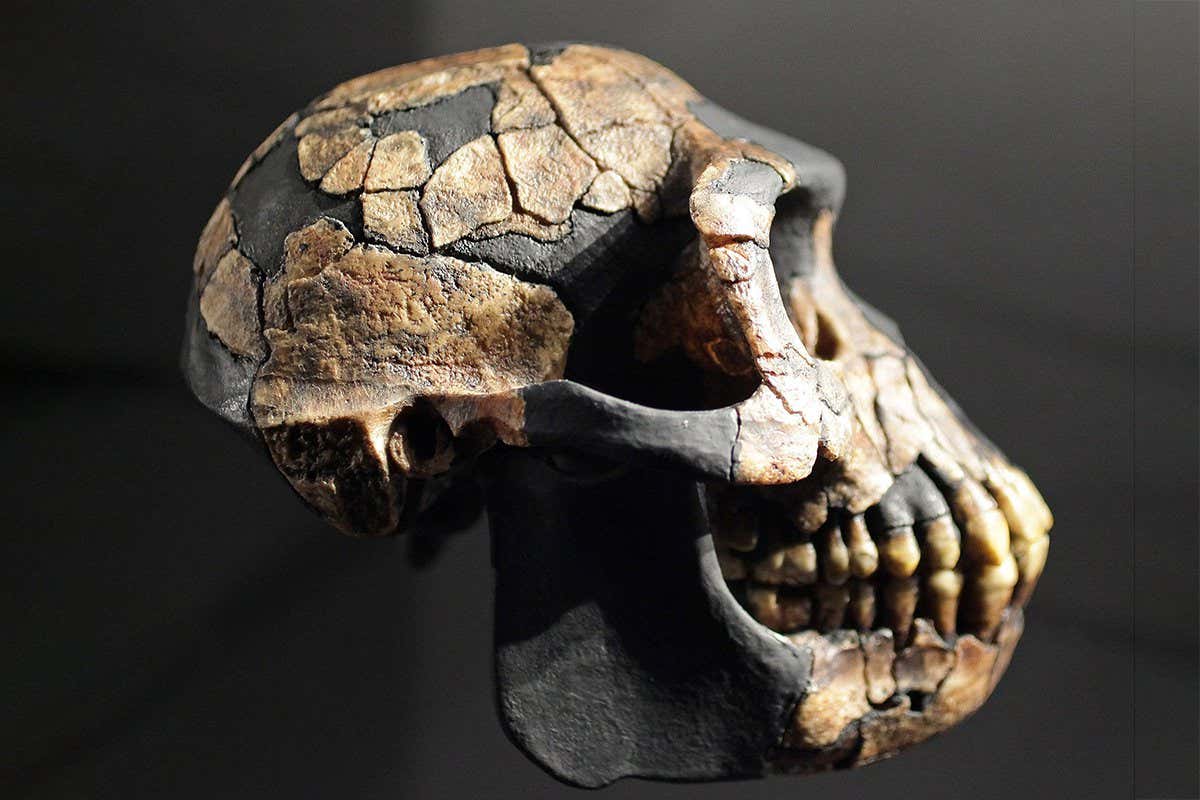

An Ardipethecus ramidus skull found in Awash, Ethiopia

Canine teeth shrank in human ancestors at least 4.5 million years ago

29 November 2021

The extra-large, dagger-like canine teeth seen in male great apes have been missing from human ancestors for at least 4.5 million years – possibly because females opted for less aggressive partners
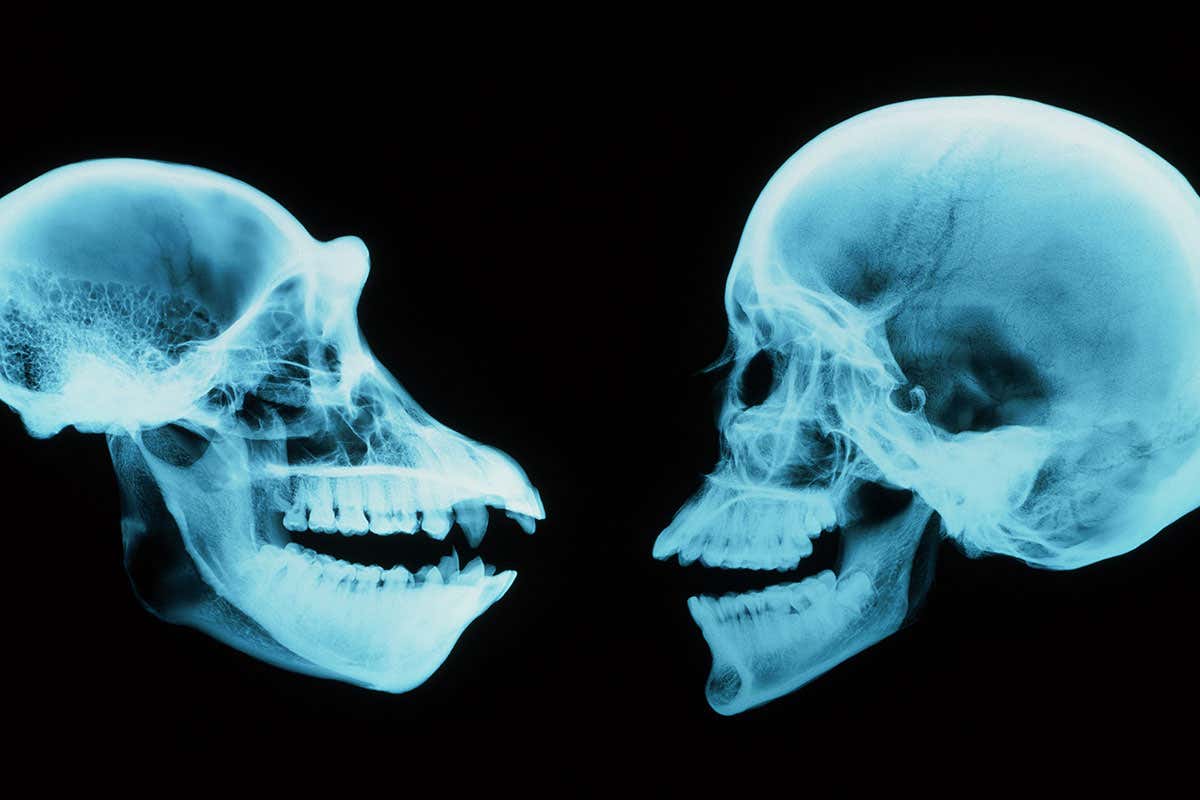

X-rays of human and chimp

Humans evolved to think faster by slowing down brain development

16 October 2019

Using stem cells to grow mini brains in a dish has let us compare the way brains develop in humans, chimpanzees and monkeys, and spot the differences


father and baby

Men who have children later in life may prime their kids for longevity

16 April 2019

Older dads may change the chromosomes in their sperm so that their children will be able to live longer lives – a phenomenon similar to Lamarckian evolution


Sign up to our weekly newsletter

Receive a weekly dose of discovery in your inbox. We'll also keep you up to date with New Scientist events and special offers.

Sign up
Piano Exit Overlay Banner Mobile Piano Exit Overlay Banner Desktop