Subscribe now

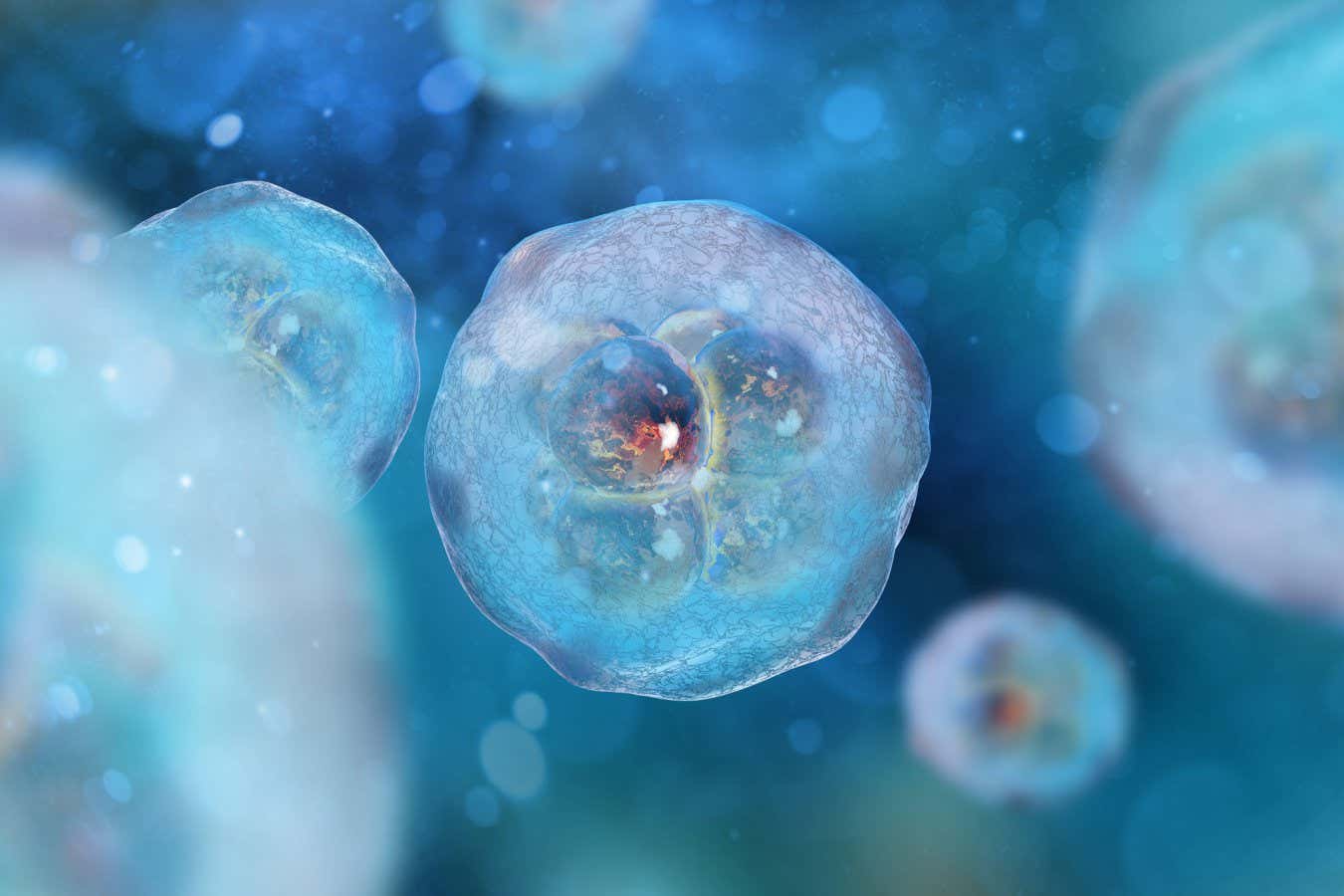
What are 'synthetic embryos' and why are scientists making them?

15 June 2023

The first human embryo-like structures have been created from stem cells and reached a landmark stage of development, in a move that could help scientists study the causes of early miscarriages
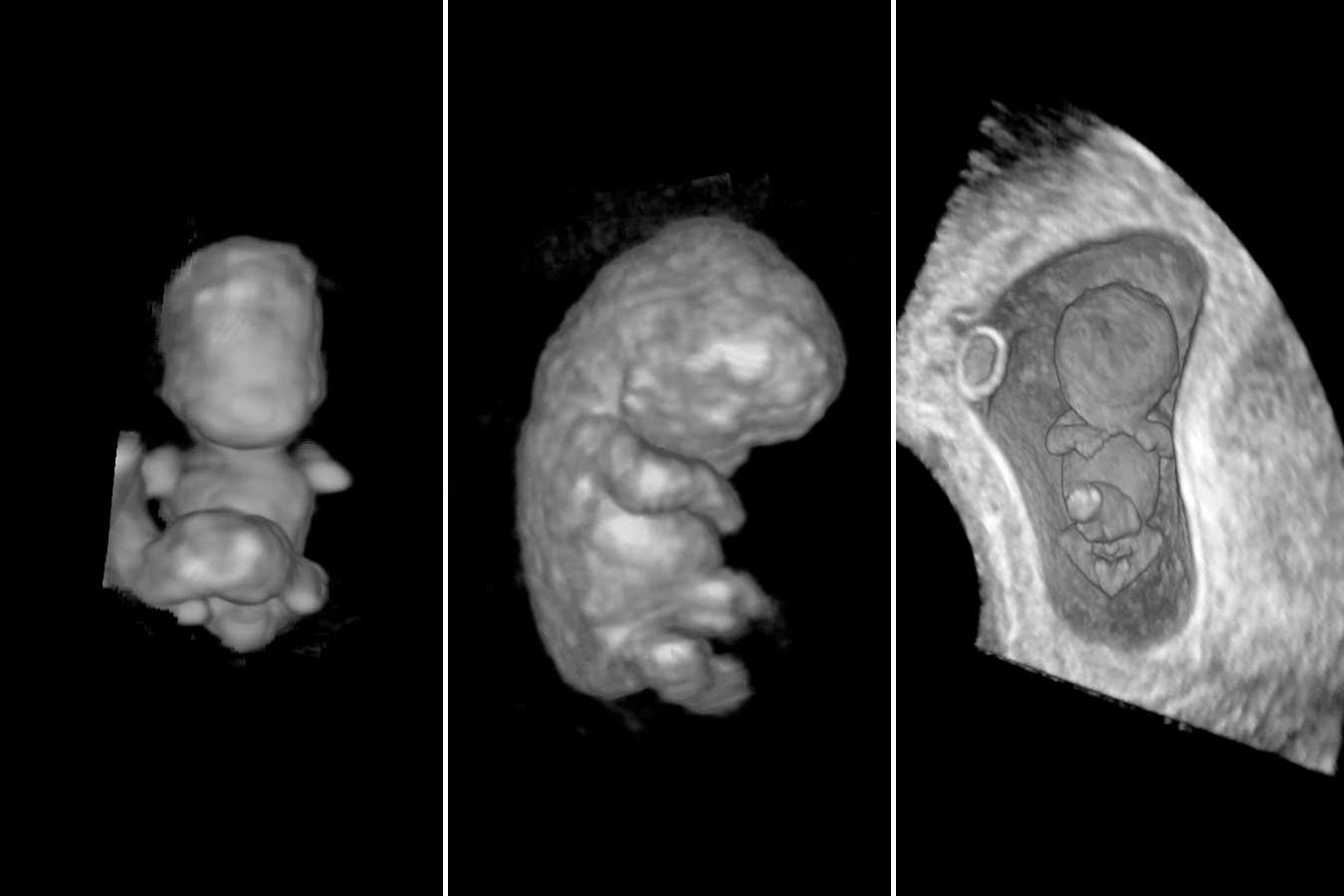

An embryo developing in the uterus at 8 weeks, 9 weeks and 10 weeks

Miscarriages may be more likely to occur with slow developing embryos

26 March 2023

Using vaginal ultrasound scans to build detailed 3D images that show an embryo's growth could predict which pregnancies are most likely to end in miscarriage


Synthetic (left) and natural (right) embryos to show comparable brain and heart formation.

Synthetic mouse embryos with rudimentary brain grown in the lab

25 August 2022

Embryo-like structures grown in an incubator instead of a uterus could lead to better treatments for infertility and a range of other medical conditions


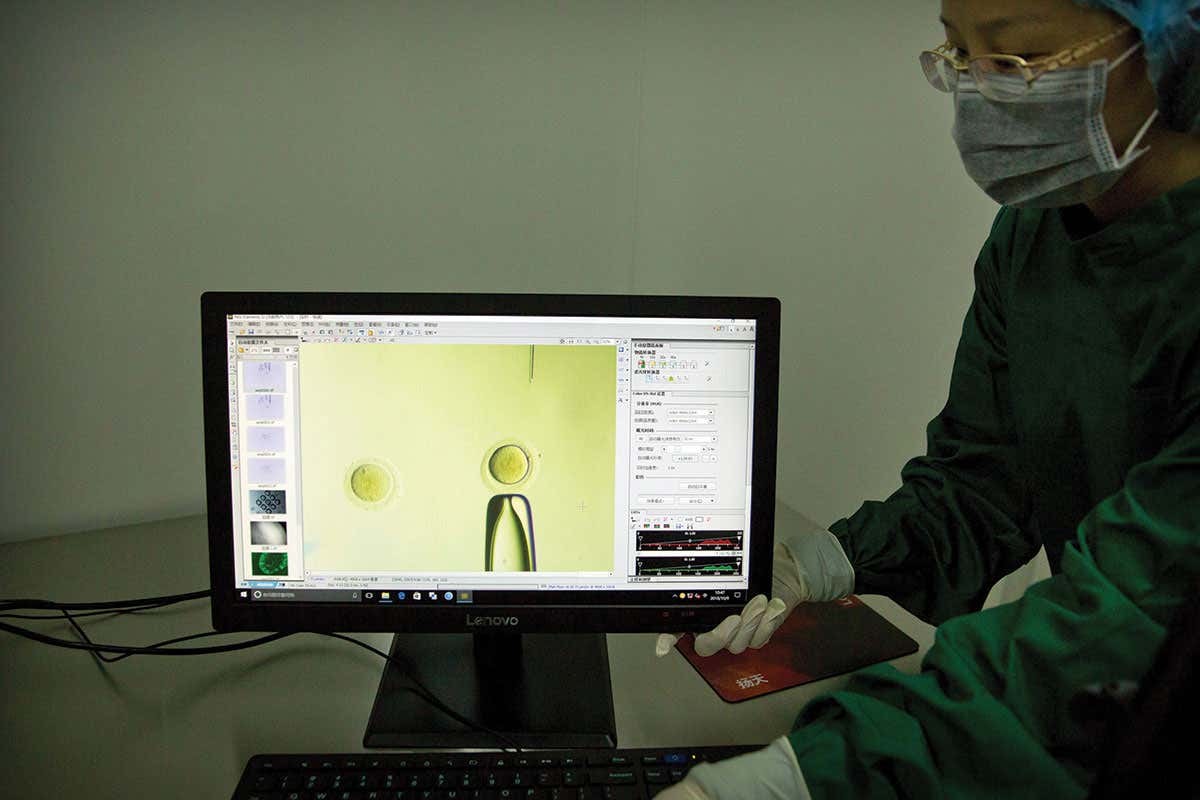
CRISPR proteins about to be injected into an embryo

Gene-editing experiment widely criticised for safety and ethics issues

5 December 2018

The scientist who led an experiment to create gene-edited babies has been criticised for acting unethically towards the couples and infants involved


CRISPR is a powerful technique for editing DNA

‘Scientists are now very sure that the babies really were gene-edited’

29 November 2018

He Jiankui has now presented his controversial work at a gene editing summit in Hong Kong. CRISPR expert Helen O’Neill of University College London was there


babies

Exclusive: A new test can predict IVF embryos' risk of having a low IQ

15 November 2018

A new genetic test that enables people having IVF to screen out embryos likely to have a low IQ or high disease risk could soon become available in the US


Sign up to our weekly newsletter

Receive a weekly dose of discovery in your inbox. We'll also keep you up to date with New Scientist events and special offers.

Sign up
Piano Exit Overlay Banner Mobile Piano Exit Overlay Banner Desktop