Subscribe now
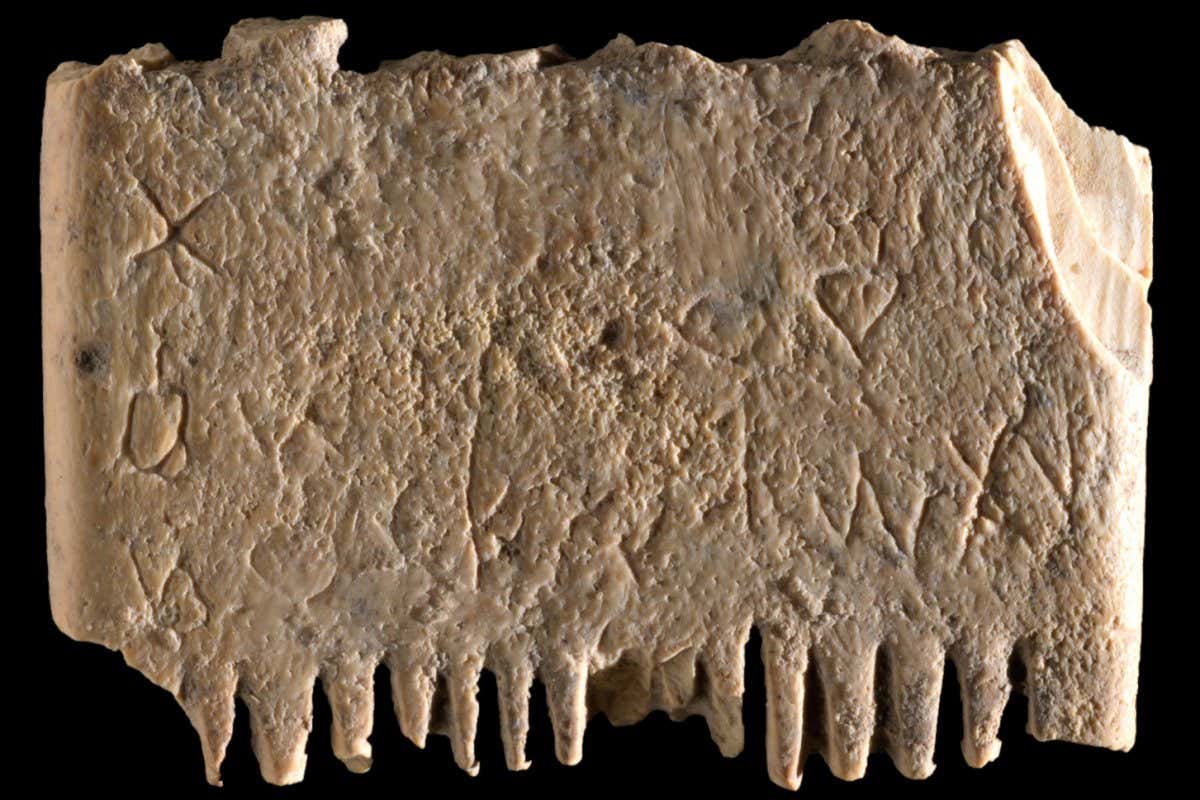
The ivory comb

Oldest legible sentence written with first alphabet is about head lice

9 November 2022

The early adopters of the alphabet cared about their personal hygiene, judging by the inscription on the side of an ancient ivory comb
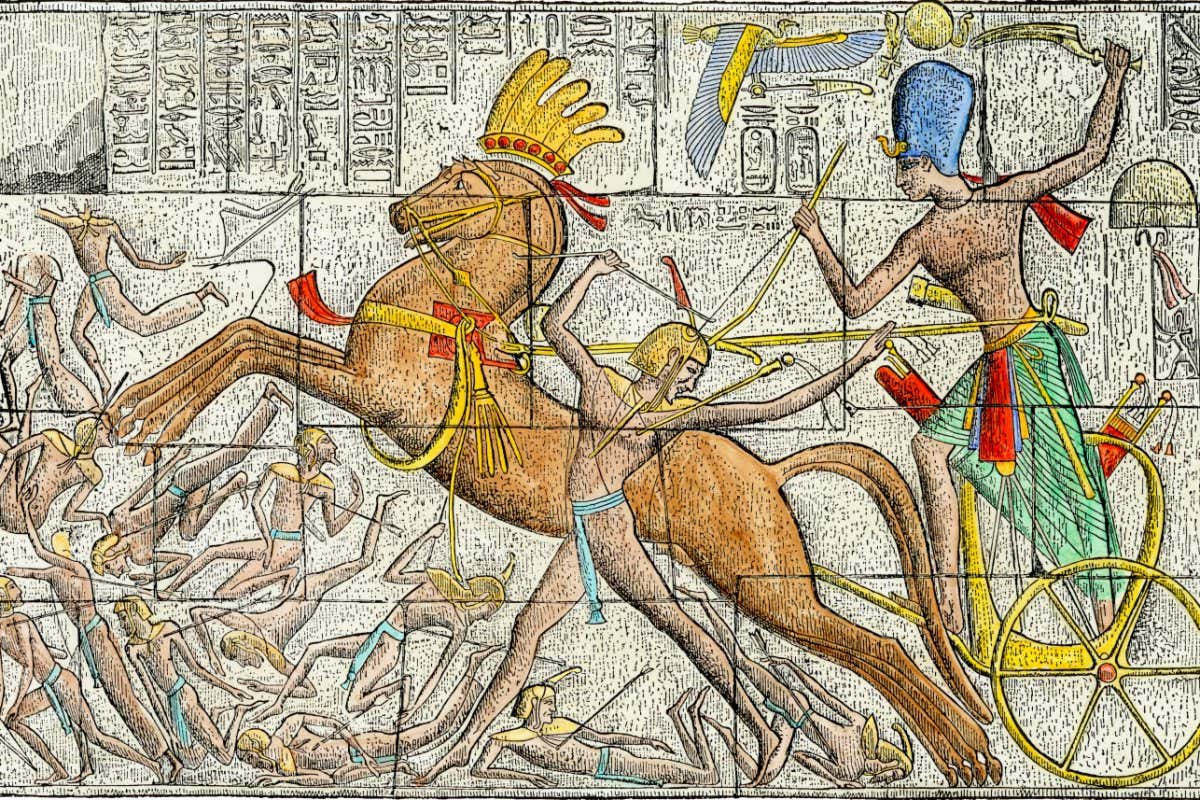

MF0B5A Pharaoh driving a chariot in battle, ancient Egypt. Hand-colored engraving of a bas-relief

Was warfare responsible for the origin of complex civilisation?

24 June 2022

An effort to track global changes in human society over the past 10,000 years concludes that warfare drove an increase in social complexity – but others are unconvinced by the work


Wood burning fire

AI finds hidden evidence of ancient human fires 1 million years ago

13 June 2022

An AI tool has spotted subtle evidence of changes in flint tools that indicate ancient humans had cooking fires at a 1-million-year-old archaeological site in Israel


LAMBOURN, UNITED KINGDOM - OCTOBER 17: Free-range chickens of breed Isa 257 roam freely at Sheepdrove Organic Farm, Lambourn, England. (Photo by Tim Graham/Getty Images)

We may now know when chickens were domesticated – but not why

6 June 2022

Chickens were domesticated later than we thought, but probably not for their meat. Instead, they may have acted as early alarm systems or spiritual guides to the afterlife
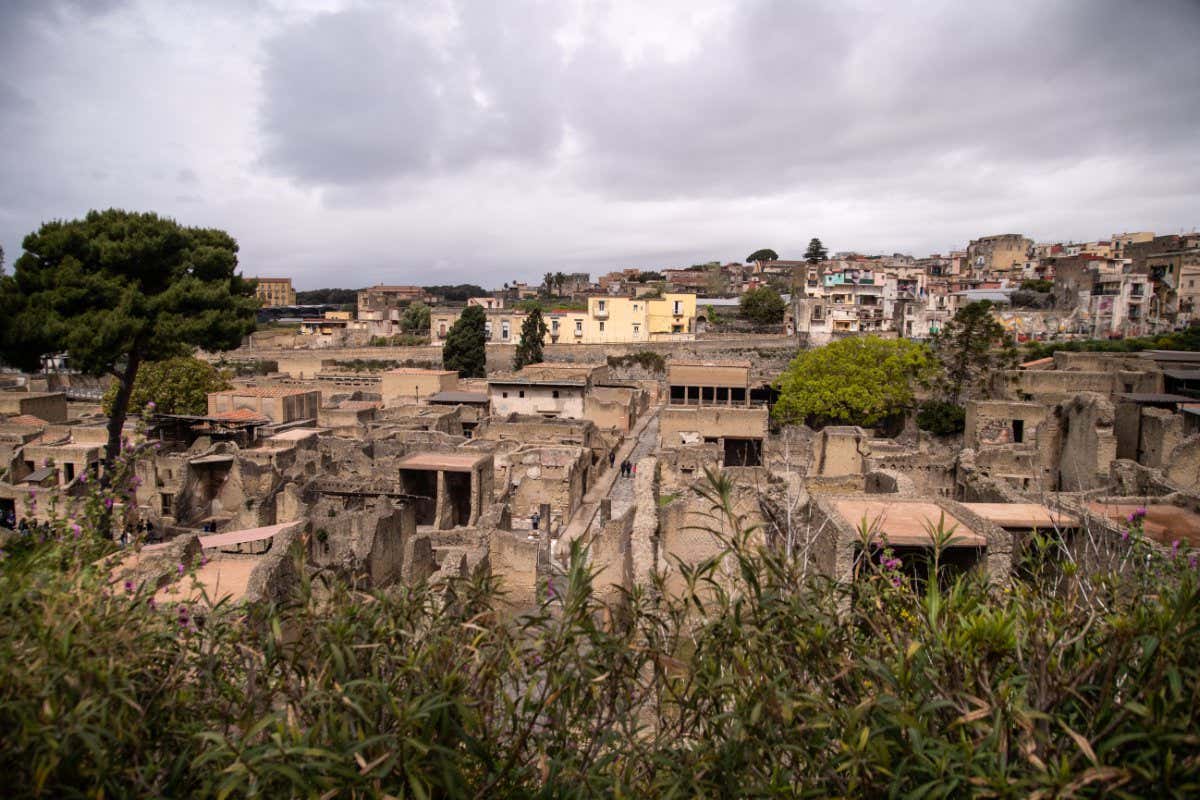

ERCOLANO, ITALY - APRIL 22: General view of the Archaeological Park of Herculaneum on April 22, 2022 in Pompei, Italy. Visits to the underground path of the Ancient Theater of the Archaeological Park of Herculaneum start again, after a period of closure imposed by the limitations due to the effects of the Covid-19 pandemic. The Ancient Theater, destination of the grand tour, was buried by the eruption of 79 AD. it was the first monument to be discovered in the Vesuvian sites during the eighteenth century. In 1738, King Charles III of Bourbon began an intense excavation that marked the beginning of modern Western archeology. (Photo by Ivan Romano/Getty Images)

Proteins in human bones near Pompeii survived temperatures of 500°C

27 May 2022

Many ancient Romans died when the towns of Pompeii and Herculaneum were buried by hot volcanic ash, but the high temperatures didn’t destroy proteins in their skeletons
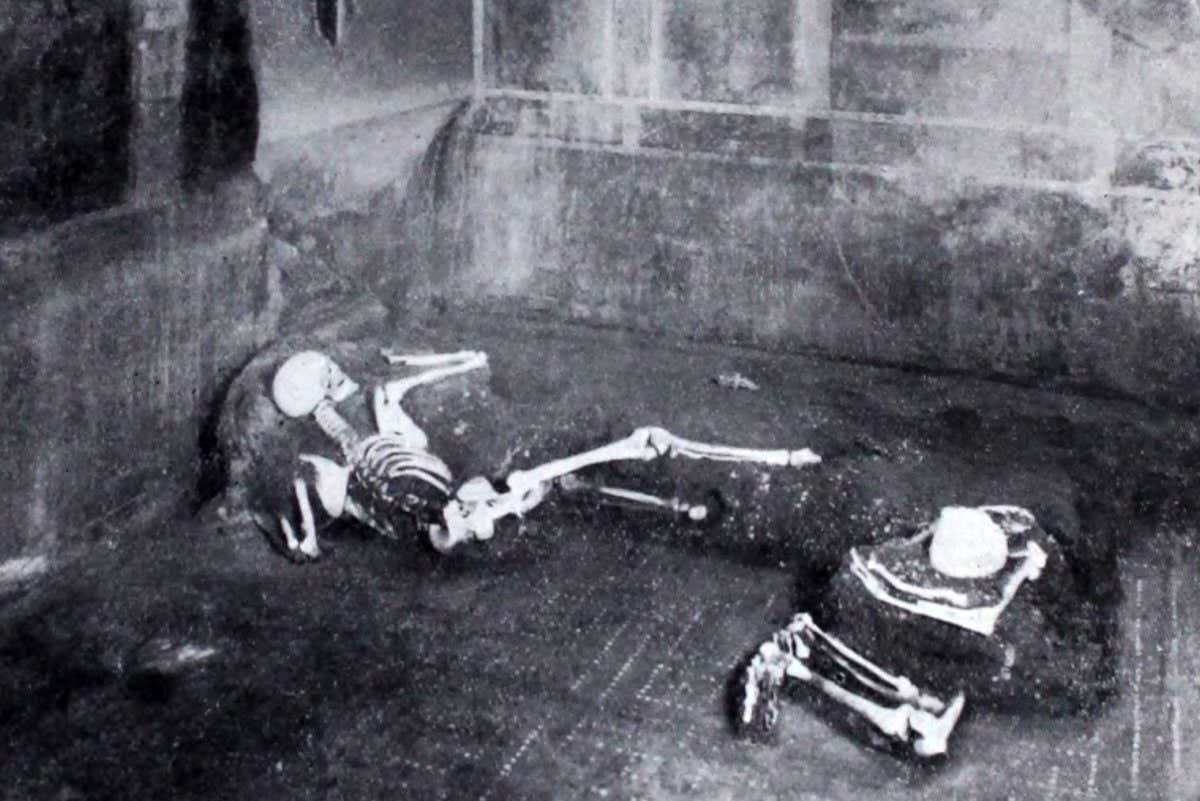

The two individuals found in the ?Casa del Fabbro? or

An ancient Roman who died in Pompeii has had their genome sequenced

26 May 2022

The ancient town of Pompeii was buried under hot volcanic ash in AD 79, but DNA still survives in the bones of the people who died in the disaster


Photograph showing ambient light levels and the position of replica plaquettes in relation to the fire during experiment E.

Stone Age Europeans may have gathered to watch animations by the fire

20 April 2022

The campfire was a social hub for ancient humans, and a virtual reality investigation suggests that the flickering light may have made art etched on flat rocks look animated
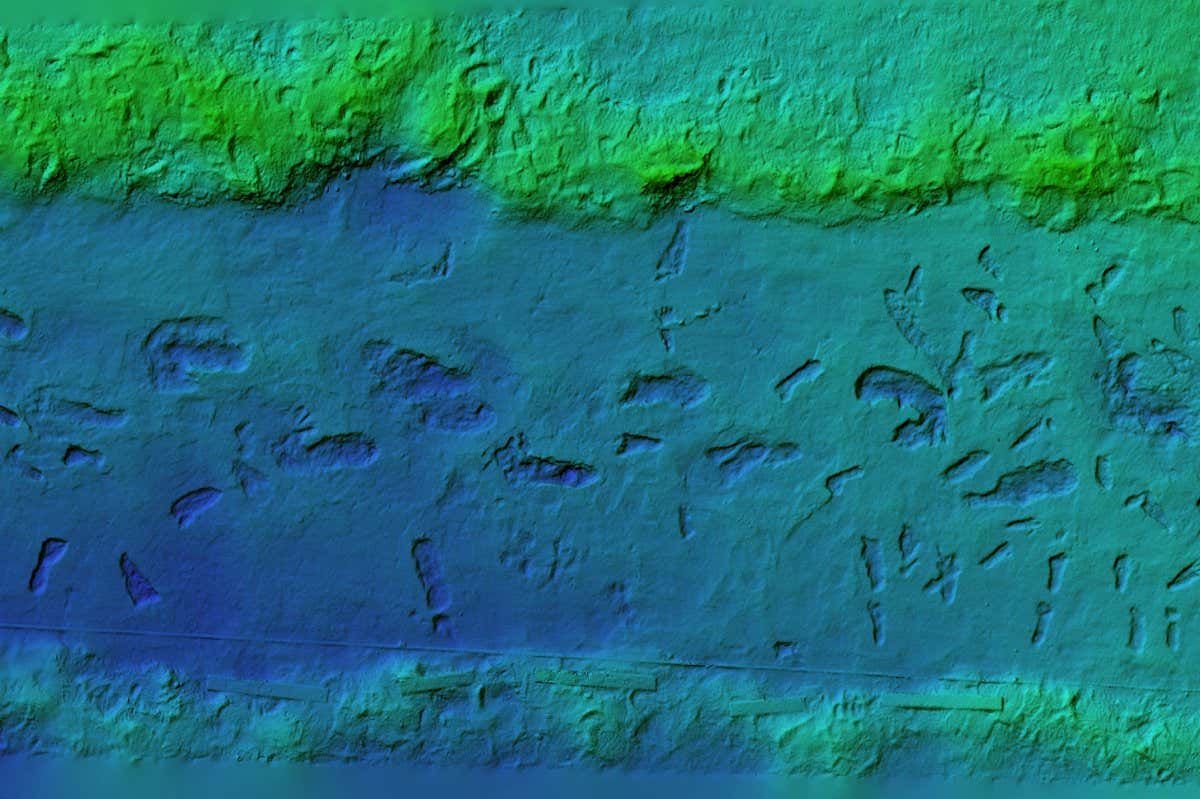

Footprints image

Ancient footprints show children splashed in puddles 11,500 years ago

6 April 2022

A set of ancient footprints seems to show children splashing around in water that had pooled in tracks left by a now-extinct ground sloth
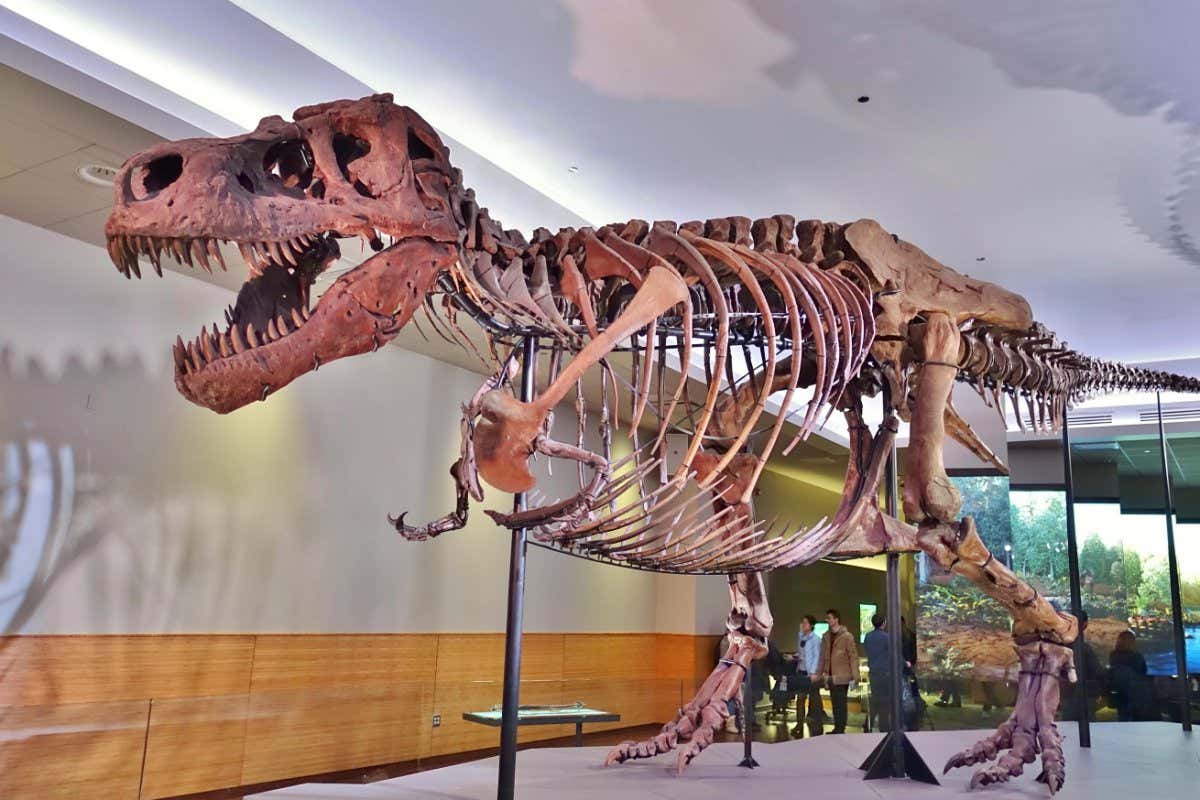

View of the Field Museum of Natural History (FMNH), a large natural history museum containing the skeleton of the Tyrannosaur

Tyrannosaurus rex may actually be three separate species

1 March 2022

After analysing the teeth and thigh bones of 38 T. rex fossils, some researchers propose reclassifying them as three different species, but others are unconvinced


A West African writing system shows how letters evolve to get simpler

A West African writing system shows how letters evolve to get simpler

11 January 2022

The characters used to write the Vai script, which was invented in Liberia in 1833, have become visually simpler over time, reflecting the evolutionary pressures acting on writing


Sign up to our weekly newsletter

Receive a weekly dose of discovery in your inbox. We'll also keep you up to date with New Scientist events and special offers.

Sign up
Piano Exit Overlay Banner Mobile Piano Exit Overlay Banner Desktop