Subscribe now
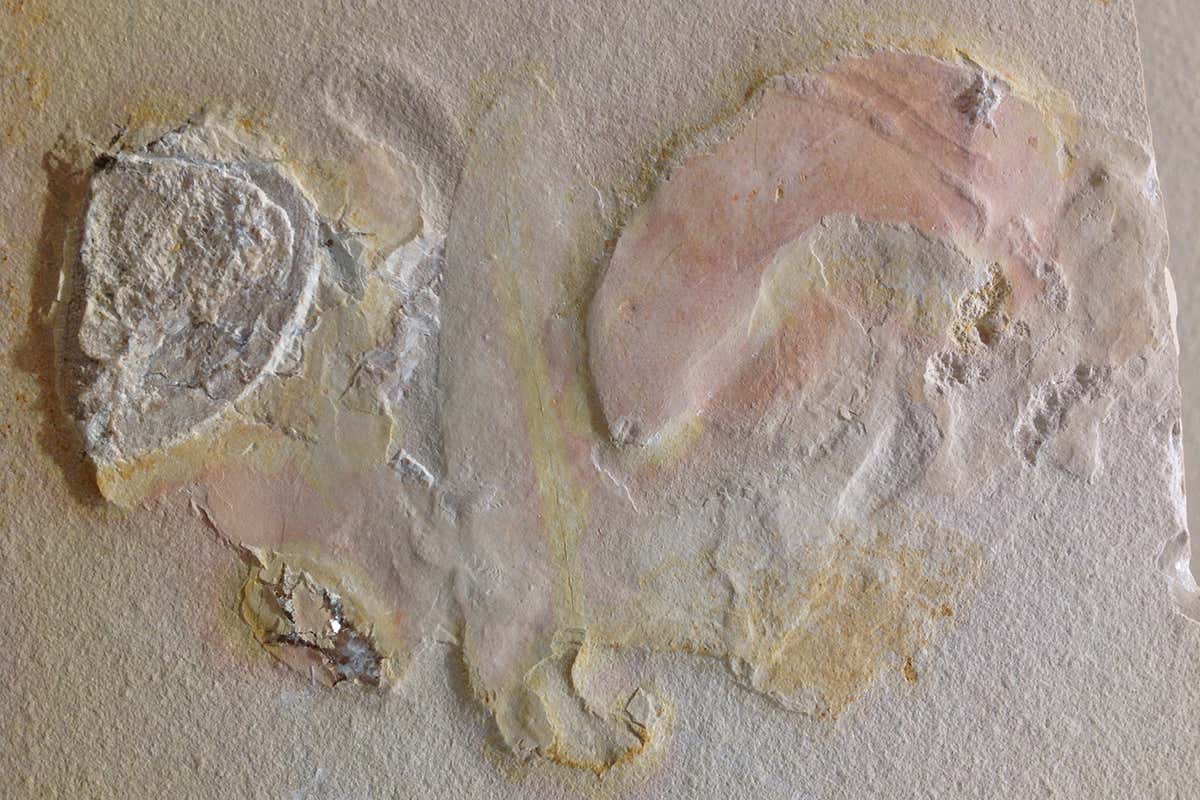
A fossil of an ammonite without its shell

Strange fossil is the first to show an ammonite without its shell

22 January 2021

Ammonites were swimming molluscs in the dinosaur age, and now we have found a fossil of one without its distinctive spiral shell – perhaps because it was attacked by a predator
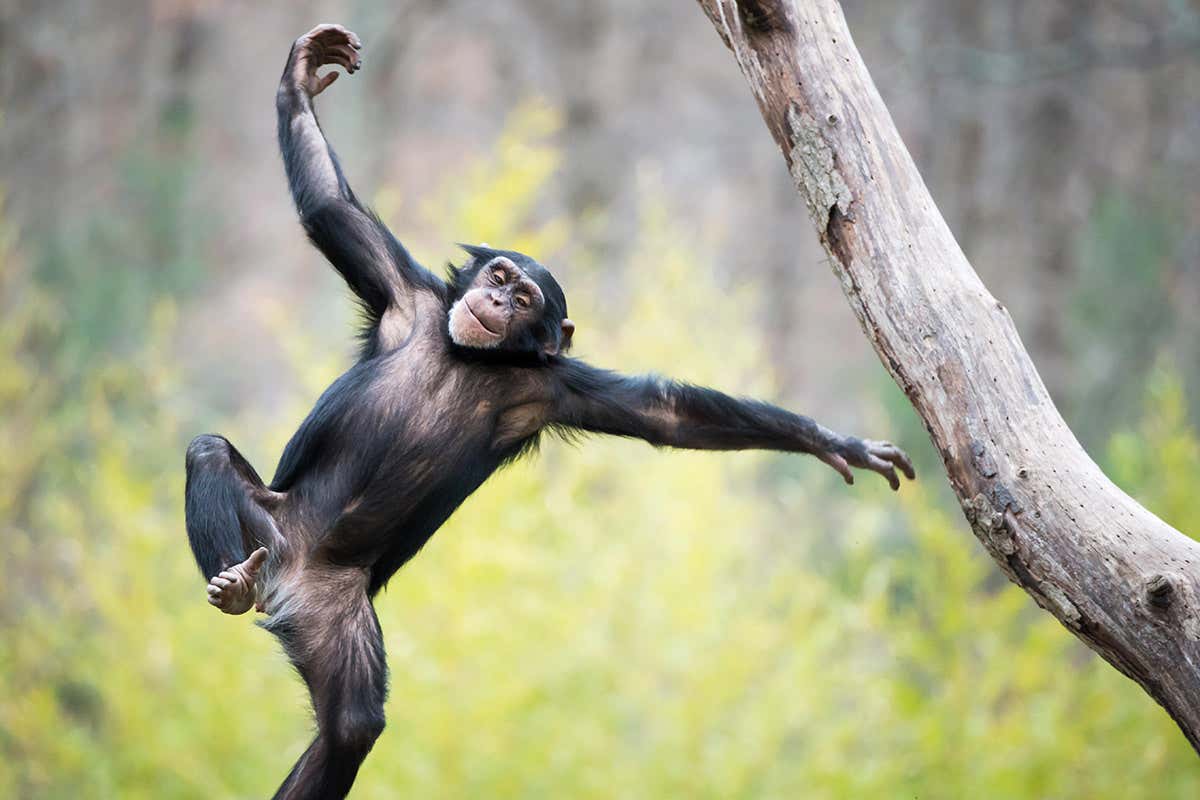
A young chimpanzee swinging from a tree

Origins of human music linked to our ancestors’ daredevil behaviour

8 January 2021

The roots of human music may go back to our primate ancestors developing elaborate calls to advertise that they were willing and able to perform death-defying leaps from tree to tree


Evolution is evolving: 13 ways we must rethink the theory of nature

Evolution is evolving: 13 ways we must rethink the theory of nature

23 September 2020

Do species really exist? Are genes destiny? Do only the fittest survive? Can we shape or stop evolution? New insights into nature are providing surprising answers, and a glorious new picture of life’s complexity


All five of Earth's largest mass extinctions linked to global warming

All five of Earth's largest mass extinctions linked to global warming

22 May 2020

There have been five particularly large extinction events in Earth’s history, and for the first time all of them have been linked to global warming


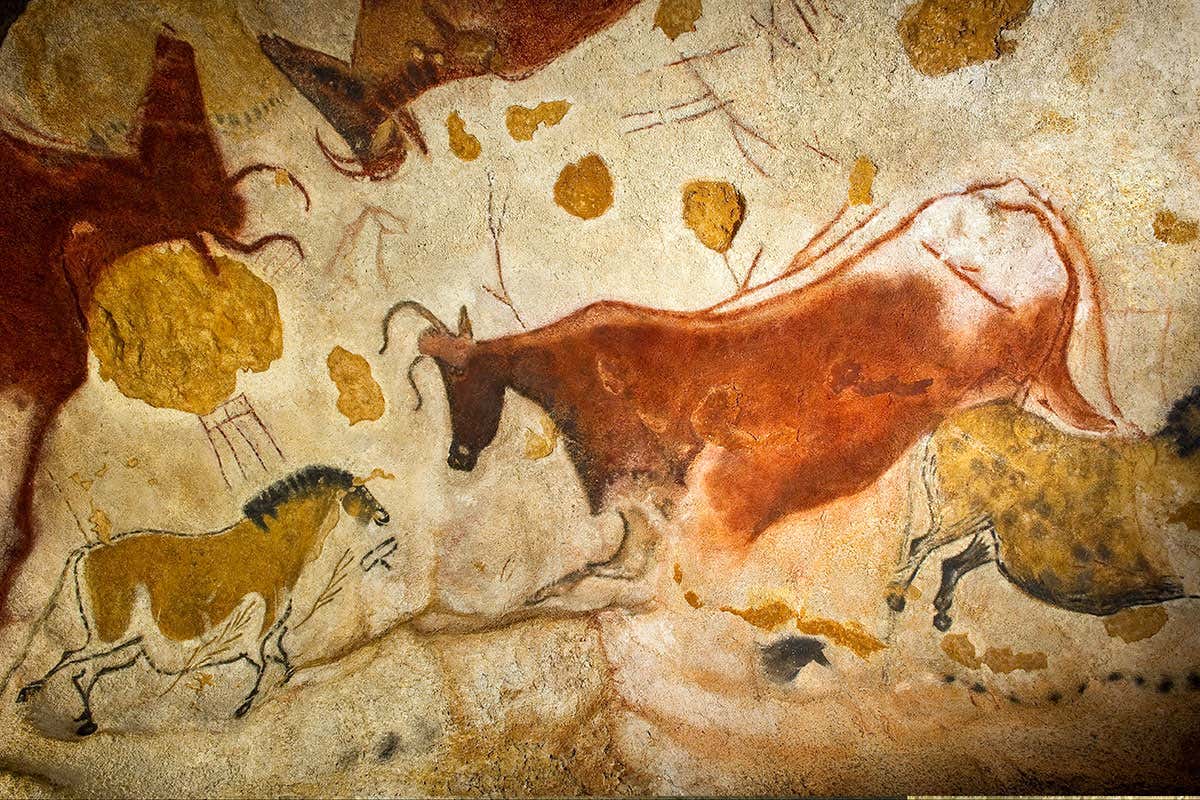
Lascaux II replica of a Lascaux cave painting. These are horse and cow figures in the central gallery. The original Lascaux cave was closed to the public in 1963. The full-scale Lascaux II replica opened nearby in 1983. The Lascaux cave paintings in south-western France, around 17,000 years old, were painted by Cro-Magnon man, an early European culture of modern humans (Homo sapiens sapiens), using red, brown and yellow ochre, and black manganese dioxide. They may have had religious and artistic significance. Photographed in 2010.

Stone Age artists were obsessed with horses and we don’t know why

15 November 2019

Stone Age artists loved drawing horses. One possible explanation is that this was because they believed horses were the most important of all the animals


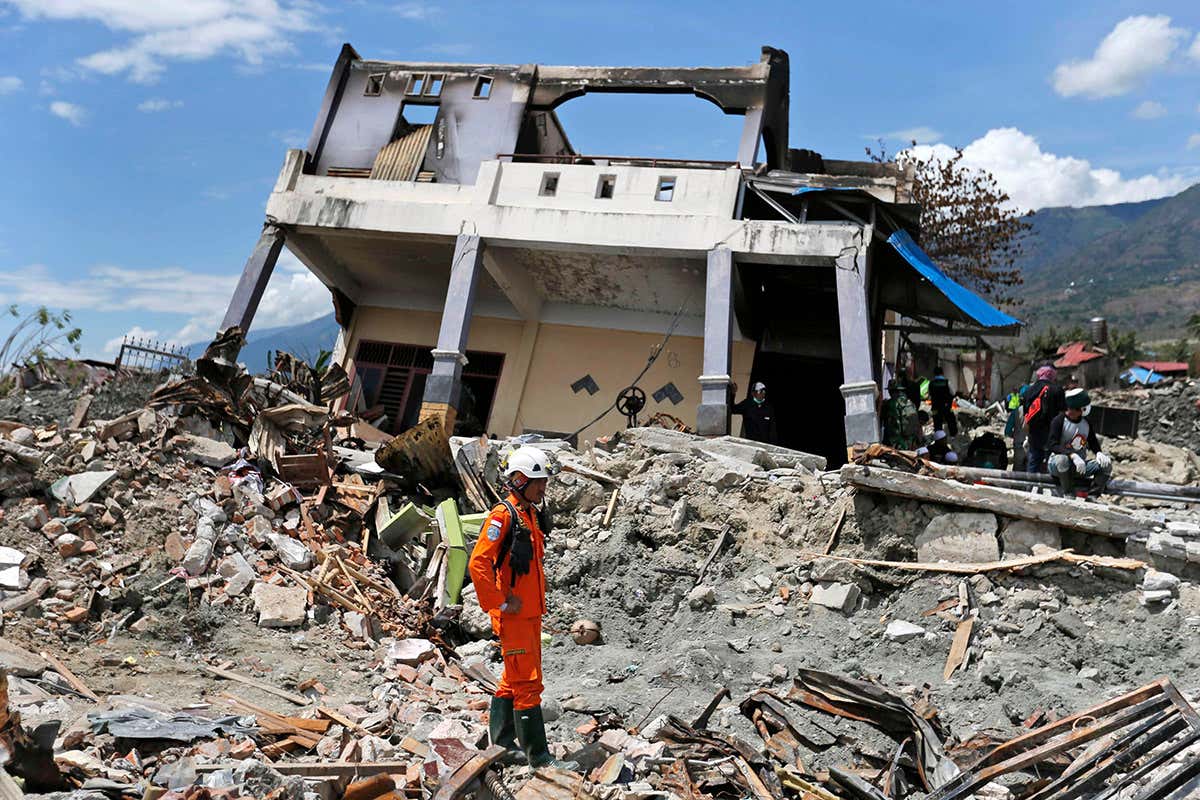
A rescue worker stands neat a collapsed house

Seismic boom may explain why 2018 Palu earthquake was so devastating

4 February 2019

More than 2000 people died when an earthquake and tsunami hit Indonesia last year. A seismic boom may explain why it was unusually devastating


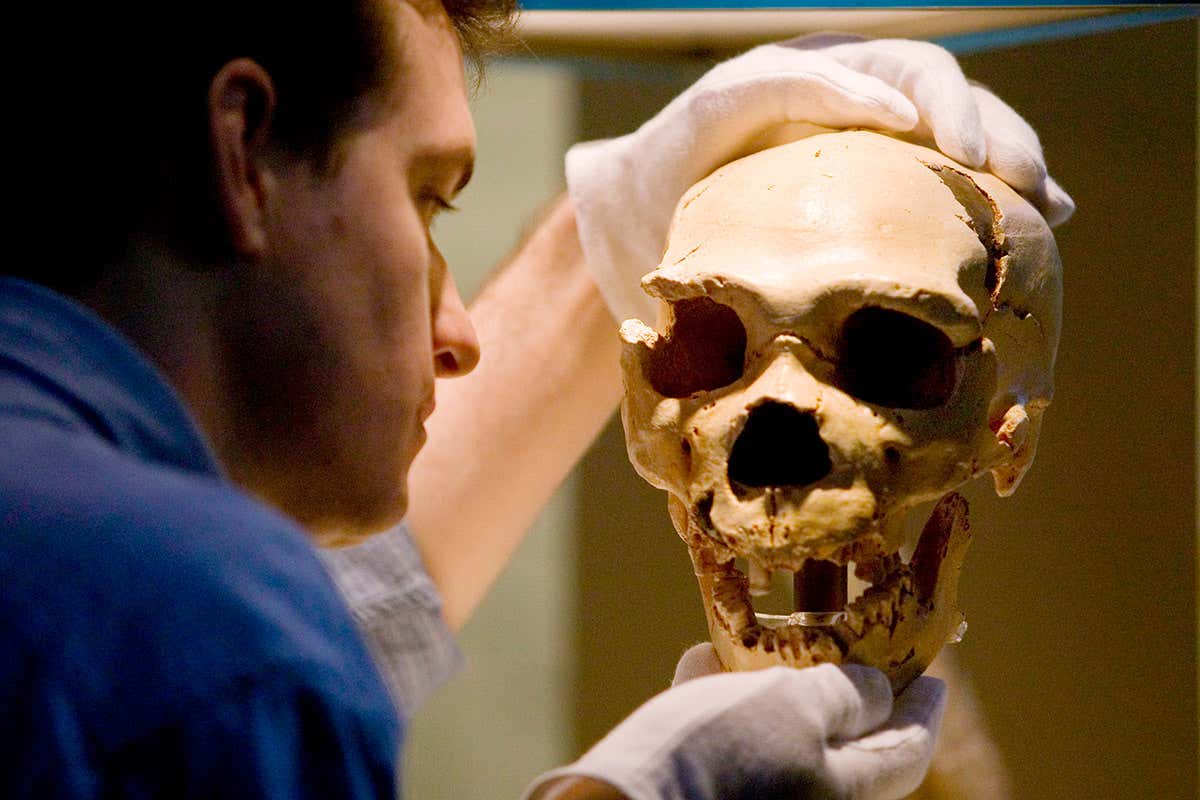
A neanderthal skull

The last Neanderthals may have died out much earlier than we thought

21 January 2019

Spain was seen as the only part of Europe humans struggled to colonise, allowing Neanderthals to cling on for longer – now that's being challenged


Little foot

Hominin v monkey deathmatch ended in a draw when they fell down a hole

21 December 2018

Fossils suggest that a 3.6-million-year-old early human ancestor called "Little Foot" may have died in a violent encounter with a primitive baboon


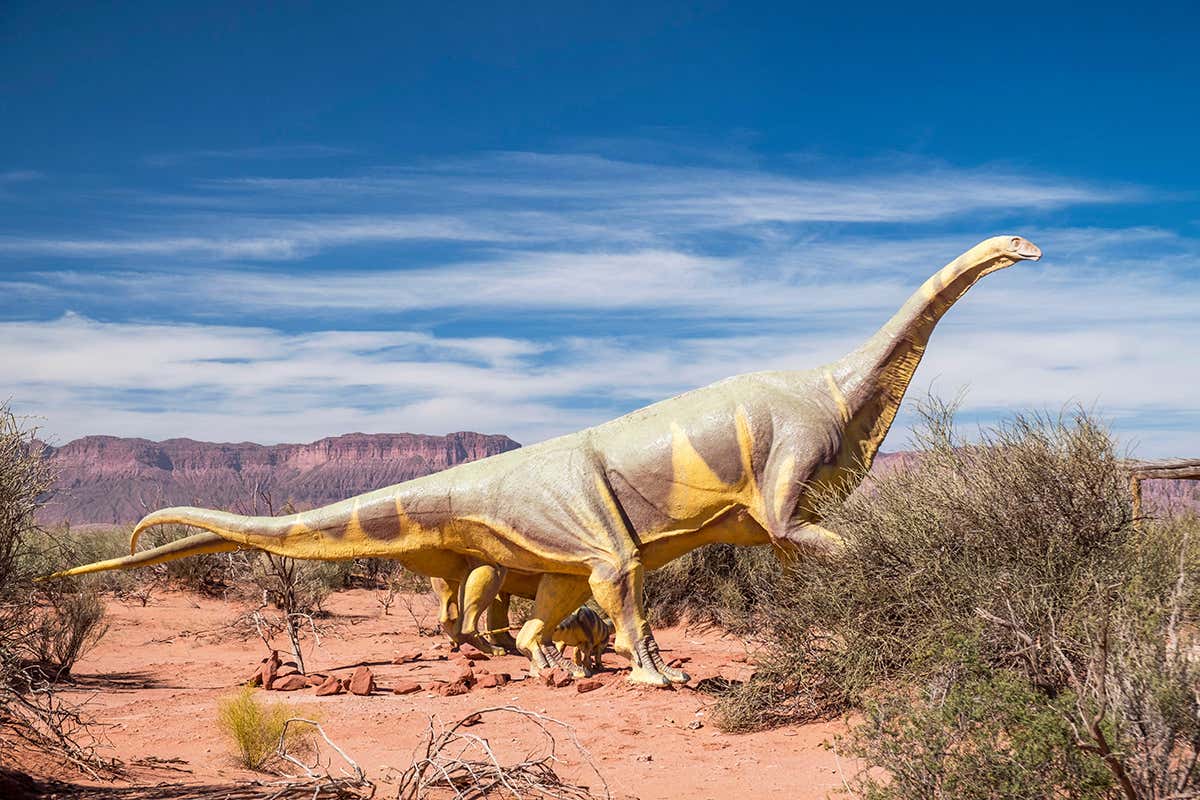
A dinosaur reproduction

The very first dinosaurs probably evolved in South America

19 December 2018

Dinosaurs conquered every major landmass, making it difficult to work out where they originally came from – but two studies both conclude they were southerners


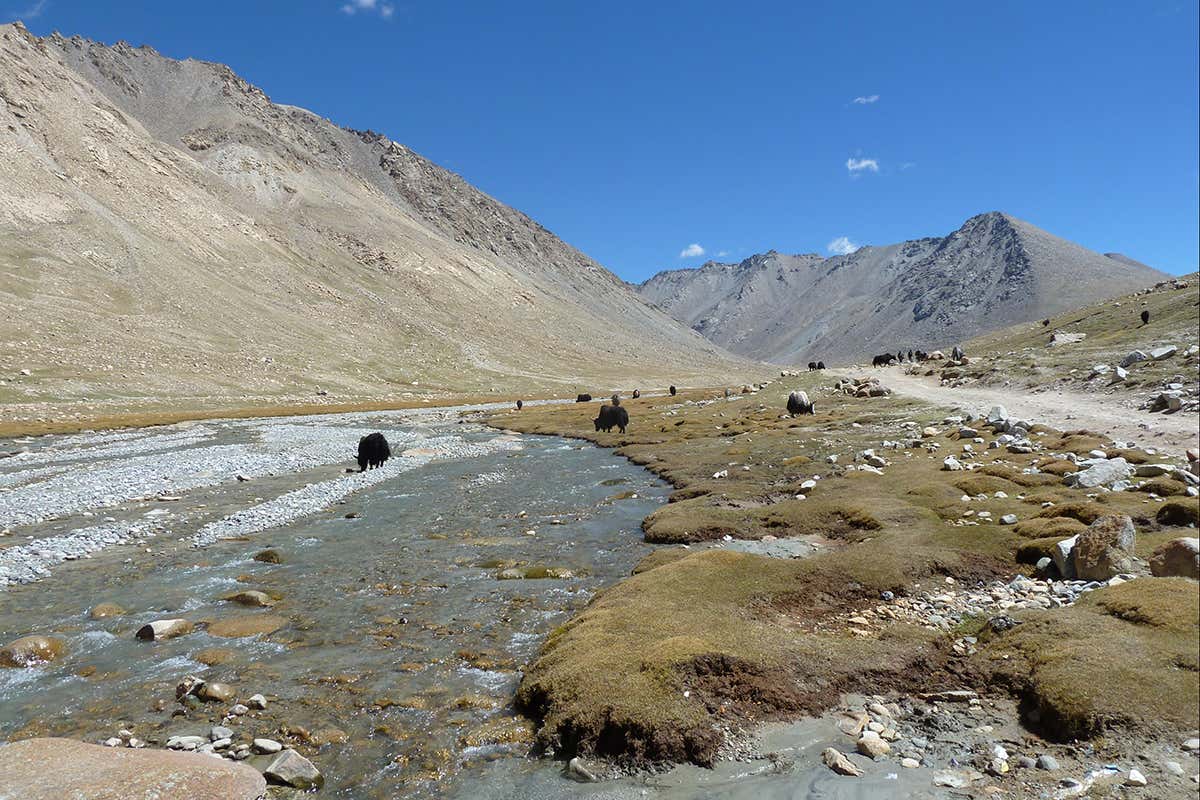
Extinct 'Denisovan' people may have lived on Earth's highest plateau

Extinct 'Denisovan' people may have lived on Earth's highest plateau

29 November 2018

The Tibetan Plateau is a tough environment so we thought humans arrived only about 12,000 years ago, but it seems someone was there 40,000 to 30,000 years ago


Sign up to our weekly newsletter

Receive a weekly dose of discovery in your inbox. We'll also keep you up to date with New Scientist events and special offers.

Sign up
Piano Exit Overlay Banner Mobile Piano Exit Overlay Banner Desktop