Subscribe now
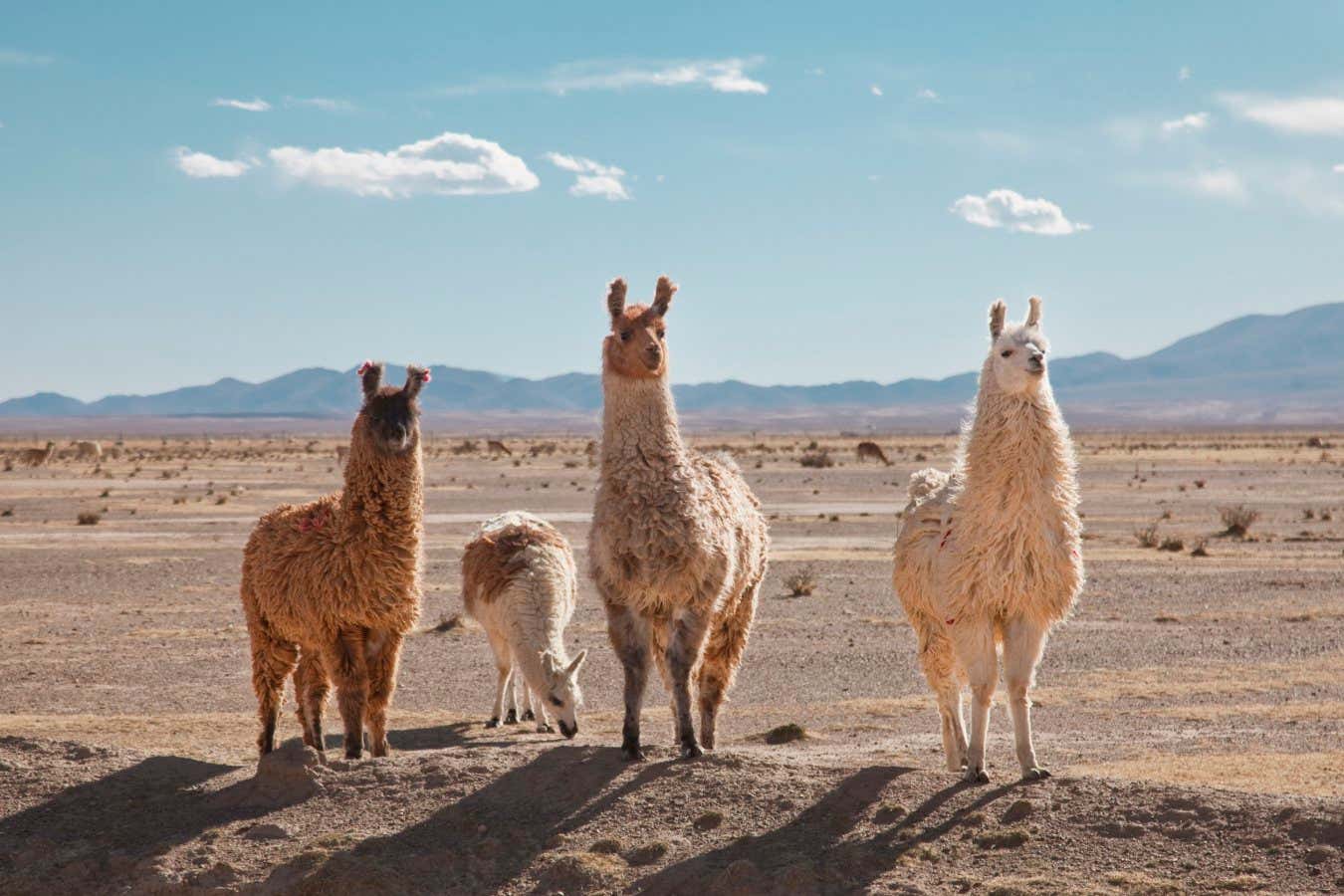
Llamas can learn by watching others

Llamas solve problems faster after watching people do it

14 July 2023

Llamas are able to learn from other llamas and even more effectively from humans, possibly because thousands of years of domestication gave them the ability to read human social cues
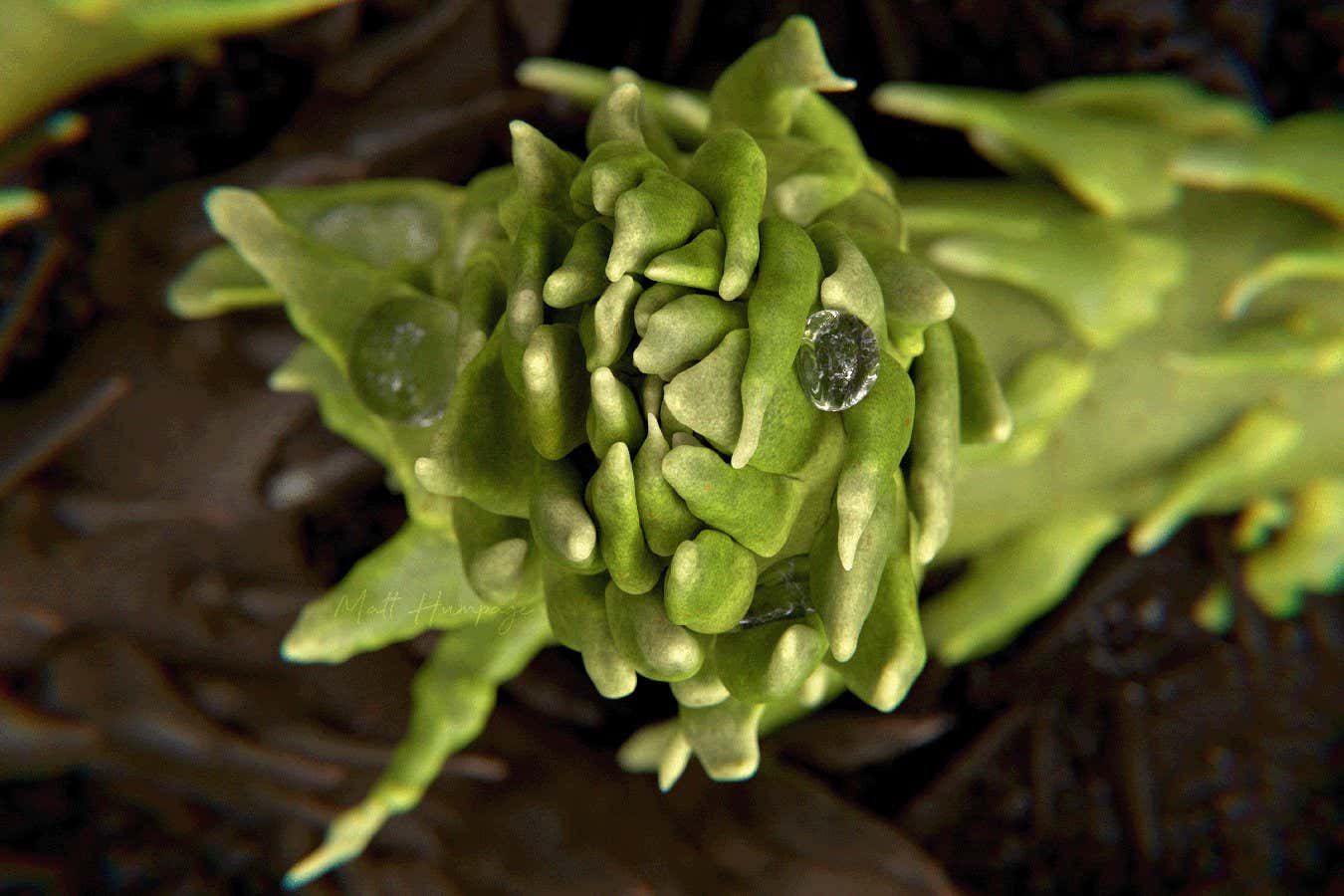
Ancient plant's leaves didn't follow golden rule as modern ones do

15 June 2023

Most modern plants grow leaves in a pattern that follows the Fibonacci sequence, but a reconstruction of a 400-million-year-old plant reveals that its leaves grew much more chaotically


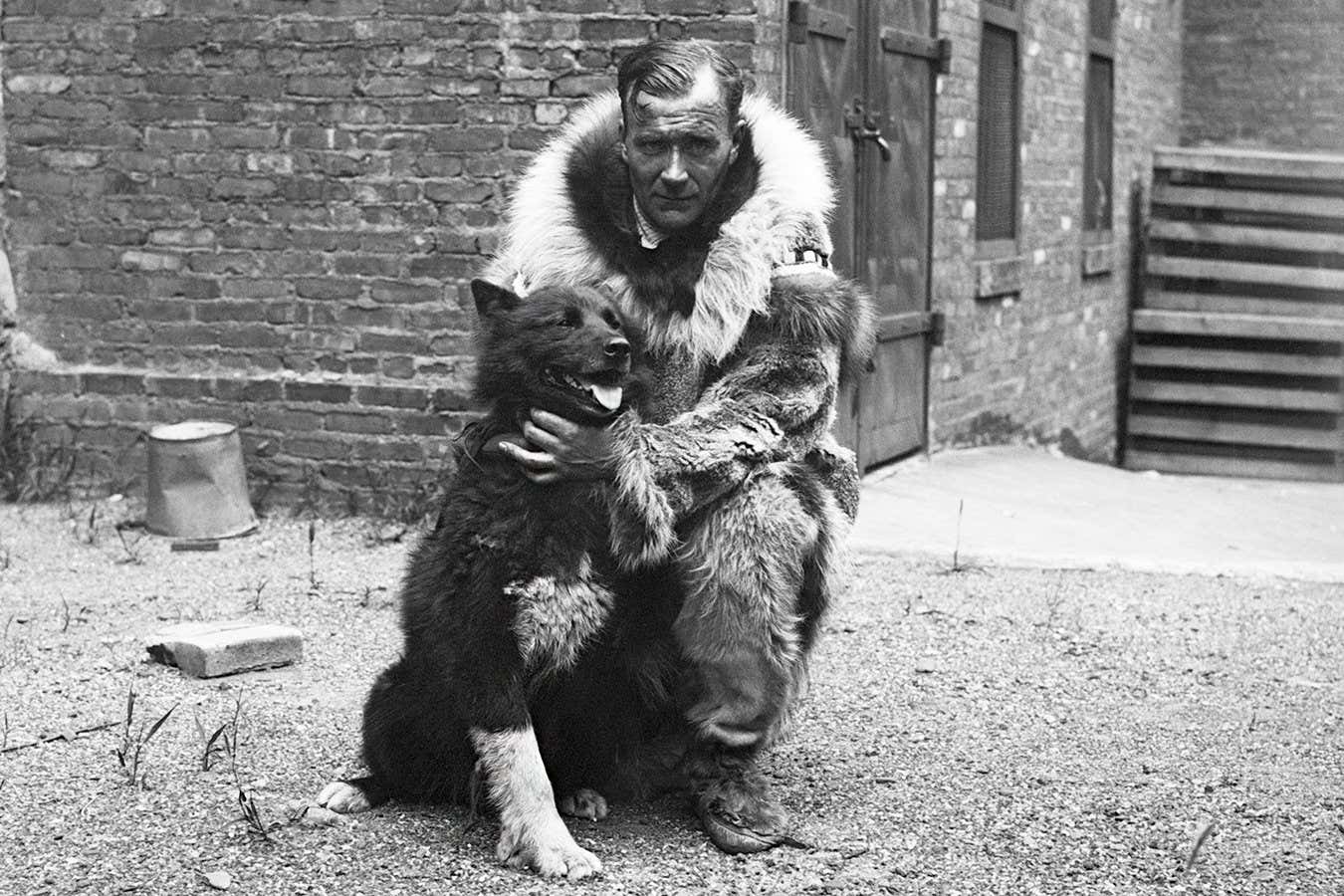
A black-and-white photo of a man dressed in warm furs crouching down next to Balto, a dog that appears to be a dark-furred husky type dog. Behind them is a brick building.

Balto's genome reveals famed sledge dog was a mutt

27 April 2023

Balto had a varied ancestry, sharing genes with Siberian huskies, Greenland sledge dogs, Vietnamese village dogs and Tibetan mastiffs


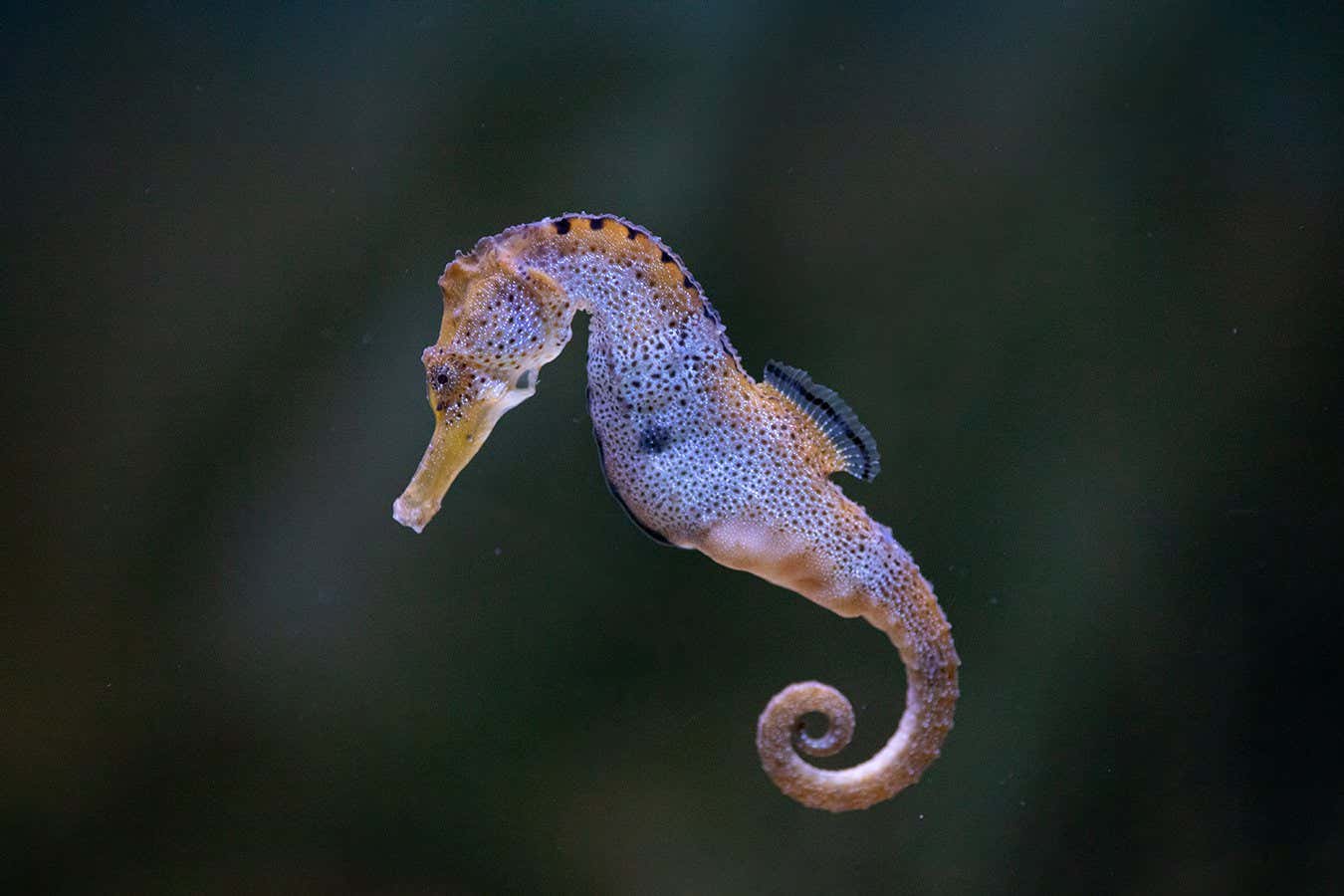
Seahorses use a spring motion to quickly capture their food

Seahorses have a super strong gulp thanks to two spring-like tendons

11 April 2023

Elastic tendons let seahorses suck in water around eight times faster than they could using muscle power alone


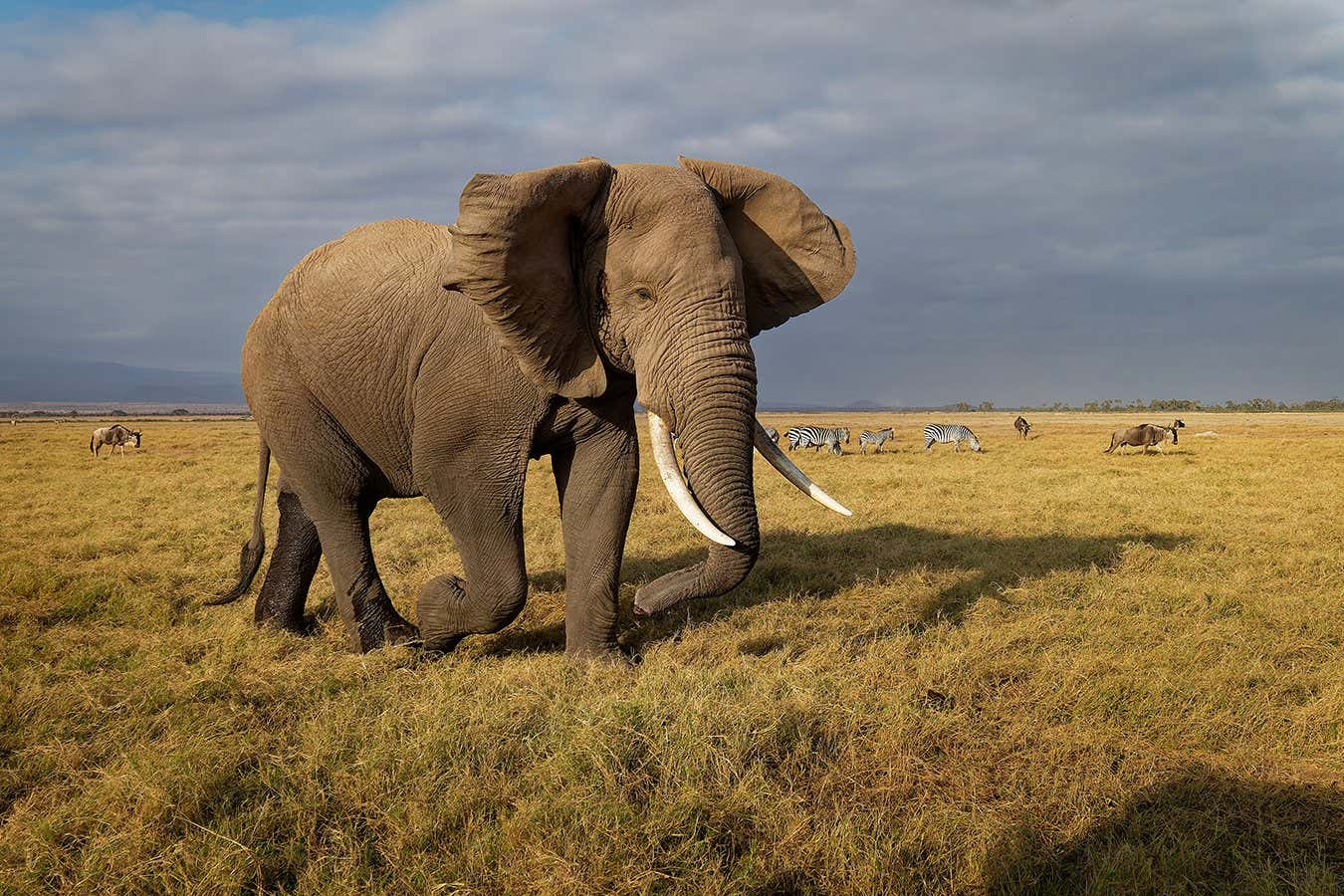
An African bush elephant in Amboseli National Park, Kenya

Wild African elephants may have domesticated themselves

3 April 2023

African savannah elephants play, care for their young and show social behaviours associated with domestic animals, despite never being domesticated by humans


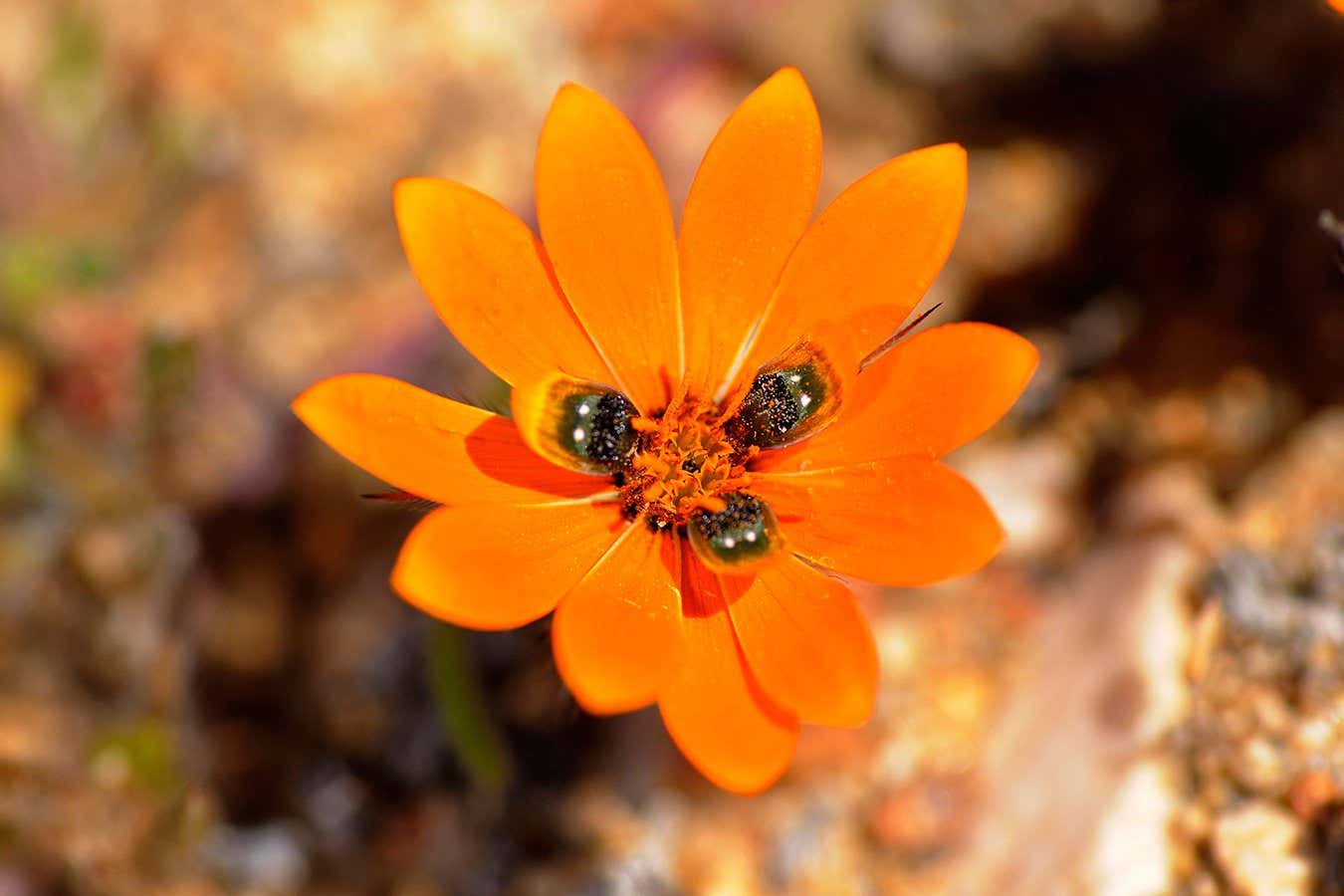
Beetle daisy (Gorteria diffusa), Springbok, Namaqualand, South Africa - Image ID: C119J6 (RF)

How daisies make deceptive petals that look like female flies

23 March 2023

South African daisies co-opt the genes they usually use to grow root hairs and transport iron to create petals that resemble female flies – enticing males to land and pollinate the plant


The giant lacewing found in Arkansas

Giant insect thought extinct in eastern US found in a Walmart

2 March 2023

A giant lacewing found clinging to the exterior of a supermarket is the first time in 50 years the species been spotted in the eastern half of the US


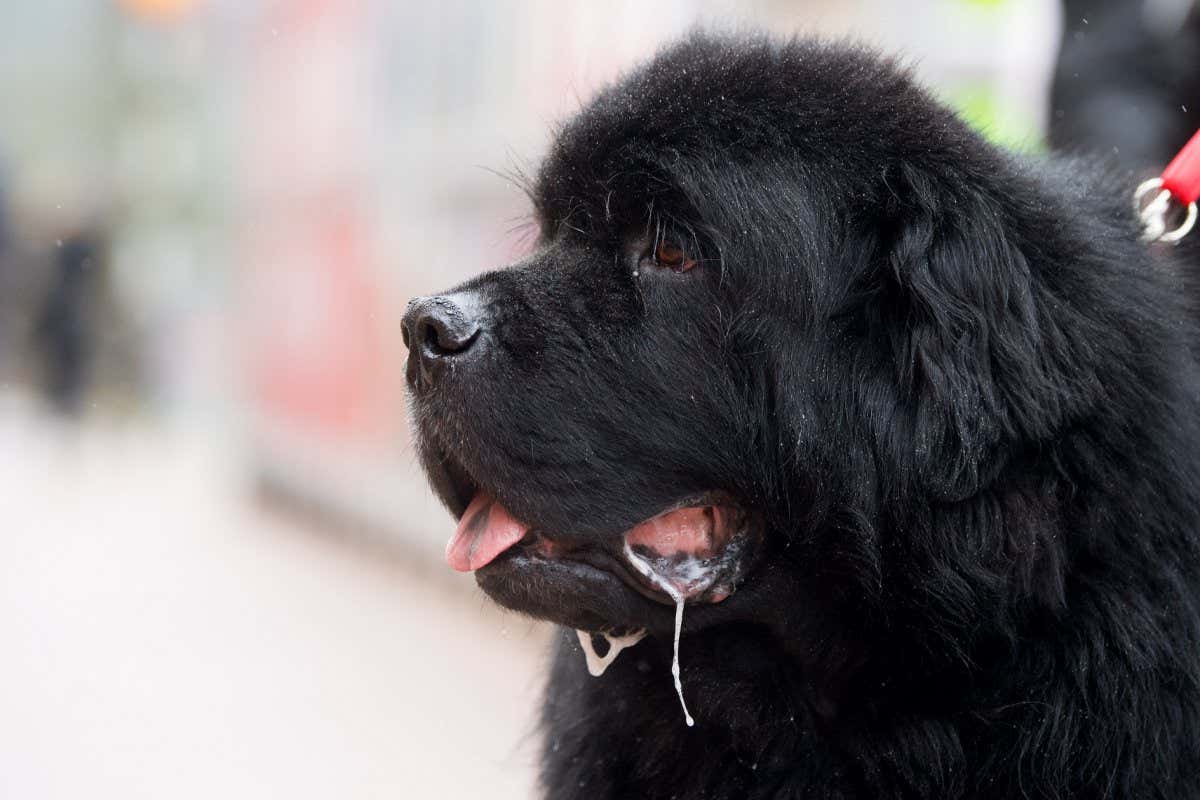
A large, black Newfoundland dog with drool dripping from its half open mouth

Mucus has evolved at least 15 times in mammals

26 August 2022

Mucus-producing mucin proteins have repeatedly and independently emerged in mammals, possibly through co-option of existing proteins into slime factories


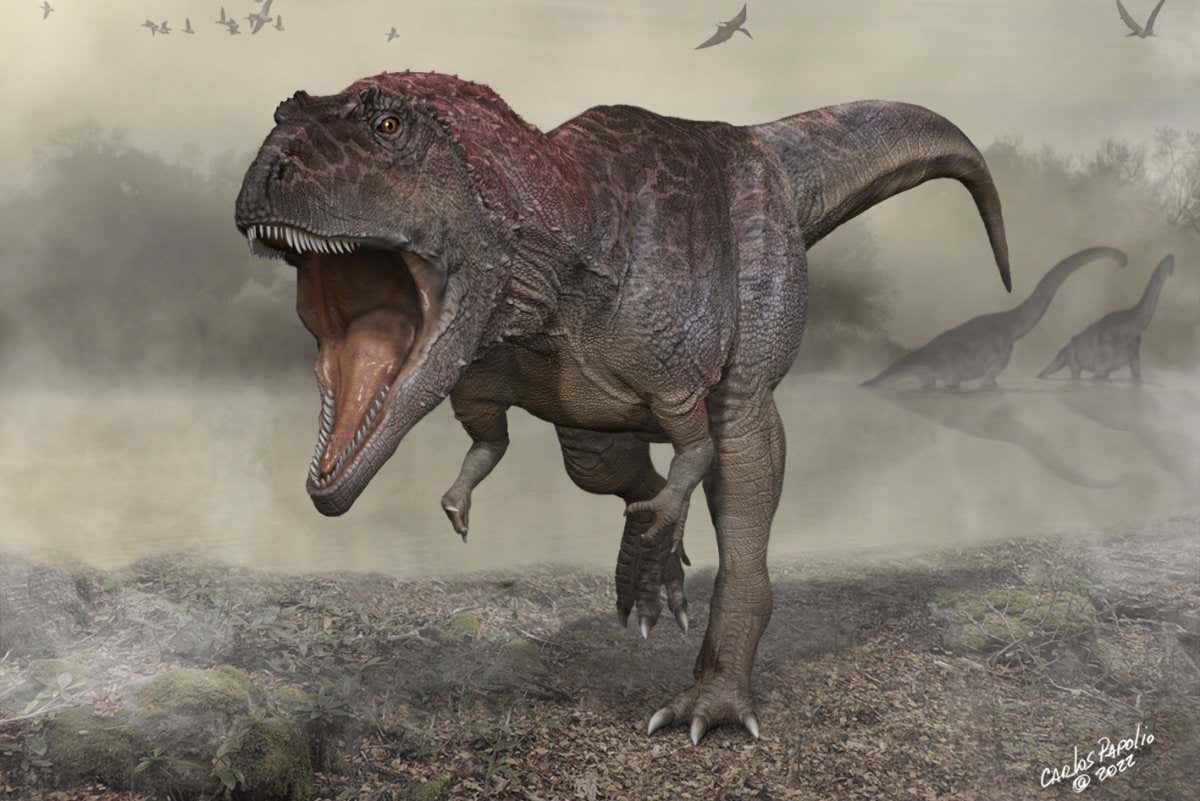
An artist illustration of Meraxes

Meraxes gigas was a huge dinosaur with tiny arms like T. rex

7 July 2022

A dinosaur discovered in Argentina has been identified as a new species. Meraxes gigas lived 20 million years before T. rex, but had a similarly large body, sharp teeth and proportionately small arms


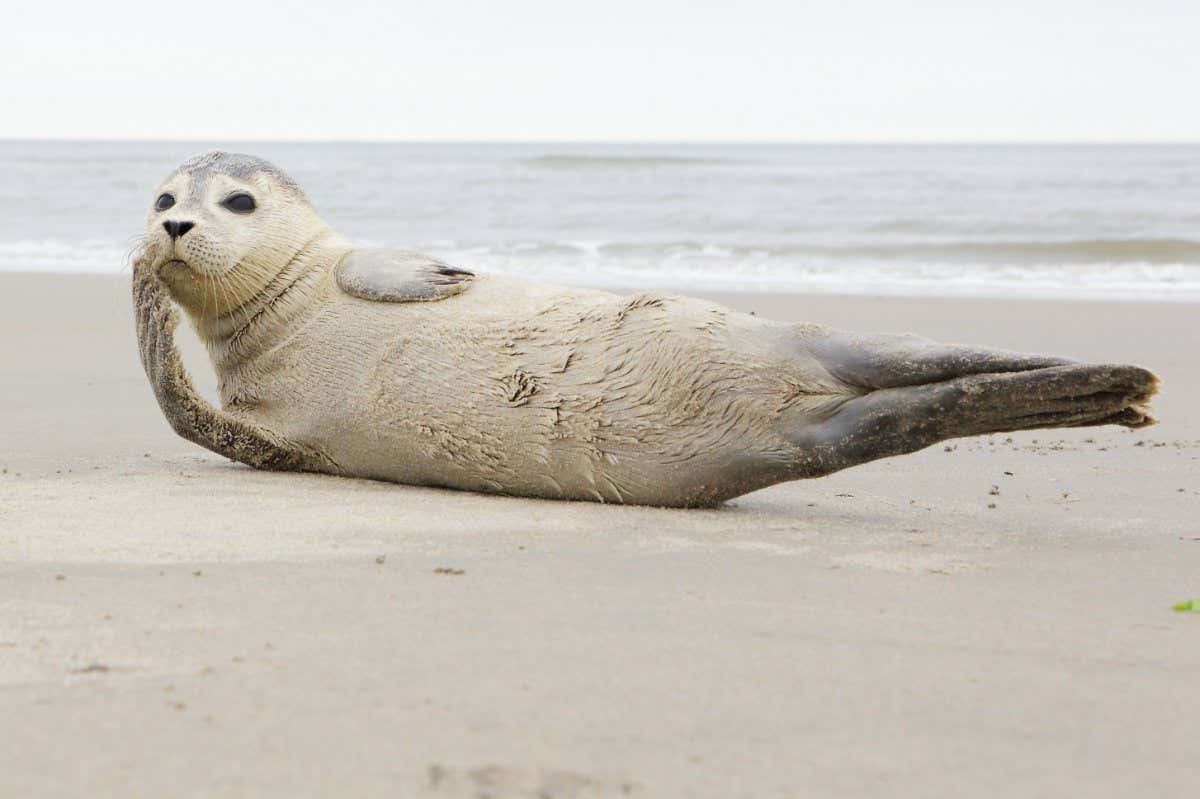
AMELAND. Common Seal - Gewone Zeehond - Phoca vitulina. AMELAND BEACH. DUTCH.; Shutterstock ID 667436896; purchase_order: 22 April online; job: Photo; client: NS; other:

Harbour seals can learn how to change their voices to seem bigger

29 April 2022

The vocal gymnastics of harbour seals, including the ability to significantly raise or lower their pitch, seem not to be down to anatomy but learning from one another


Sign up to our weekly newsletter

Receive a weekly dose of discovery in your inbox. We'll also keep you up to date with New Scientist events and special offers.

Sign up
Piano Exit Overlay Banner Mobile Piano Exit Overlay Banner Desktop