
Cutting pesticide use on farms doubles abundance of wild pollinators
18 July 2023
In a three-year study on US farms, the numbers of wild pollinators and commercial bees were much higher in fields where pesticides were applied only when needed
18 July 2023
In a three-year study on US farms, the numbers of wild pollinators and commercial bees were much higher in fields where pesticides were applied only when needed
17 June 2023
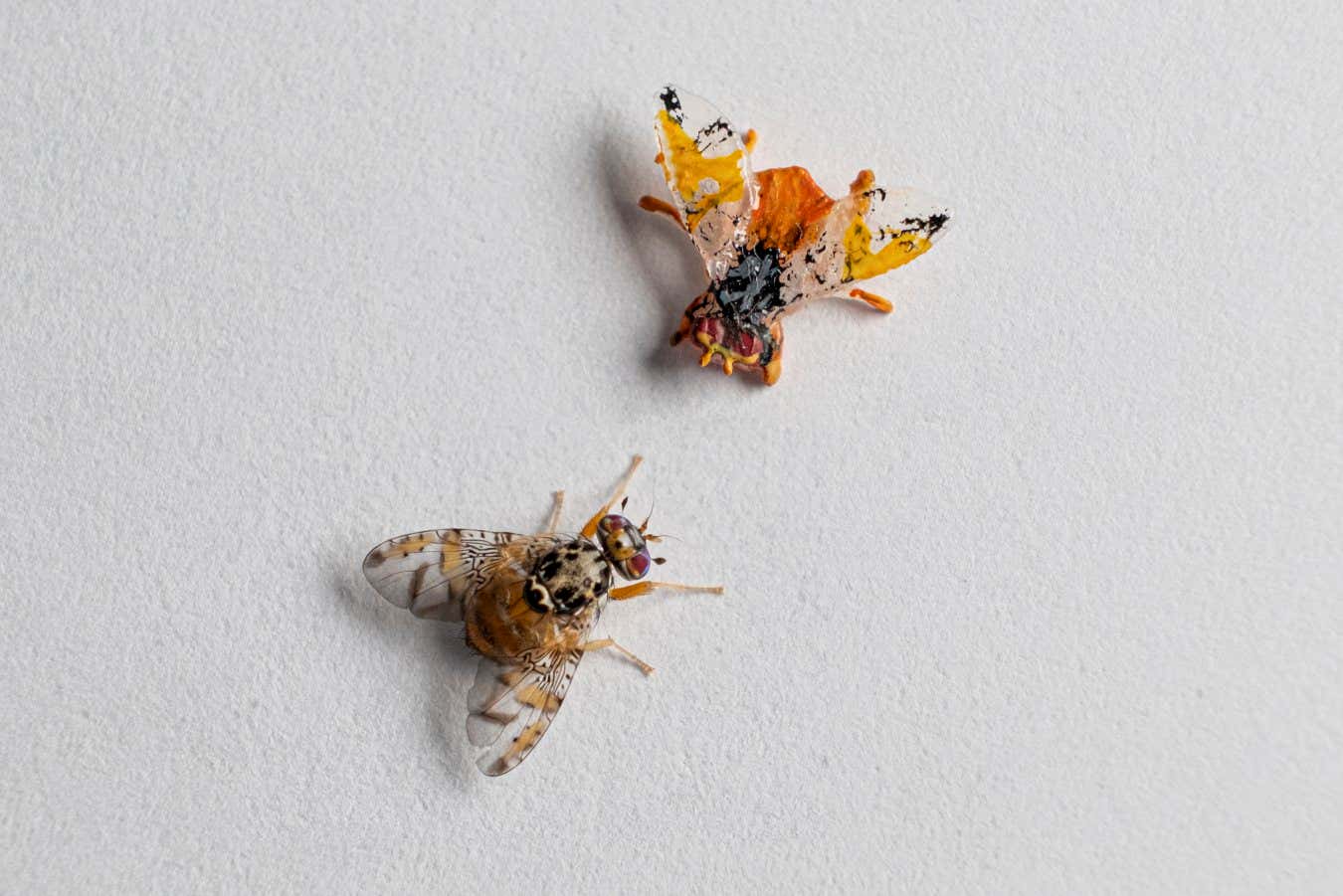
Lab-reared insects sometimes struggle to compete for mates with wild males, but an encounter with a robotic replica seems to improve their performance
2 April 2023
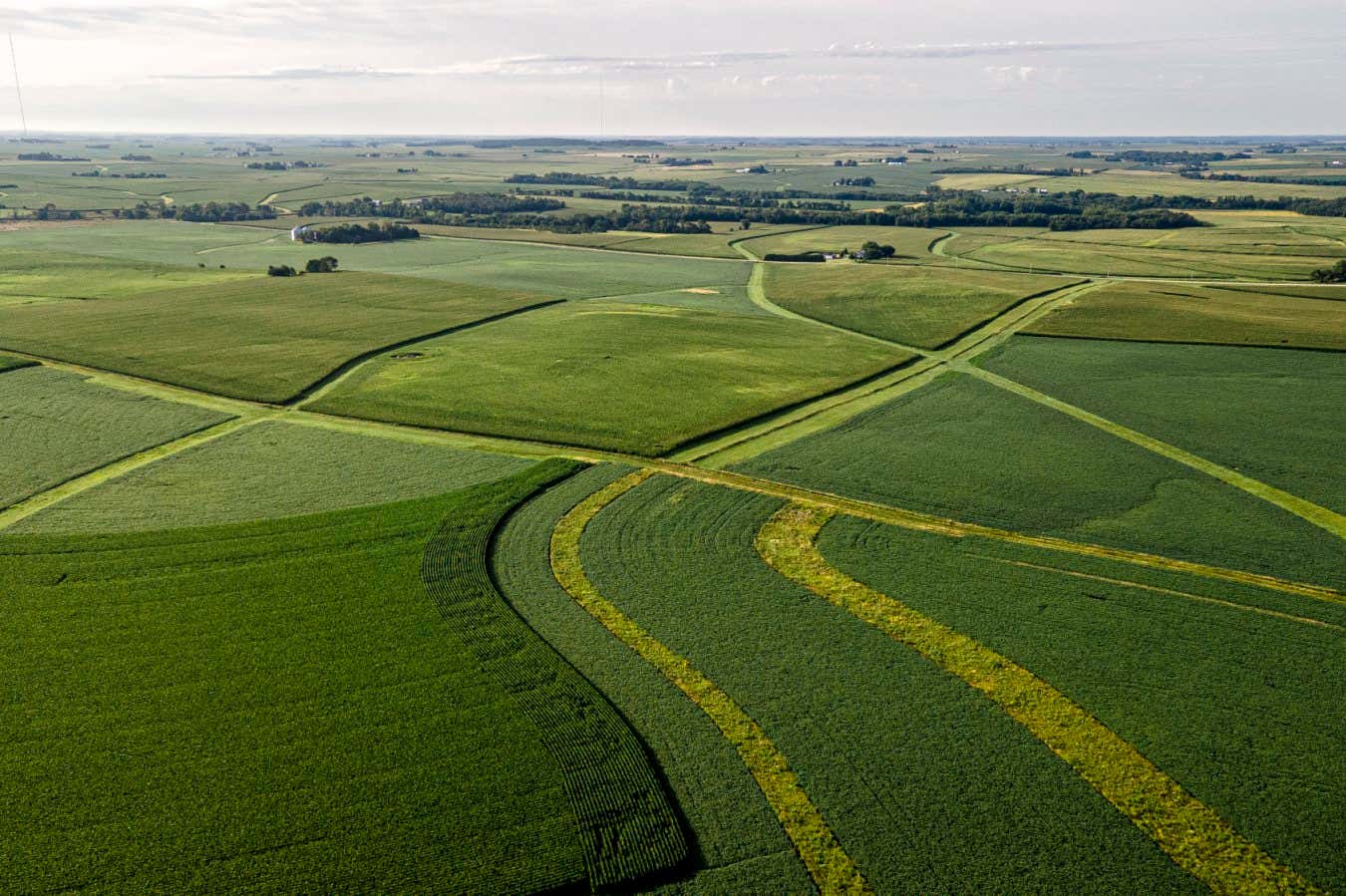
Prairie strips, areas of wild vegetation within intensive farms, are associated with bee colonies collecting more pollen, growing larger and having better winter survival rates
13 January 2023
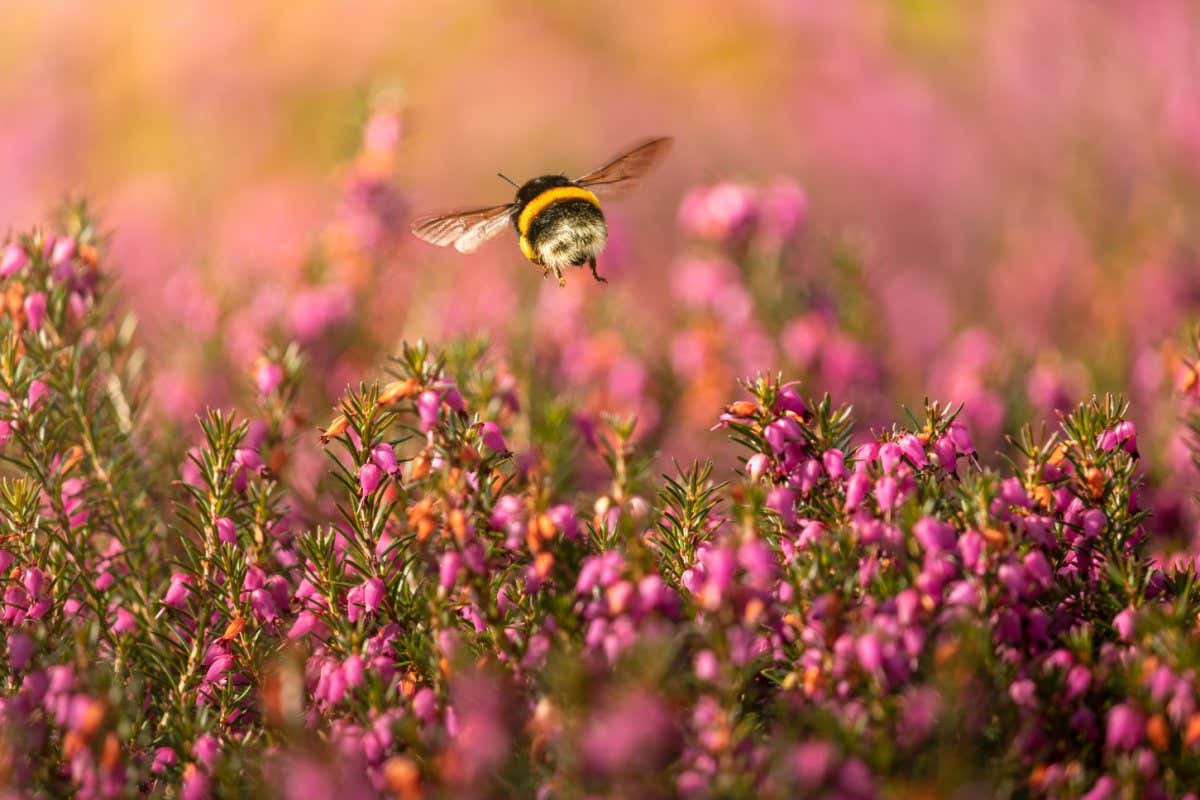
Invertebrate monitoring data from 1990 to 2018 show that protected areas in Britain are losing species at the same rate as unprotected areas
21 December 2022
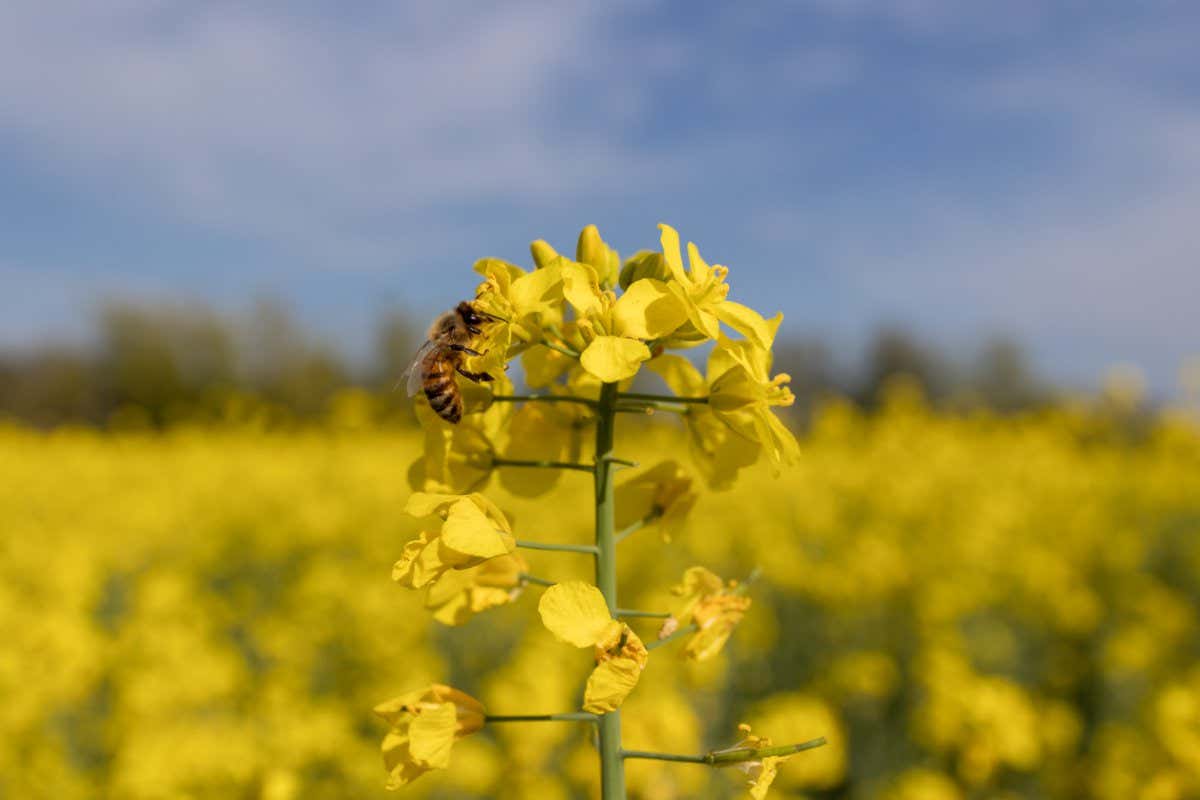
Inadequate numbers of bees and other pollinators have a huge impact on human health due to lower production of fruit and vegetables, according to a modelling study
14 November 2022
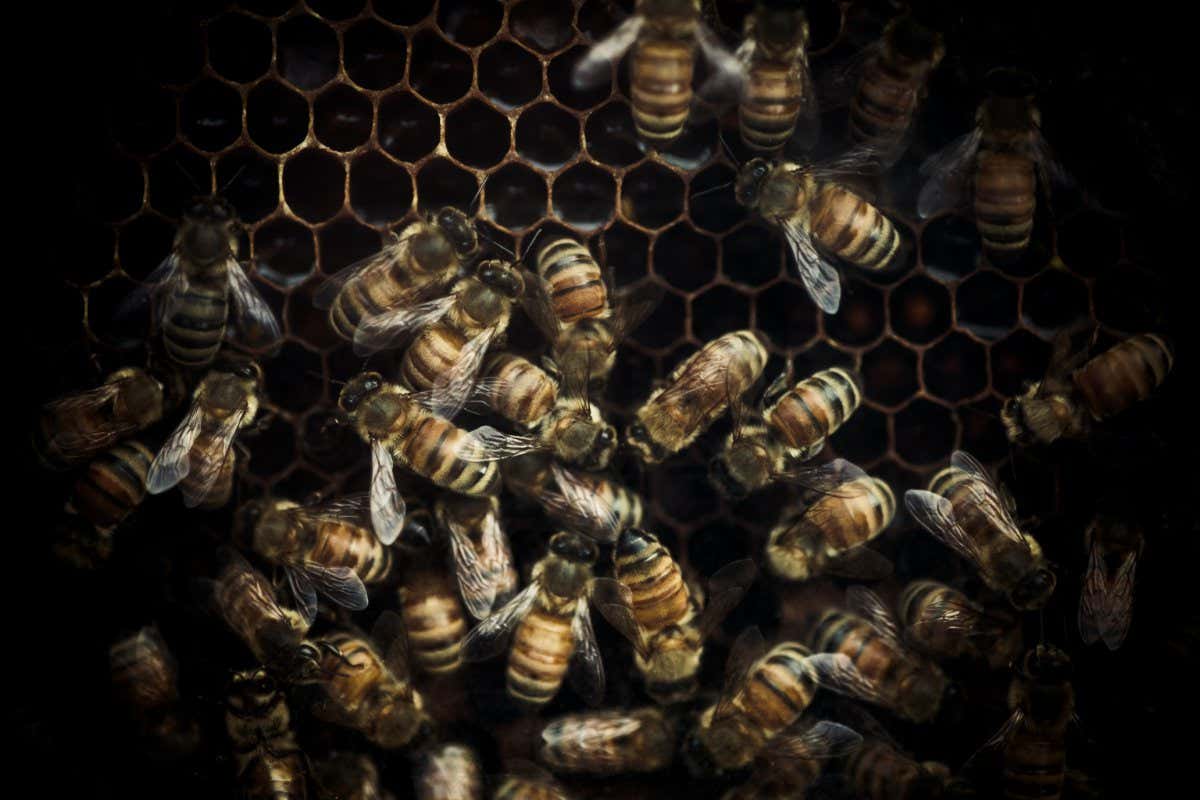
The lifespan of bees raised in US laboratories is half what it was in the 1970s, suggesting there may be a genetic reason behind increasing rates of colony collapse
21 October 2022
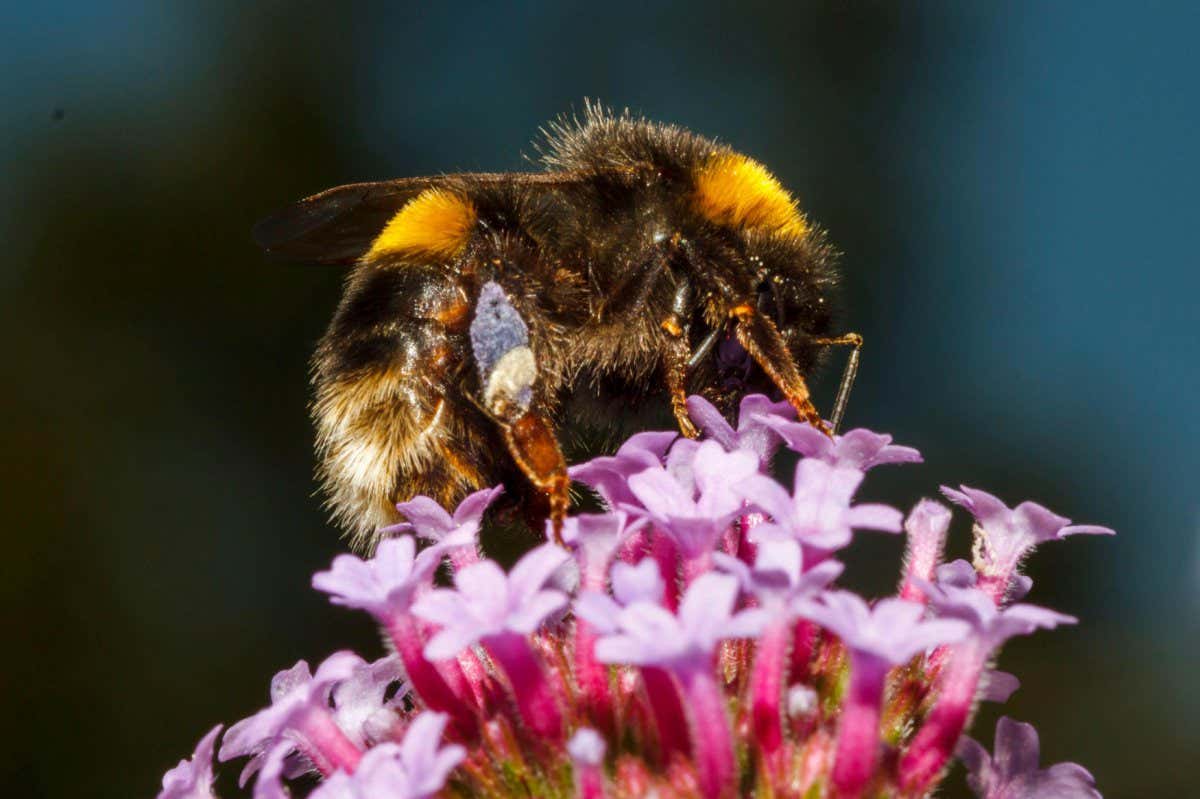
Bumblebees exposed to glyphosate performed worse in tests that required them to remember which colours were linked to rewards
27 July 2022
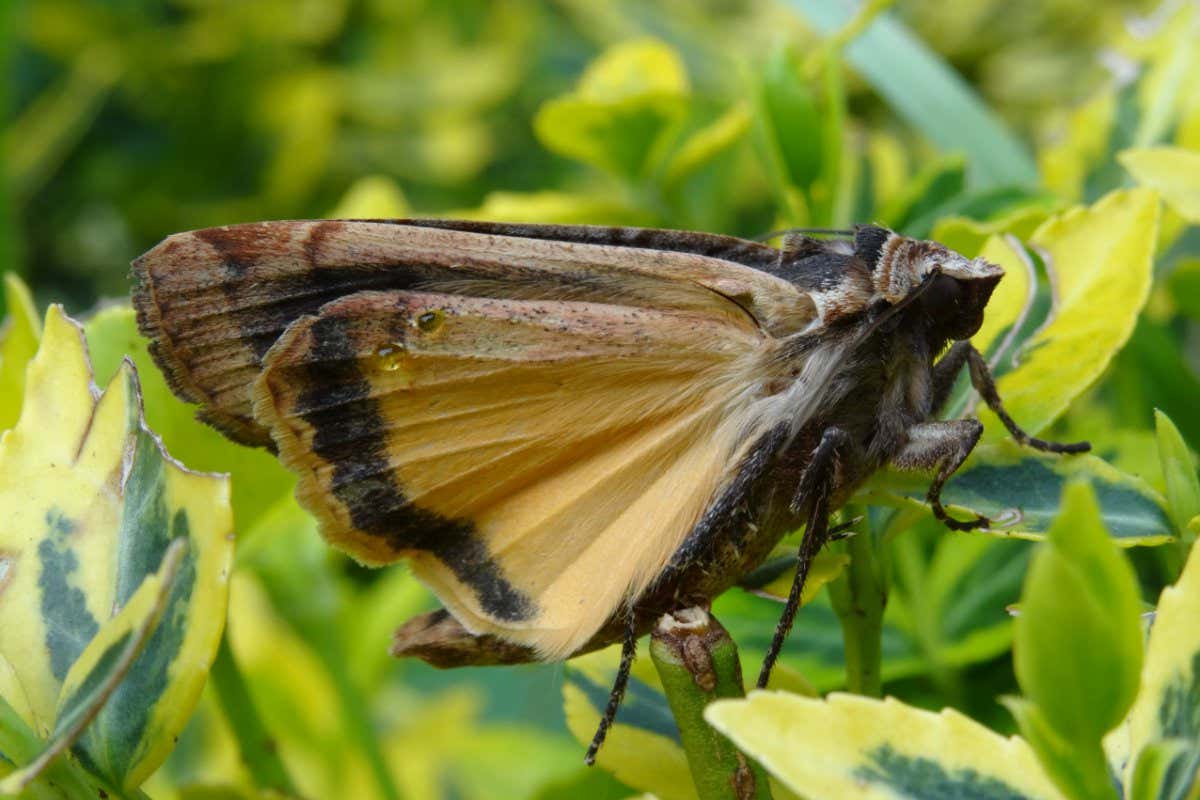
Time-lapse cameras are uncovering how crucial night-time visits from moths are for pollinating red clover, a valuable forage crop
23 June 2022
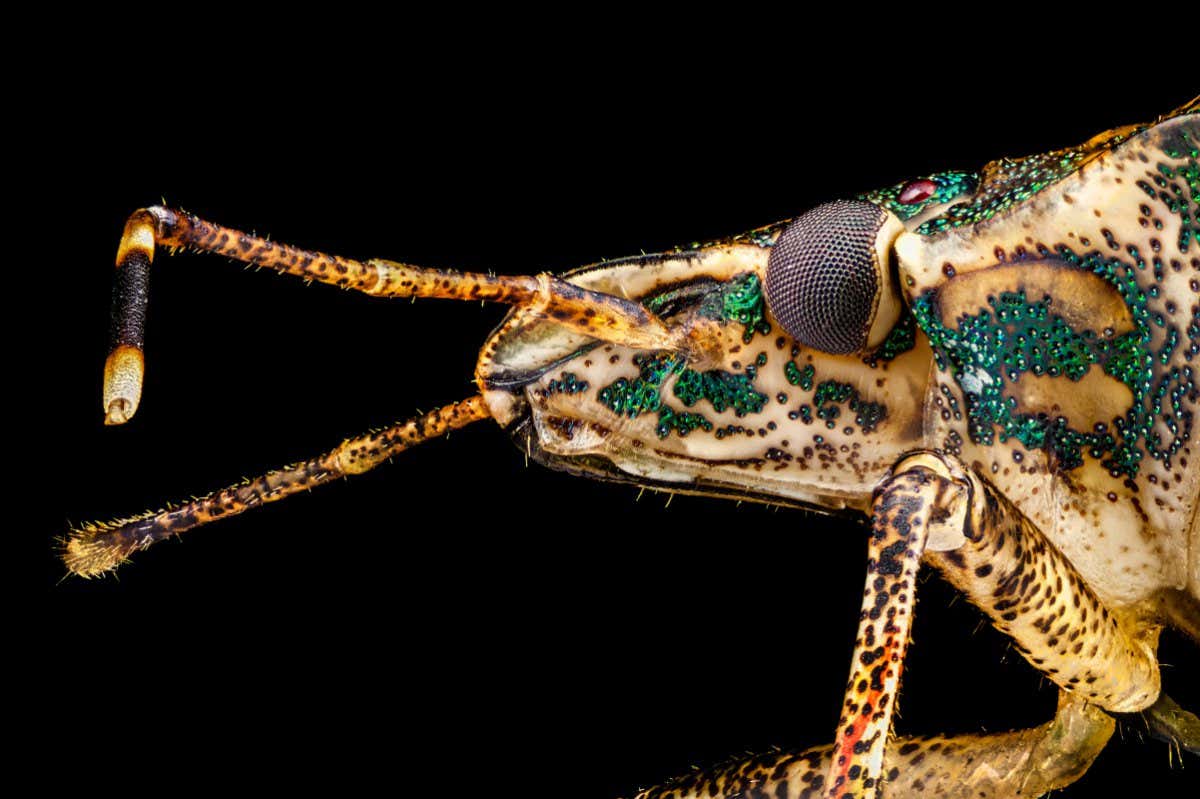
A trial in Italy deployed a native wasp that lays eggs inside the eggs of the brown marmorated stink bug, an invasive pest that feeds on apples and other crops
17 May 2022
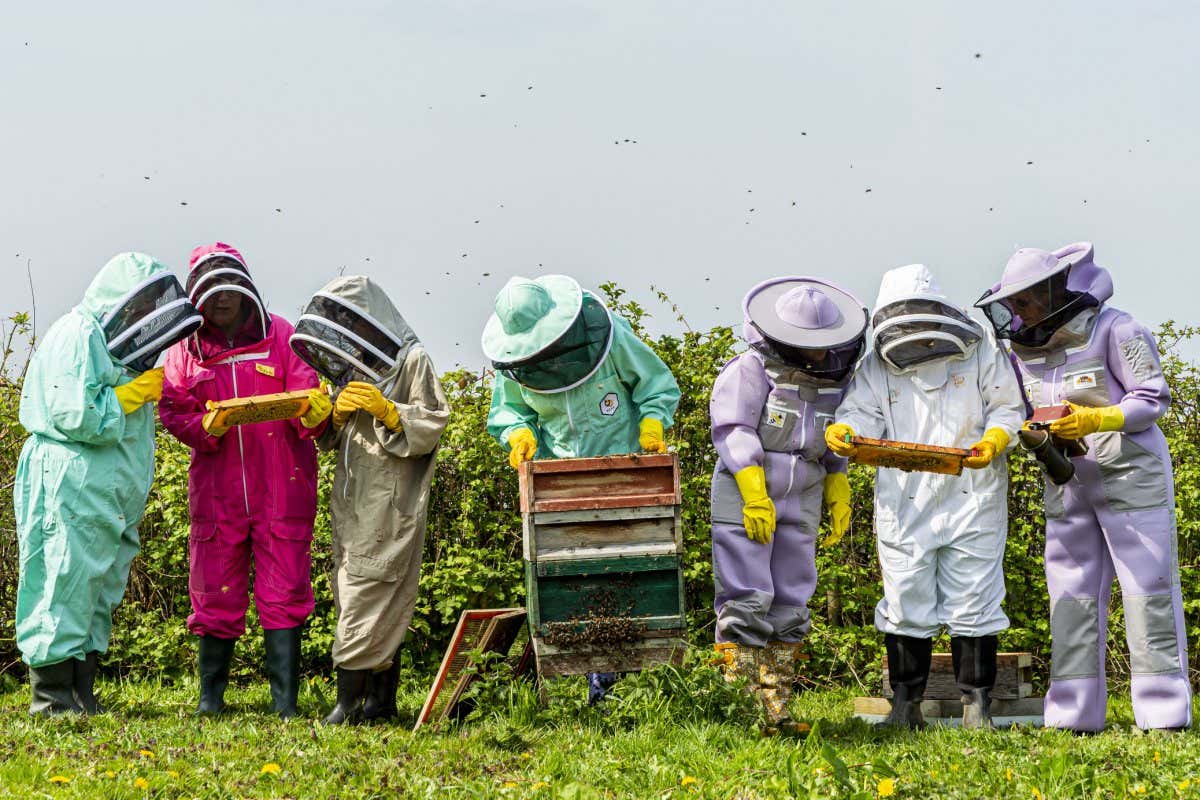
As demand for crops grows, the pollination services provided by the honeybees managed by beekeepers are becoming increasingly insufficient
