
Chronic constipation is associated with cognitive decline
19 July 2023
A large study found that infrequent bowel movements are associated with a 73 per cent increased risk of cognitive decline, including deficits in memory and attention
19 July 2023
A large study found that infrequent bowel movements are associated with a 73 per cent increased risk of cognitive decline, including deficits in memory and attention

13 July 2023
Faecal transplants alleviated nerve pain in people with diabetes, suggesting gut bacteria may play a role in causing such pain

26 May 2023
A pathway between the brain and the immune system discovered in mice could explain why prolonged stress can exacerbate inflammatory bowel disease

12 April 2023
Mice that received gut microbes from children with epilepsy on the ketogenic diet were protected from seizures. The finding suggests the microbiome is behind the diet's seizure-reducing effect
8 February 2023
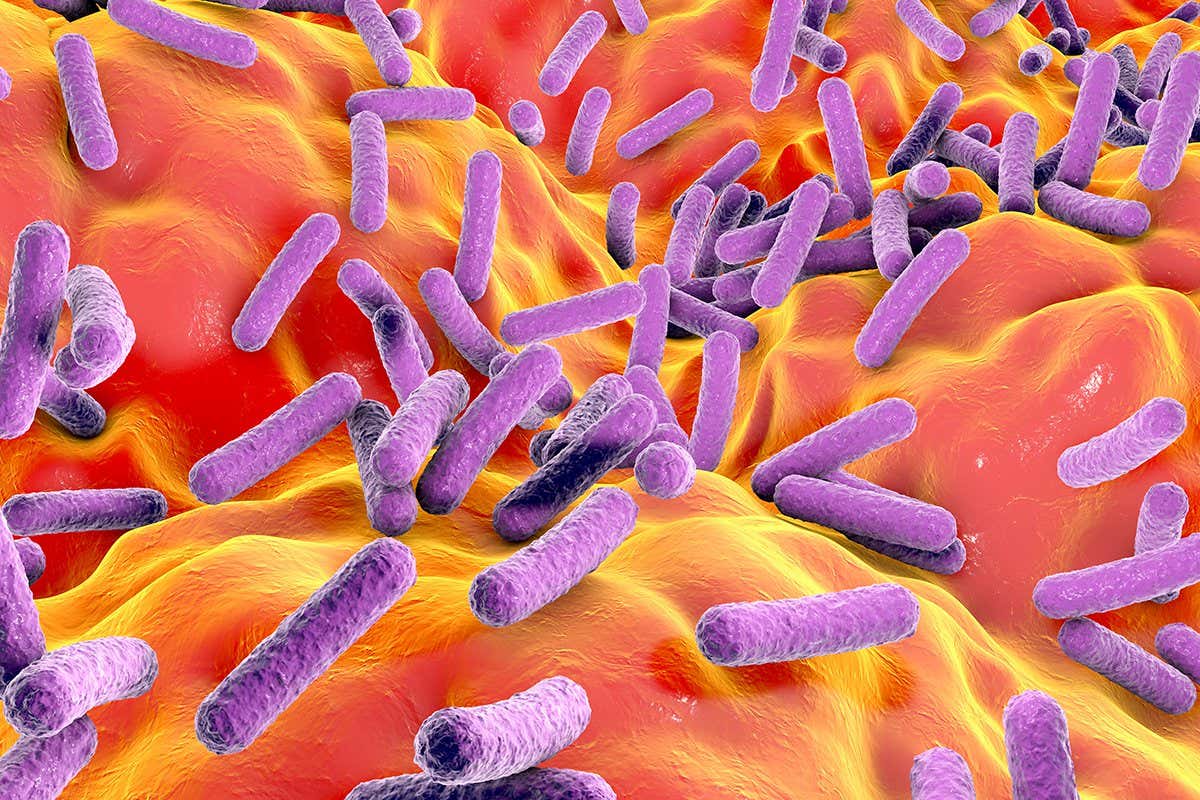
People with chronic fatigue syndrome have less of a kind of gut bacteria that produces inflammation-fighting molecules, suggesting a possible target for new treatments

14 December 2022
A study conducted in mice suggests certain gut bacteria can regulate motivation to exercise by increasing dopamine levels in the brain during physical activity
29 June 2022
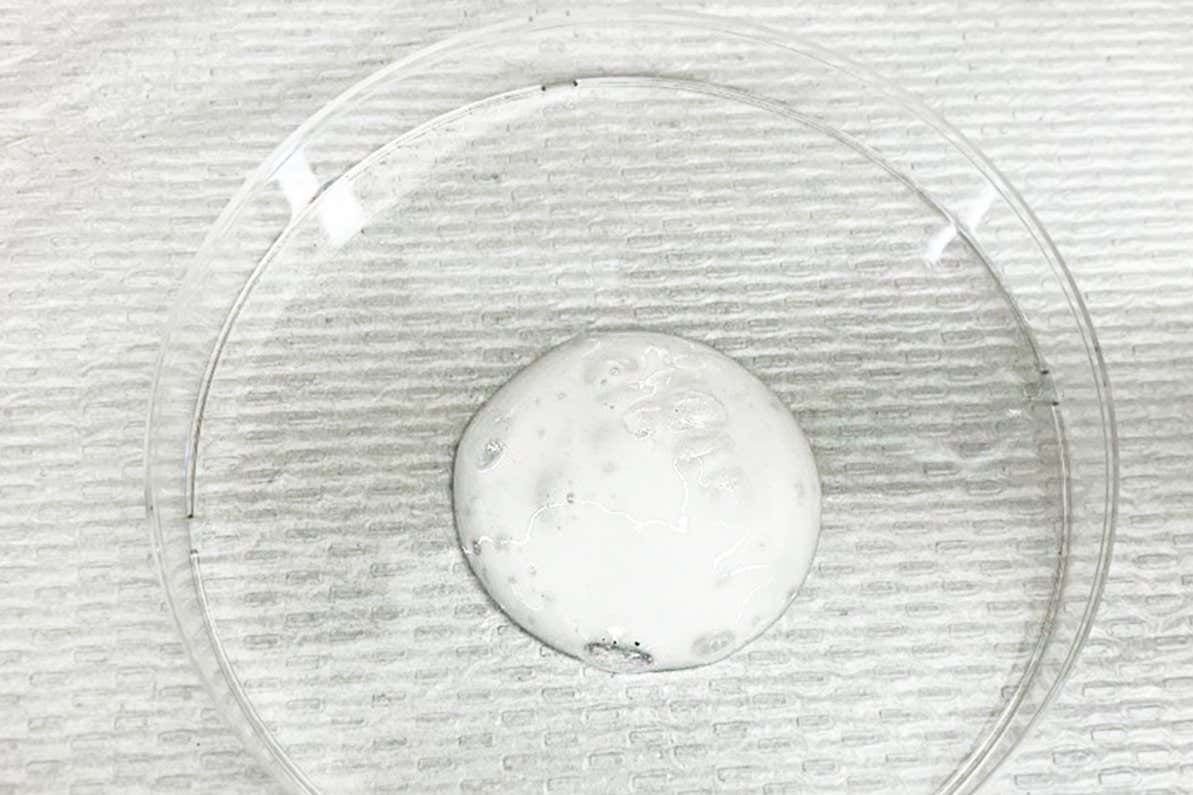
It's best known as a deadly poison, but in low doses, carbon monoxide can have therapeutic benefits for conditions like inflammatory bowel disease and cancer. Now, researchers may have found a way to deliver the treatment safely in a foam

28 June 2022
Limiting meals to an 8-hour window each day regulates the circadian rhythm of multiple organs in mice, potentially staving off chronic disease

6 May 2022
Epithelial cells in the gut remain active in mice even after an irritant clears, which may be the source of chronic gut pain associated with irritable bowel syndrome
