
Chronic constipation is associated with cognitive decline
19 July 2023
A large study found that infrequent bowel movements are associated with a 73 per cent increased risk of cognitive decline, including deficits in memory and attention
19 July 2023
A large study found that infrequent bowel movements are associated with a 73 per cent increased risk of cognitive decline, including deficits in memory and attention

13 July 2023
Faecal transplants alleviated nerve pain in people with diabetes, suggesting gut bacteria may play a role in causing such pain

12 April 2023
Mice that received gut microbes from children with epilepsy on the ketogenic diet were protected from seizures. The finding suggests the microbiome is behind the diet's seizure-reducing effect

17 March 2023
A form of oestrogen known to be related to positive mood was found to be 43 per cent lower in premenopausal women with depression than those without the condition
8 February 2023
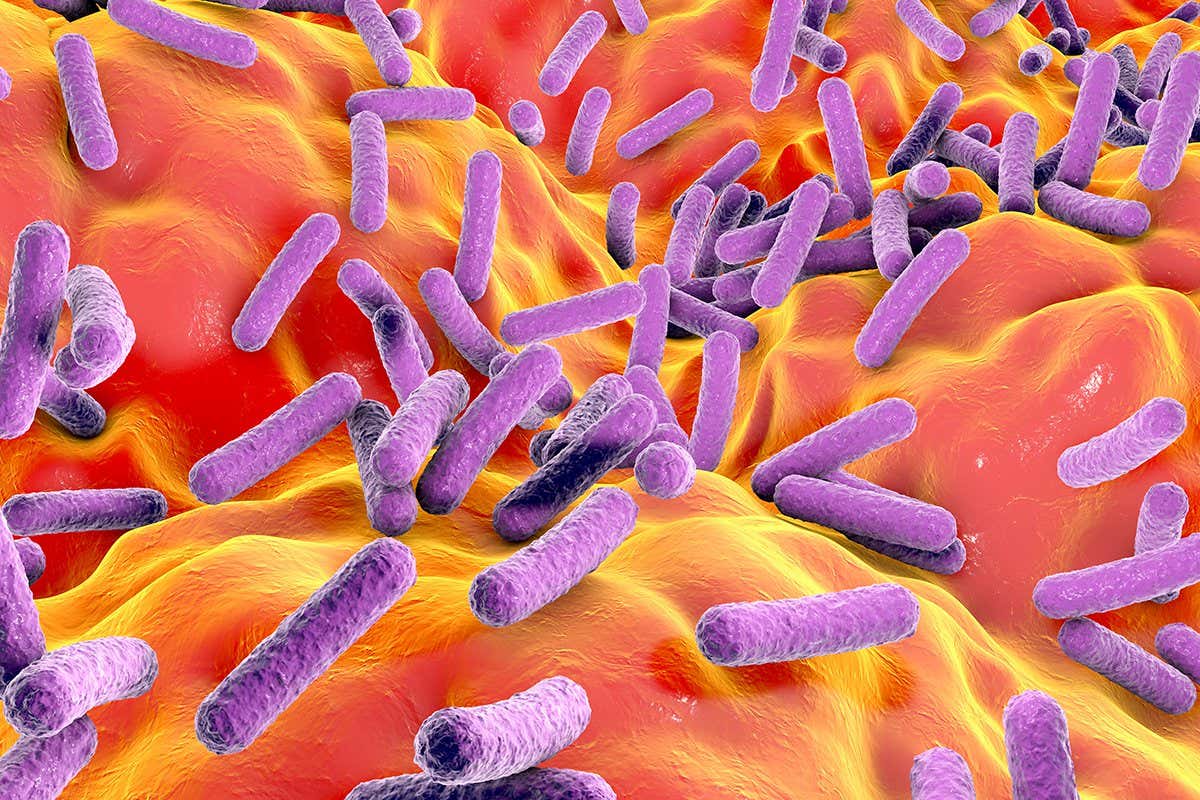
People with chronic fatigue syndrome have less of a kind of gut bacteria that produces inflammation-fighting molecules, suggesting a possible target for new treatments

14 December 2022
A study conducted in mice suggests certain gut bacteria can regulate motivation to exercise by increasing dopamine levels in the brain during physical activity

23 May 2022
Researchers tracked more than 4000 people at risk of developing Crohn’s disease and found that those who lived with a dog between the ages of 5 and 15 were 40 per cent less likely to develop the disease
