
Subscribe now

Nerve pain from diabetes can be treated with faecal transplants

13 July 2023

Faecal transplants alleviated nerve pain in people with diabetes, suggesting gut bacteria may play a role in causing such pain
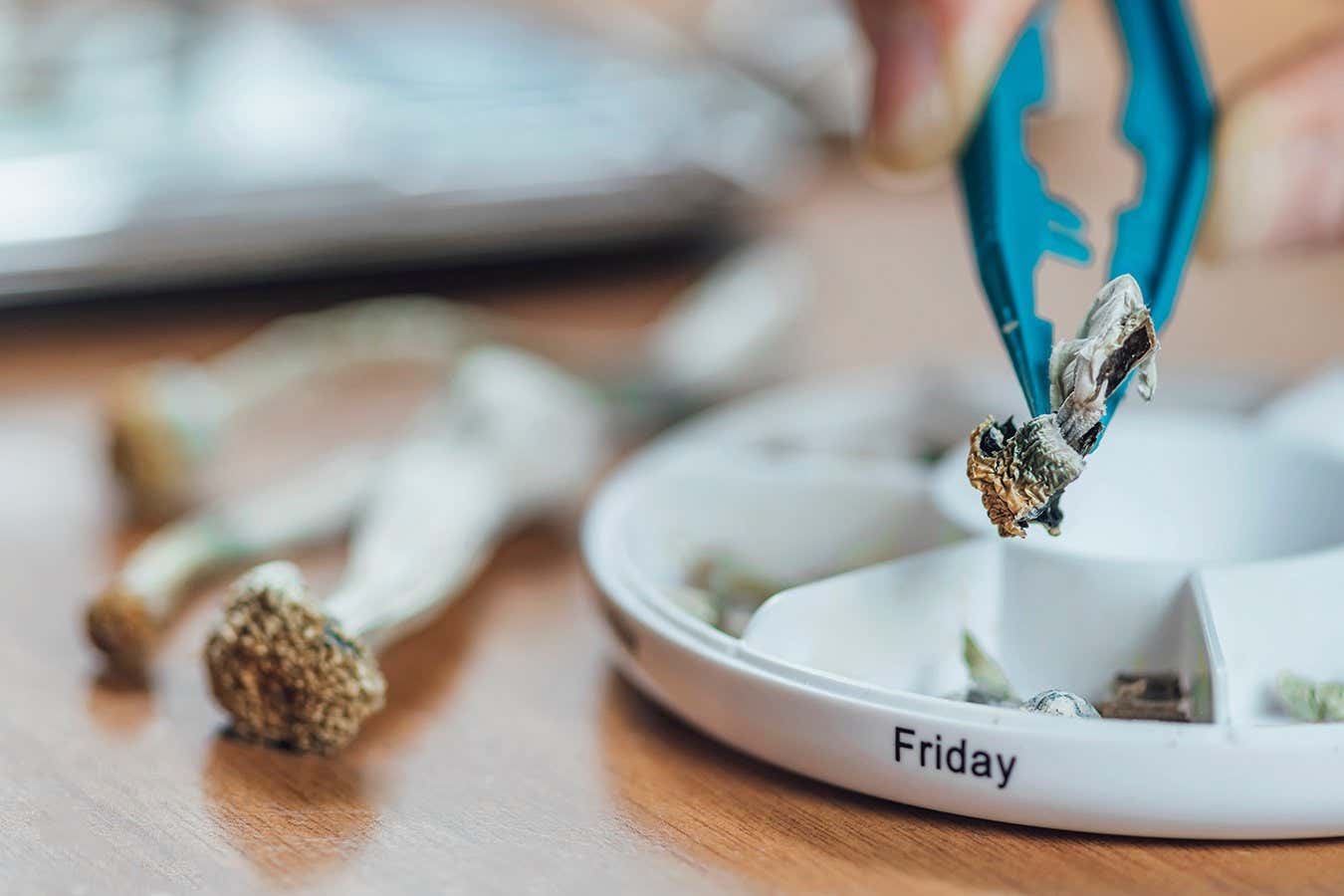

Do psychedelics treat chronic pain or is it the placebo effect?

12 July 2023

Preliminary studies show that psilocybin, a compound in magic mushrooms, reduces pain in people with chronic Lyme disease, fibromyalgia and migraines. But without effective control groups the evidence is far from conclusive
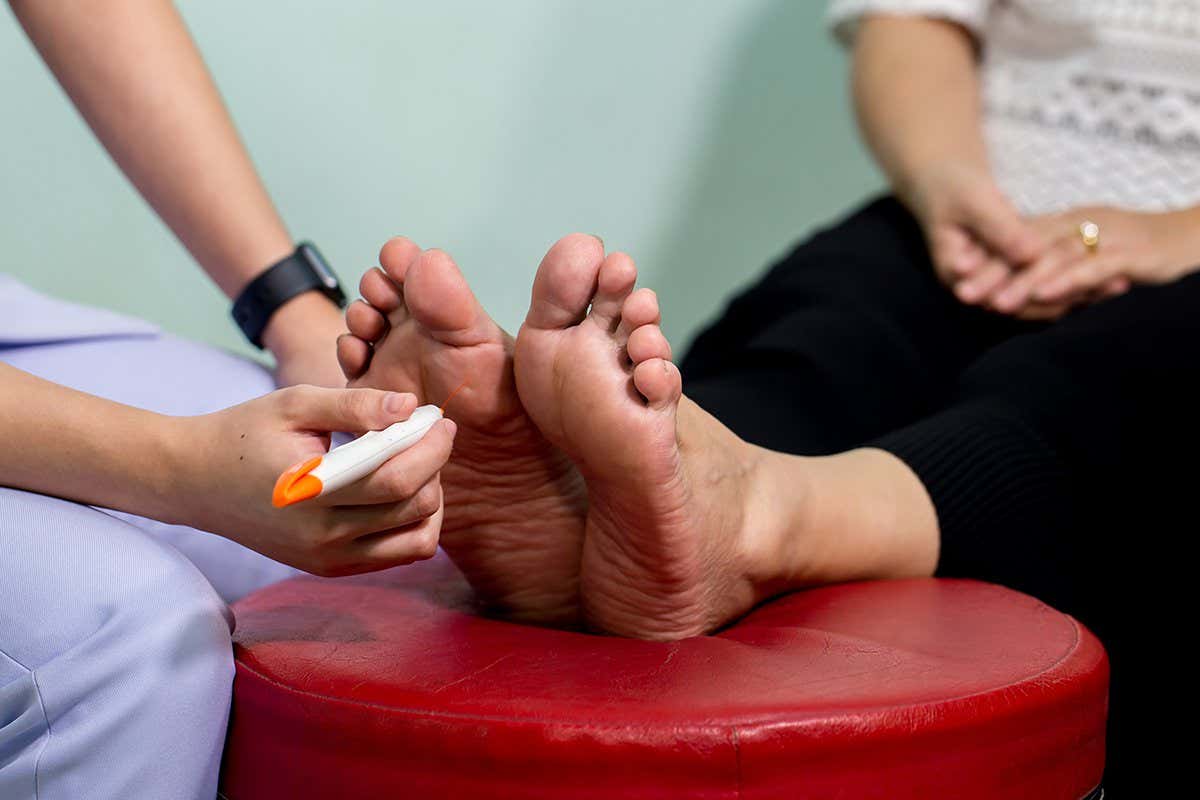

The doctor examines the nerve response with monofilament odiatrist treating feet during procedure. Doctor neurologist examining female patient

A diet high in amino acids reduced diabetes-related nerve pain in mice

25 January 2023

Eating more of the amino acids serine and glycine decreased the amount of nerve damage and pain in mice with diabetes


Focus on the hand of a patient in hospital ward;

People who use cannabis may experience more pain after surgery

23 October 2022

A study of nearly 35,000 people who underwent various surgeries found that those who used cannabis in the month prior reported higher pain levels after their procedures


2DKK94C Midsection Of Boy Holding Knee

We don't actually know what 'growing pains' are

22 July 2022

They are reportedly the most common cause of muscle or bone pain in adolescents. But it's unclear what "growing pains" are – or if they are even related to growth


Sleepless and desperate beautiful caucasian woman awake at night not able to sleep, feeling frustrated and worried looking at clock suffering from insomnia in sleep disorder concept.; Shutterstock ID 1337363627; purchase_order: -; job: -; client: -; other: -

Tracking sleep disruptions could improve nerve pain treatments

18 May 2022

After sustaining nerve injuries, mice wake up more often during non-REM sleep – a sign that sleep disruption could help identify nerve pain and the best treatments for it
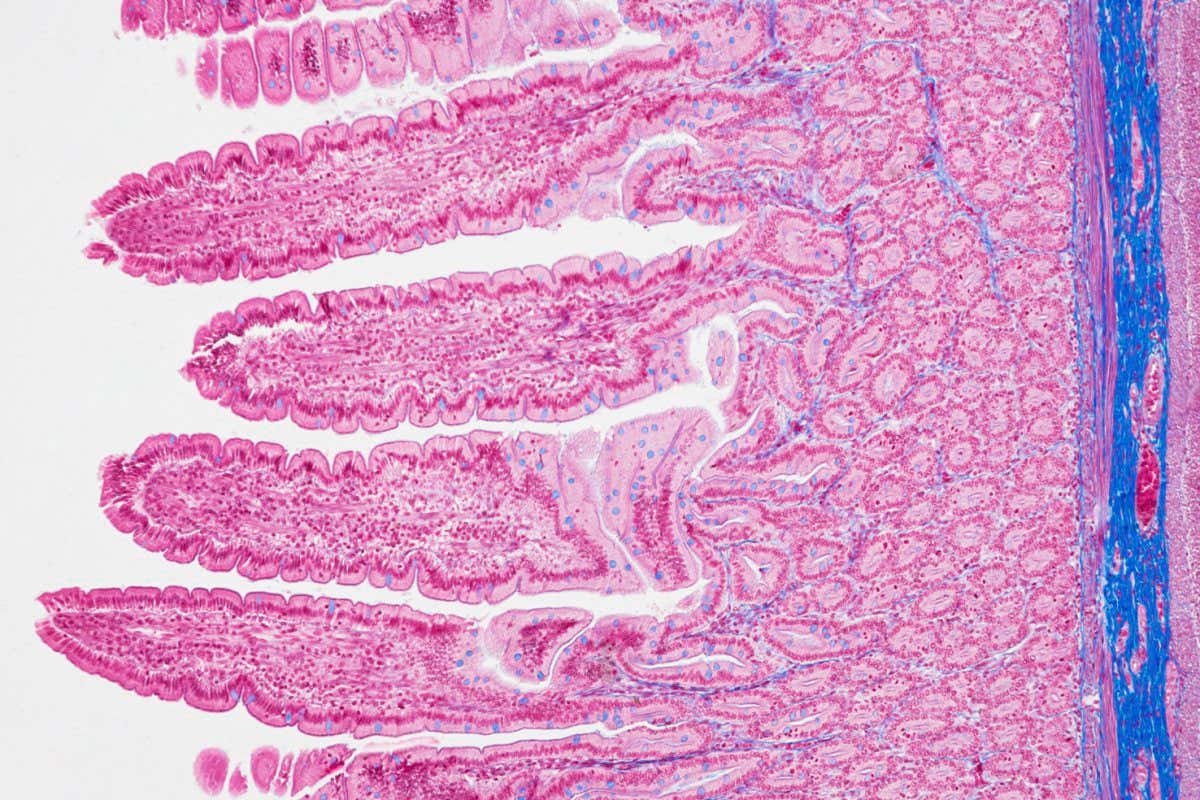

All moral rights asserted. Recolouring or alteration of the image is prohibited without permission. Light micrograph of a section through a duodenum, the beginning of the small intestine, which runs from the stomach to the large intestine. It is where digestion begins and nutrients are absorbed into the blood. The interior (lumen, left) is lined with villi, which are folds in the intestinal surface that greatly increase the surface area for absorption. Also within the surface are crypts of Lieberkuhn (red-lined ovoids), which secrete enzymes into the lumen that help to digest the food. Underlying this layer is the muscularis mucosae (thin violet line) and connective tissue (blue). Across bottom are layers of smooth muscle and then circular and longitudinal muscles that contract and relax to move food through the duodenum. Magnification: x100 when printed at 15 centimetres wide.

Irritable bowel syndrome may be caused by overreacting gut cells

6 May 2022

Epithelial cells in the gut remain active in mice even after an irritant clears, which may be the source of chronic gut pain associated with irritable bowel syndrome


Sign up to our weekly newsletter

Receive a weekly dose of discovery in your inbox. We'll also keep you up to date with New Scientist events and special offers.

Sign up
Piano Exit Overlay Banner Mobile Piano Exit Overlay Banner Desktop