Subscribe now
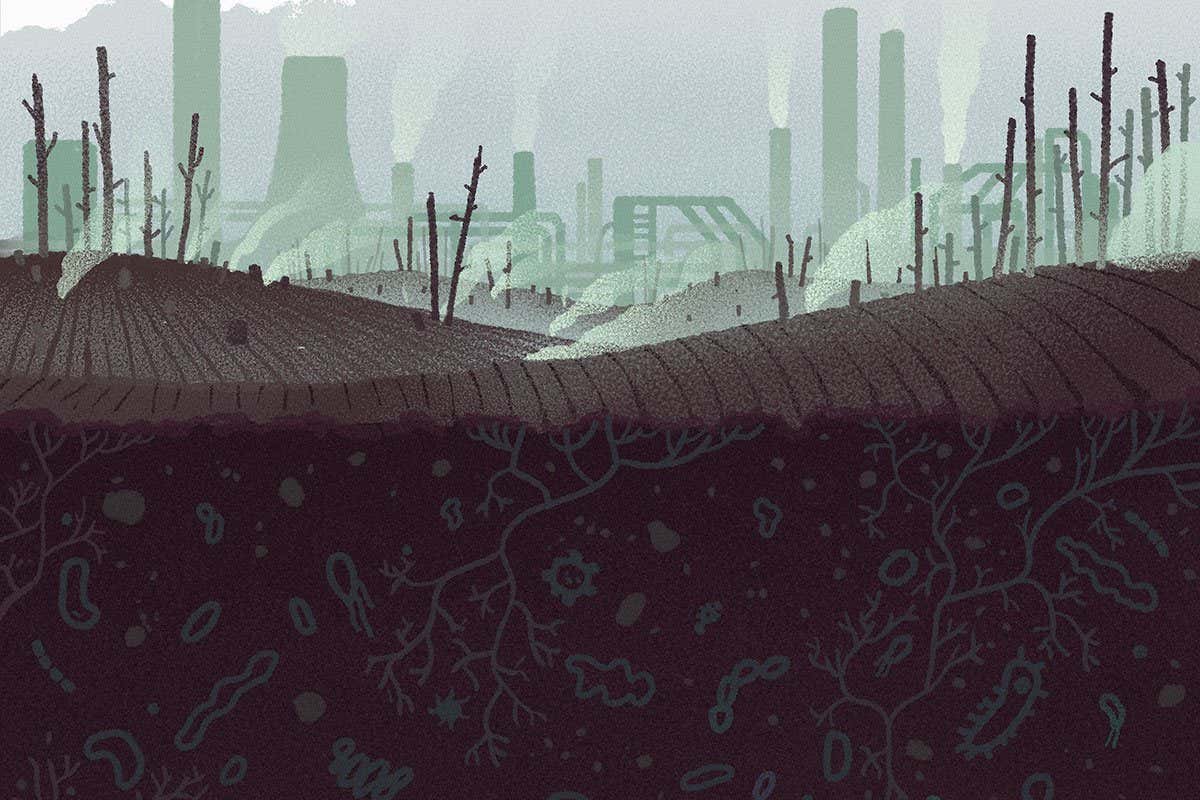
The shocking decline of Earth’s microbiome – and how to save it

The shocking decline of Earth’s microbiome – and how to save it

12 April 2023

Bacteria, fungi and other microbes, which are vital to life on Earth, were long thought impervious to threats endangering larger lifeforms. Now biologists are warning of a microbial extinction event
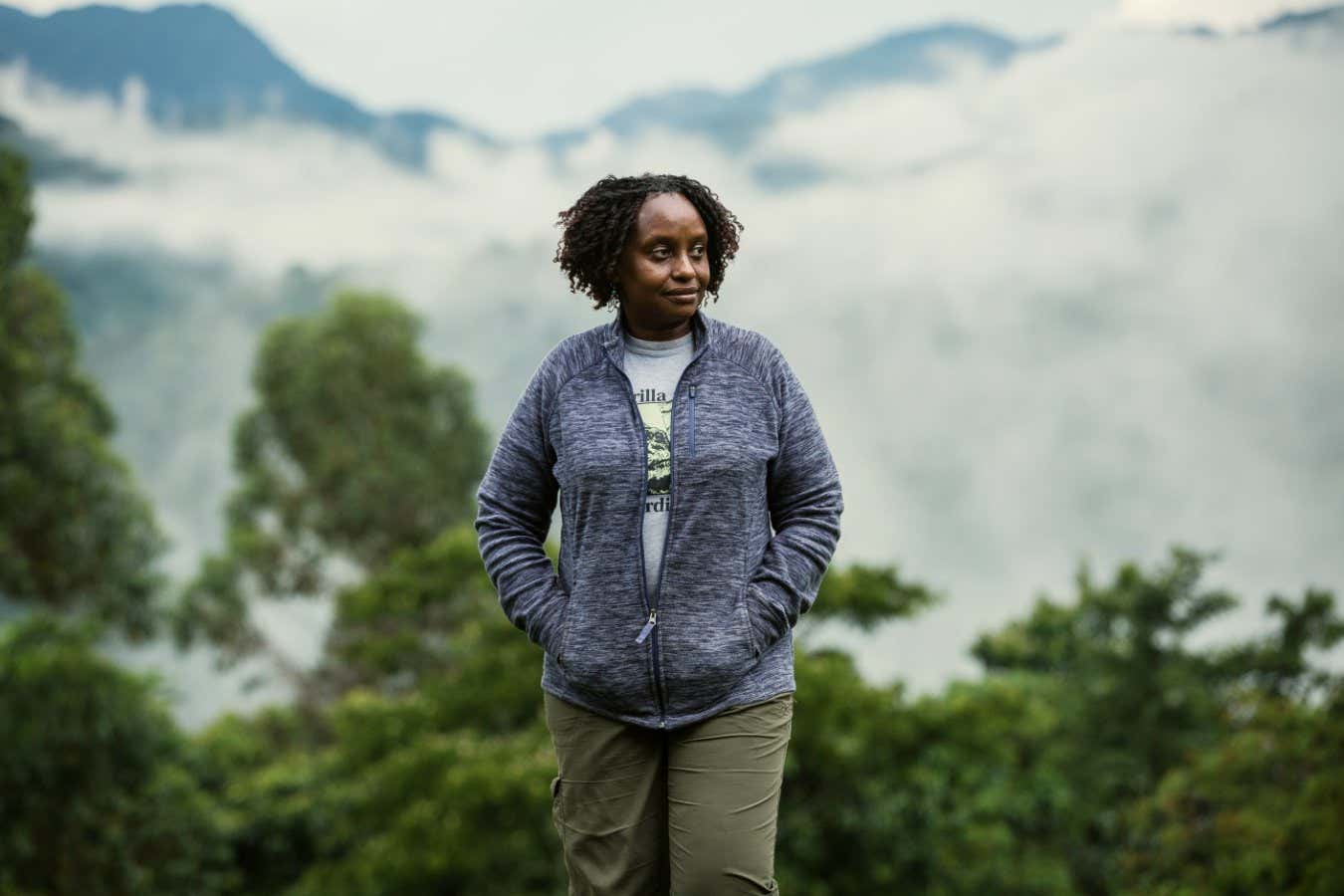
Dr Gladys Kalema-Zikusoka. Photo by UNEP_Kibuuka Mukisa

Uganda’s first wildlife vet on her revolutionary gorilla conservation

22 March 2023

Gladys Kalema-Zikusoka explains how her unconventional way of combining public health and conservation is helping to bring mountain gorillas back from the brink after years of population decline


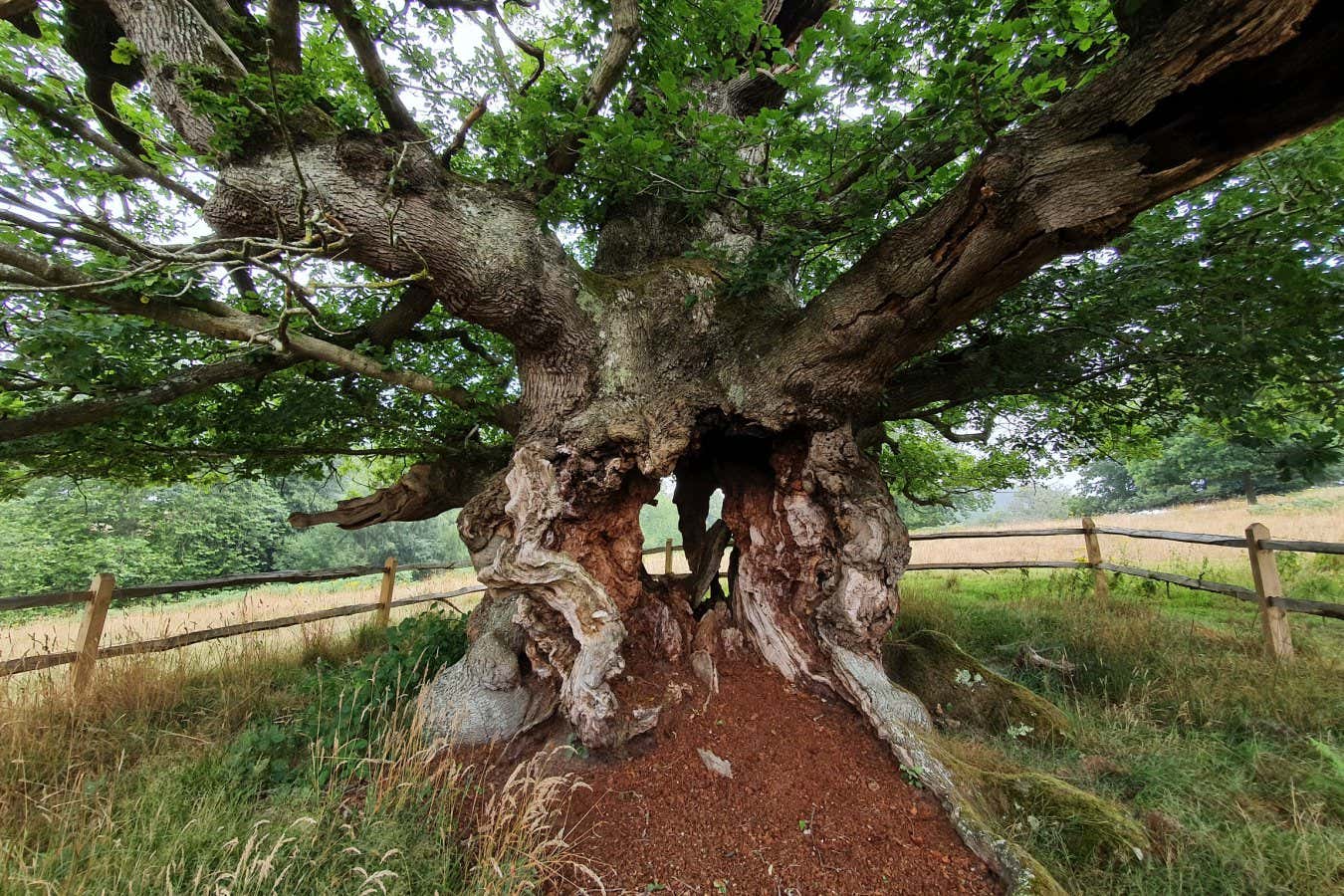
Ecologists are infecting trees with fungi to make them age prematurely

14 March 2023

Many species depend on the cavities inside veteran trees, but such spaces are in short supply. Researchers are exploring ways to make young trees old before their time


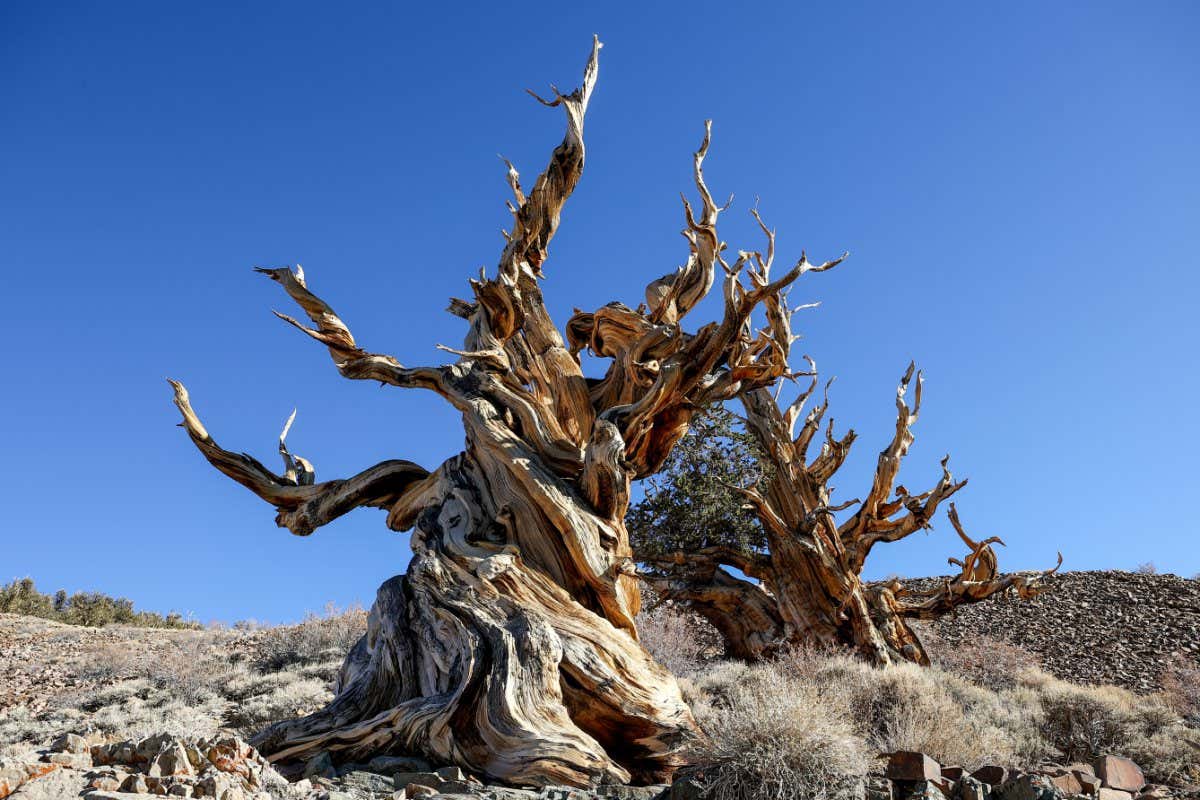
INYO COUNTY, CALIFORNIA - NOVEMBER 28: A 4,853-year-old Great Basin bristlecone pine tree known as Methuselah is growing high at Ancient Bristlecone Pine Forest in the White Mountains of Inyo County in eastern California, United States on November 28, 2021. It is also recognized as the non-clonal tree with the greatest confirmed age in the world. (Photo by Tayfun Coskun/Anadolu Agency via Getty Images)

Elderflora review: A history of ancient trees is excellent in parts

22 February 2023

A tour round the world's oldest trees is a brilliant idea for a book, but its delivery can be pretty uneven


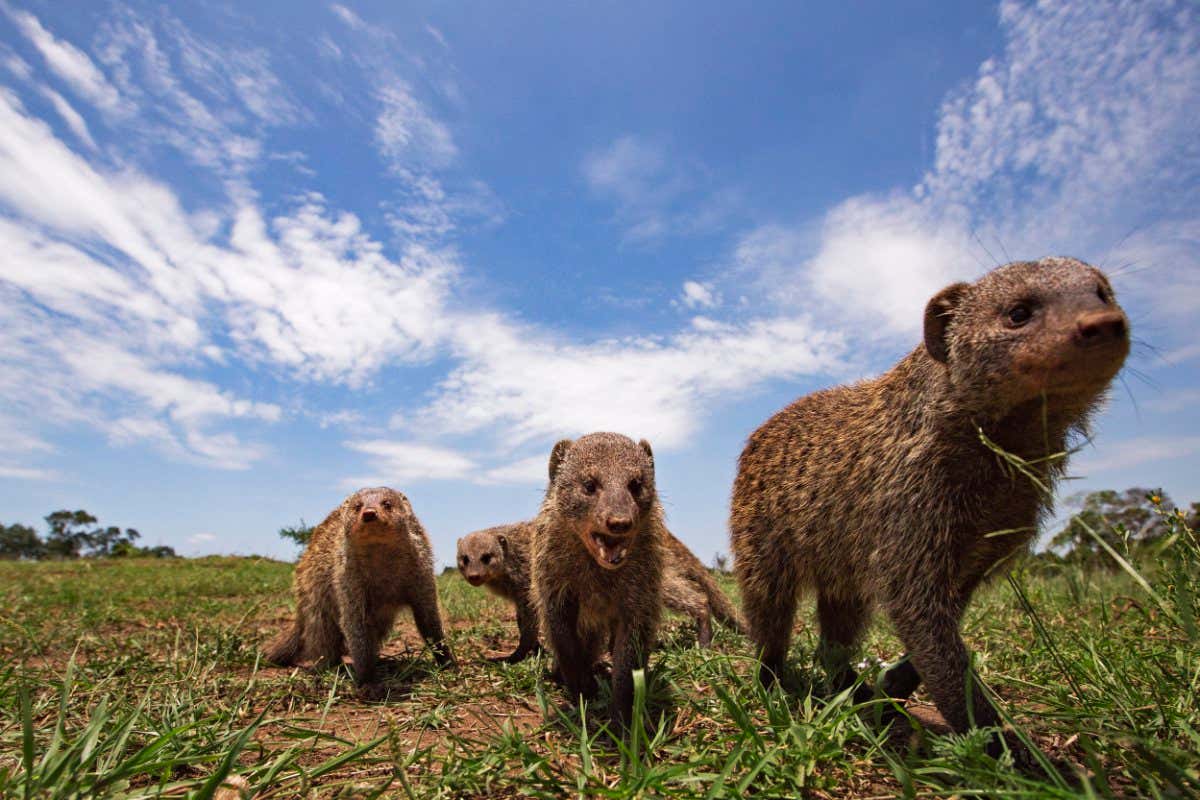
Banded mongoose group approaching with curiosity (Mungos mungo). Maasai Mara National Reserve, Kenya. March 2018.

Inside the complex and extremely violent world of warring mongooses

30 January 2023

Banded mongooses have long been used as a model of animal cooperation. Now, researchers in Uganda are starting to get to grips with the harsh realities of their long-running and bloody battles


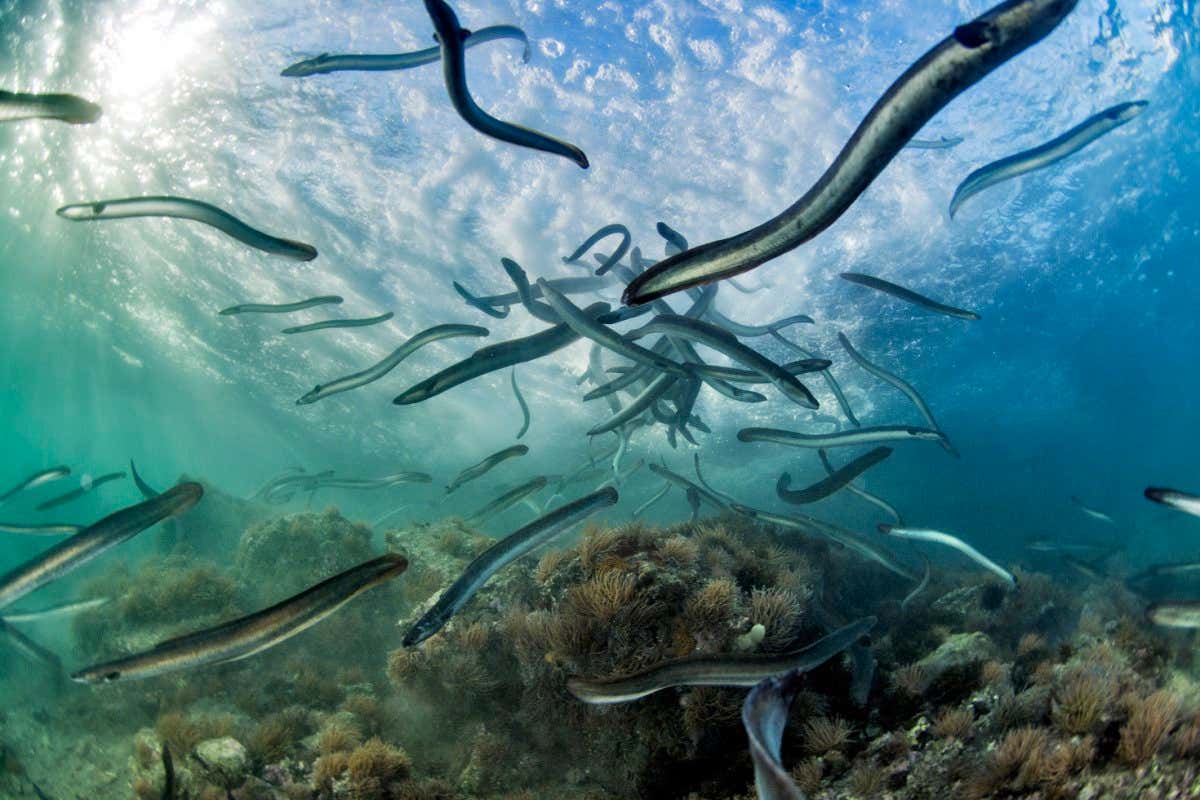
European Eel (Anguilla anguilla) group being released during fisheries management study, Herault, France

How we finally tracked European eels all the way to the Sargasso Sea

16 January 2023

Where European eels start and end their lives was long a mystery, but an audacious expedition has finally revealed the last details of their incredible migration


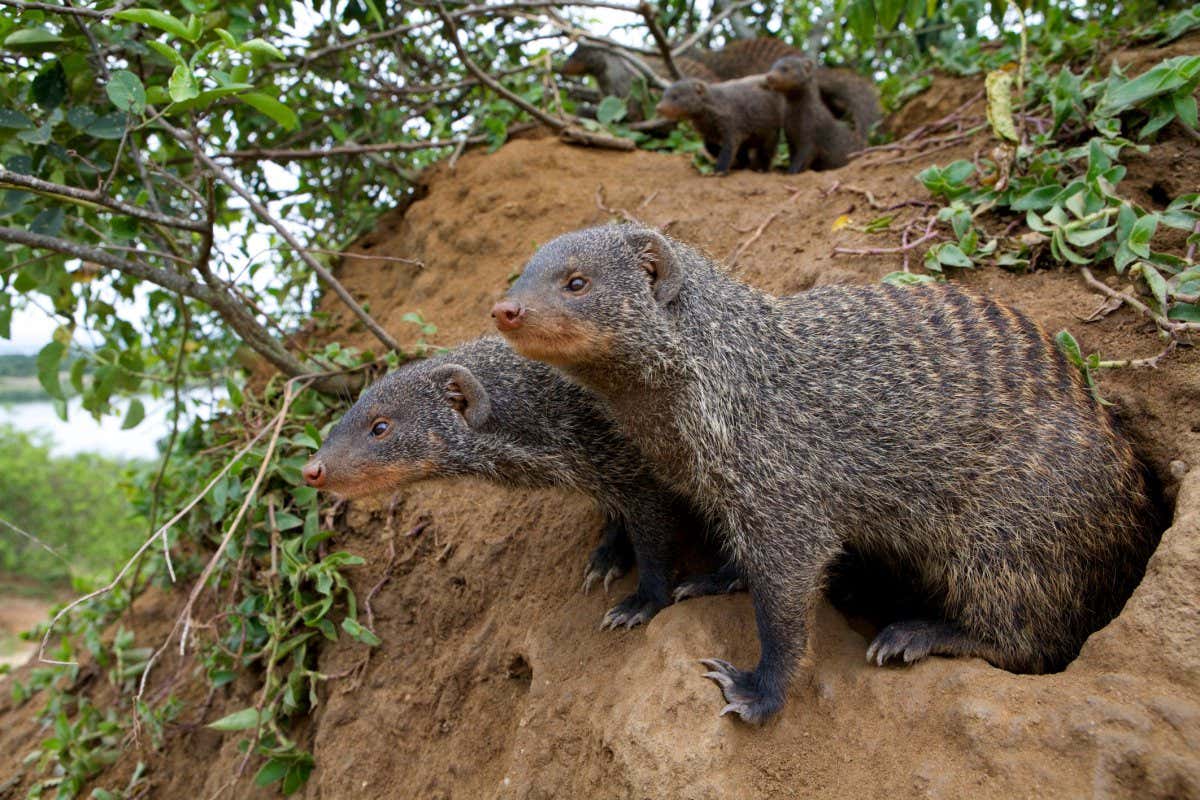
W7T0TC Banded mongooses (Mungos mungo) at den site, Queen Elizabeth National Park, Mweya Peninsula, Uganda, Africa.

Long-haul flights: bad for the planet, necessary for global research

30 November 2022

A life-changing visit to a research project in Uganda on banded mongooses has shown me how international collaboration, and travel, is vital for conservation where biodiversity still exists, says Graham Lawton


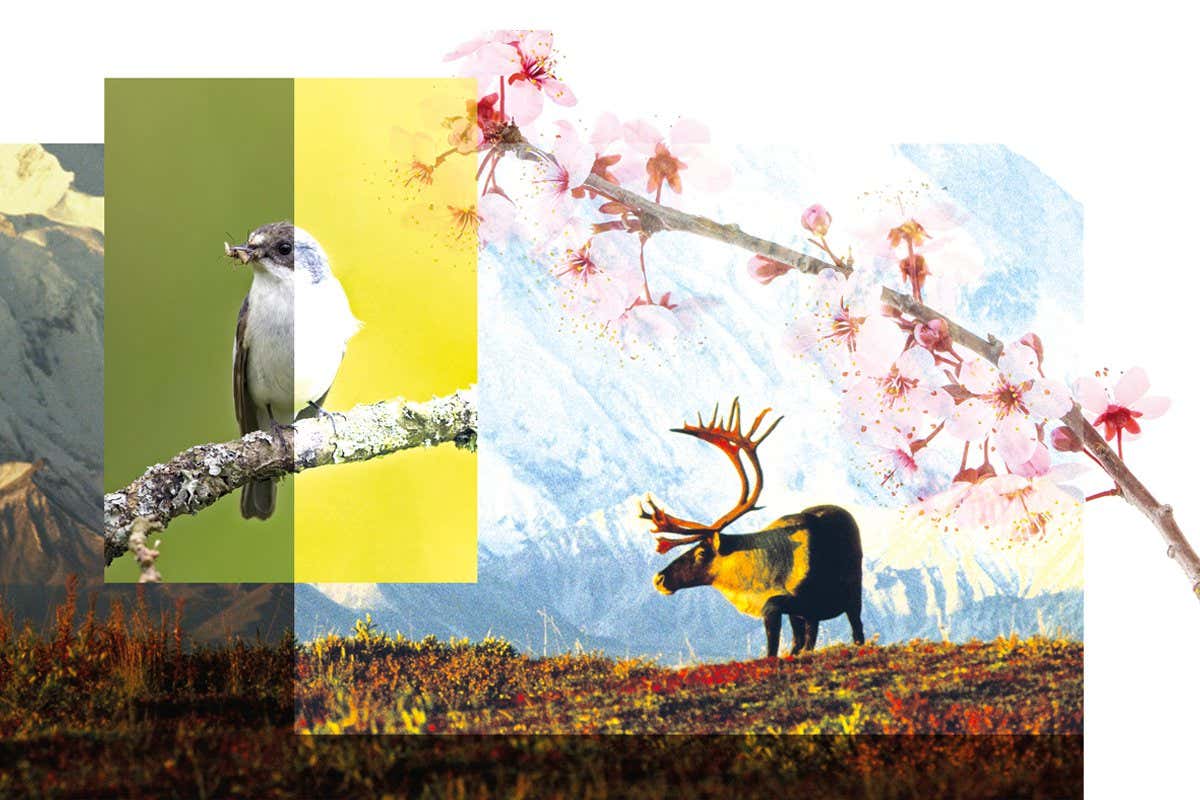
How climate change is knocking natural events wildly out of sync

How climate change is knocking natural events wildly out of sync

21 June 2022

Climate change is throwing off the timing of key events in the natural world, from the flowering of plants to the migrations of birds and mammals. Now, ecologists are warning that this could spiral out of control and cause whole ecosystems to break down


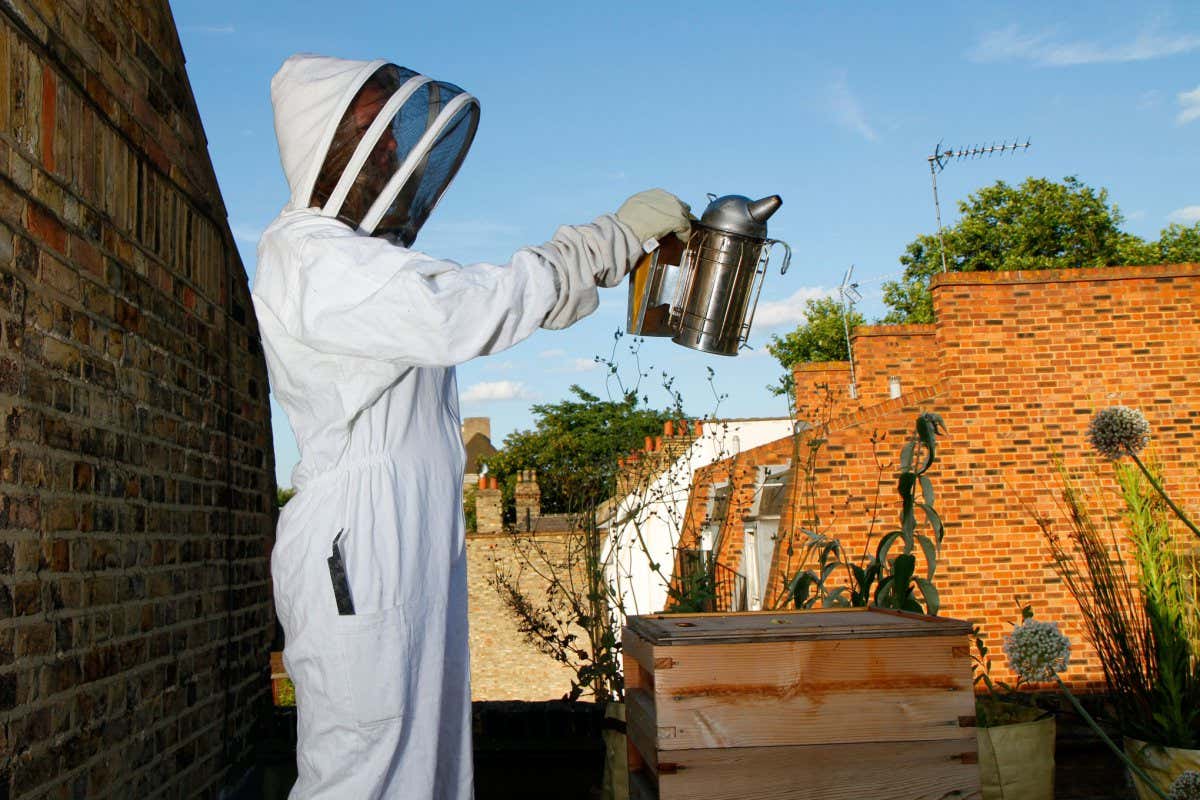
DD57G8 Elena Polisano keeps a hive of honey bees on the roof of the Three Stags pub in Lambeth in London

The urban beekeeping boom is hurting wild pollinator species

18 May 2022

The recent global trend for urban apiary amounts to "bee-washing" that detracts from efforts to reverse the decline in wild pollinators, argues Graham Lawton


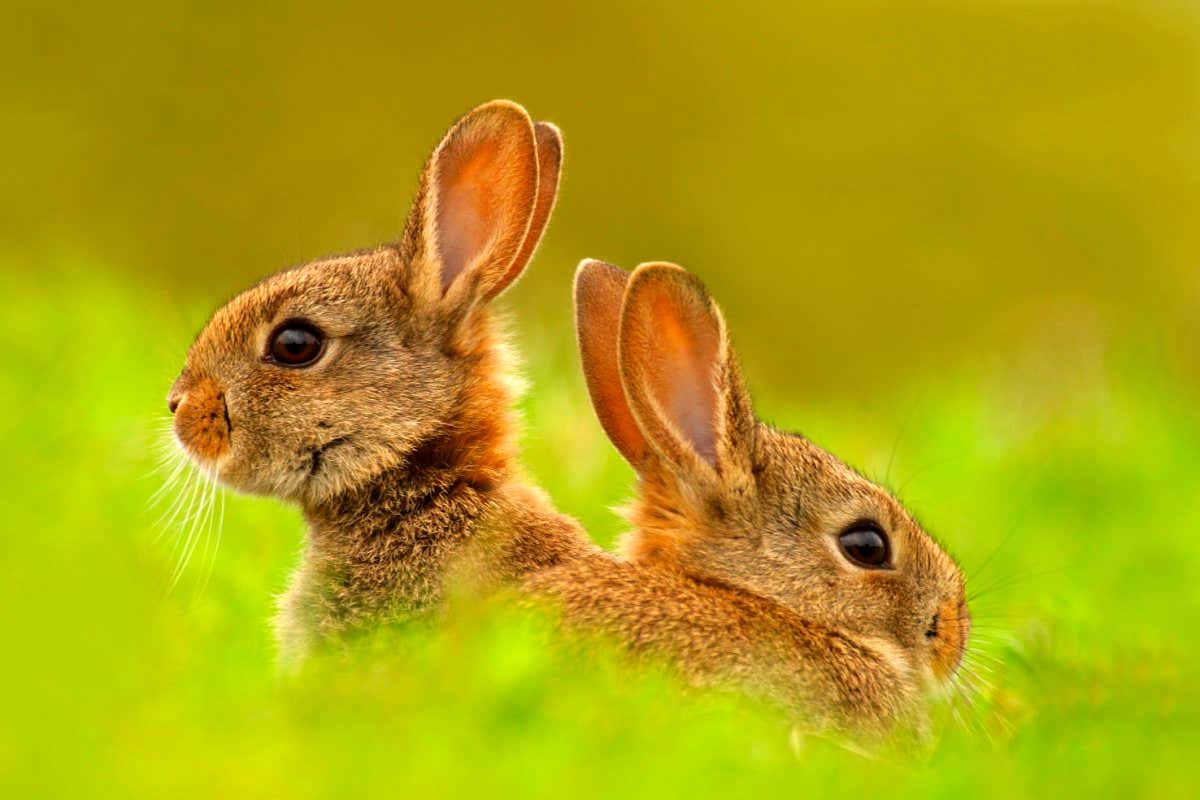
European rabbits (Oryctolagus ciniculus) juveniles emerging from burrow, Cheshire, UK May

Rabbits face a fresh onslaught akin to myxomatosis – can they survive?

16 March 2022

After bouncing back from one viral threat, rabbits are being sucker-punched by a second killer disease – and these unsung eco-warriors need our help


Sign up to our weekly newsletter

Receive a weekly dose of discovery in your inbox. We'll also keep you up to date with New Scientist events and special offers.

Sign up
Piano Exit Overlay Banner Mobile Piano Exit Overlay Banner Desktop