Subscribe now
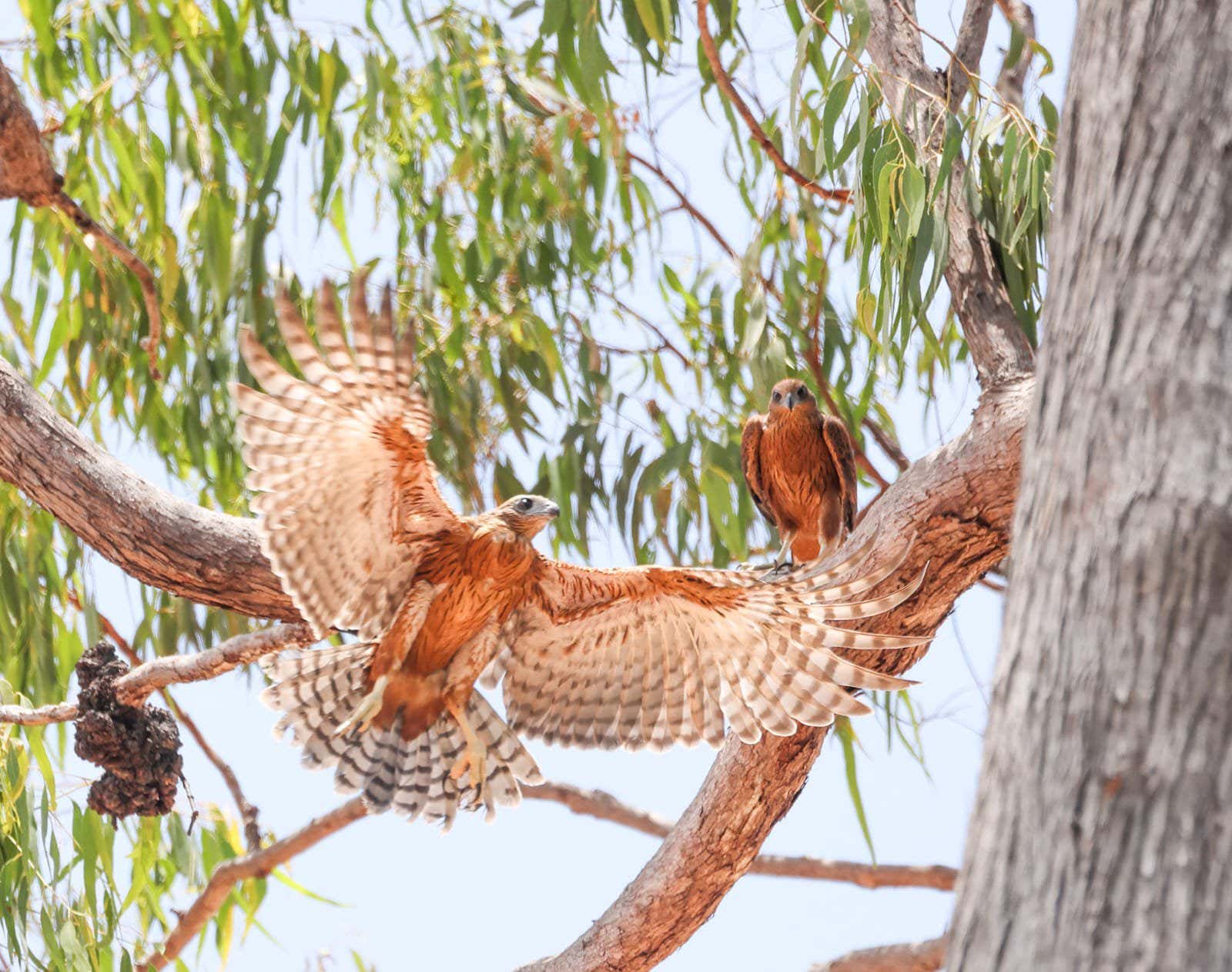
Australia’s rarest bird of prey is disappearing faster than we thought

Australia’s rarest bird of prey is disappearing faster than we thought

17 March 2023

Just 44 years ago, red goshawks were found along Australia’s eastern coastline. But the copper-feathered predators are now missing from 34 per cent of their former range
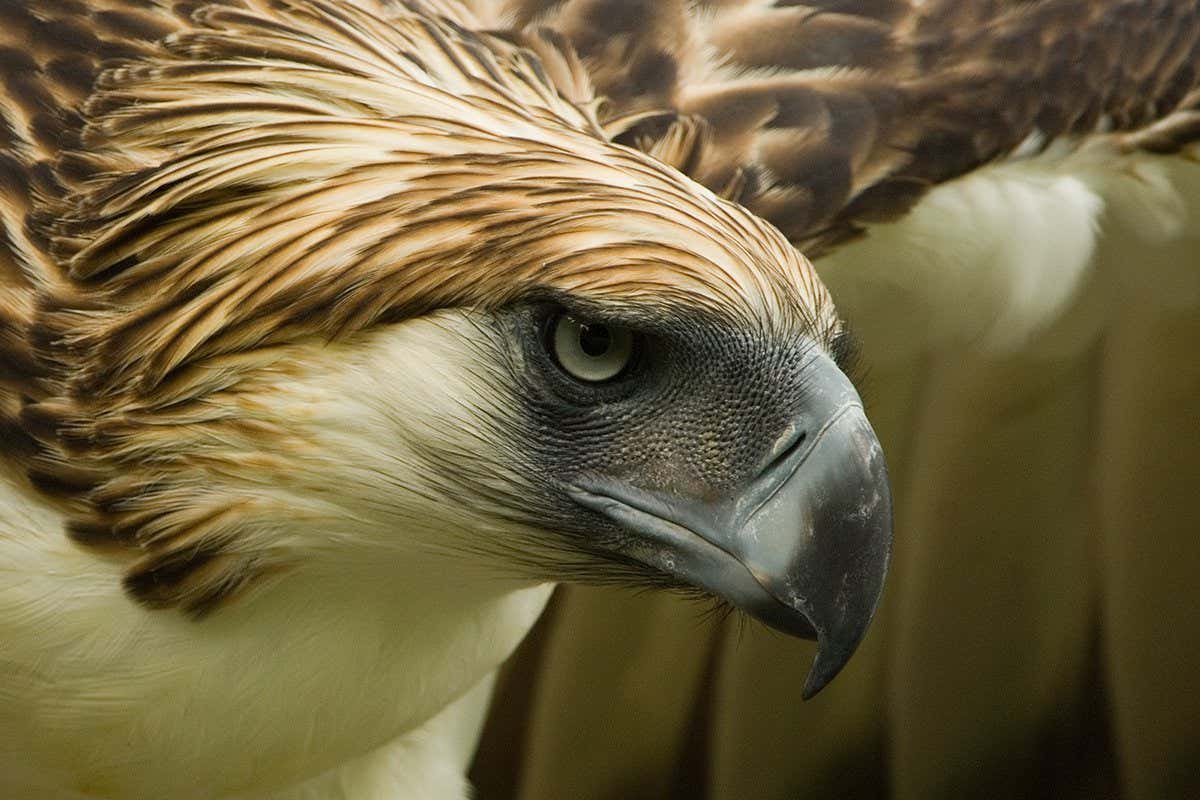
Philippine eagle

There may be just 800 of these endangered eagles left in the wild

4 March 2023

Philippine eagles are one of the largest living eagle species and require a huge territory to thrive. A mapping project found that there may be fewer than a thousand individuals left


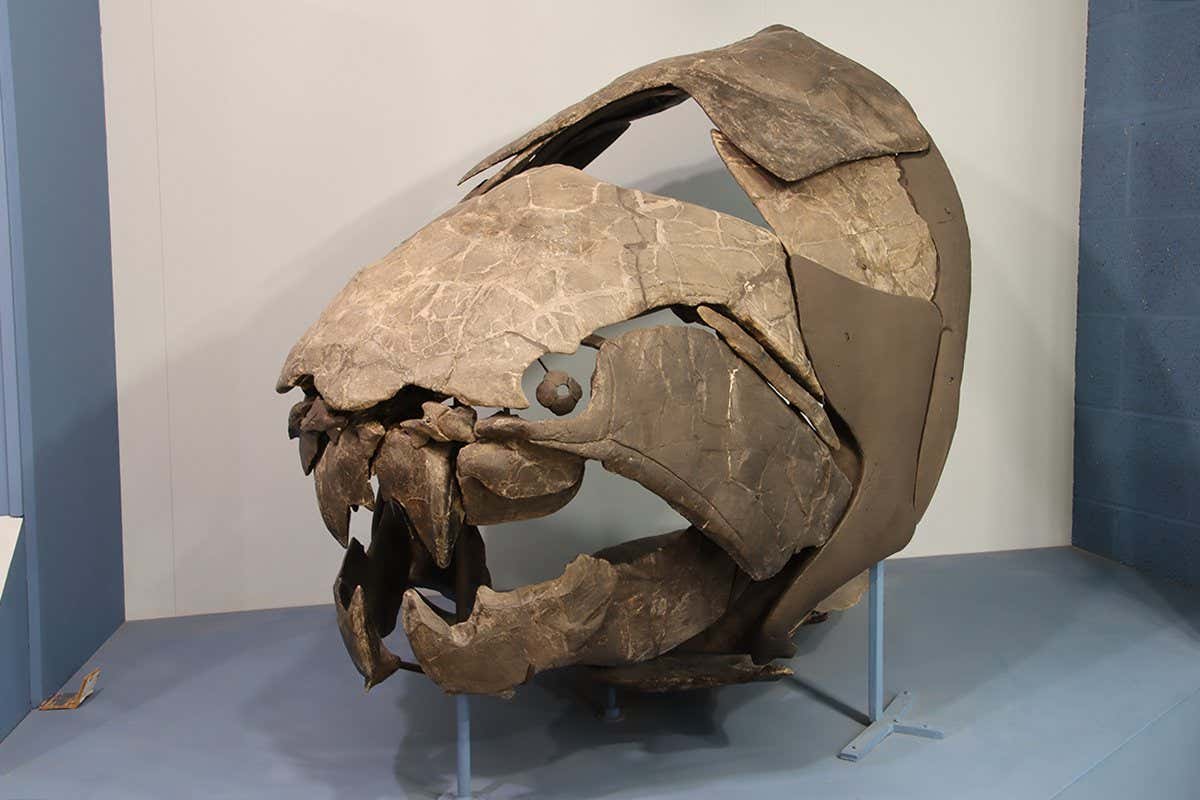
The fossilised skull of a Dunkleosteus

Ancient fish thought to be larger than sharks was actually quite short

28 February 2023

Dunkleosteus terrelli was an armoured predator fish with bladed jaws instead of teeth that lived 360 million years ago. Researchers thought it was a 9-metre-long giant but it may have actually have been half that size


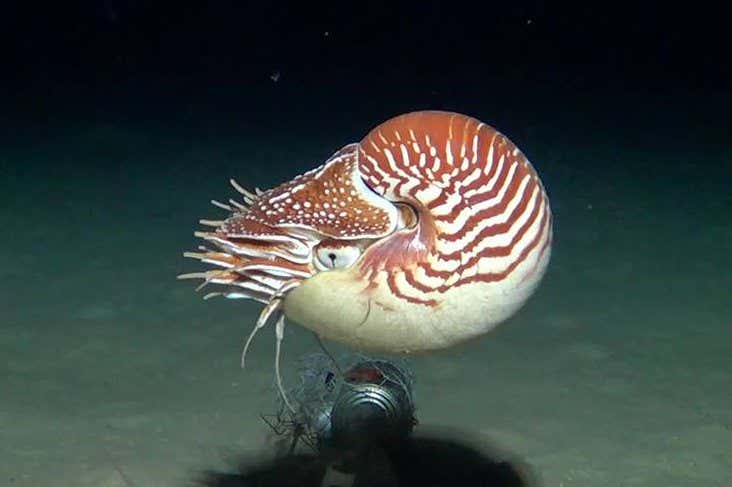
Nautilus samoaensis

Three nautilus species new to science have been found in the Pacific

6 February 2023

The distinct branching patterns and stripes on the shells of three kinds of nautiluses have been used to identify them as separate species


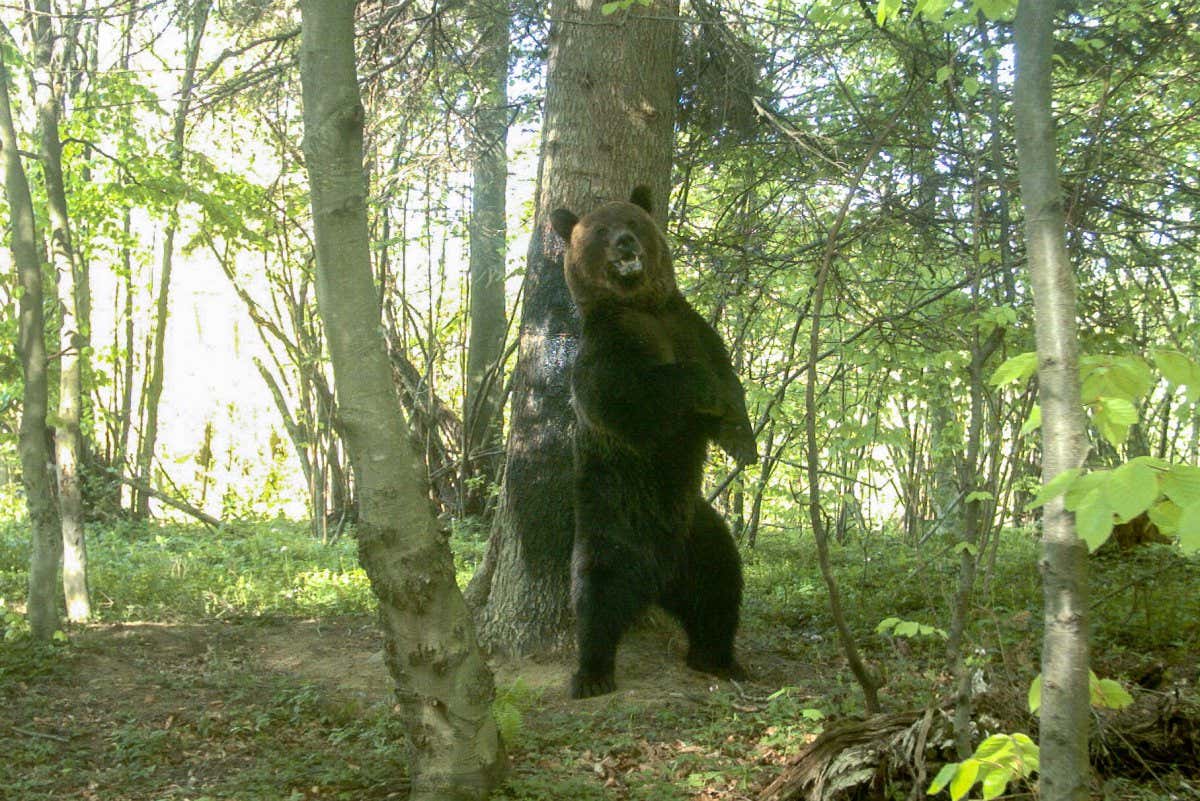
Bear tree-rubbing

Bears may self-medicate against ticks by rubbing against trees

27 January 2023

Brown bears often scratch their backs on trees, leaving behind chemical signals to other bears. Now, it seems the act also helps protect them from ticks


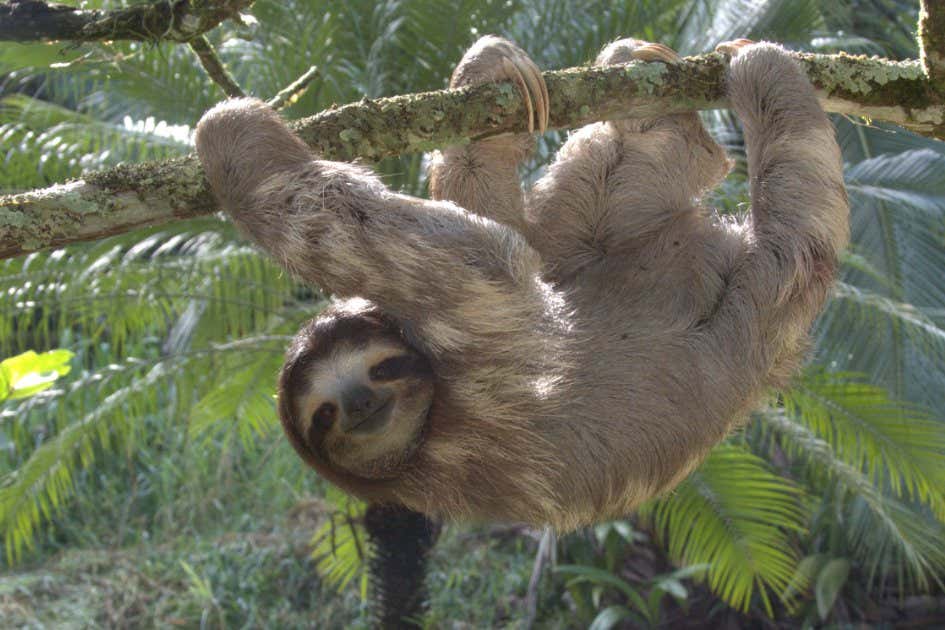
Finley, one of the sloths at The Sloth Sanctuary in Costa Rica. Credit: Ignacio Moya

Sloths have double the grip strength of humans and other primates

10 January 2023

Dangling from a tree with just a single foot, sloths can exert more gripping force relative to their weight than primates – and they are consistently, but mysteriously, stronger on their left side


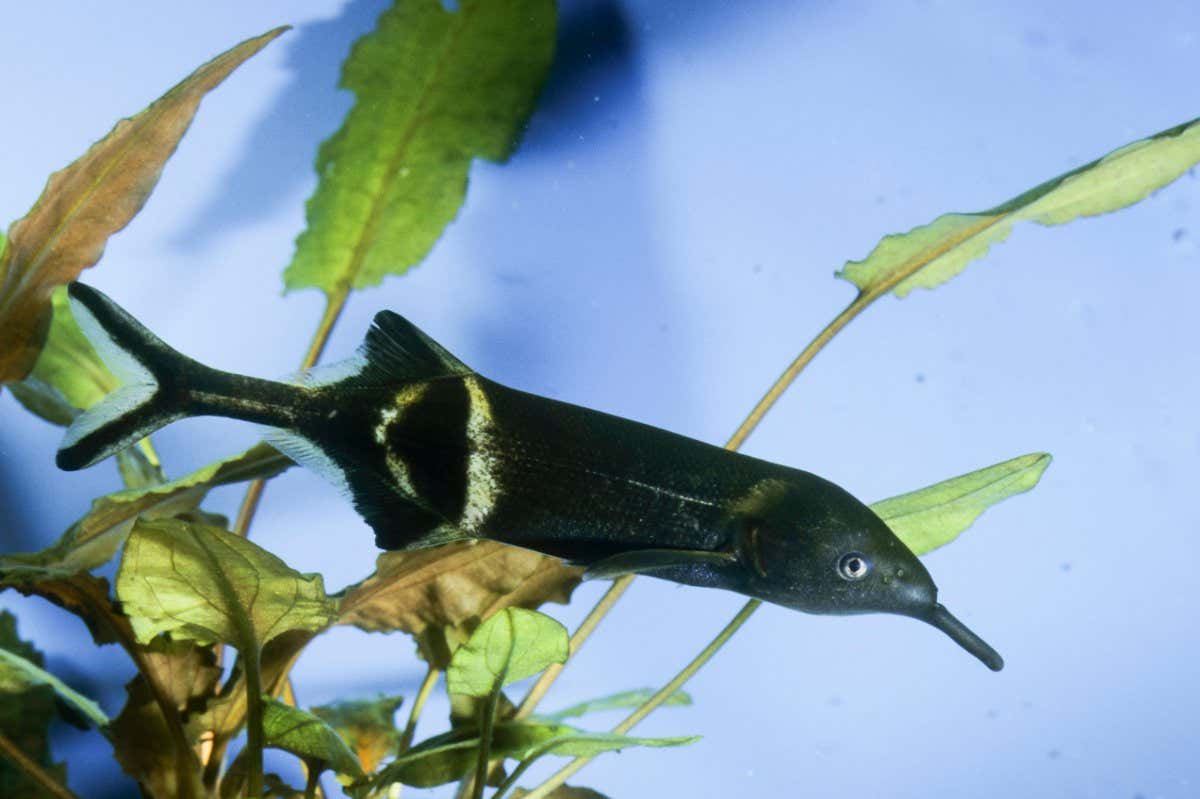
FJ678N Peter's worm-jawed mormyrid, Peter's elephant nose, elephantnose fish, Longnosed Elephant fish (Gnathonemus petersii, Gnathonemus brevicaudatus, Mormyrus petersii), swimming

Elephant-nose fish do a little dance to help them 'see' in 3D

12 December 2022

Pulses of electricity give some fish the ability to identify objects or prey, and a little shimmy helps them take several snapshots that give their underwater world depth


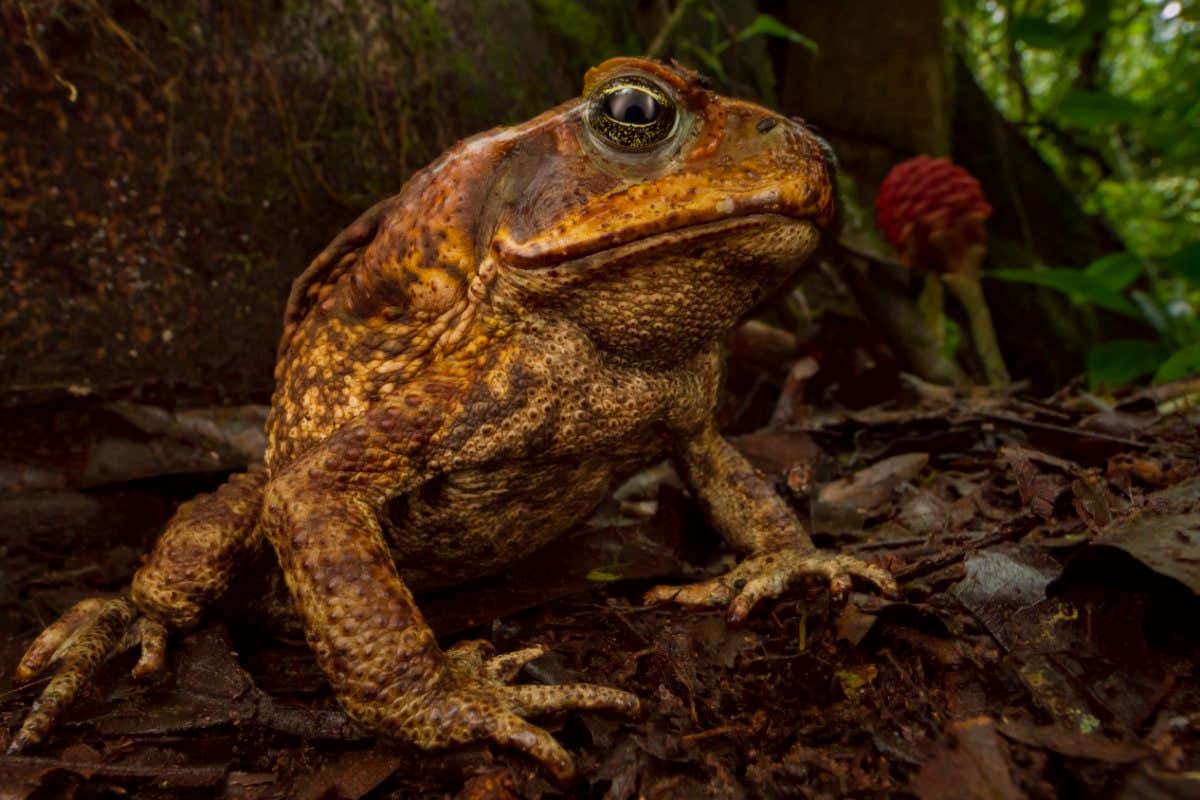
Cane toad (Rhinella marina) in native habitat. Las Cruces Biological Station, Costa Rica.

Cane toads fling their tongues so hard the recoil slaps their heart

3 November 2022

The first X-ray footage of a toad gulping down a meal reveals that its tongue recoils into its body further than it stretches out to grab prey


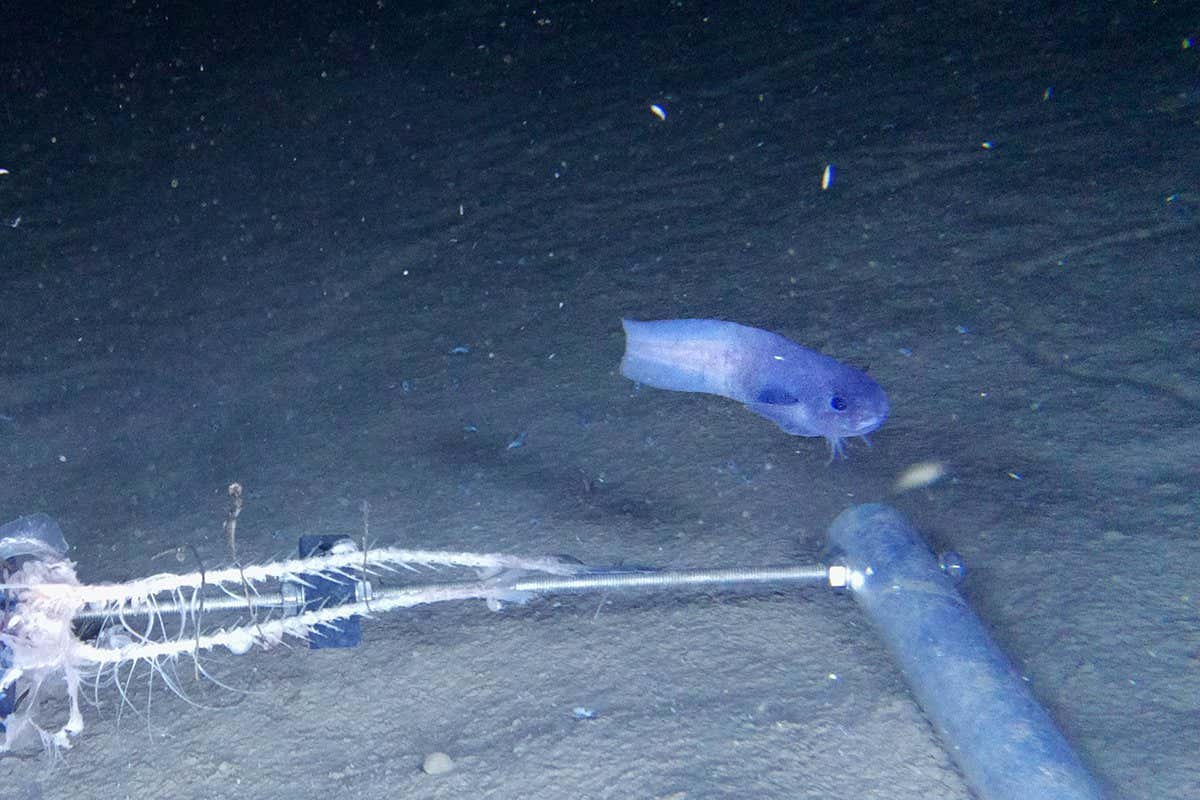
Paraliparis selti

Surprisingly bright blue fish discovered in the darkest ocean depths

21 October 2022

Most snailfish living in the deepest ocean realm known as the hadal zone are ghostly white with tiny eyes. But a newly described species has large eyes and is intensely blue


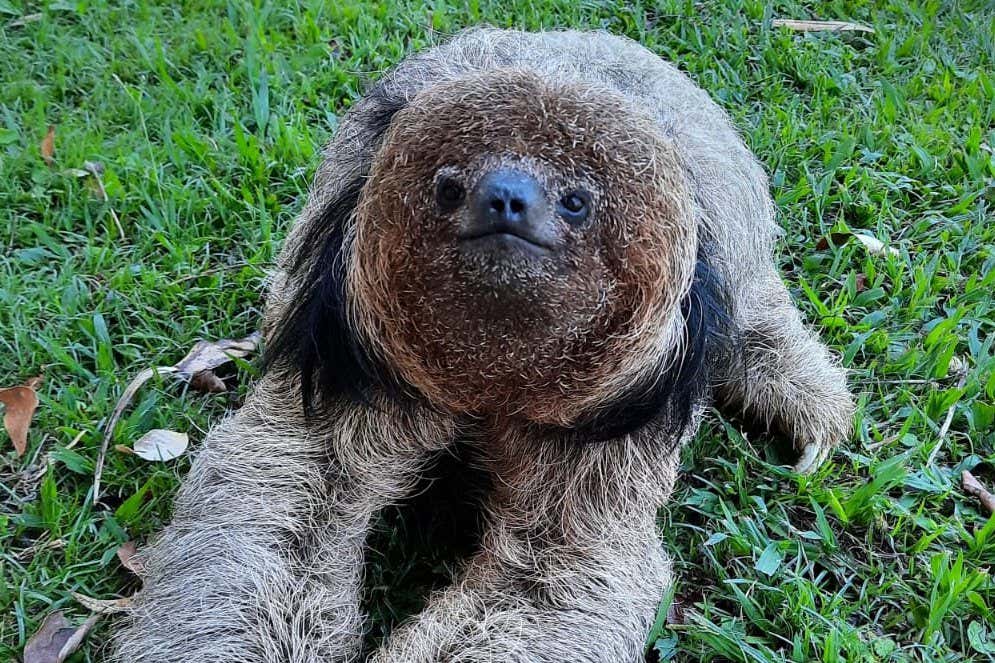
A sloth with a coconutty head

Newly recognised species of sloth has a head like a coconut

28 September 2022

Maned sloths were thought to be one species but a genetic and physical analysis suggests there are actually two


Sign up to our weekly newsletter

Receive a weekly dose of discovery in your inbox. We'll also keep you up to date with New Scientist events and special offers.

Sign up
Piano Exit Overlay Banner Mobile Piano Exit Overlay Banner Desktop