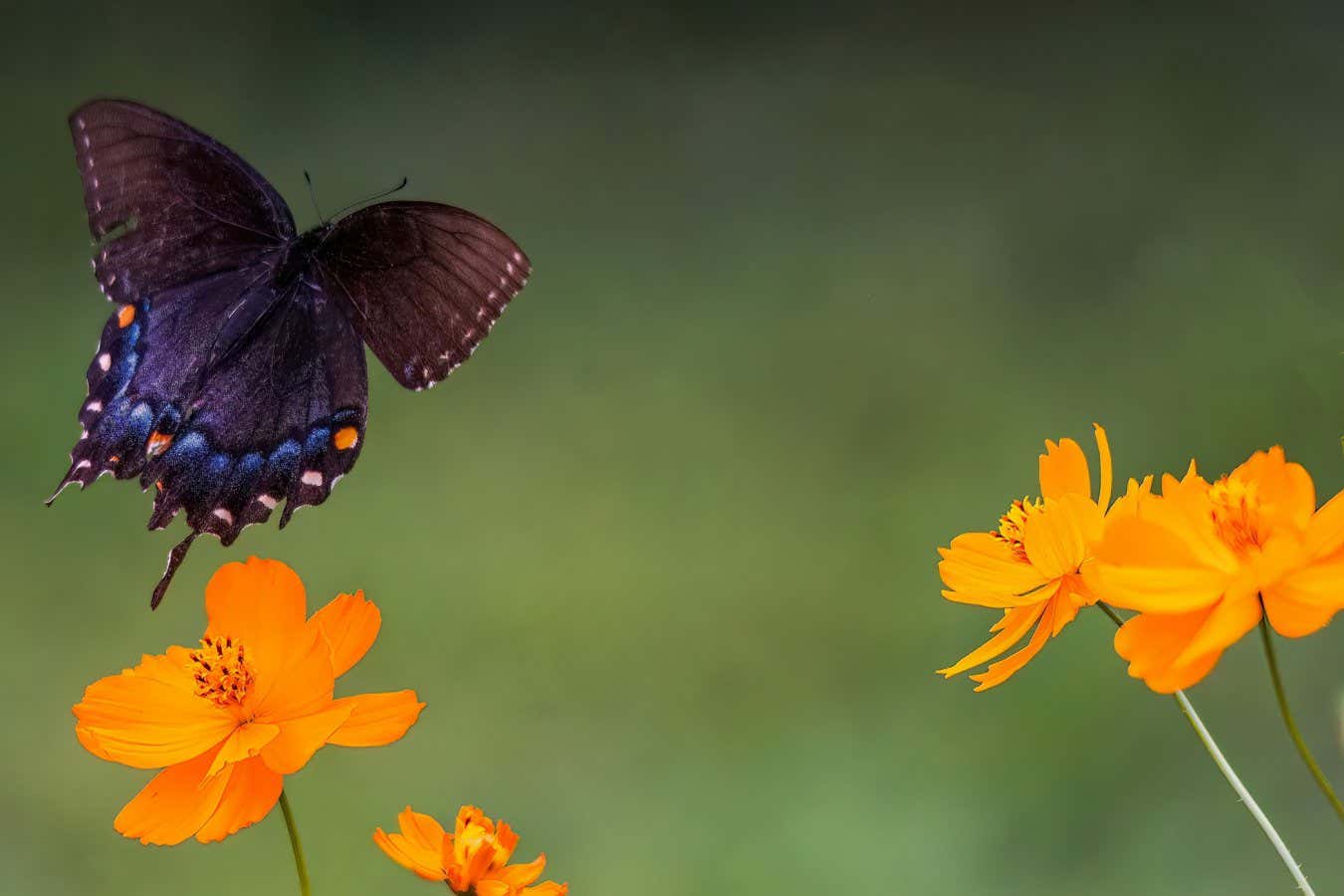
Butterflies evolved 100 million years ago in North America
15 May 2023
Many researchers thought butterflies first evolved in Asia, but a global genetic analysis suggests they arose in North America, well before the non-avian dinosaurs went extinct
15 May 2023
Many researchers thought butterflies first evolved in Asia, but a global genetic analysis suggests they arose in North America, well before the non-avian dinosaurs went extinct
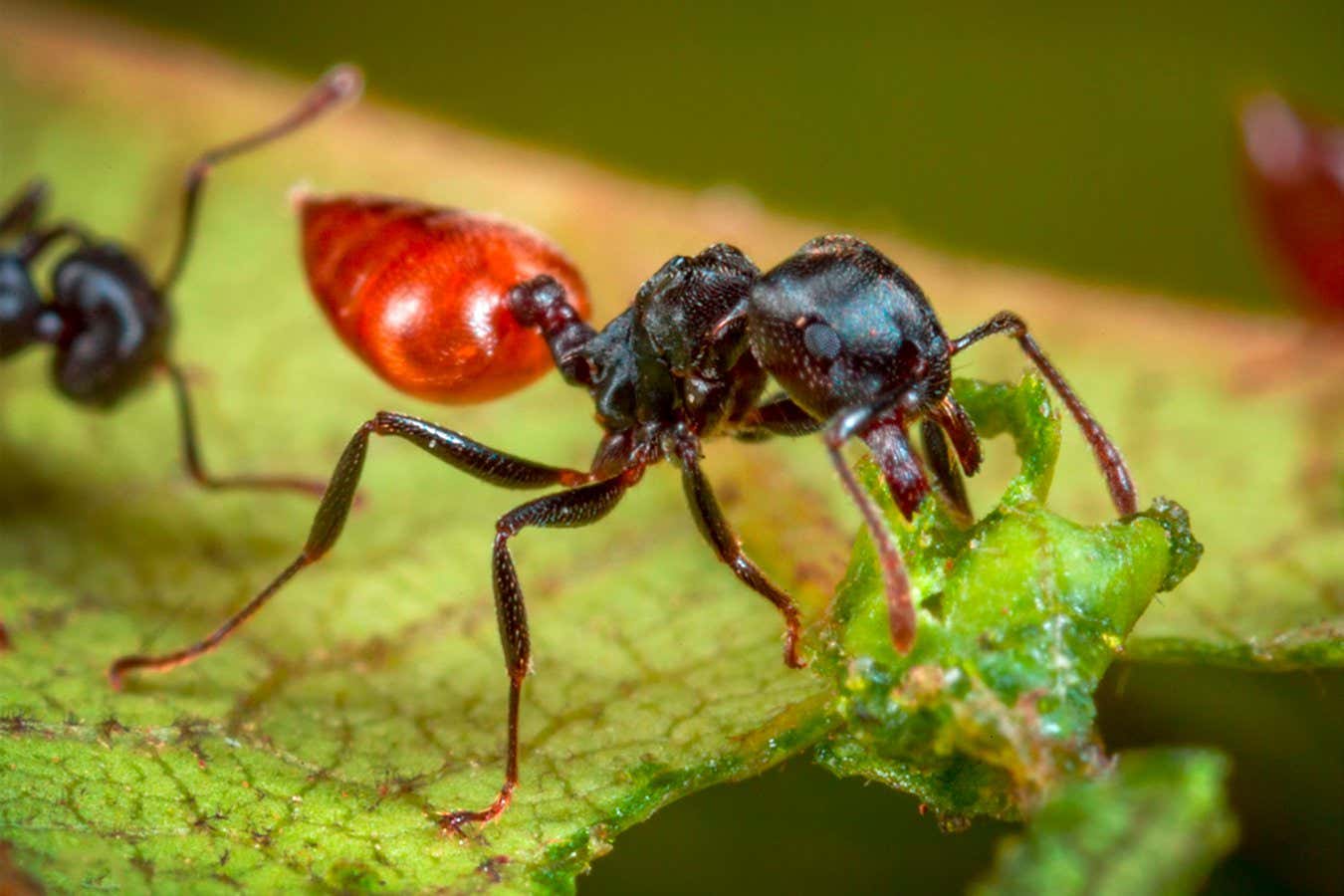
1 April 2023
Fungus farming by ants has evolved independently in populations separated by the Atlantic Ocean – the latest example was observed in cocktail ants in Cameroon, which cultivate fungus to build their nests
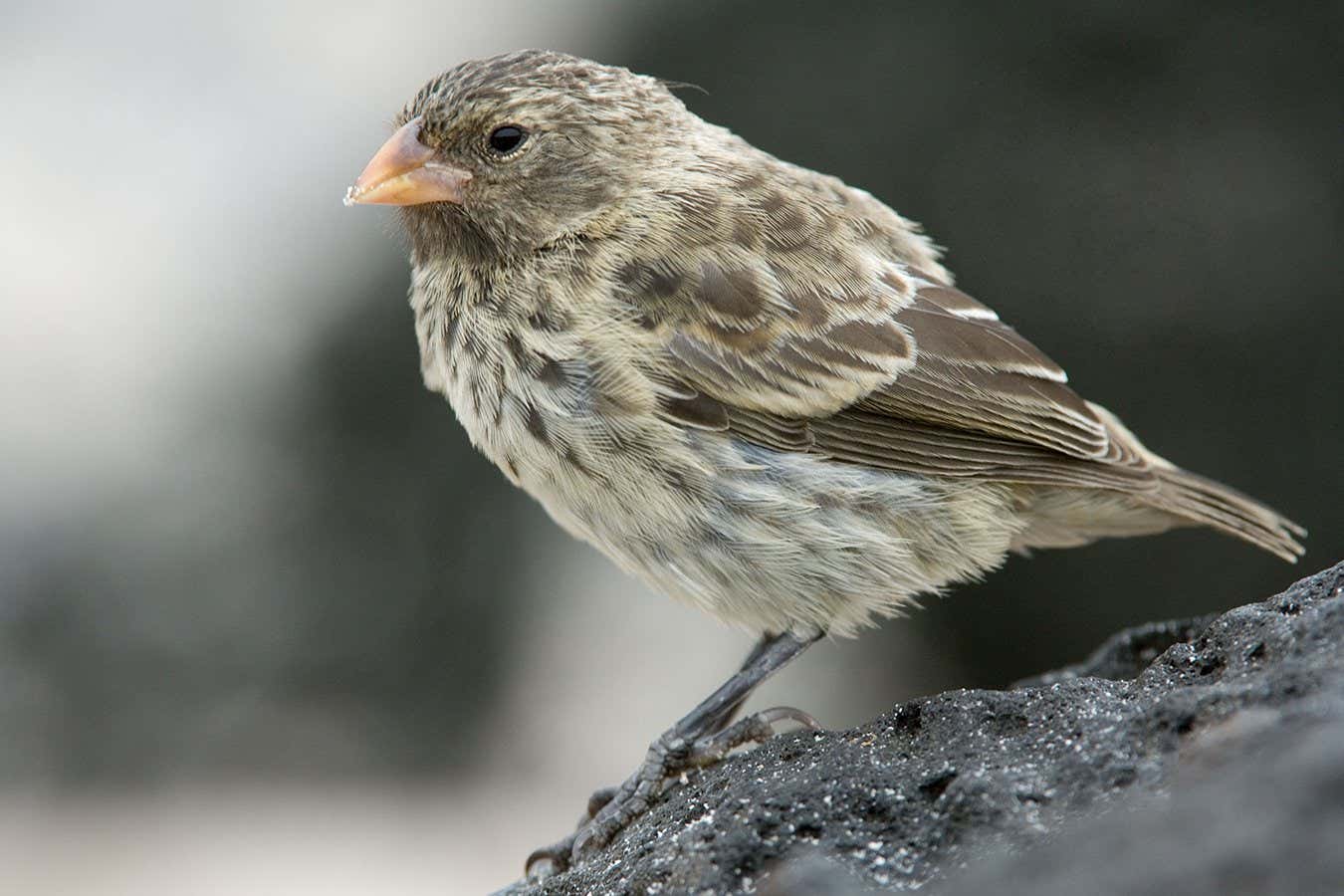
24 March 2023
In the Galapagos Islands, finches that live near cities have higher survival rates against parasitic flies than those who live in the country
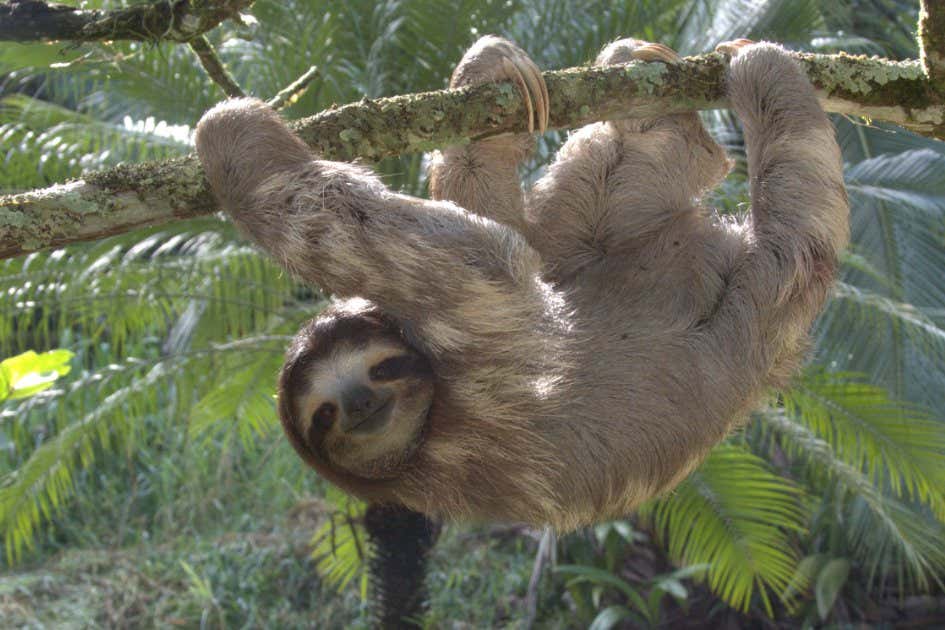
10 January 2023
Dangling from a tree with just a single foot, sloths can exert more gripping force relative to their weight than primates – and they are consistently, but mysteriously, stronger on their left side
21 October 2022
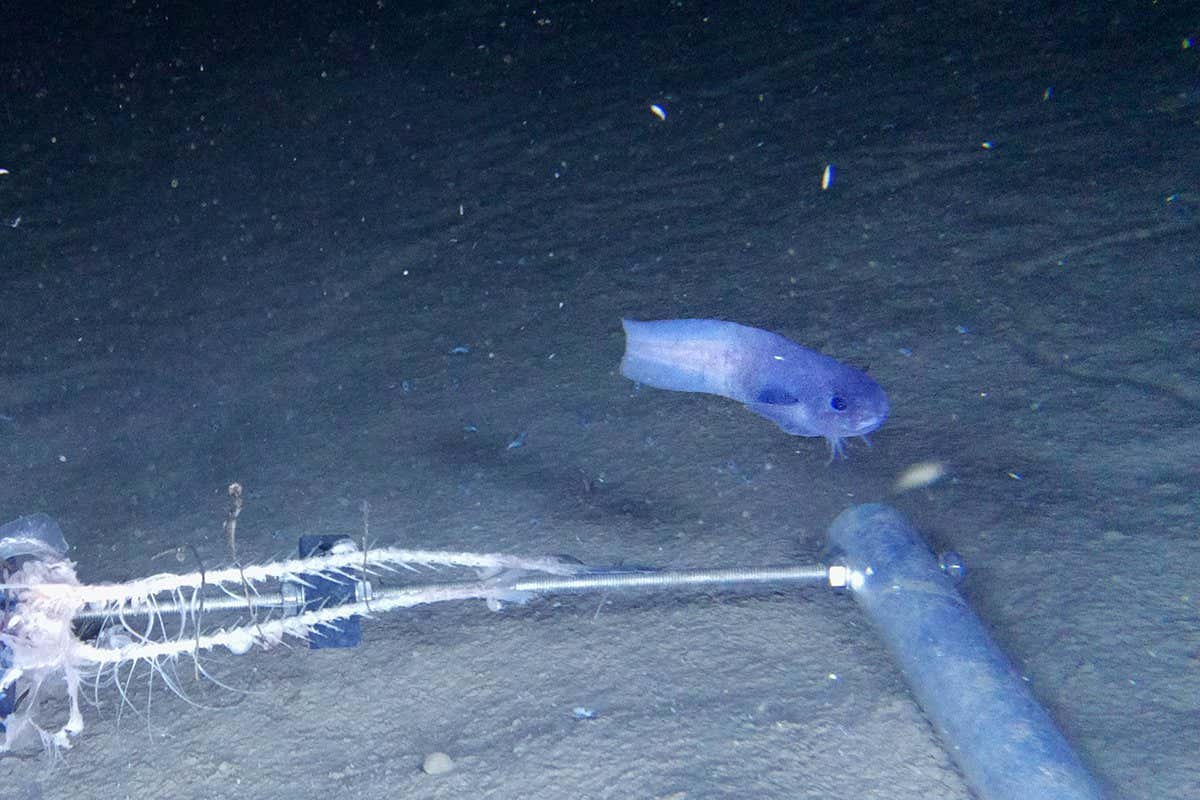
Most snailfish living in the deepest ocean realm known as the hadal zone are ghostly white with tiny eyes. But a newly described species has large eyes and is intensely blue
22 September 2022
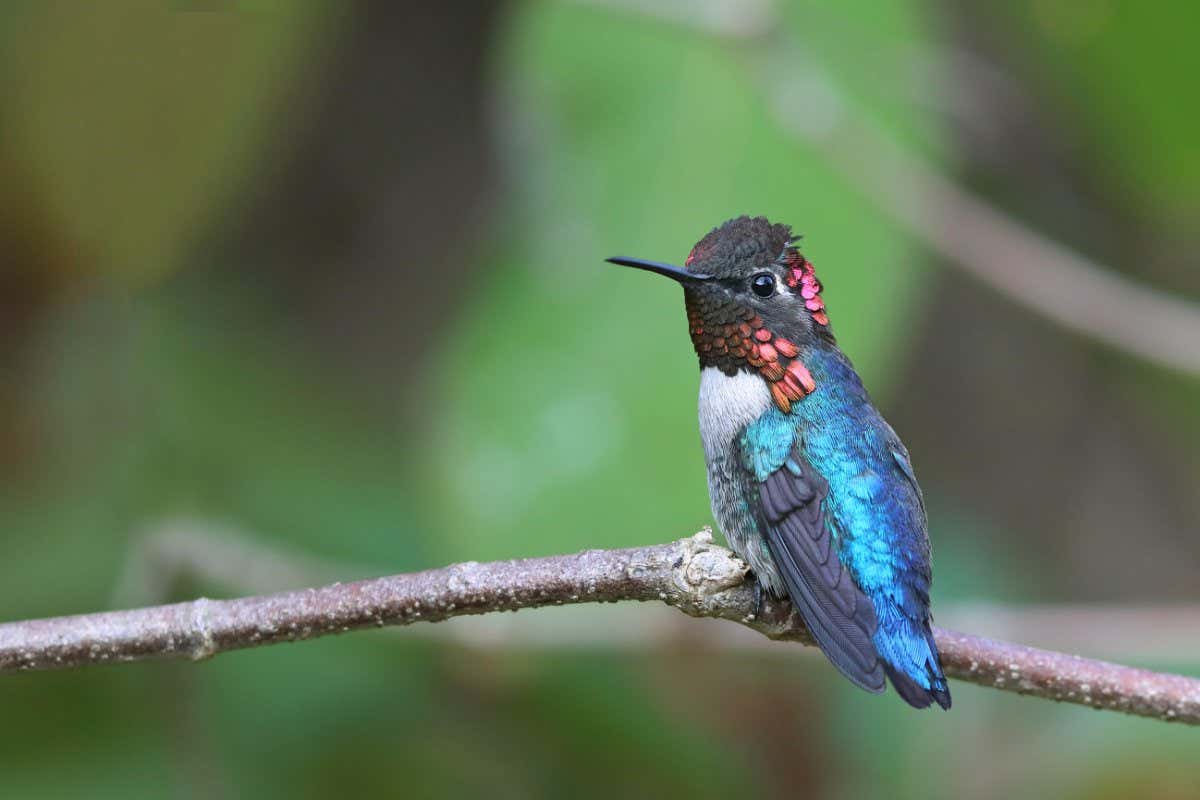
Male bee hummingbirds evolved to be much smaller than females, possibly because their diminutive size allows them to make faster and more elaborate courtship flights
30 August 2022
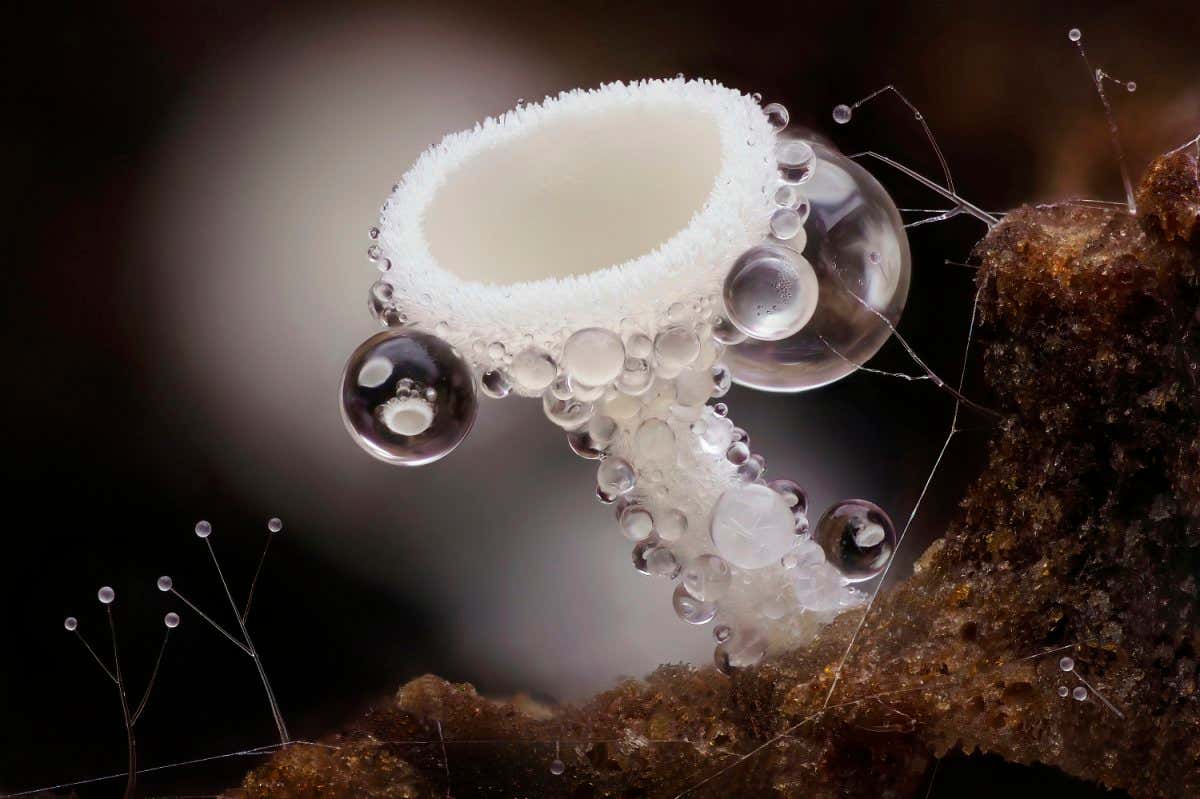
The vast array of shapes that fungi can take, including colourful mushroom caps and tangles of thread-like moulds, evolved in two big bursts hundreds of millions of years ago
29 July 2022
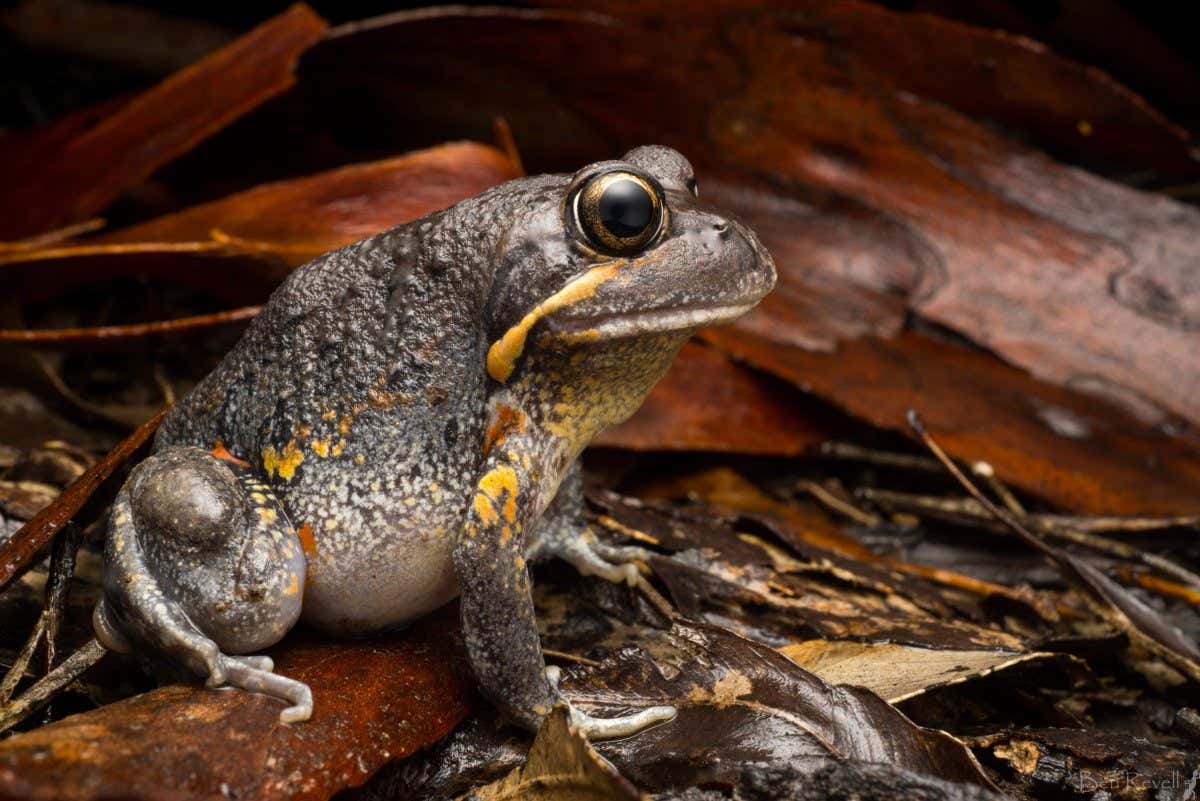
Highly acidic water usually breaks down a tadpole’s gill lining, but an Australian frog has evolved to suck in more protective calcium from the extreme ecosystem where it lives
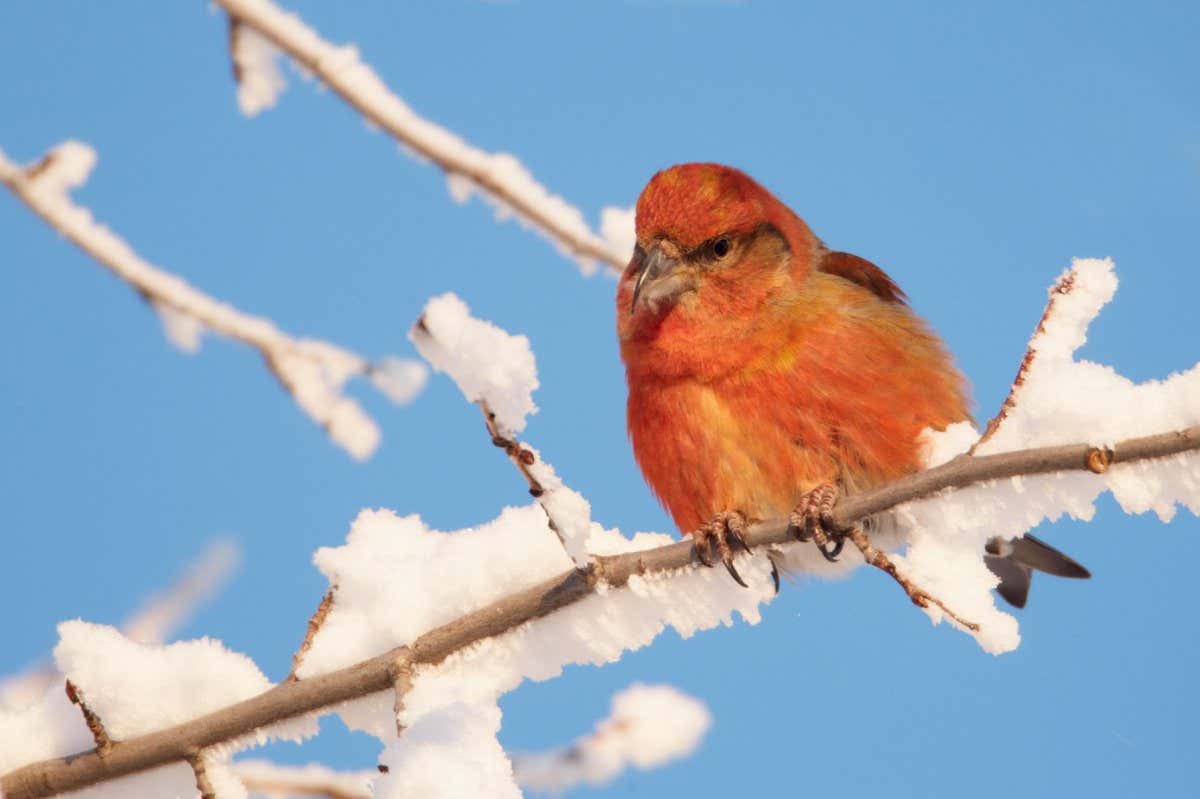
7 April 2022
The red feathers of male crossbills are brighter in birds that find it more physically challenging to fly, suggesting exercise influences plumage colour
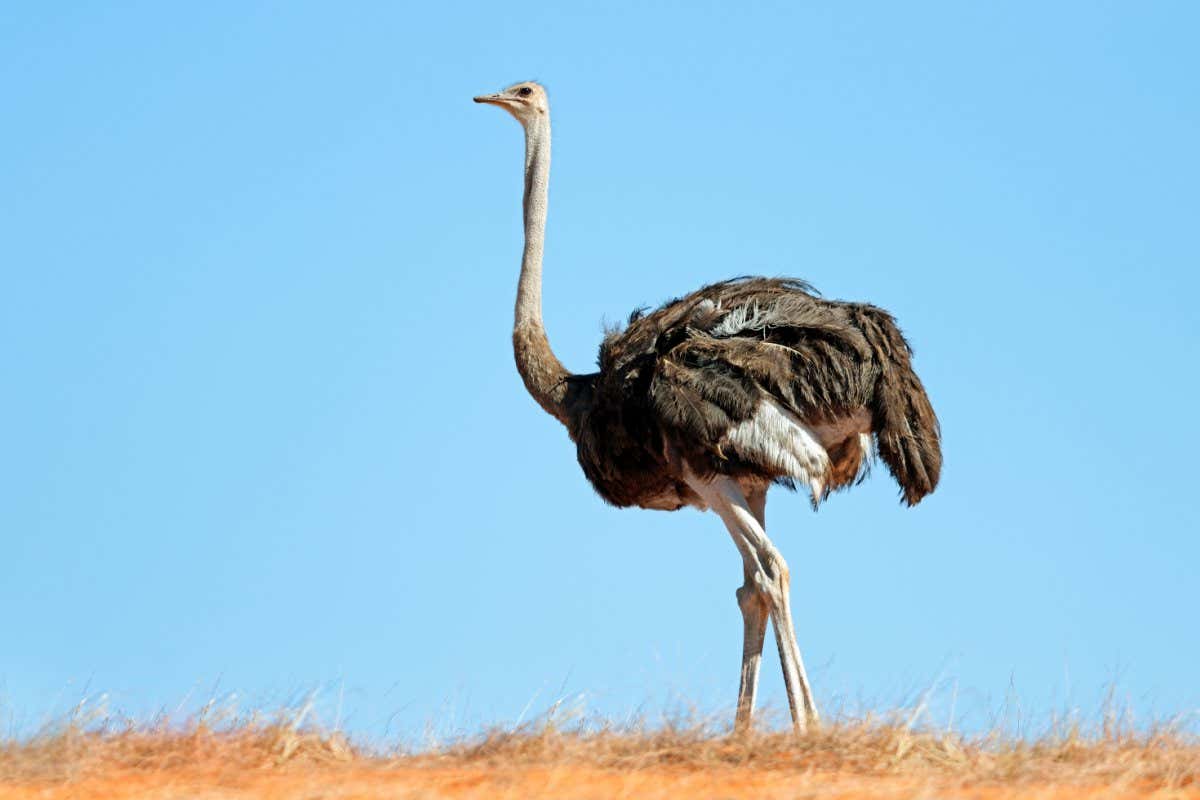
25 March 2022
Infrared images of ostrich necks show that they help the birds keep their heads cool in warm temperatures, lowering their heat stress and helping them reproduce more successfully
