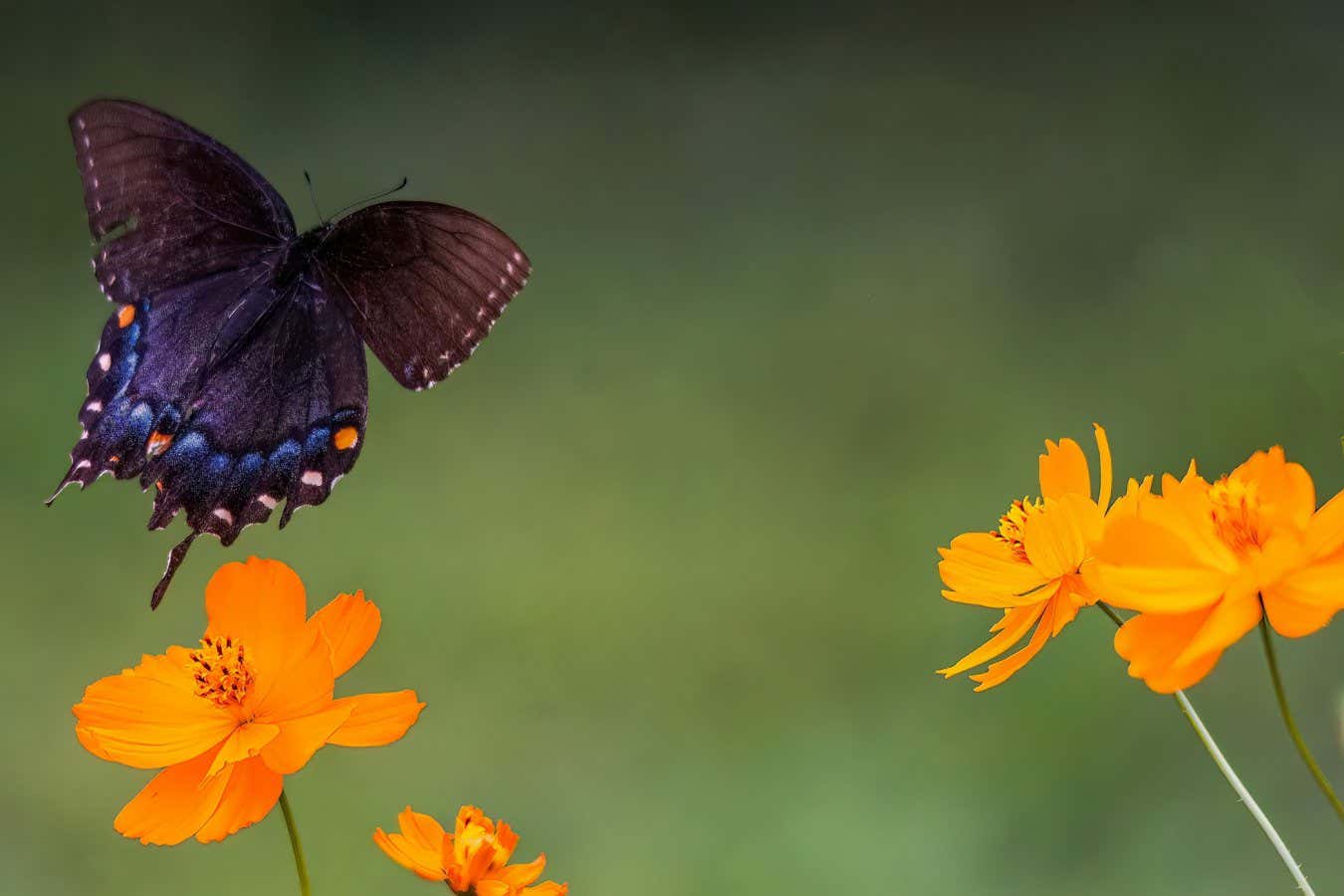
Butterflies evolved 100 million years ago in North America
15 May 2023
Many researchers thought butterflies first evolved in Asia, but a global genetic analysis suggests they arose in North America, well before the non-avian dinosaurs went extinct
15 May 2023
Many researchers thought butterflies first evolved in Asia, but a global genetic analysis suggests they arose in North America, well before the non-avian dinosaurs went extinct
1 June 2022
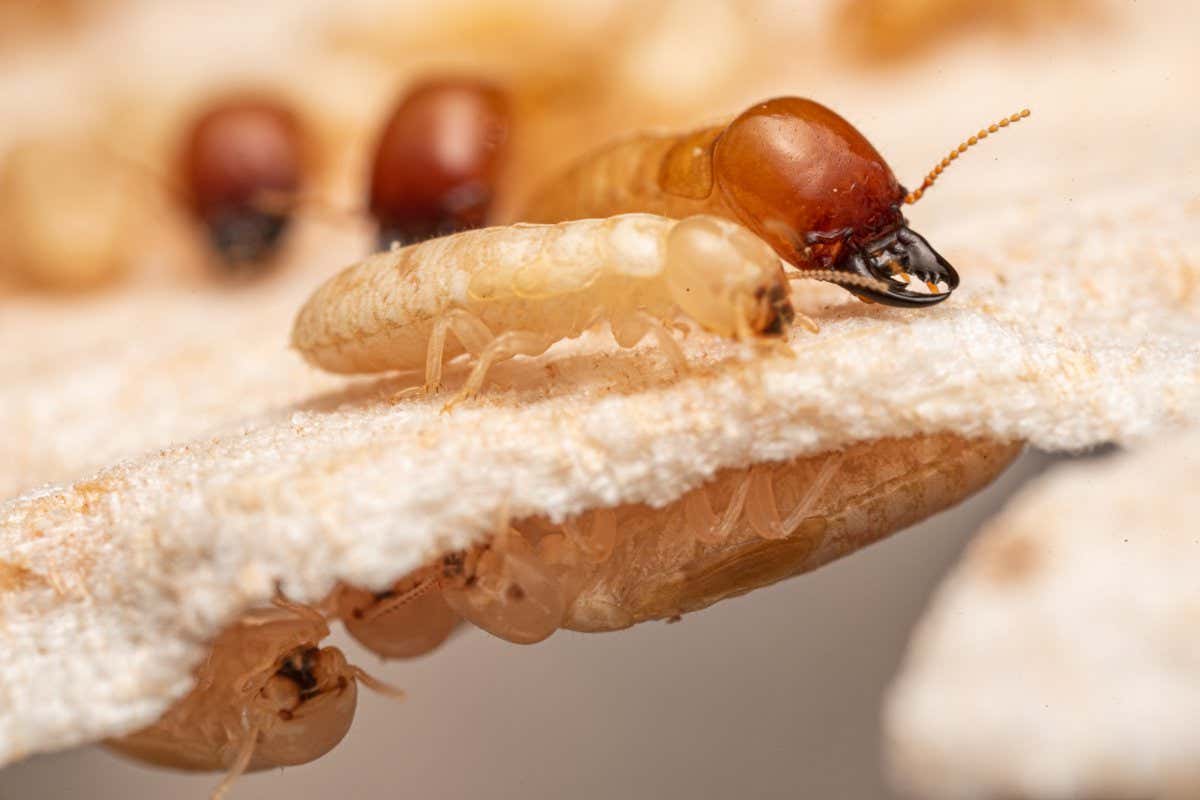
An analysis of drywood termite DNA shows the wood-dwelling insects have crossed the oceans at least 40 times in their history, probably rafting inside driftwood
3 March 2022
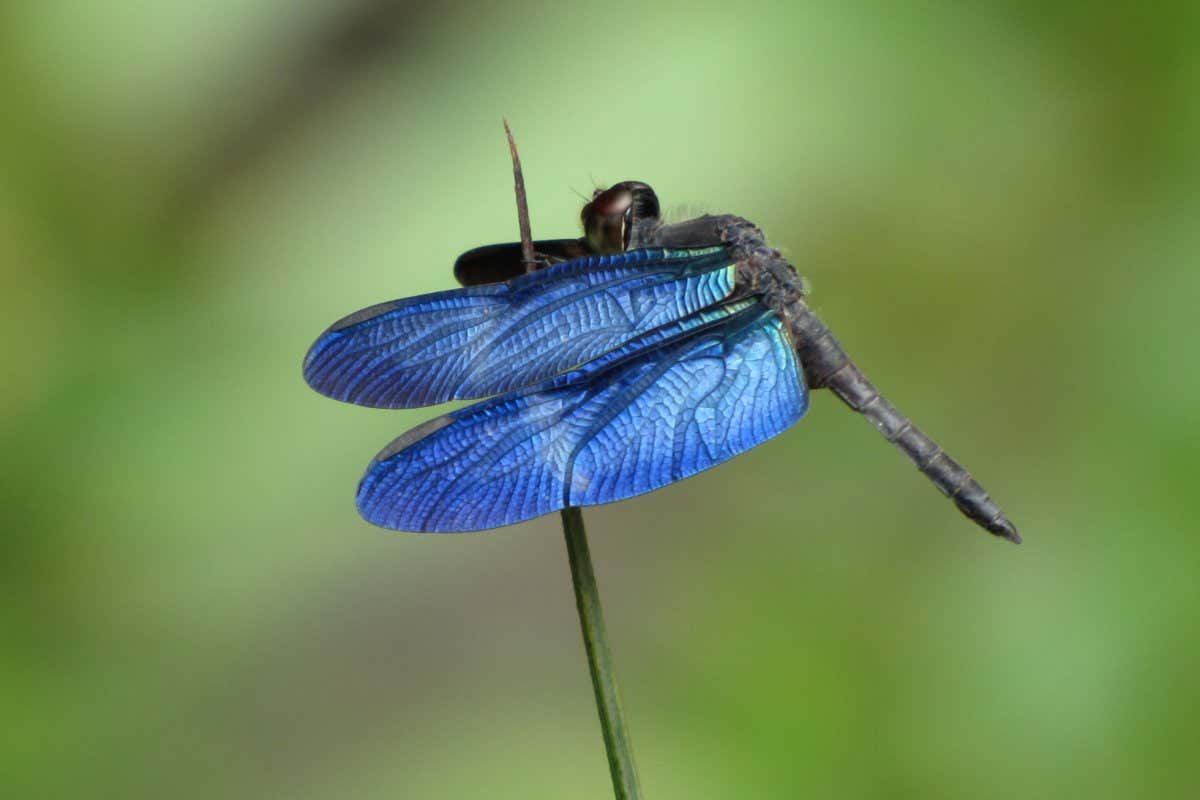
The way light reflects off morpho dragonflies’ bright blue wings helps the insects blend in with water when viewed from above, making them invisible to predators and prey
2 June 2021
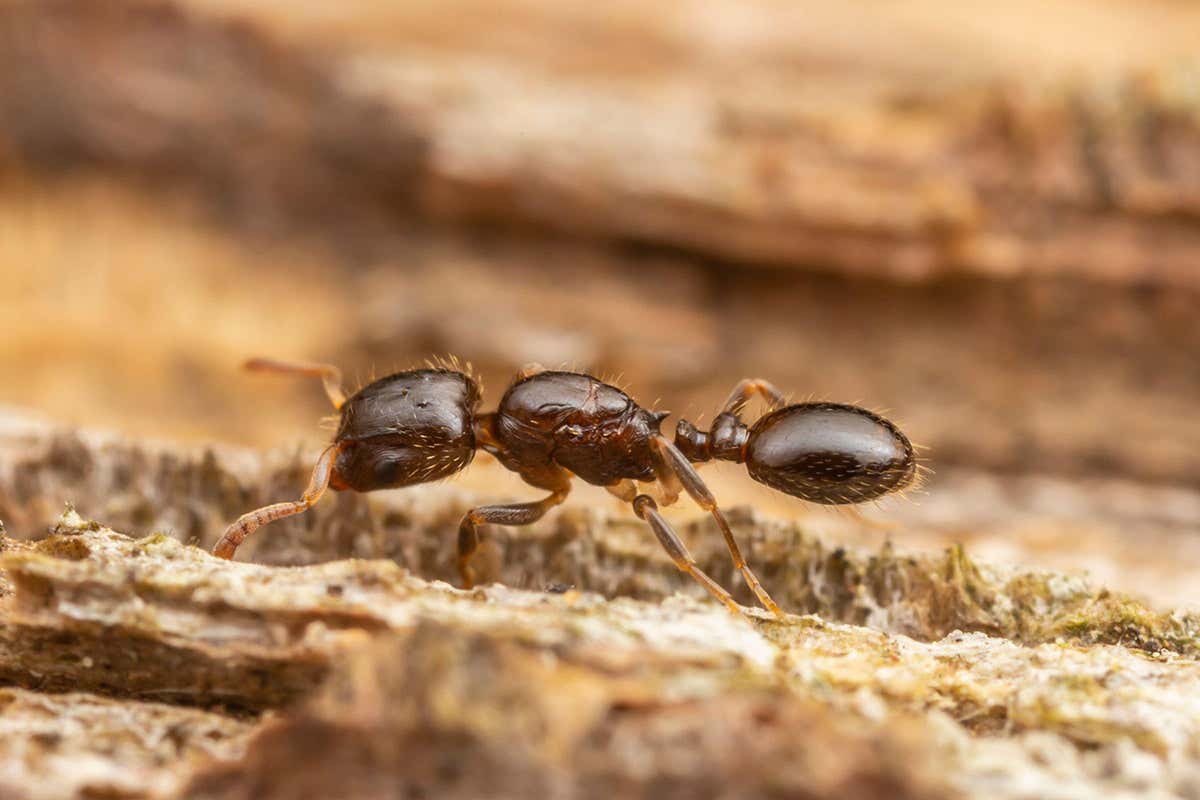
When parasitic ants move into another species’ colony, they outsource foraging to the host ants – which may be why several species of parasitic ants have lost the genes for taste and smell
29 March 2021
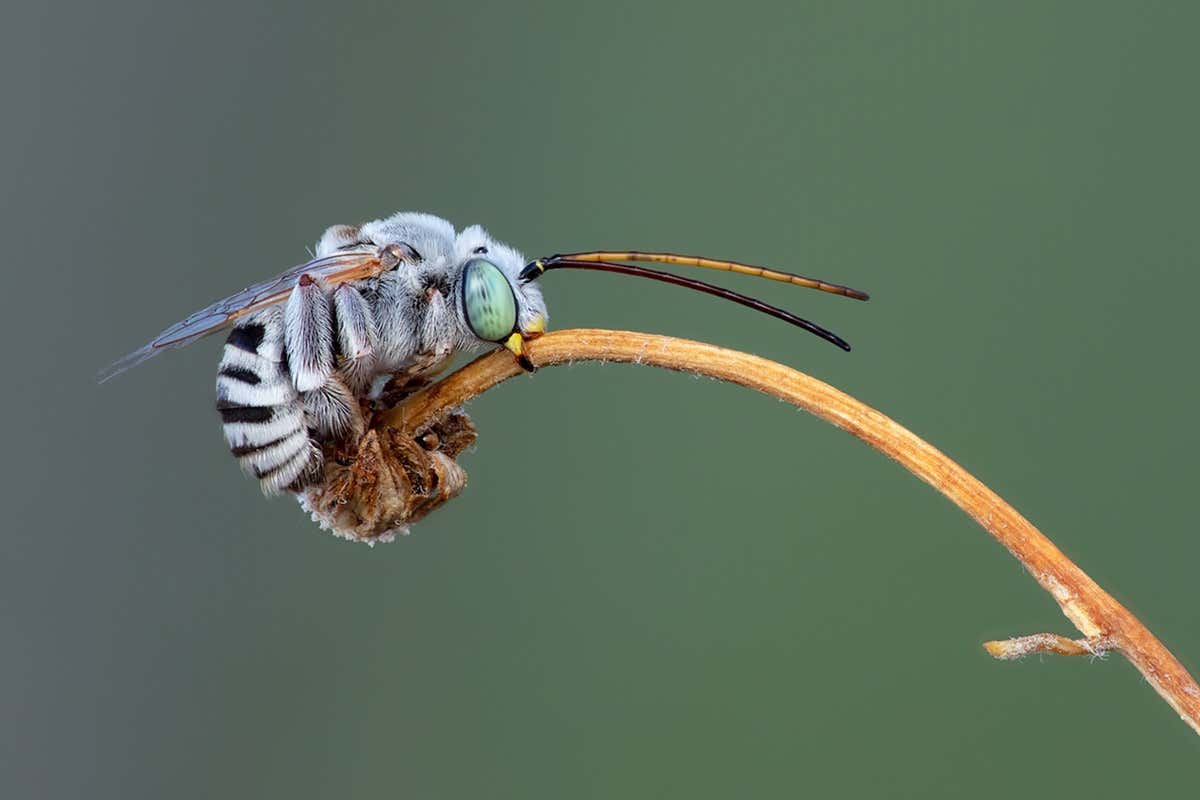
A wildlife refuge on the US-Mexico border is home to nearly 500 species of bees, the densest aggregation of bee species anywhere in the world
19 October 2019
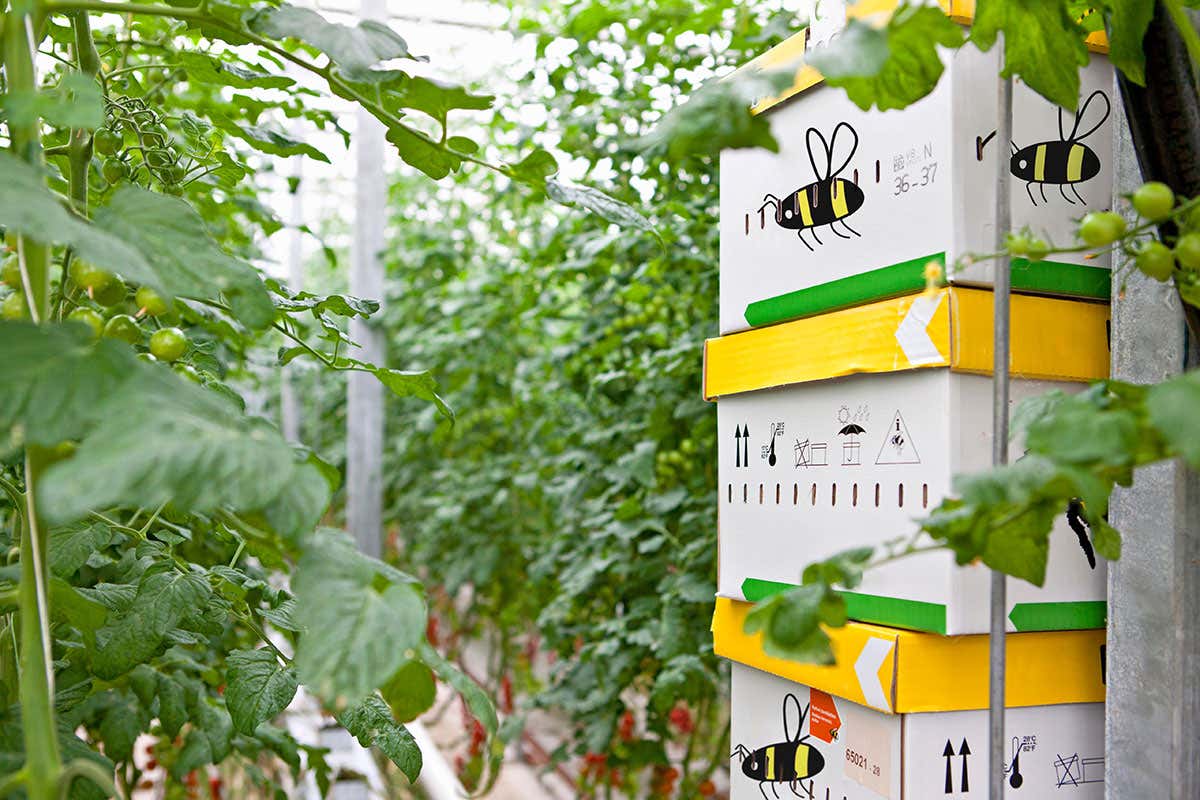
Millions of colonies of farmed bees are used to help pollinate crops. It turns out they can escape and mate with local bees, producing offspring that may be vulnerable to climate change
1 August 2019
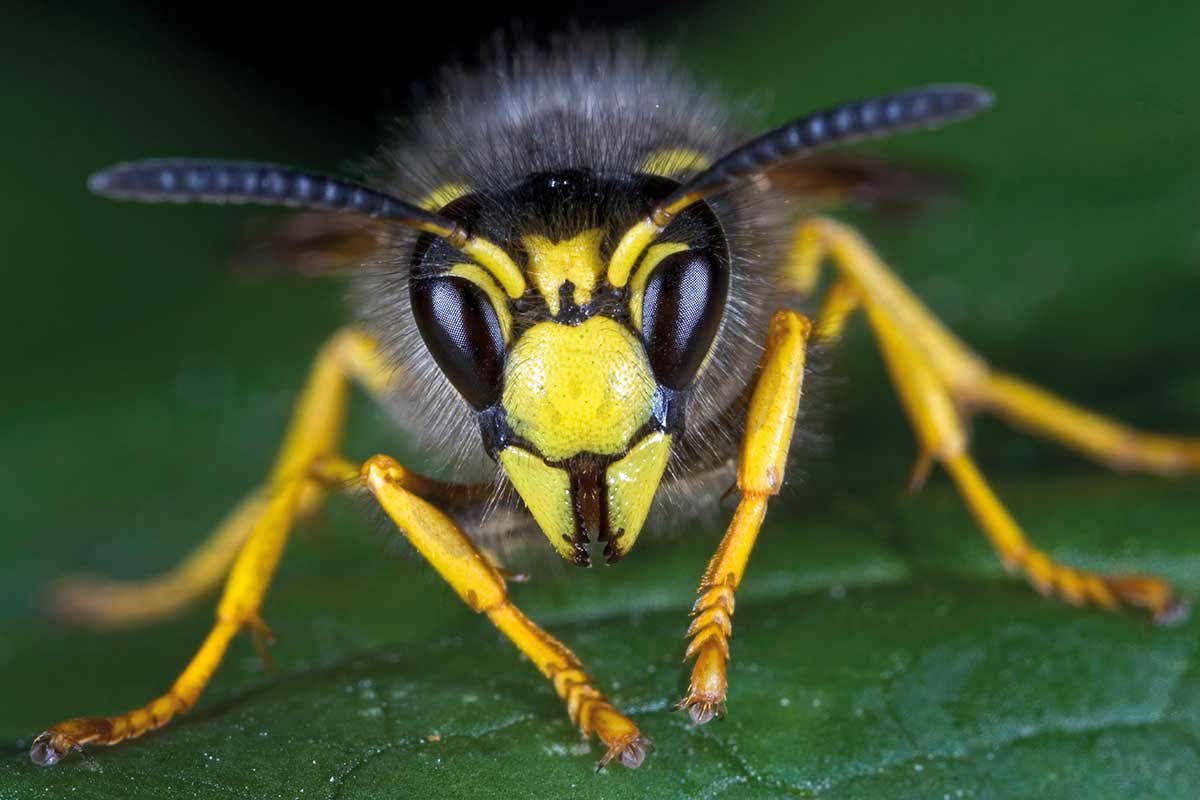
Global warming has been linked to smaller body sizes in antelopes, sparrows – and now wasps. Oddly, their wings are shrinking faster than the rest of their body
11 April 2019
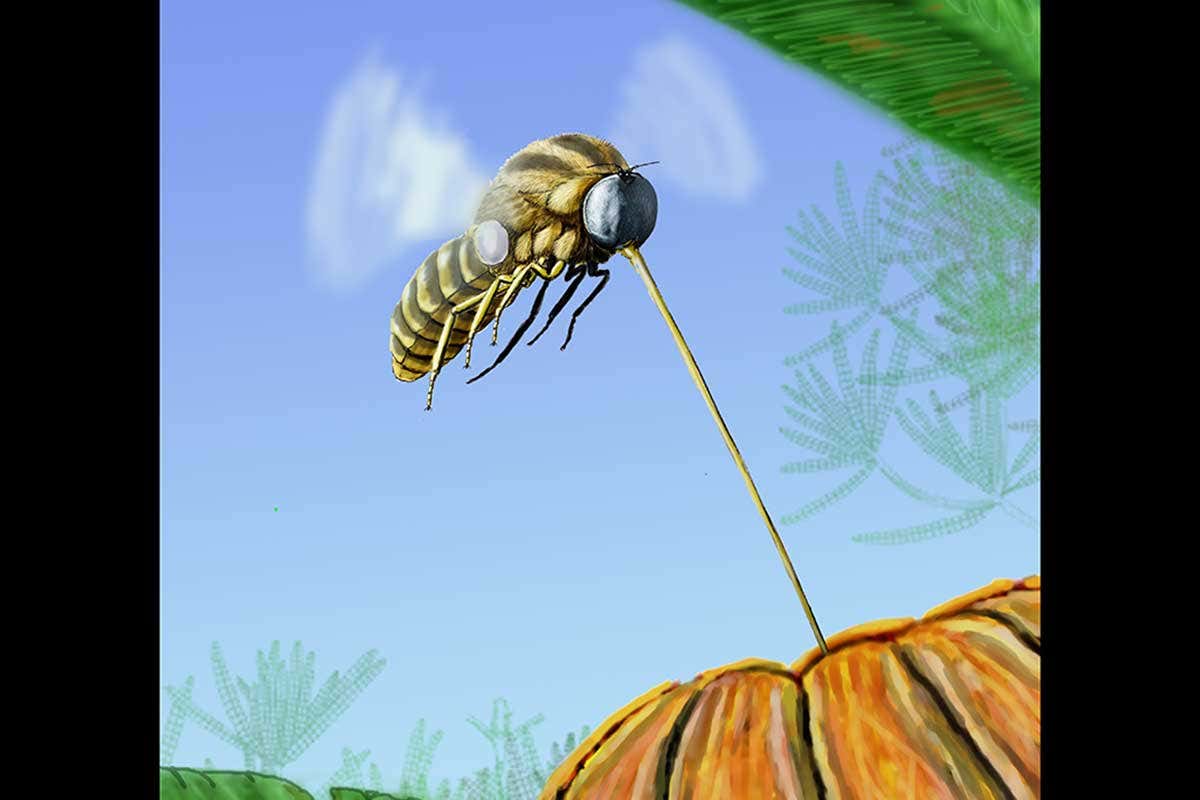
A fossil of a Jurassic fly suggests that pollinating insects may have been flying around on Earth long before the first flowers had begun to bloom
9 March 2019
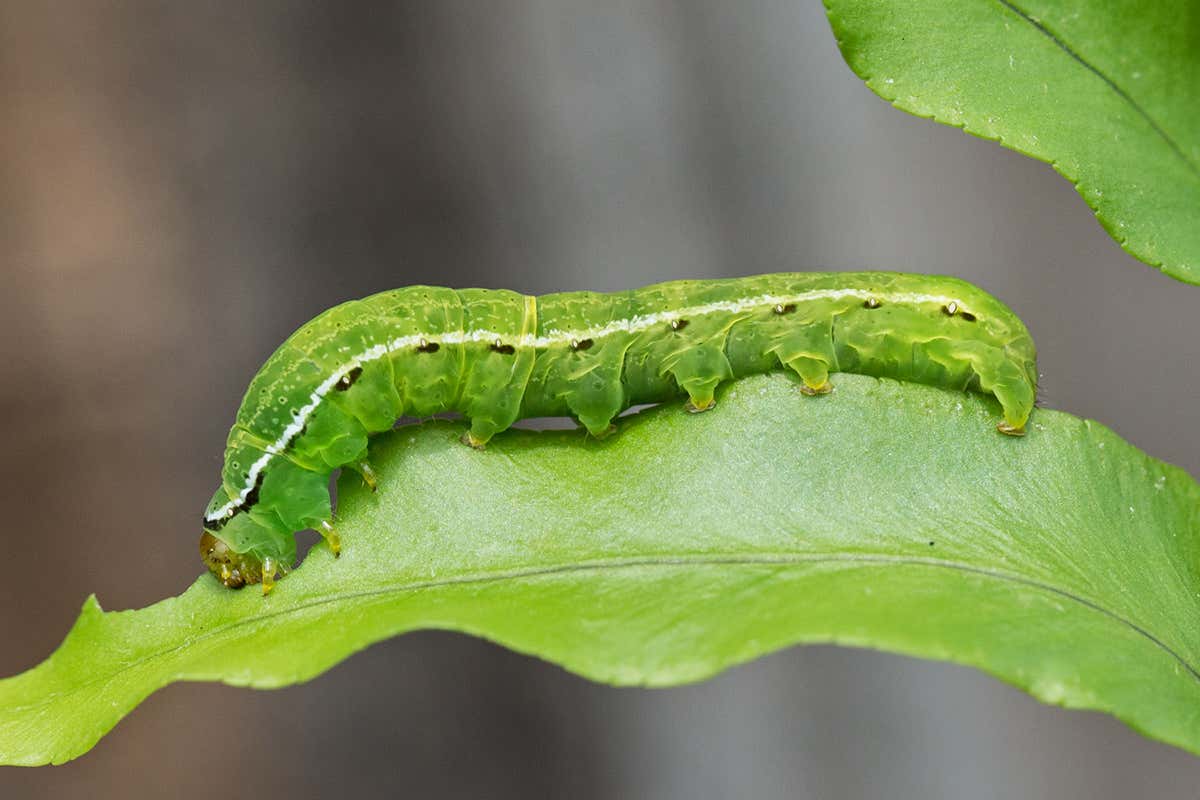
Some caterpillars happily dine on arsenic-loaded leaves. Accumulating the poison in their bodies may be a tactic to ward of predators
27 June 2018
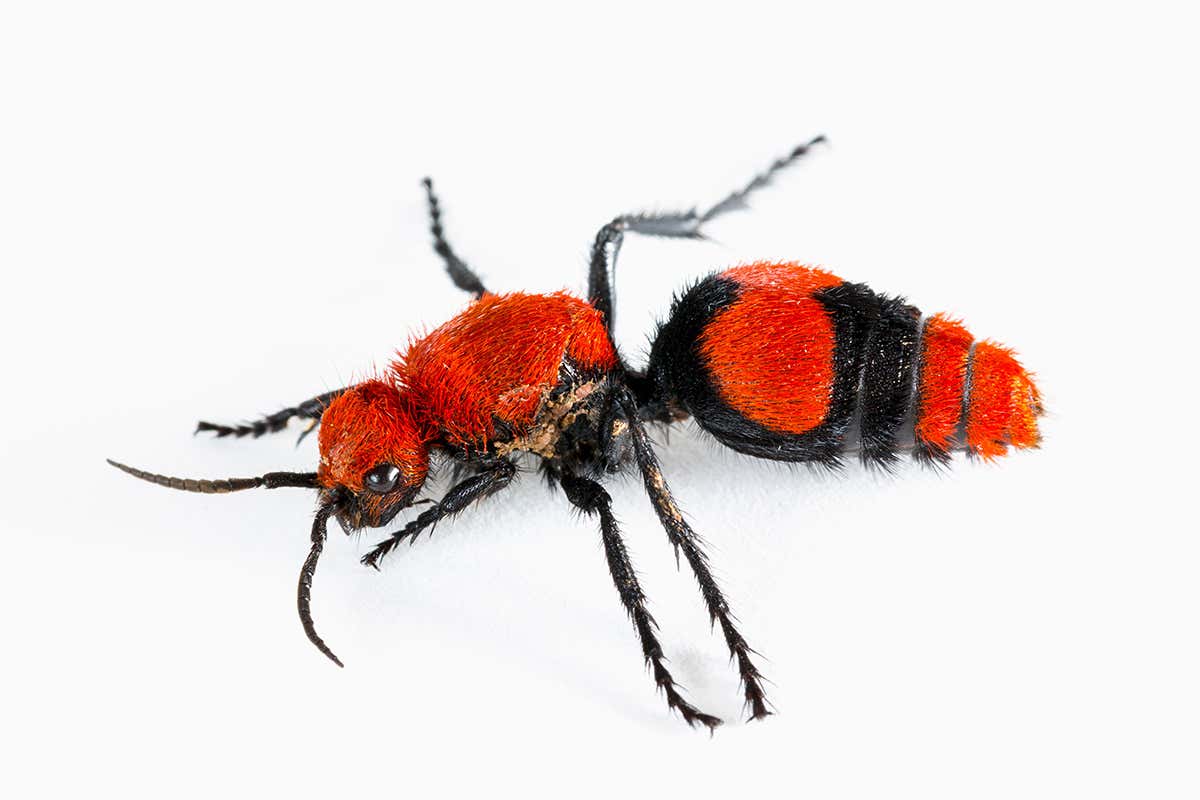
Most insects live in constant fear of predators—but not the velvet ant. New research suggests that these gaudy, fuzzy insects are essentially invincible.
