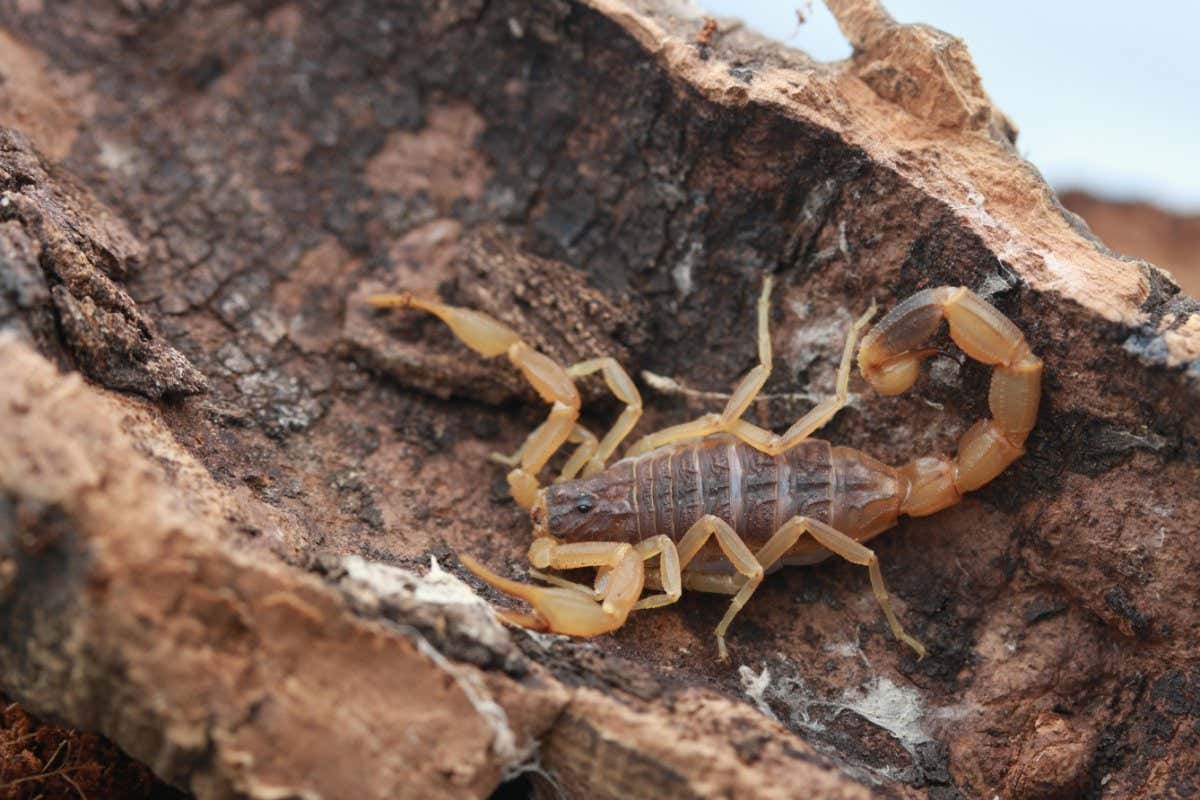
Scorpions develop a sting in the tail before they are ready to use it
9 September 2021
Newborn scorpions produce and store venom in their tail, or telson, despite not being able to use it until they have shed their first exoskeleton
9 September 2021
Newborn scorpions produce and store venom in their tail, or telson, despite not being able to use it until they have shed their first exoskeleton
14 August 2021
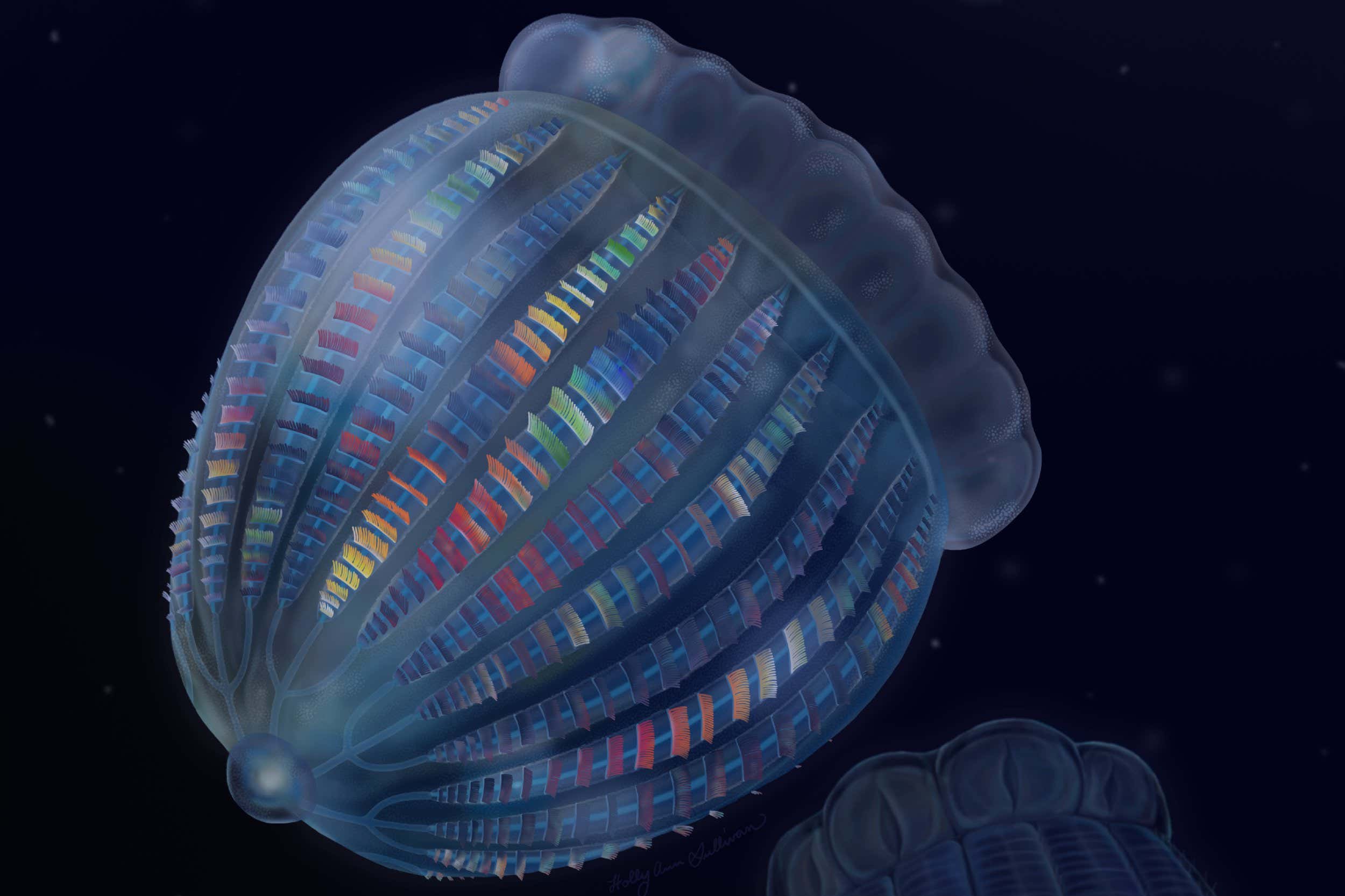
A 500-million-year-old comb jelly is so well-preserved that it’s possible to see it had a nervous system more complex than that of modern comb jellies

13 August 2021
Gut microbes helped ancient dogs eat starch-rich food when farming led to a change in diet for people and their animals, an analysis of 3500-year-old dog faeces reveals
5 August 2021
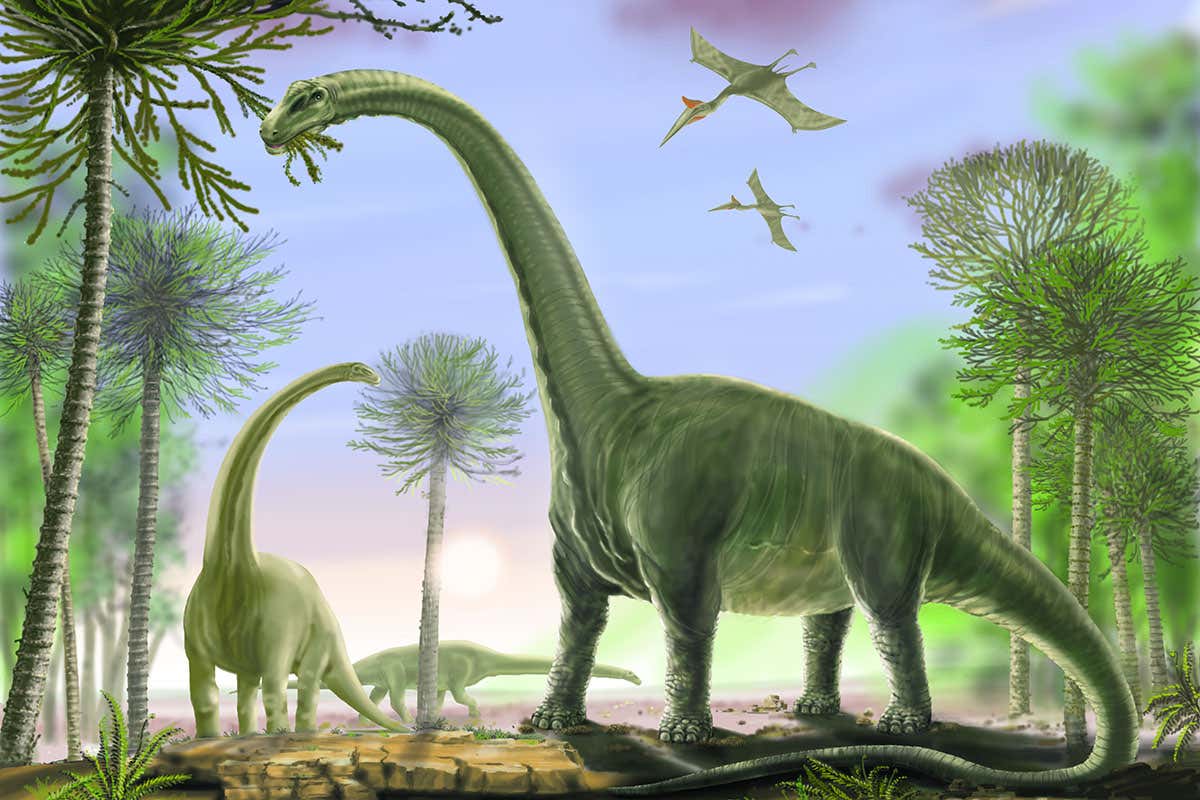
The largest known dinosaurs may have fasted like emperor penguins while laying their eggs, suggests a chemical analysis of their eggshells
1 August 2021
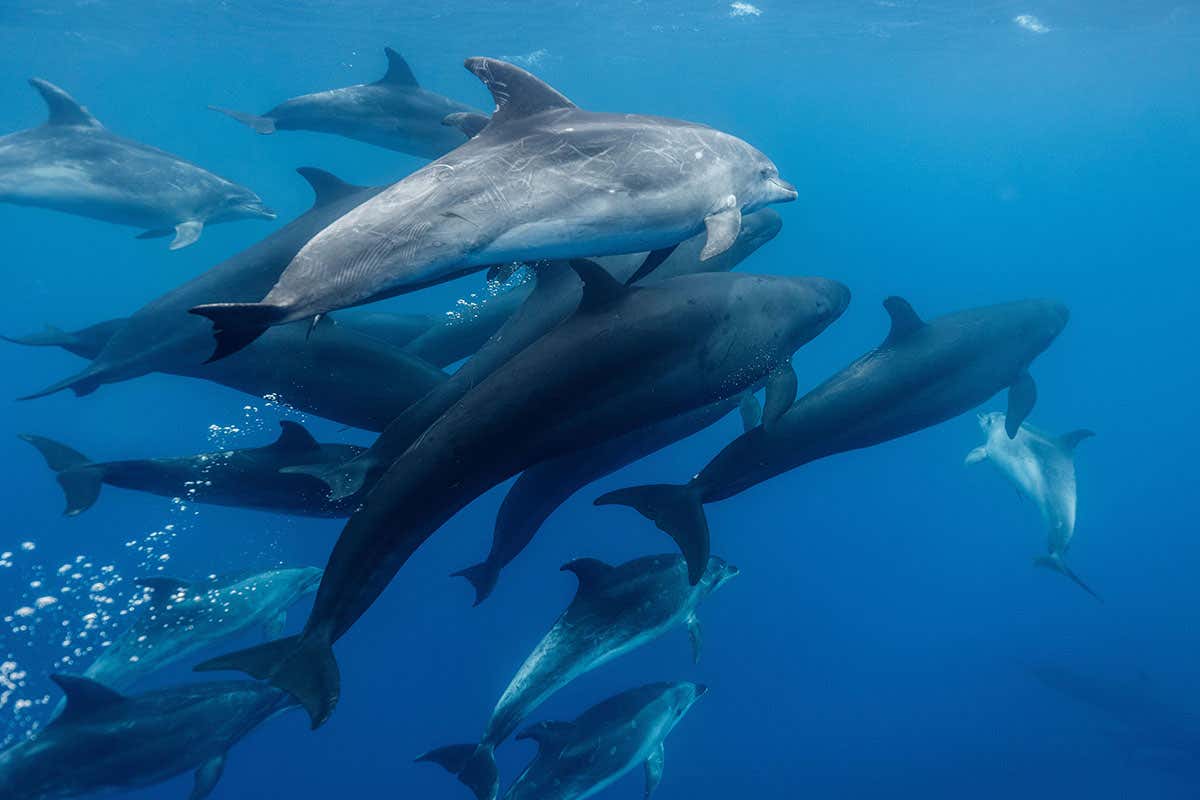
Covert messages sent underwater can be camouflaged in the sounds of whales and dolphins, making them harder for others to detect

29 July 2021
Fossil forensics and artificial intelligence have shed light on how multiple groups of large mammals died by a lake in what is now Spain 9 million years ago
23 July 2021
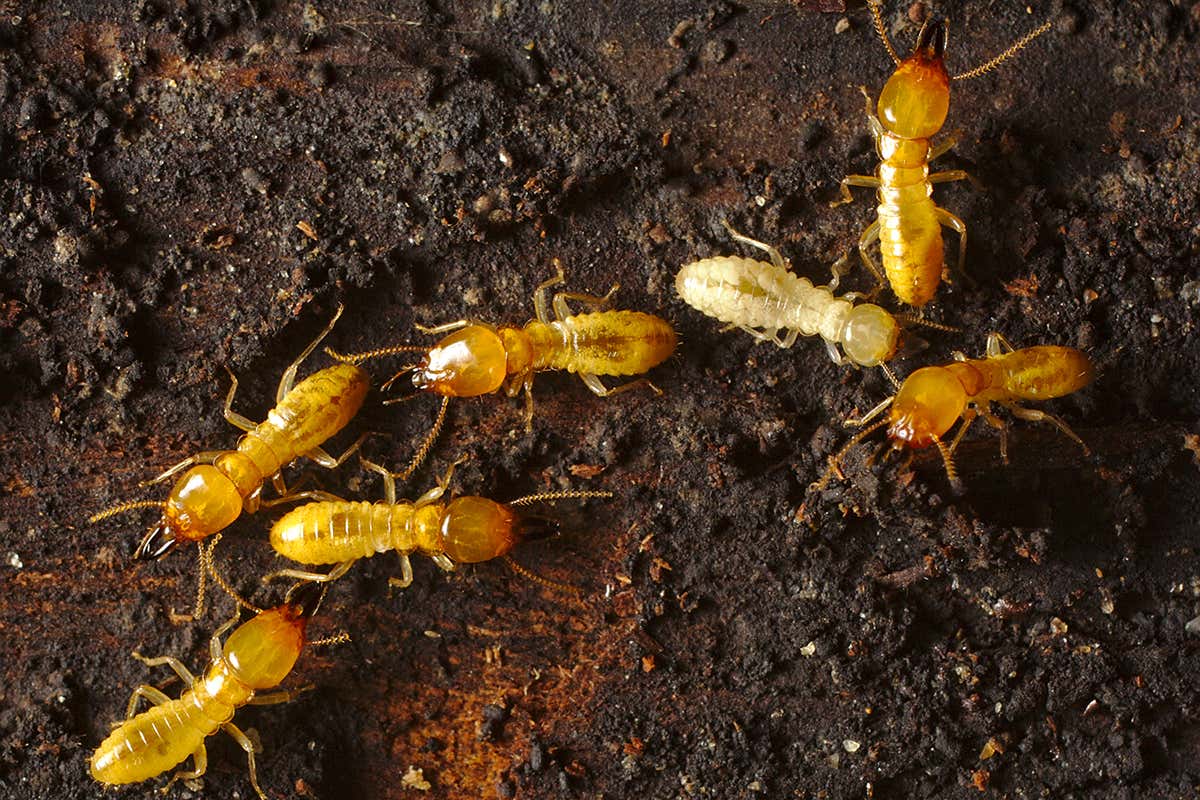
Microbes isolated from the stomachs of termites can decontaminate timber that has been treated with toxic preservatives, enabling it to be converted into biofuels more easily
19 July 2021
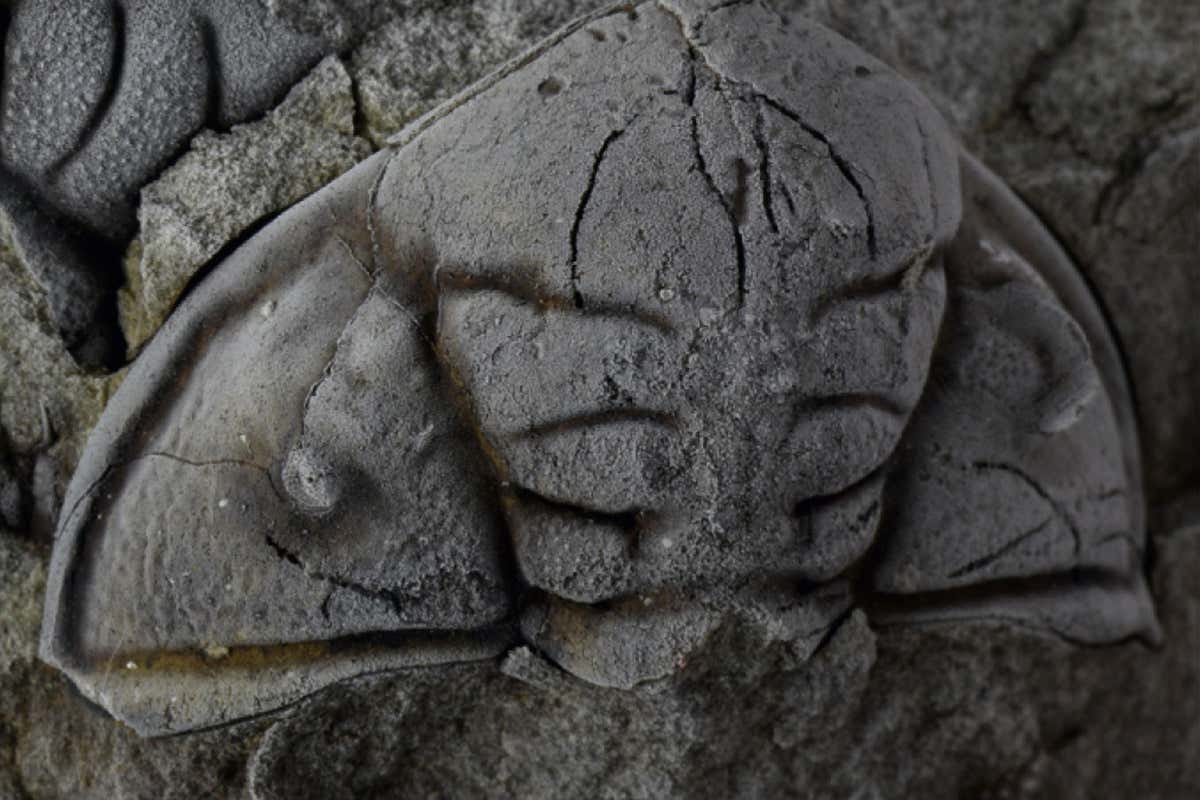
A fossil of a trilobite's head shows the animal had an eye injury that healed, suggesting it may have escaped the clutches of a gigantic predator

16 July 2021
Echolocating bats have genes that protect their ears from intense noise, a discovery that may be helpful for treating hearing loss

9 July 2021
6000-year-old miniature ceramic bottles found in Slovenia contain traces of the same minerals later used in make-up by ancient Egyptians and Mesopotamians
