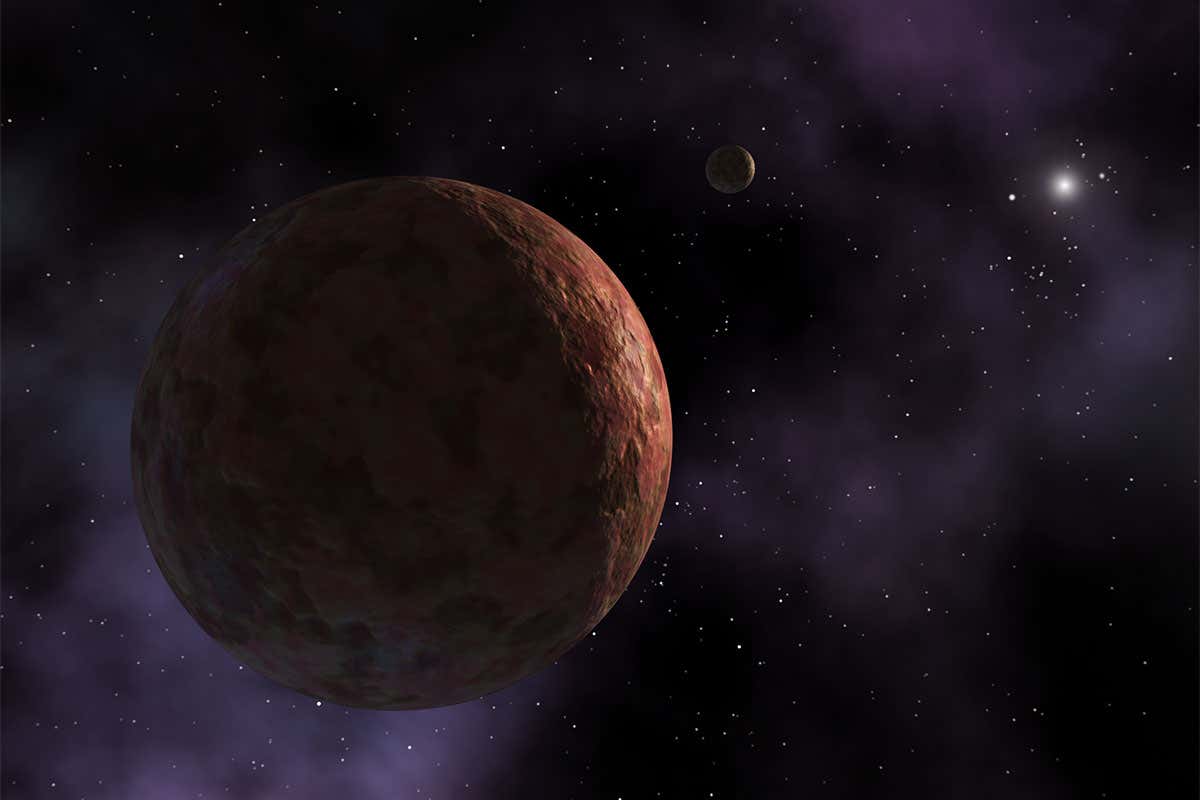
Passing star may have disturbed the solar system billions of years ago
18 July 2018
The outer solar system hosts a number of small bodies in mixed up orbits – and they may have been scattered there by a passing star
18 July 2018
The outer solar system hosts a number of small bodies in mixed up orbits – and they may have been scattered there by a passing star
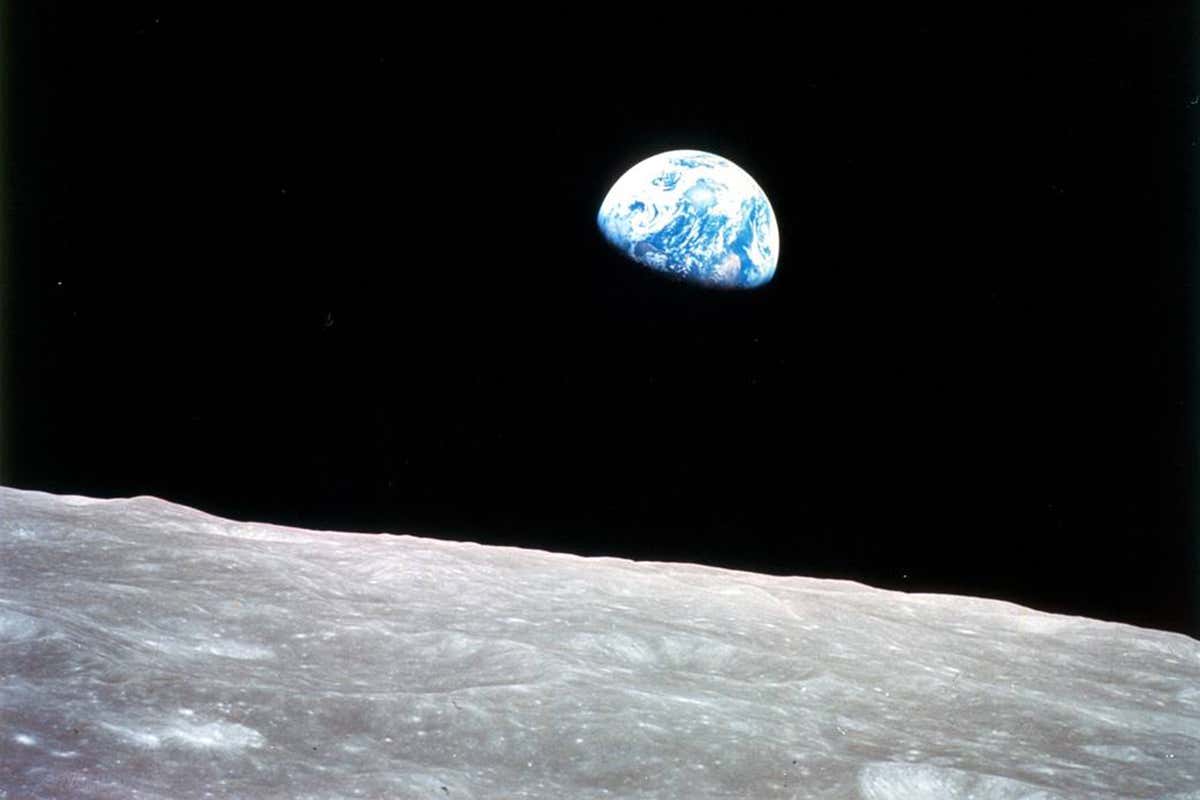
4 December 2017
Our moon was made by the Big Splash, an impact that we thought left iron deposits near Earth’s crust. It turns out that the metal sank into our planet’s core
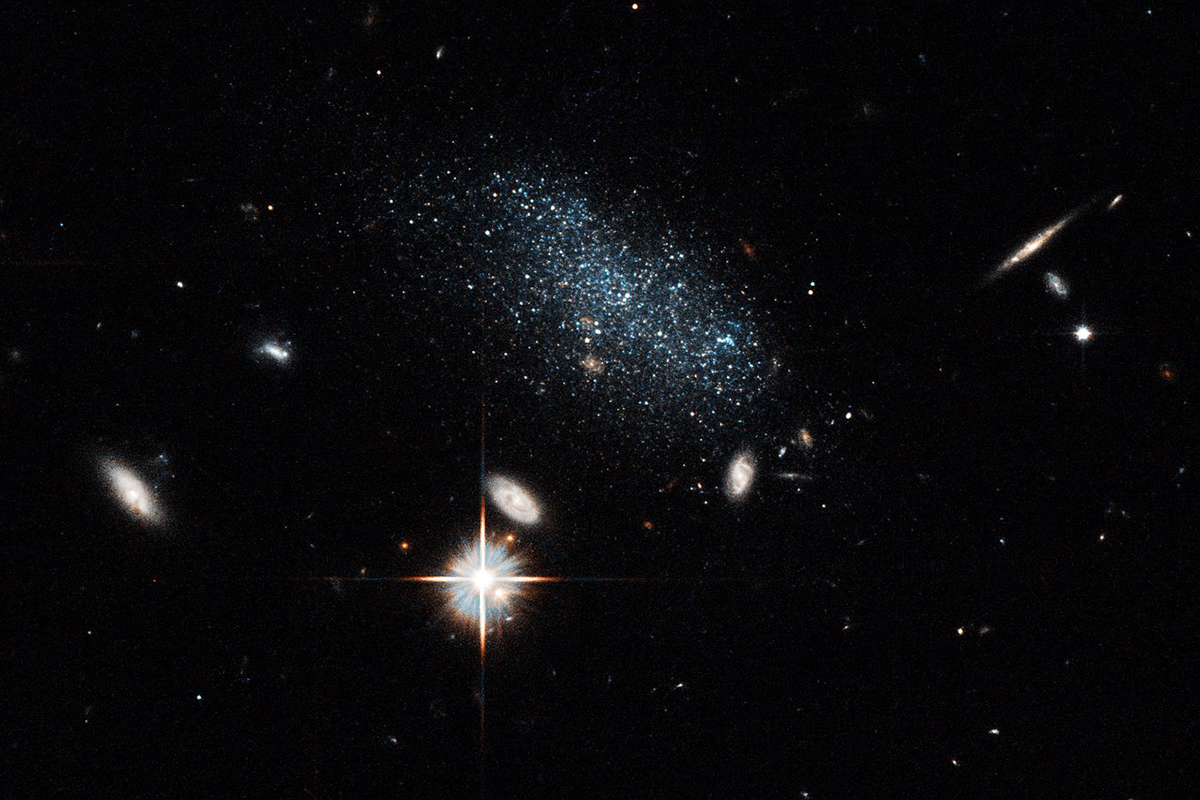
27 November 2017
The missing dwarf galaxies around the Milky Way have been found. Their existence means dark matter could be made of particles that are warmer than we expected
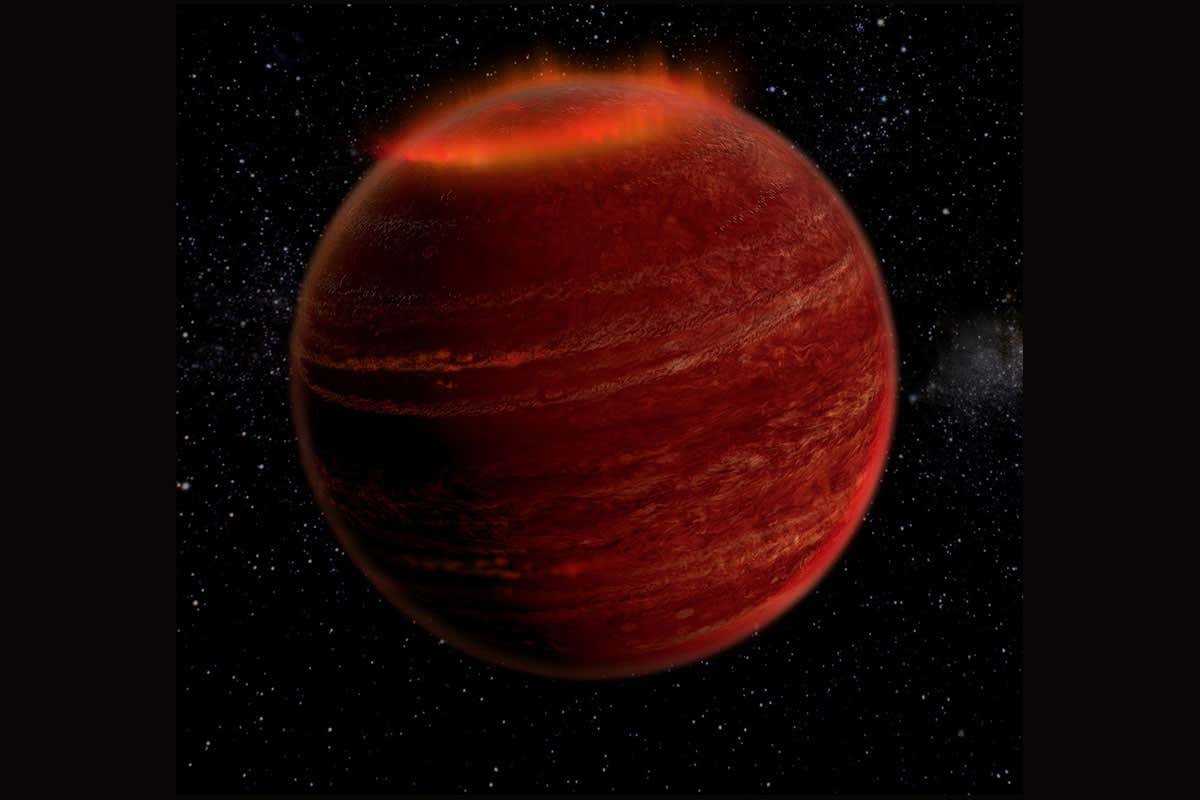
15 September 2017
Failed stars called brown dwarfs straddle the line between big planets and small stars. An observation of a magnetic field puts another tick in the star column
4 September 2017
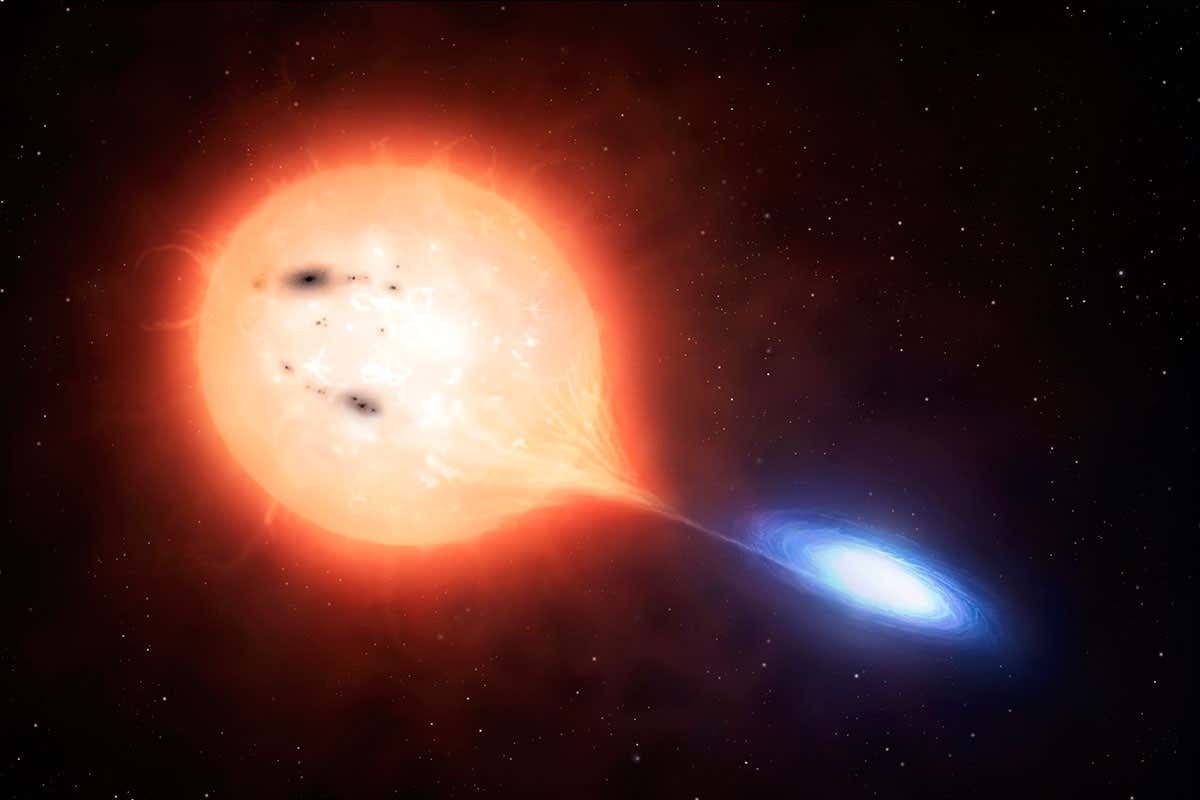
Stellar explosions often shine brighter than is theoretically possible without blowing up entirely. Debris cloud smash-ups could be amplifying the light
24 August 2017
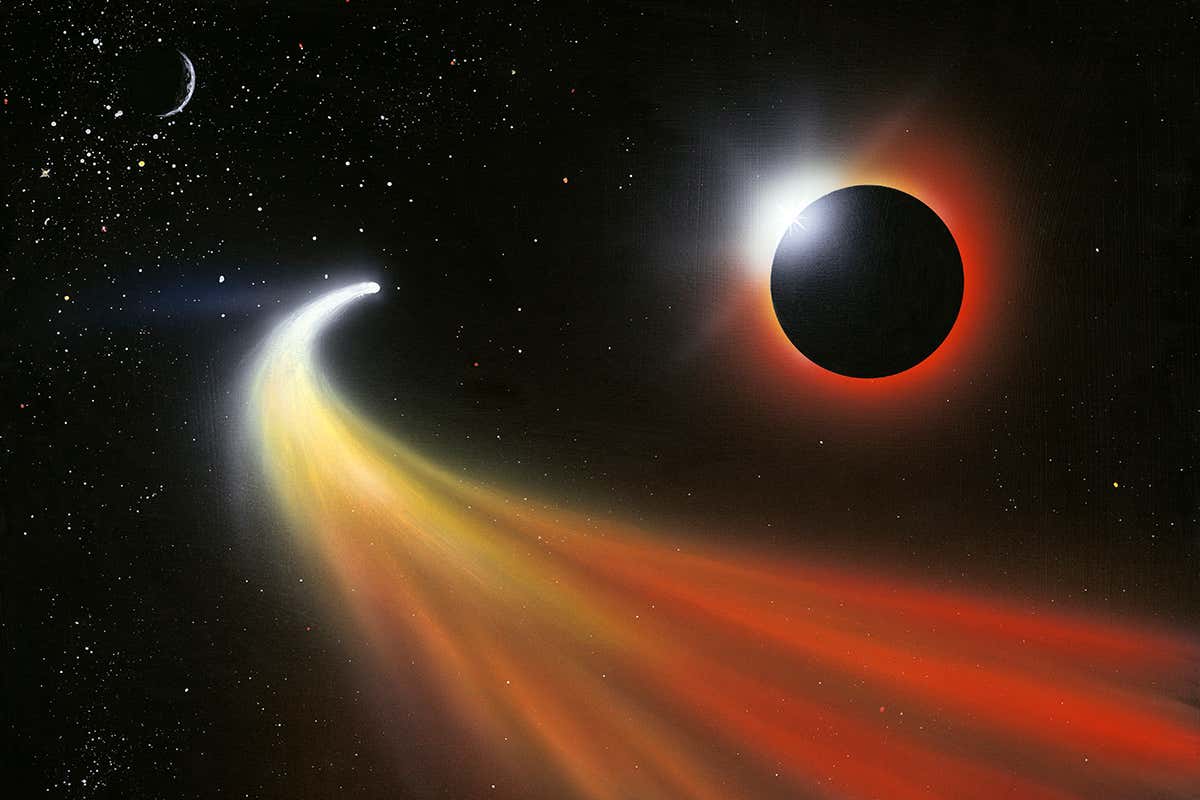
Astronomers looking at two stars 800 light years away say they may have found the first comets beyond our solar system
23 August 2017
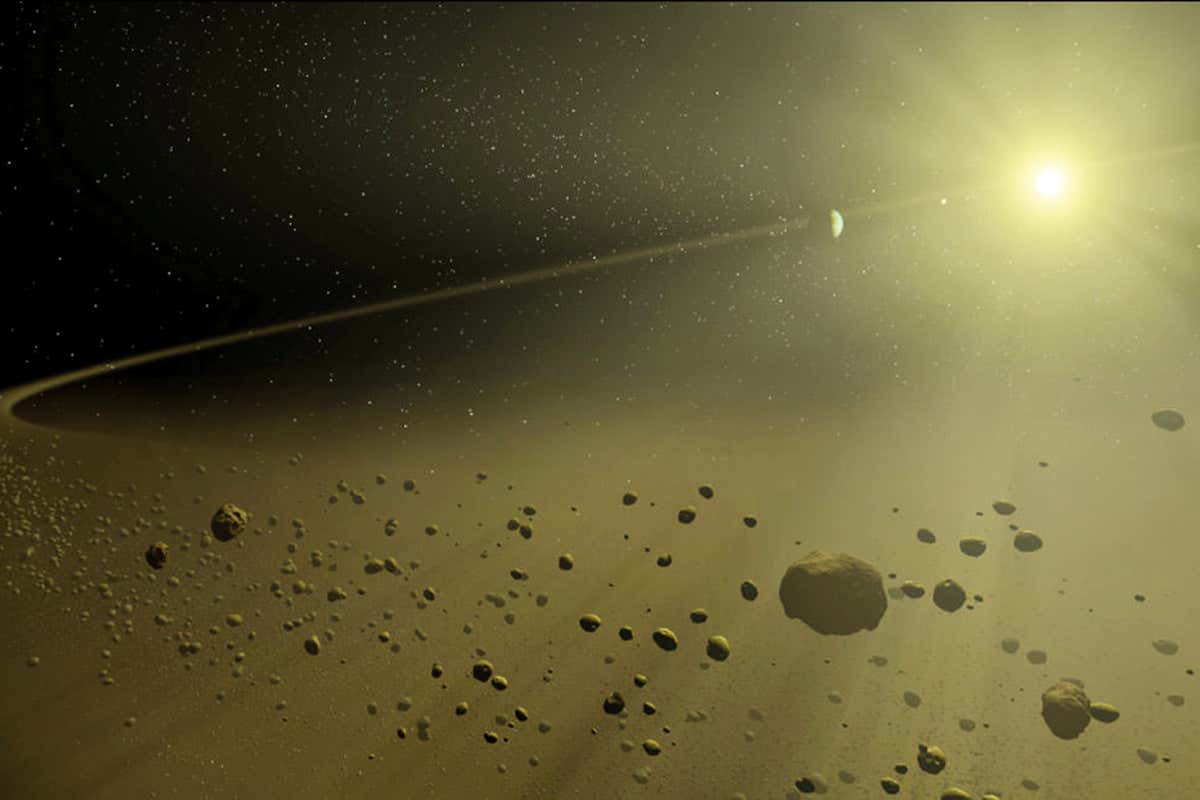
Rather than being caused by extraterrestrial construction, the bizarre dimming of Tabby’s star could instead be due to a closely orbiting, ringed planet
15 August 2017
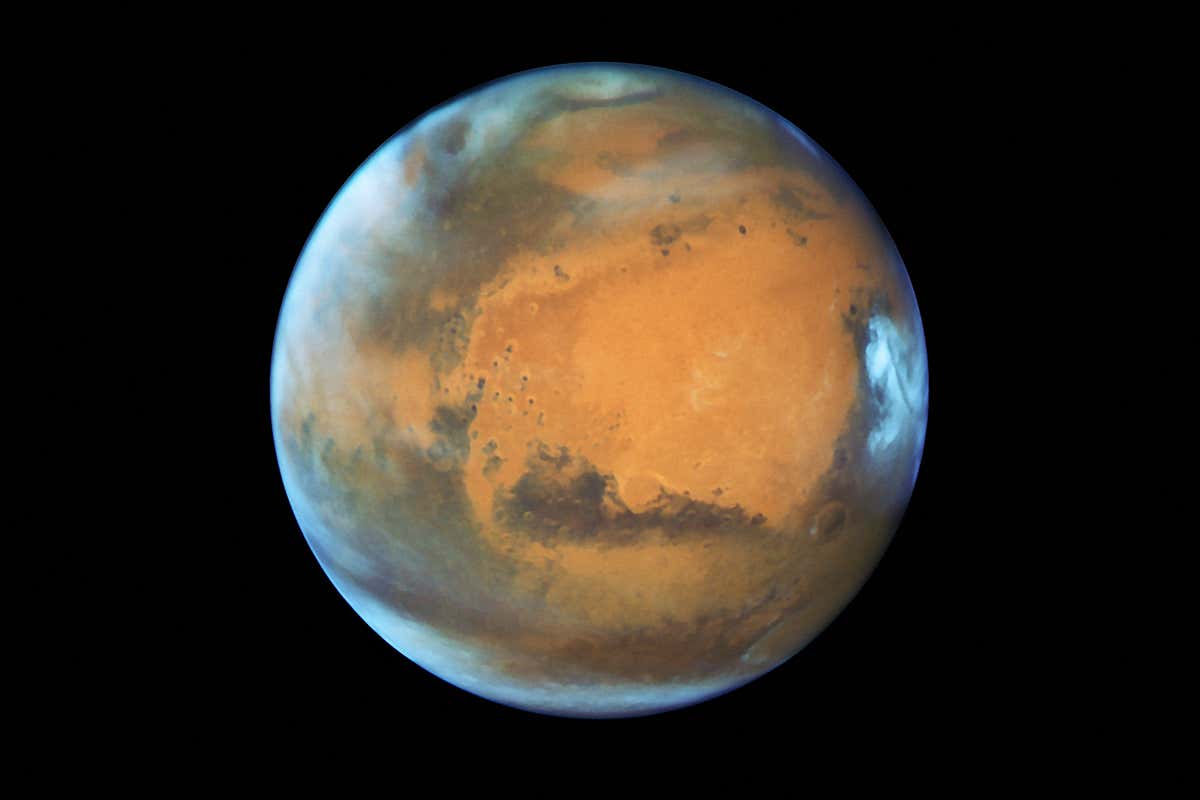
Most of the water on Mars is at its poles, but ice near the equator may mean that the way the red planet is tilted has changed over the last few million years
1 August 2017
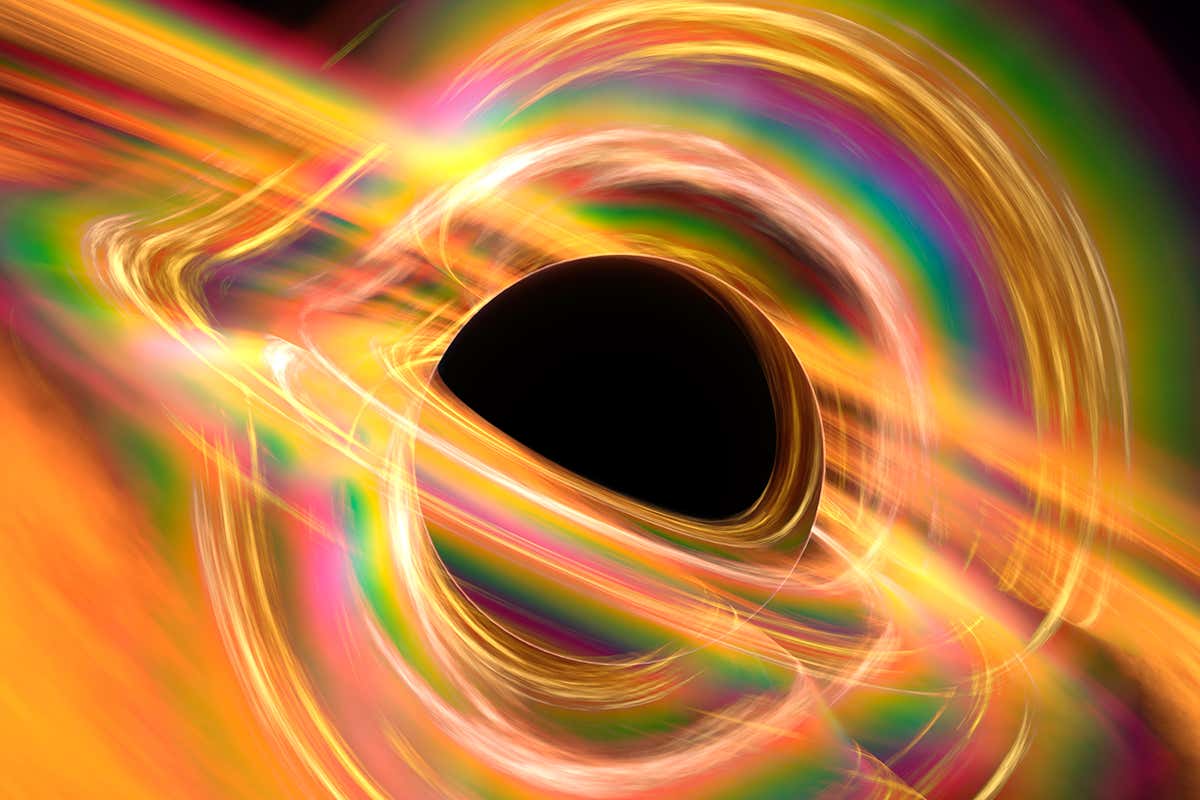
The mysterious FRBs we’ve been tracking for a decade could be created by clumps of dark matter particles dancing along the edges of black holes
30 June 2017
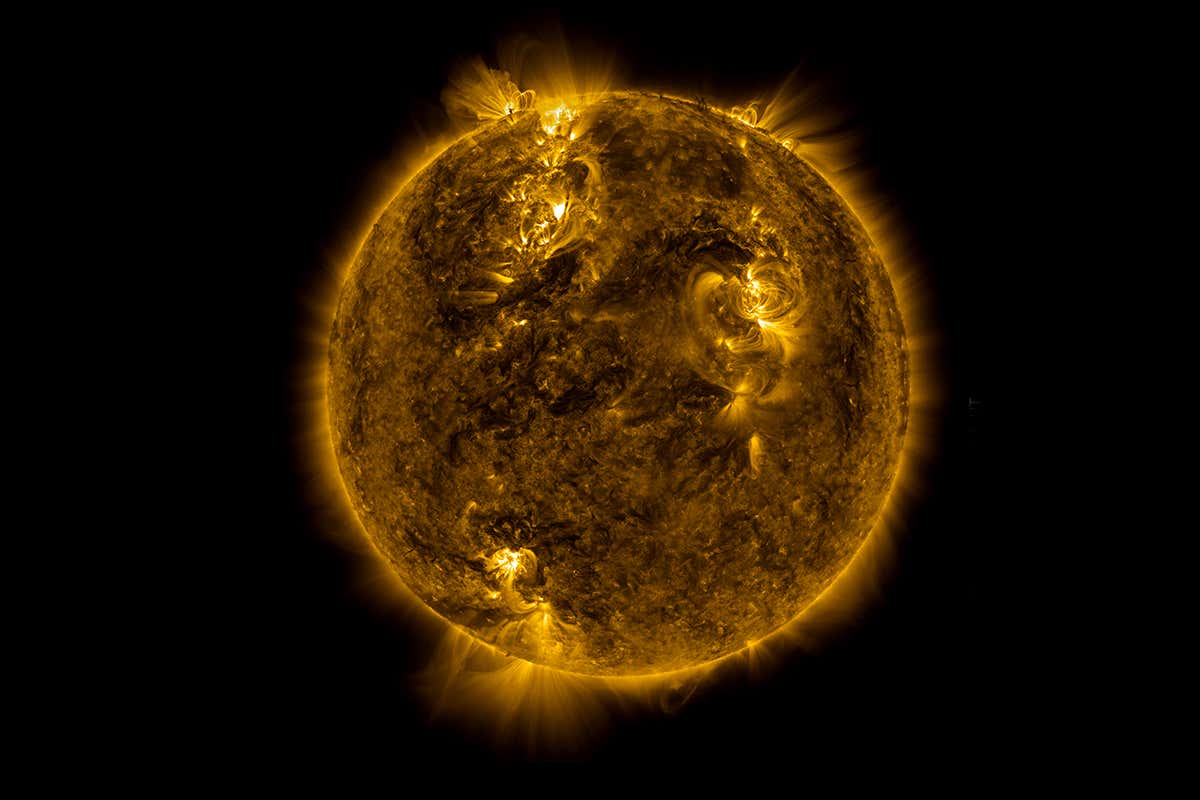
Space transmissions could slingshot around the sun for a signal boost, producing data rates fast enough to stream video from interstellar space
