Subscribe now
Commuters in Hong Kong

First case of coronavirus reinfection leaves big questions unanswered

25 August 2020

A man appears to have caught two lineages of the coronavirus around four and a half months apart, suggesting people can be reinfected with the virus after making a recovery – but there is much we still don't know


23andMe logo

DNA firms are set to profit from your data as testing demand falls

7 February 2020

23andMe and Ancestry are laying off staff as sales slump – but there’s plenty of profit to be made from their huge DNA databases


Inflammatory joint pain

23andMe has sold the rights to develop a drug based on its users’ DNA

10 January 2020

Consumer genomics firm 23andMe has signed its first deal to sell the rights to develop a new drug for inflammatory diseases to a pharmaceutical company


People adapted to the cold and got more migraines as a result

People adapted to the cold and got more migraines as a result

3 May 2018

A gene variant that helps humans cope with colder climates also seems to have put people living in northerly regions at a higher risk of migraine


Primitive human eggs matured in the lab for the first time

Primitive human eggs matured in the lab for the first time

9 February 2018

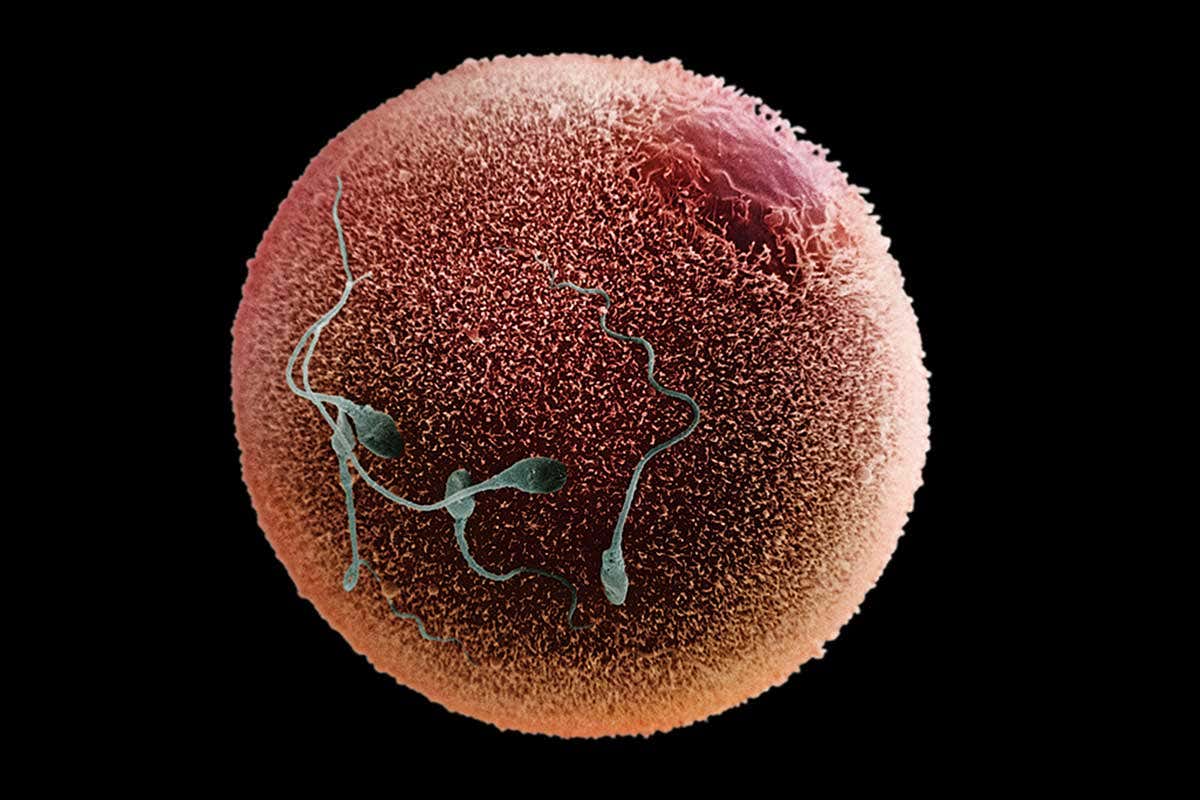
Human eggs have been removed in their most primitive state and brought to maturity in the lab for the first time, potentially boosting fertility treatments.


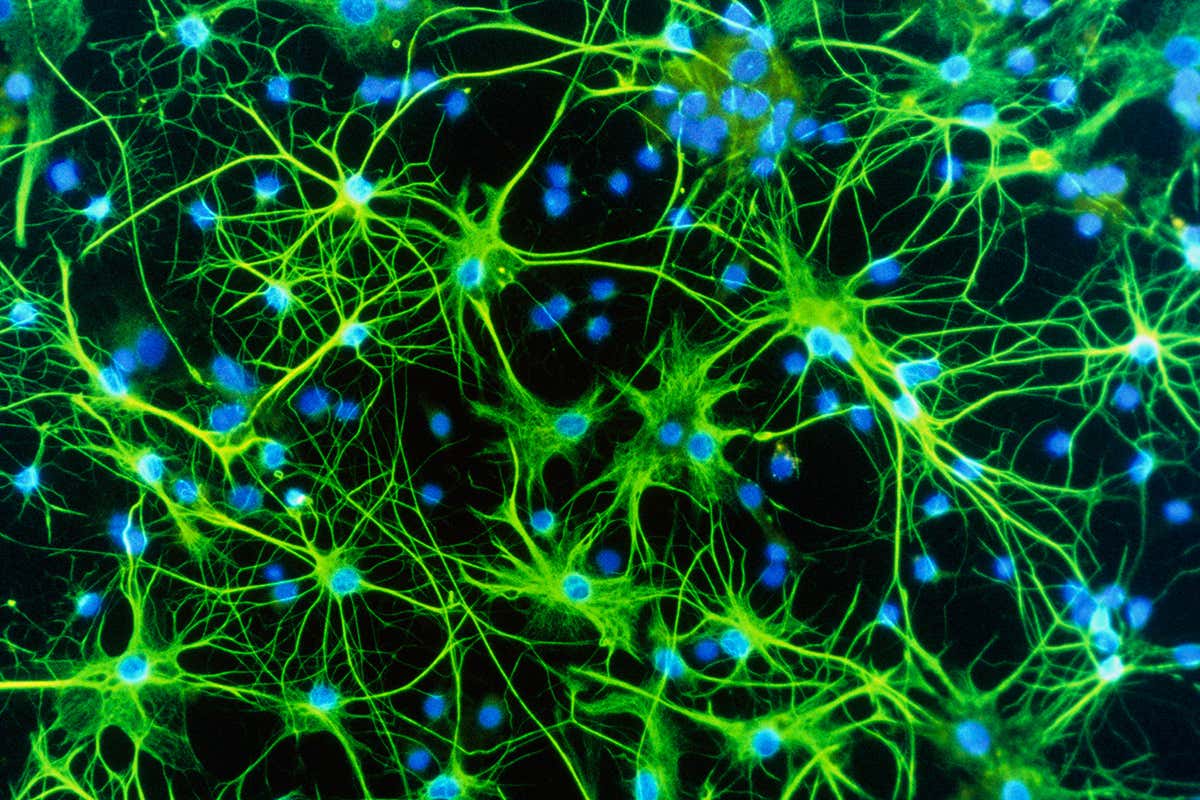
Neurons in the brain

First glimpse of how genes may cause mental health problems

8 February 2018

Geneticists are starting to unpick what causes psychiatric conditions like schizophrenia and bipolar disorder, and even some autism-like developmental conditions


First UK three-parent babies could be born this year

First UK three-parent babies could be born this year

2 February 2018

Two cases have been approved in the UK for using a three-parent baby technique to make healthy babies. The technique has already been used in China and Ukraine


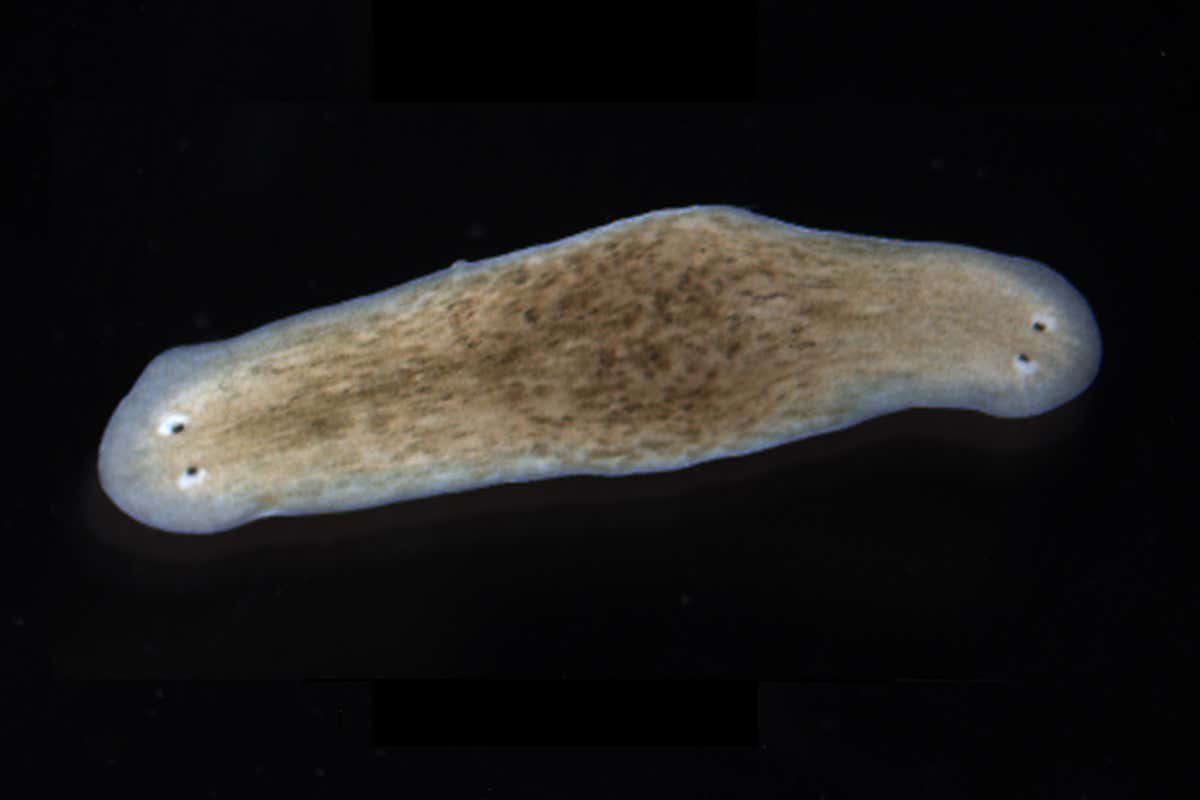
A flatworm with a head at each end of its body

Bioelectric tweak makes flatworms grow a head instead of a tail

23 May 2017

Flatworms regenerate lost body parts, but change the current in their cells and they can regrow the wrong thing, hinting at electricity’s role in body plans


Sign up to our weekly newsletter

Receive a weekly dose of discovery in your inbox. We'll also keep you up to date with New Scientist events and special offers.

Sign up
Piano Exit Overlay Banner Mobile Piano Exit Overlay Banner Desktop