Subscribe now
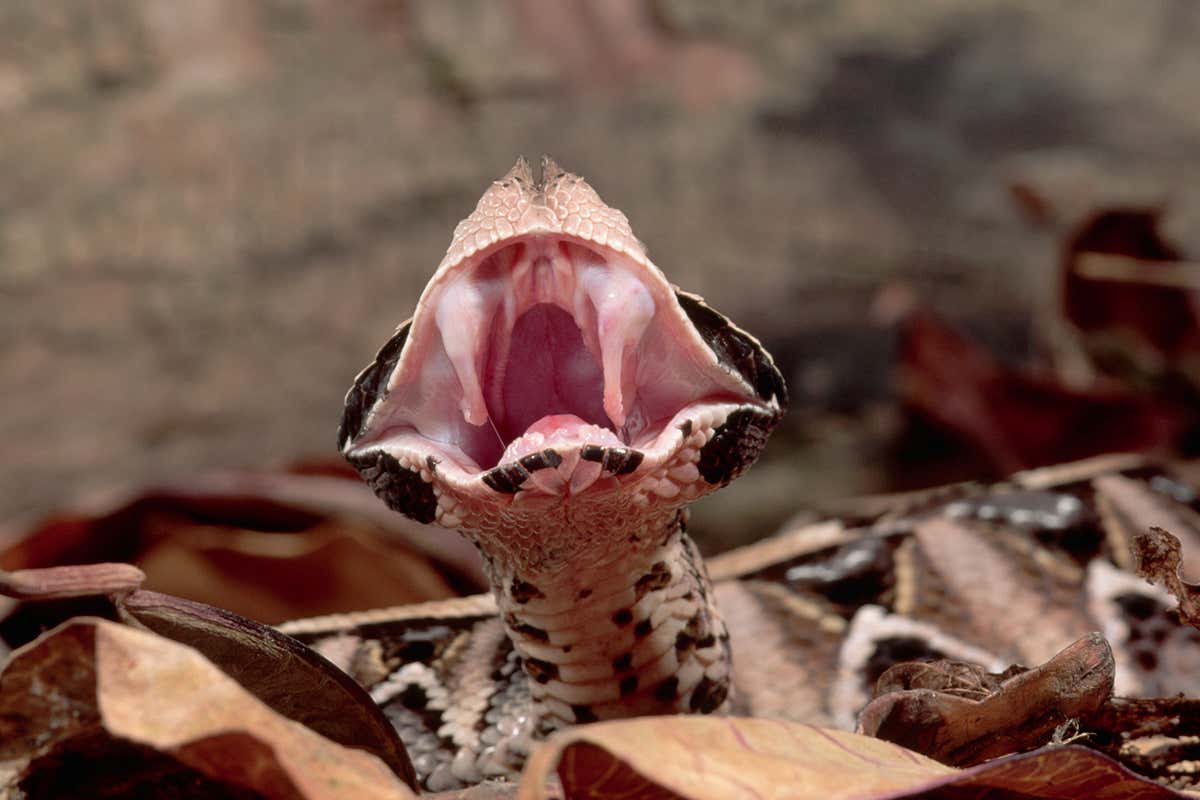
snake with fangs

Snakes evolved venom fangs multiple times from wrinkles in their teeth

10 August 2021

Many snake species have been able to evolve venom fangs, because they all inherited the same wrinkle-like structures inside their teeth that became channels to carry venom towards the tip
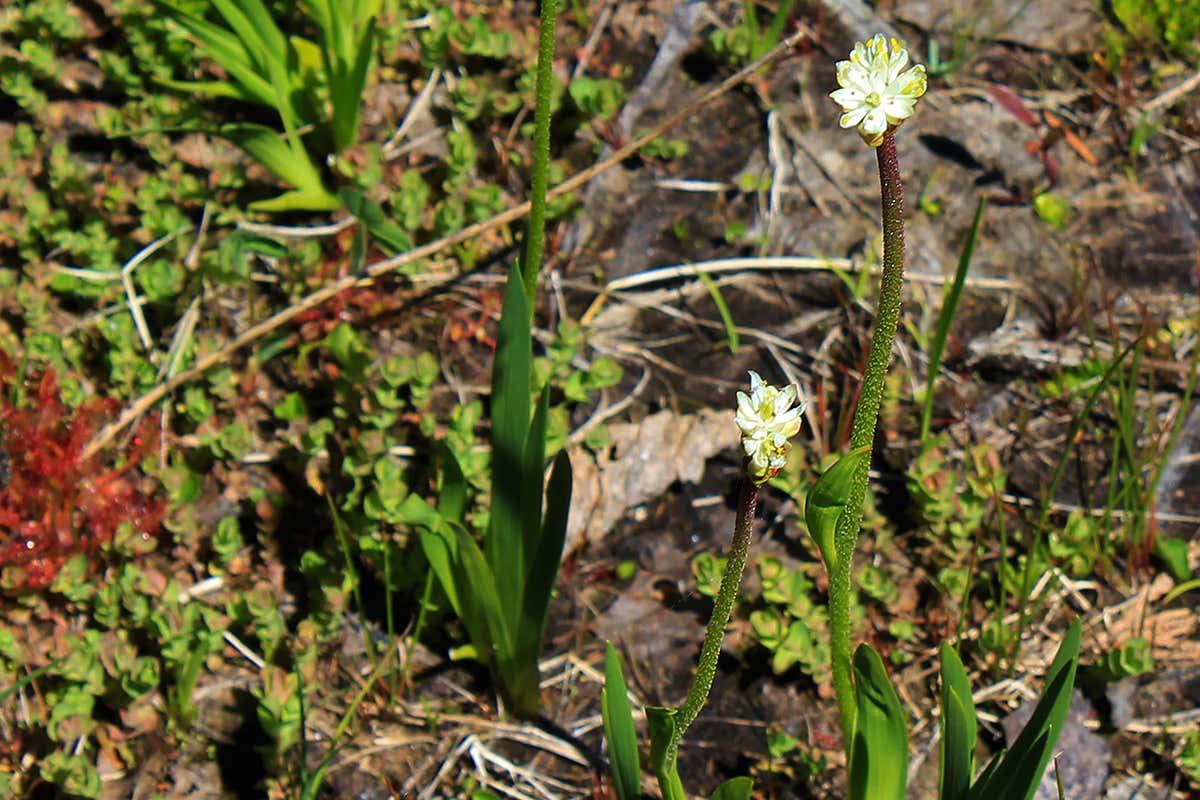
Carnivorous plant

Seemingly harmless plant is a carnivore with flowers that eat insects

9 August 2021

A plant that grows in bogs along the west coast of North America has been spotted using its flowers to eat insects – until now, researchers had no idea it was carnivorous


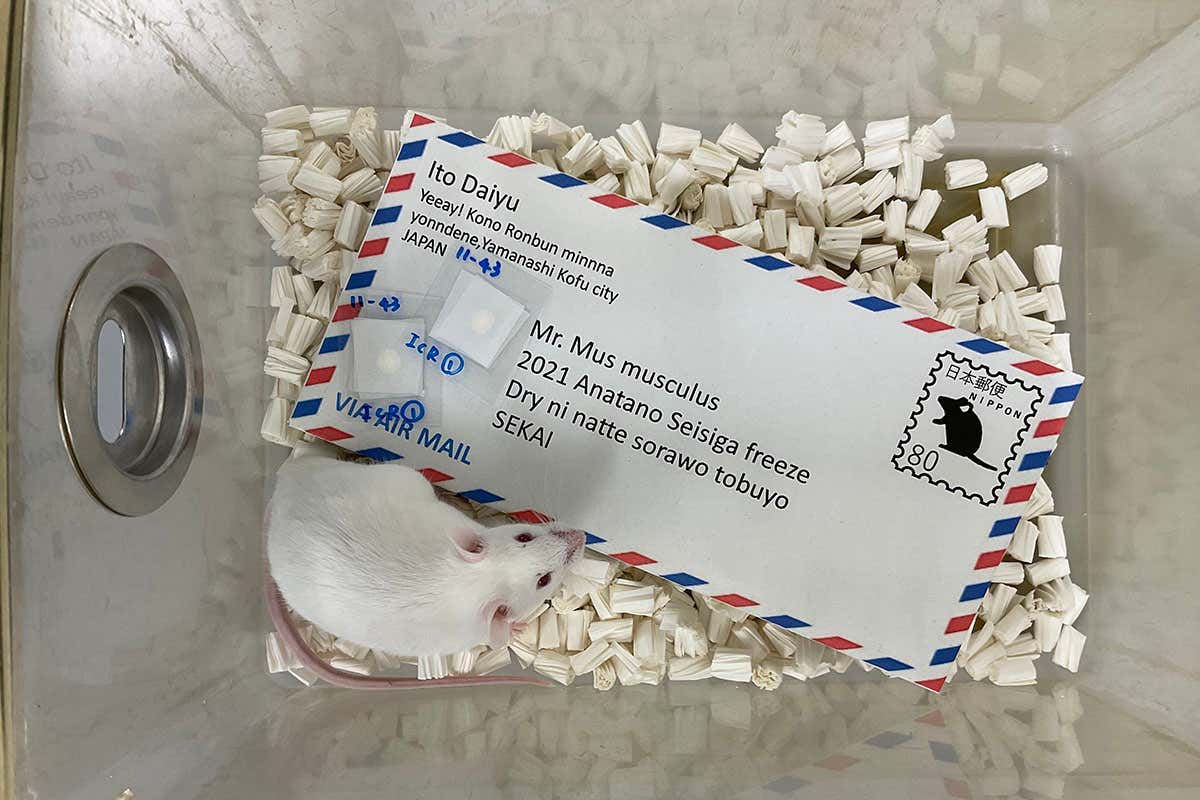
envelope

Scientists have worked out how to send viable mouse sperm on postcards

5 August 2021

A simple way to transfer sperm, freeze-dried on a sheet of paper, could find an application in scientific studies and animal husbandry


food label

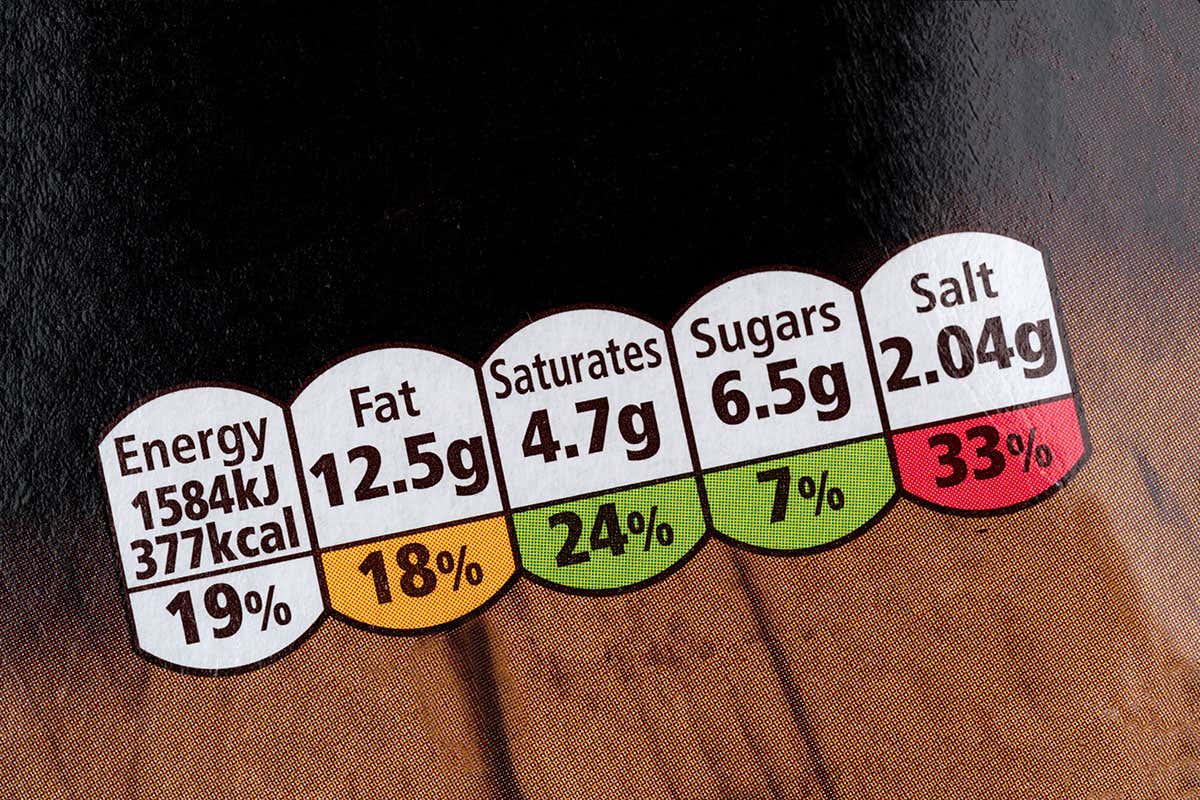
Asking processed food firms to cut calories voluntarily hasn't worked

4 August 2021

Encouraging food manufacturers to voluntarily reduce the calorie content of their food doesn’t work, according to an analysis of data collected in the UK


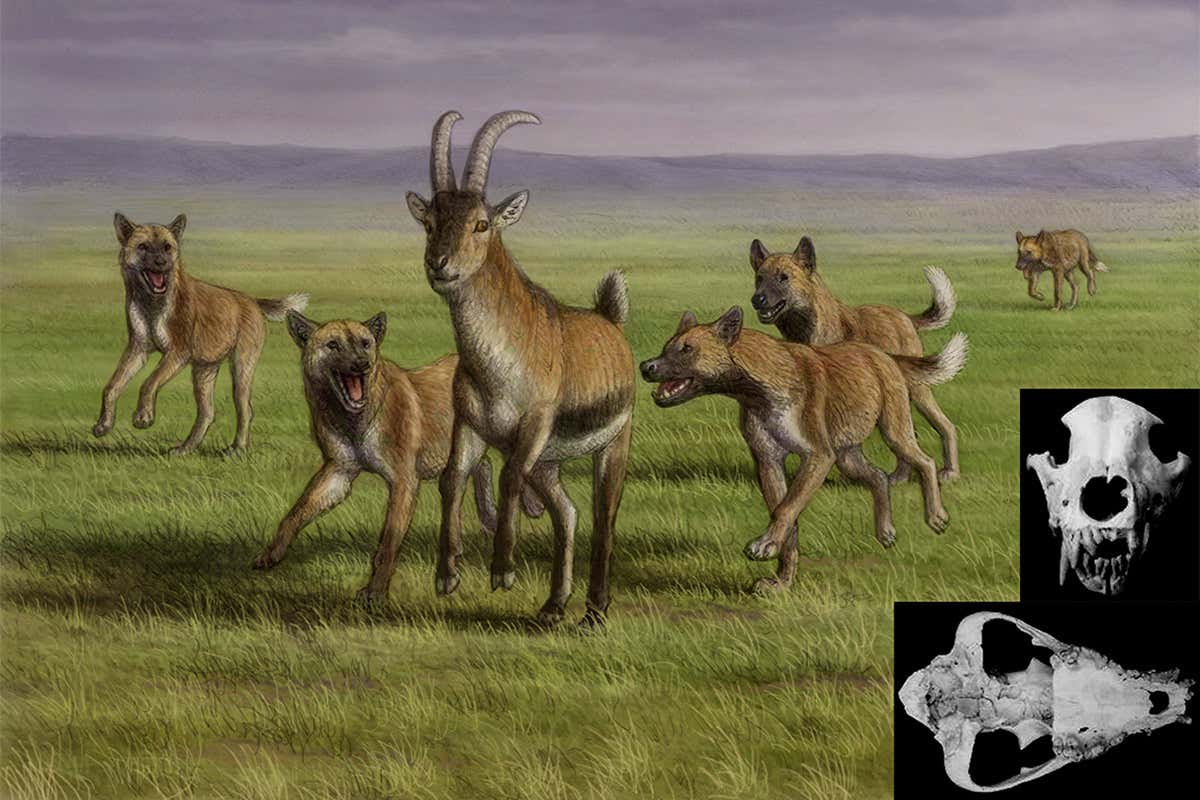
artist's reconstruction of wild dog

Ancient humans in Europe may have stolen food from wild hunting dogs

29 July 2021

The earliest humans known to have lived outside Africa shared their environment with hunting dogs – and may even have stolen food from them


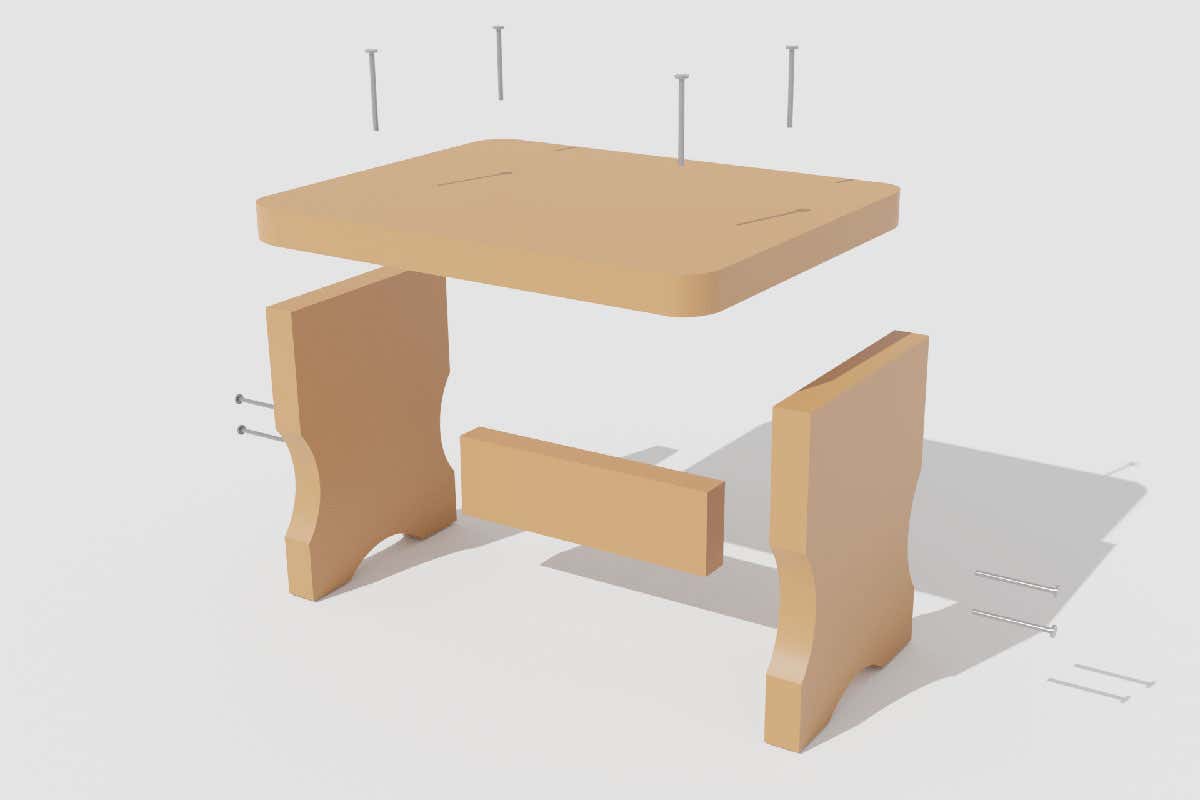
Wooden stool plans

AI carpenter can design recreations of furniture from a few photos

29 July 2021

An algorithm can turn photos of wooden objects into a 3D model that is detailed enough for a skilled carpenter to replicate


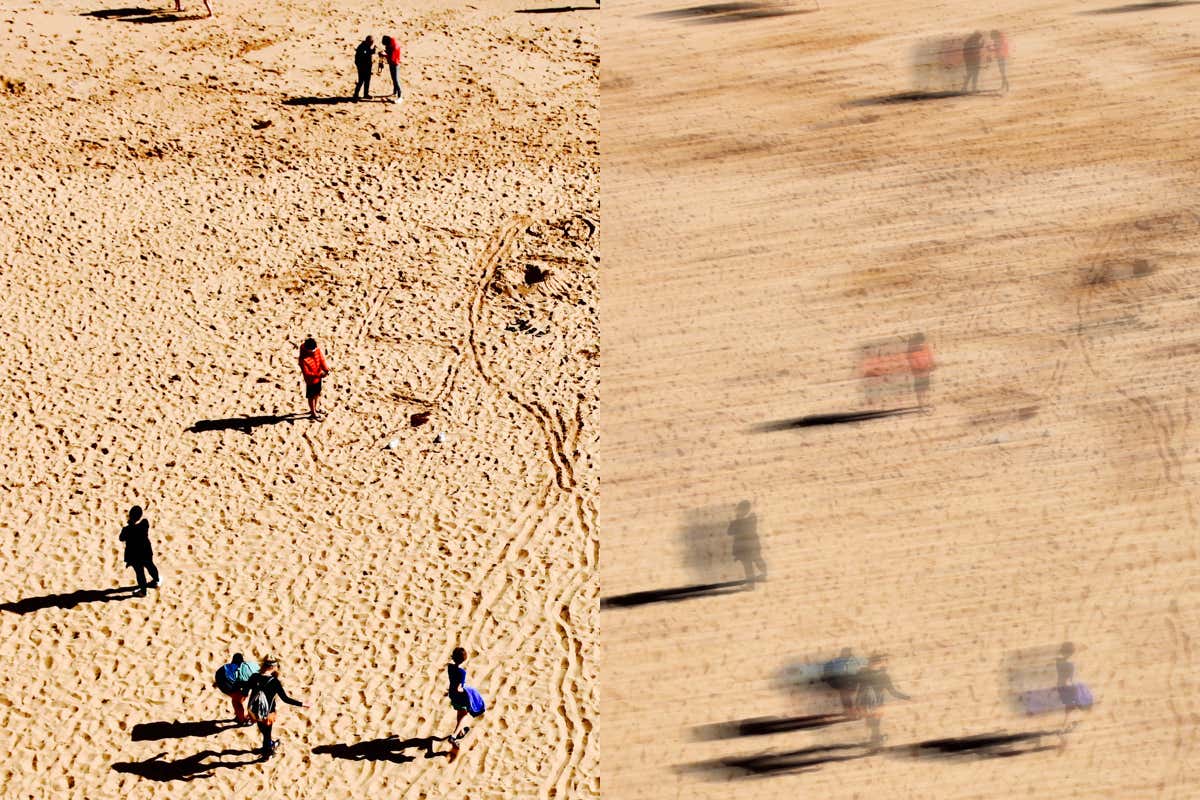
image of people on beach

We thought our eyes turned off when moving quickly, but that's wrong

23 July 2021

It’s sometimes been assumed that we experience brief periods without vision every time we shift our focus from one point to another – but now it turns out the assumption is wrong


reconstruction of Roman road

Ancient Roman road discovered at the bottom of the Venice lagoon

22 July 2021

An ancient and now submerged road has been discovered in the Venice lagoon in an area that would have been accessible by land during the Roman era, about 2000 years ago


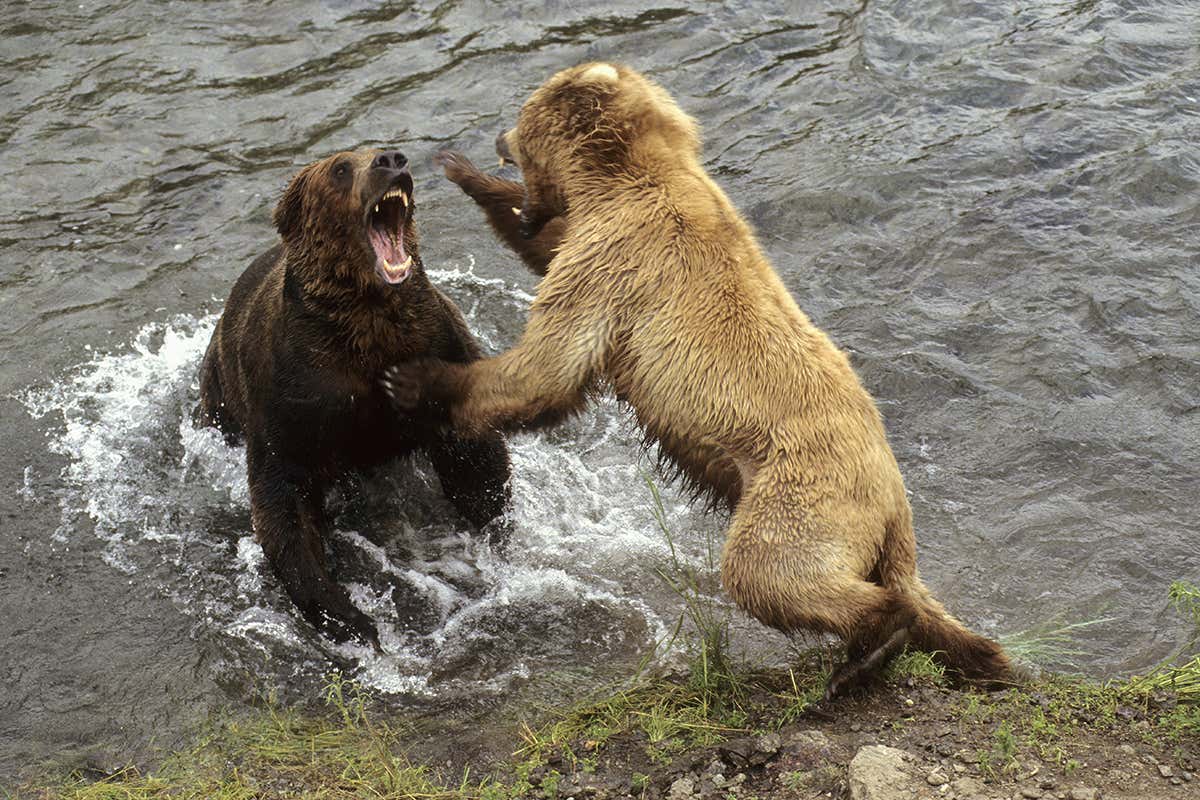
grizzly bears

Male and female mammals kill their own species for different reasons

20 July 2021

Adult mammals have the capacity to kill other members of their own species, but males generally seem to kill to reduce competition while females kill to protect their young


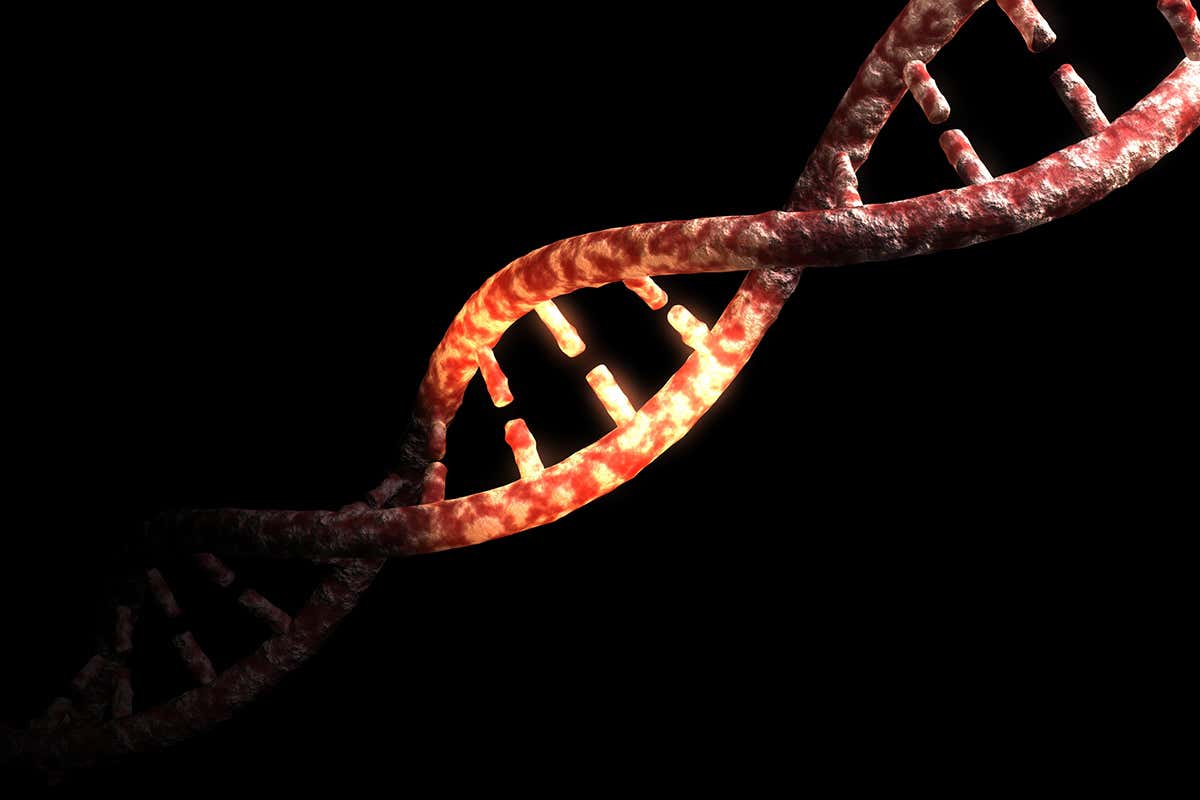
DNA

Just 1.5 to 7 per cent of the modern human genome is uniquely ours

16 July 2021

Just 1.5 to 7 per cent of the modern human genome is uniquely ours – meaning it emerged after we split from other ancient human groups including the Neanderthals and Denisovans


Sign up to our weekly newsletter

Receive a weekly dose of discovery in your inbox. We'll also keep you up to date with New Scientist events and special offers.

Sign up
Piano Exit Overlay Banner Mobile Piano Exit Overlay Banner Desktop