Subscribe now
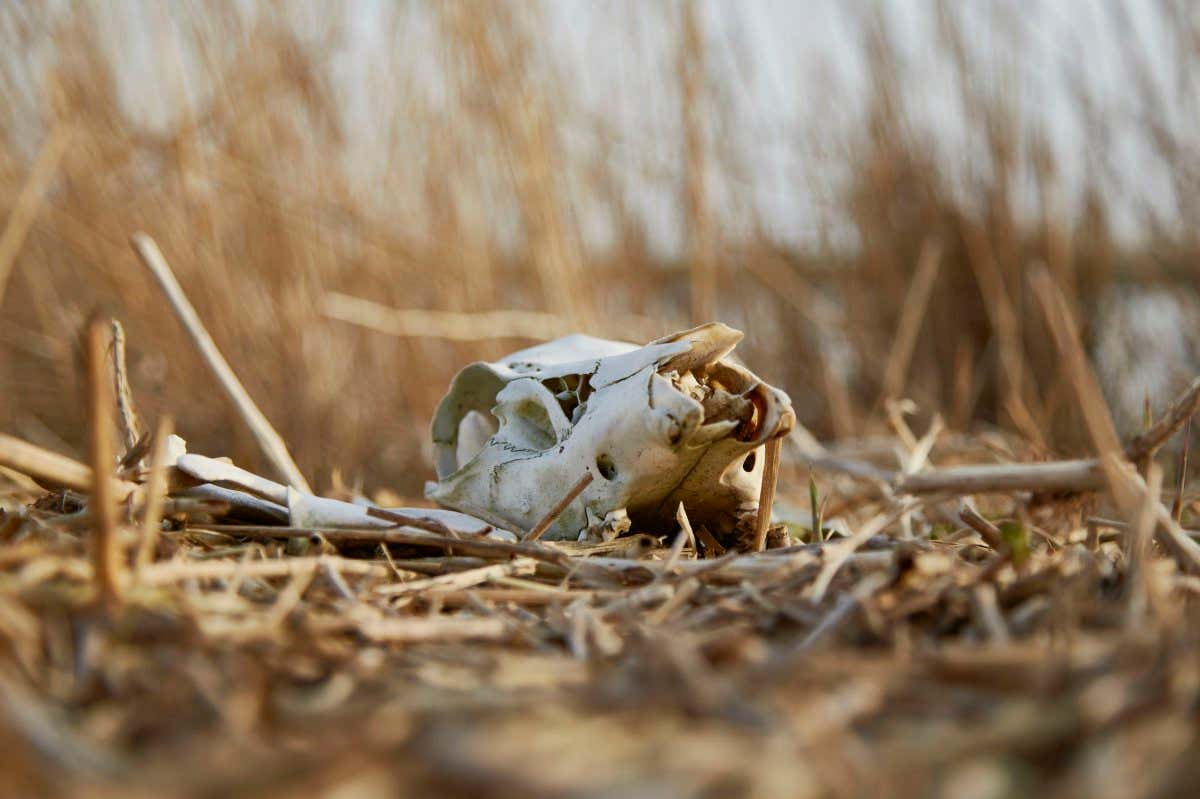
LELYSTAD, NETHERLANDS - APRIL 08: The remains of a deer are seen in the Oostvaardersplassen nature reserve on April 08, 2018 in Lelystad, Netherlands. Thousands of animals died during this winter due to overpopulation and a shortage of food. Animal activists feed the horses, deer and cattle by throwing hay over the fences despite a ban by the local authorities. Emotions are running high as many of the animals face starvation with Oostvaardersplassen's feeding policy for large grazers being heavily criticised. (Photo by Pierre Crom/Getty Images)

The surprising role death plays in the stability of ecosystems

18 October 2022

Ecologists have started to recognise the competition between younger and older generations within the same species, with some startling conclusions about nature’s requirement for mortality
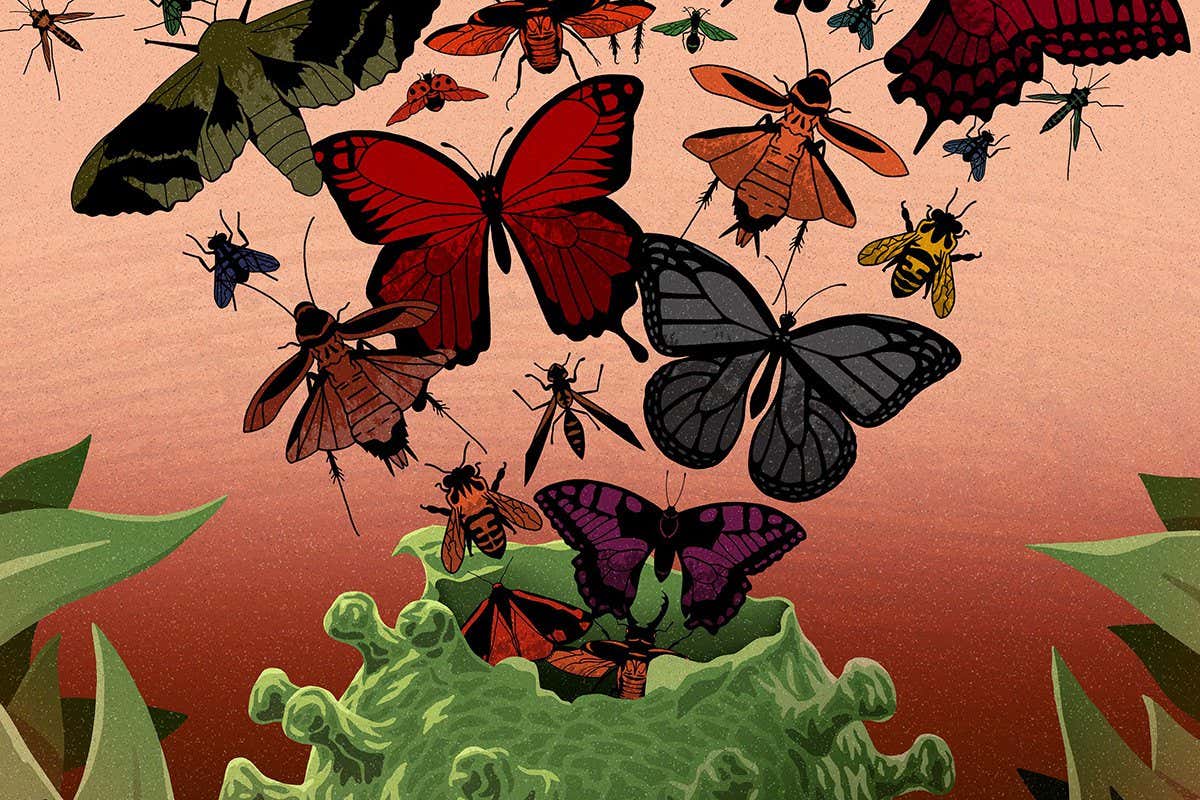

Historical plagues led to revolutions - could coronavirus do the same?

Historical plagues led to revolutions - could coronavirus do the same?

18 July 2022

From an Ancient Egyptian plague to the Black Death and Spanish flu, epidemics have often spurred societal transformations. Understanding why can help us create a better world after covid-19


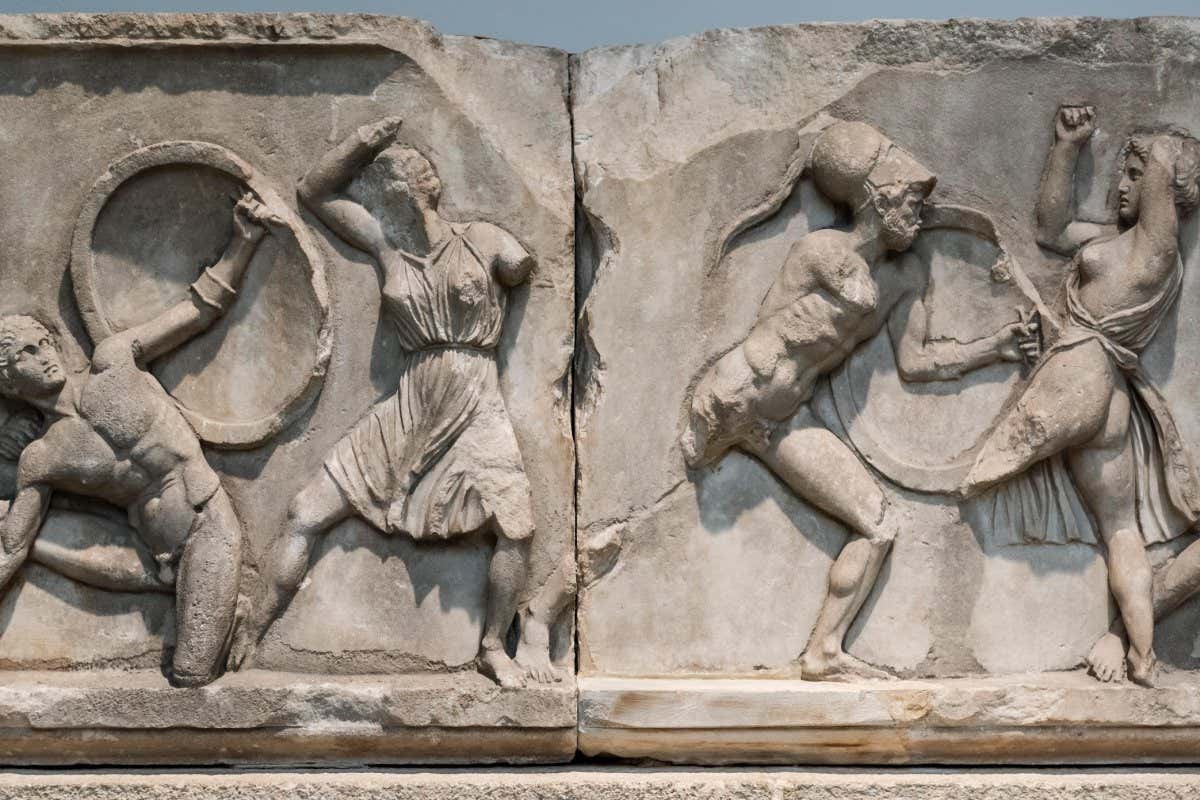
MF9C84 London. England. British Museum, Relief from the Mausoleum at Halikarnassos (Halicarnassus or Tomb of Mausolus), Section from the Amazon Frieze, detai

What myths of warrior women tell us about identity and gender politics

9 February 2022

From Amazon warriors to pugilistic matriarchs, stories of female fighters abound. Where do they come from and what can they tell us about gender equality, past, present and future, asks Laura Spinney


Do you speak elephant? With this new dictionary you will

Do you speak elephant? With this new dictionary you will

3 November 2021

An ambitious directory of elephant behaviours and vocalisations offers amazing insights into their minds and culture – and could help save these magnificent beasts from extinction


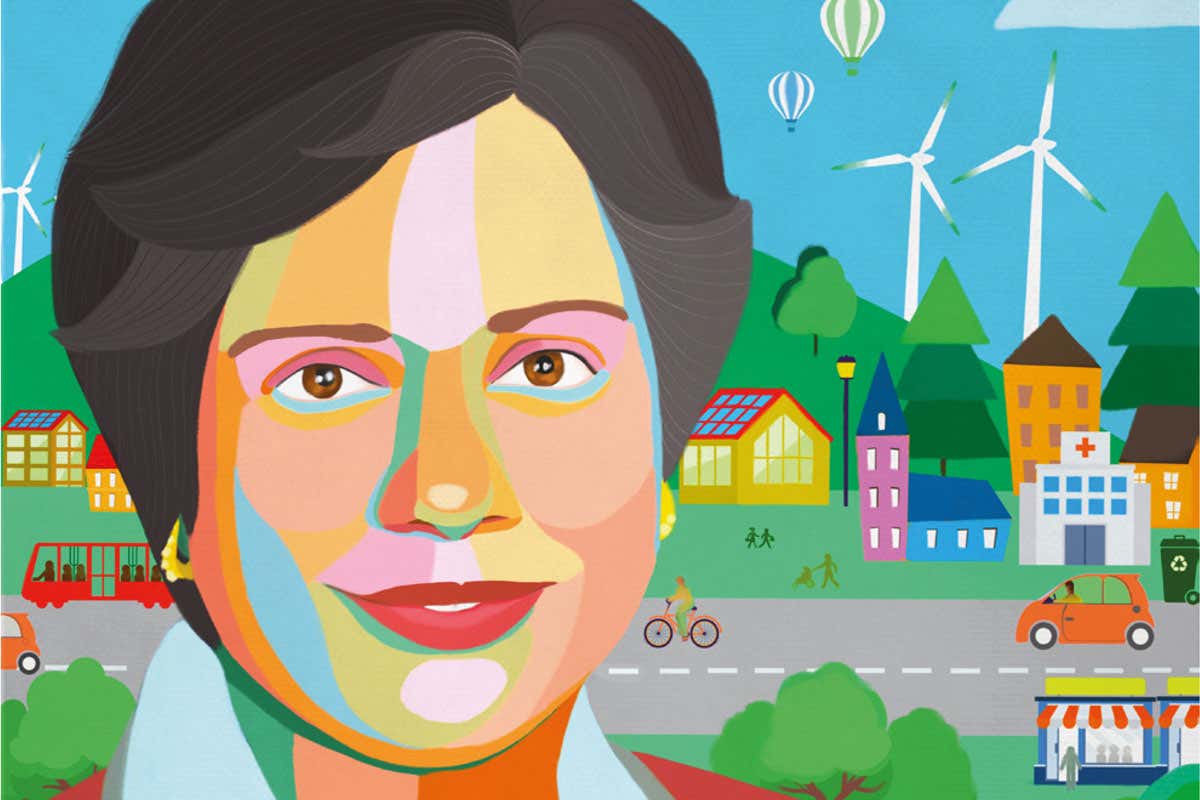
Anu Ramaswami interview: How to shape the cities of the future

Anu Ramaswami interview: How to shape the cities of the future

9 June 2021

Urban populations are exploding. If we want future cities to be more sustainable, we need to think of them as complex, dynamic systems with their own metabolism, says Anu Ramaswami


The rise and fall of the mysterious culture that invented civilisation

The rise and fall of the mysterious culture that invented civilisation

24 February 2021

Proto-cities built from 6200 years ago in eastern Europe upend our ideas about when civilisation began and why people made the move from rural to urban living


Consciousness isn't just the brain: The body shapes your sense of self

Consciousness isn't just the brain: The body shapes your sense of self

24 June 2020

Electrical signals coming from your heart and other organs influence how you perceive the world, the decisions you take, your sense of who you are and consciousness itself.


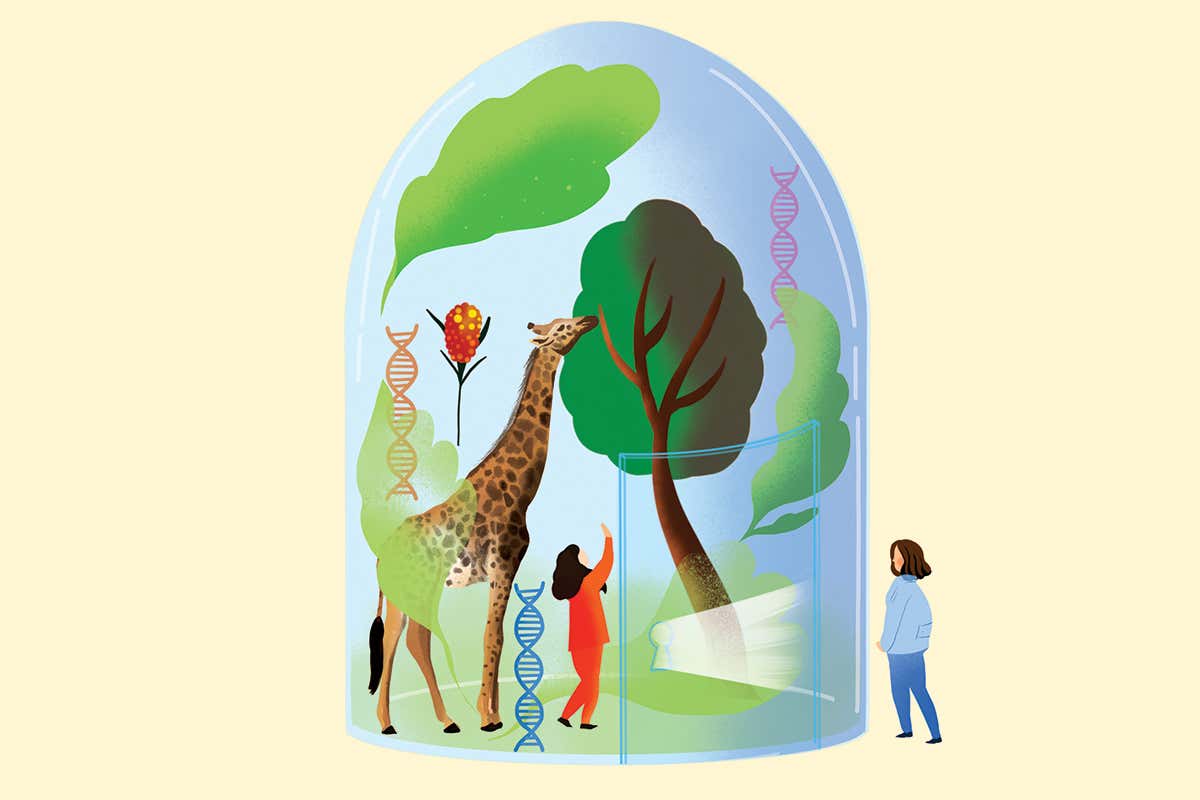
animals and plant life cartoon

Who owns life? The world is about to decide, with huge ramifications

6 November 2019

A debate between countries over who can access and exploit the planet’s genetic resources will have ramifications for all of us, says Laura Spinney


Should people with mental health conditions be drugged to stand trial?

Should people with mental health conditions be drugged to stand trial?

25 September 2019

A US trial is bringing the questionable practice of forced medication into the spotlight – but in the UK and elsewhere voices are growing for its use, says Laura Spinney


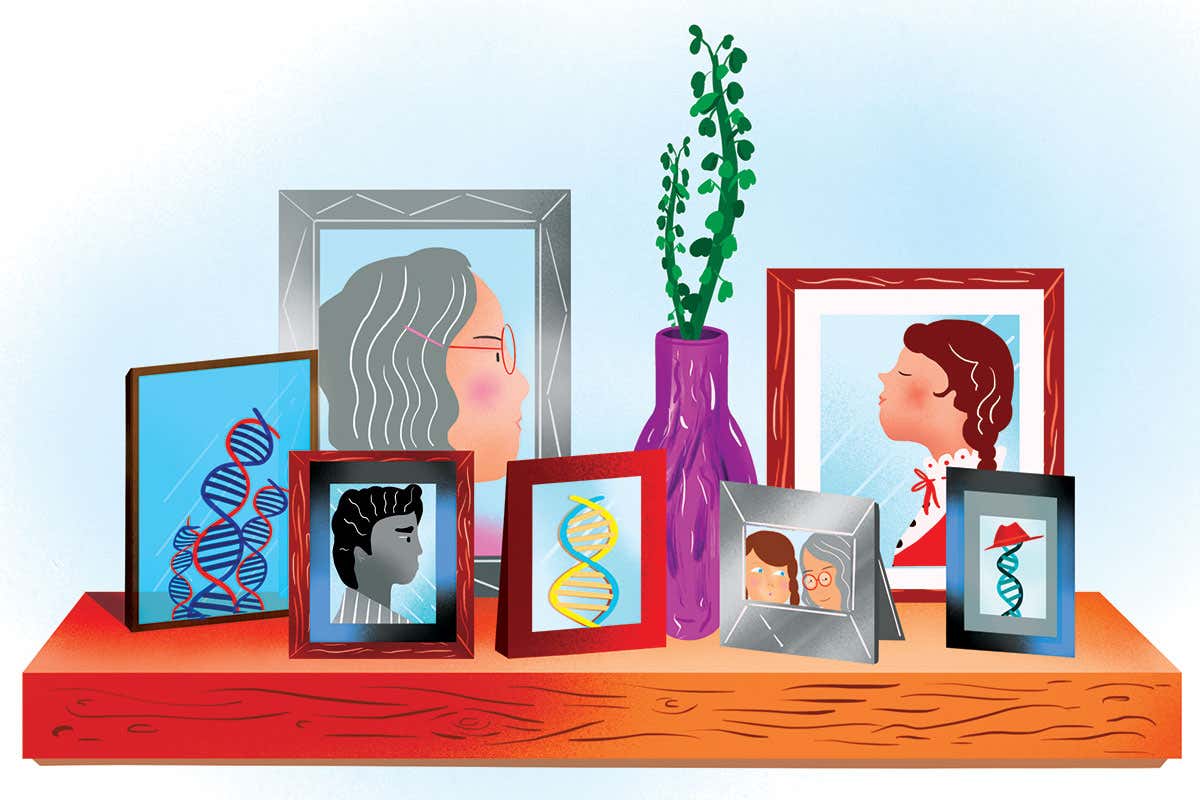
If I have a disease-causing gene, should my doctor tell my family?

If I have a disease-causing gene, should my doctor tell my family?

28 August 2019

Genetic testing is undermining medical norms as people sue their doctors for either telling them or not telling them a relative’s diagnosis, says Laura Spinney


Sign up to our weekly newsletter

Receive a weekly dose of discovery in your inbox. We'll also keep you up to date with New Scientist events and special offers.

Sign up
Piano Exit Overlay Banner Mobile Piano Exit Overlay Banner Desktop