Subscribe now
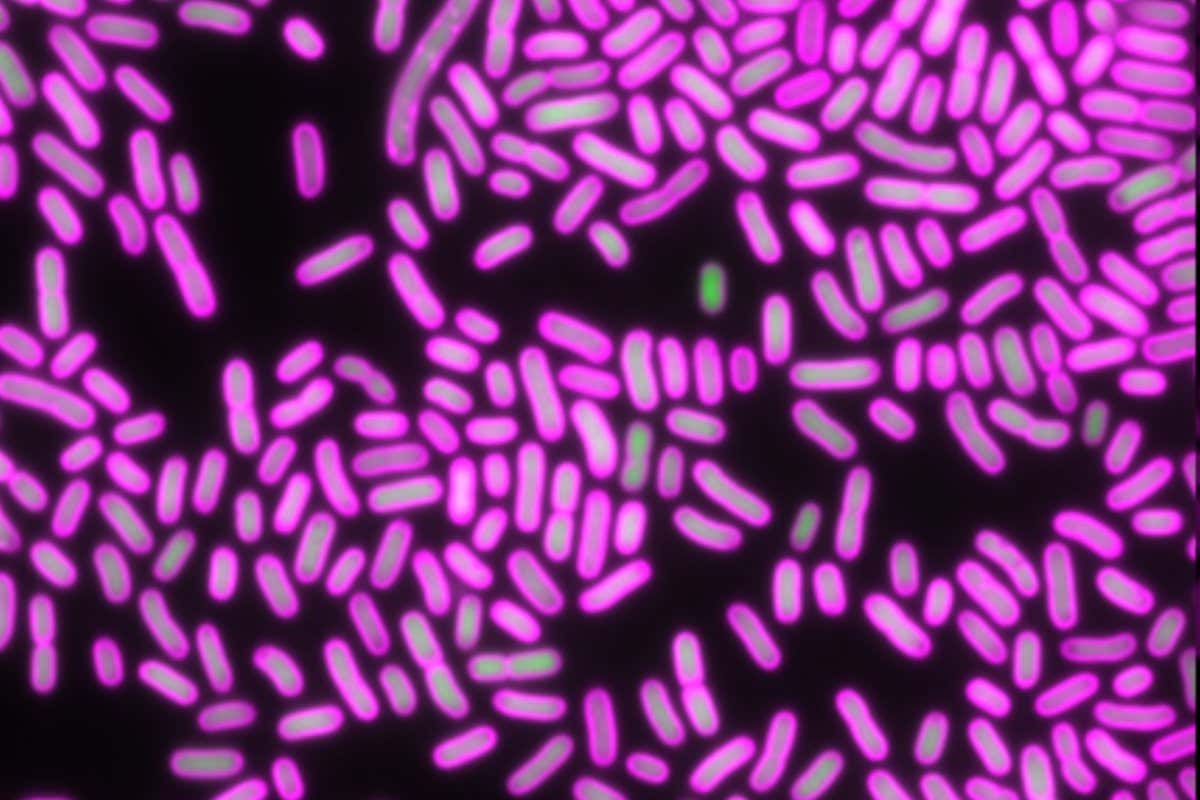
microscope images showing ciprofloxacin-resistant E. coli (credit: University of Oxford)

Become a citizen scientist in the fight against antibiotic resistance

15 March 2023

Sign up to a project called Infection Inspection and help researchers confront the rogue microbes that threaten to unleash an apocalypse of untreatable disease
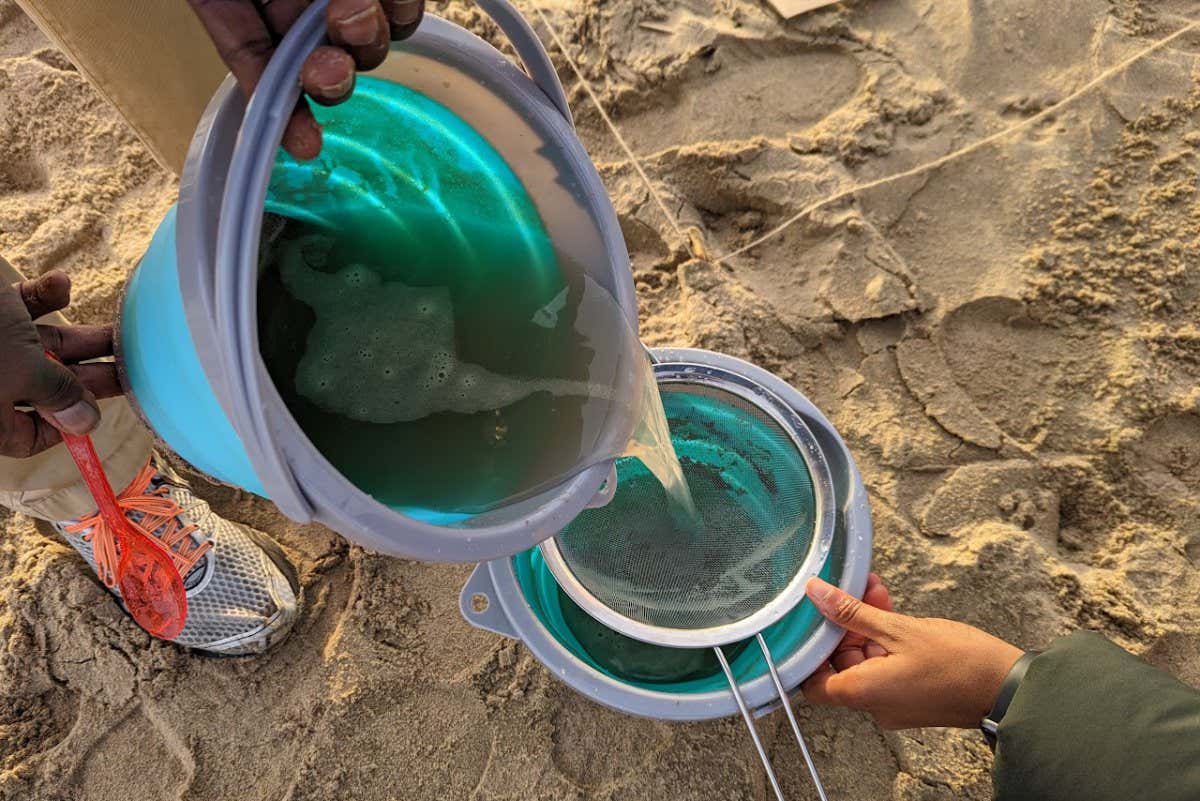

Big Microplastic Survey. Layal?s Citizen Science Maker for 18th Feb. Photos from Layla's survey.

Help to create a global map of ocean microplastic pollution

15 February 2023

You can contribute to a worldwide map of ocean microplastic pollution by conducting a scientific survey on your local beach, says Layal Liverpool
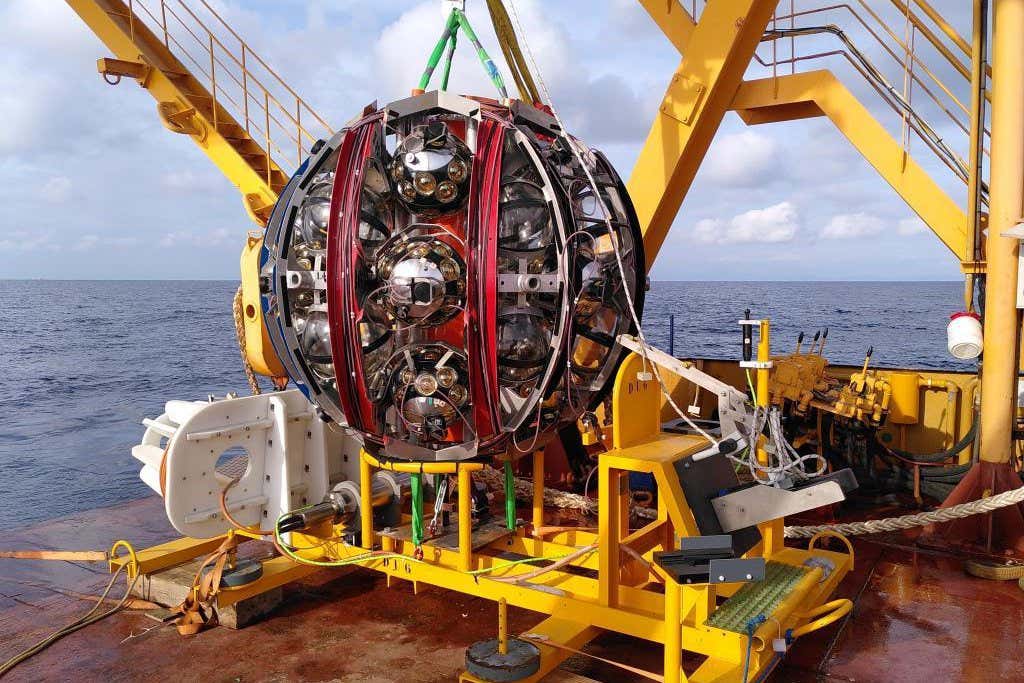

Launching vehicle loaded with an ORCA type detection unit KM3NeT - LOM-on-anchor.jpg KM3NeT the next generation neutrino telescopes KM3NeT is a research infrastructure housing the next generation neutrino telescopes. Once completed, the telescopes will have detector volumes between megaton and several cubic kilometres of clear sea water. Located in the deepest seas of the Mediterranean, KM3NeT will open a new window on our Universe, but also contribute to the research of the properties of the elusive neutrino particles. With the ARCA telescope, KM3NeT scientists will search for neutrinos from distant astrophysical sources such as supernovae, gamma ray bursters or colliding stars. The ORCA telescope is the instrument for KM3NeT scientists studying neutrino properties exploiting neutrinos generated in the Earth's atmosphere. Arrays of thousands of optical sensors will detect the faint light in the deep sea from charged particles originating from collisions of the neutrinos and the Earth. The facility will also house instrumentation for Earth and Sea sciences for long-term and on-line monitoring of the deep sea environment and the sea bottom at depth of several kilometers.

Help in the hunt for neutrinos while exploring deep-sea ecosystems

18 January 2023

The Deep Sea Explorers project is calling for volunteers to help remove noise from data collected by a neutrino telescope at the bottom of the sea, finds Layal Liverpool
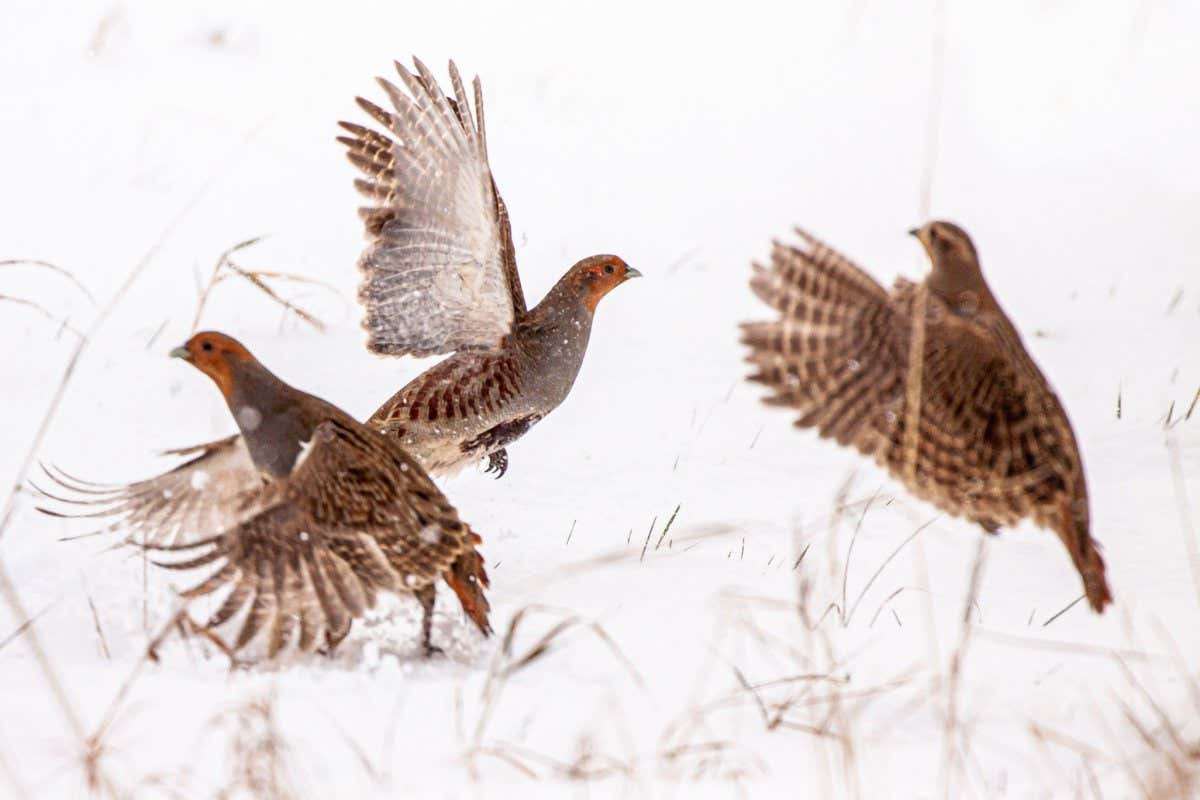

2F26A1N Three partridges flapping wings in the snow

Join the Christmas Bird Count and contribute to conservation research

14 December 2022

There are plenty of opportunities for birdwatchers to contribute to conservation science this December and January, says Layal Liverpool


Example of a graph with an arch-shaped peak

Join the hunt for clouds high up in the Martian atmosphere

16 November 2022

Cloud gazing isn’t only an Earthly pastime. You can help planetary scientists by cloud spotting on Mars, finds Layal Liverpool
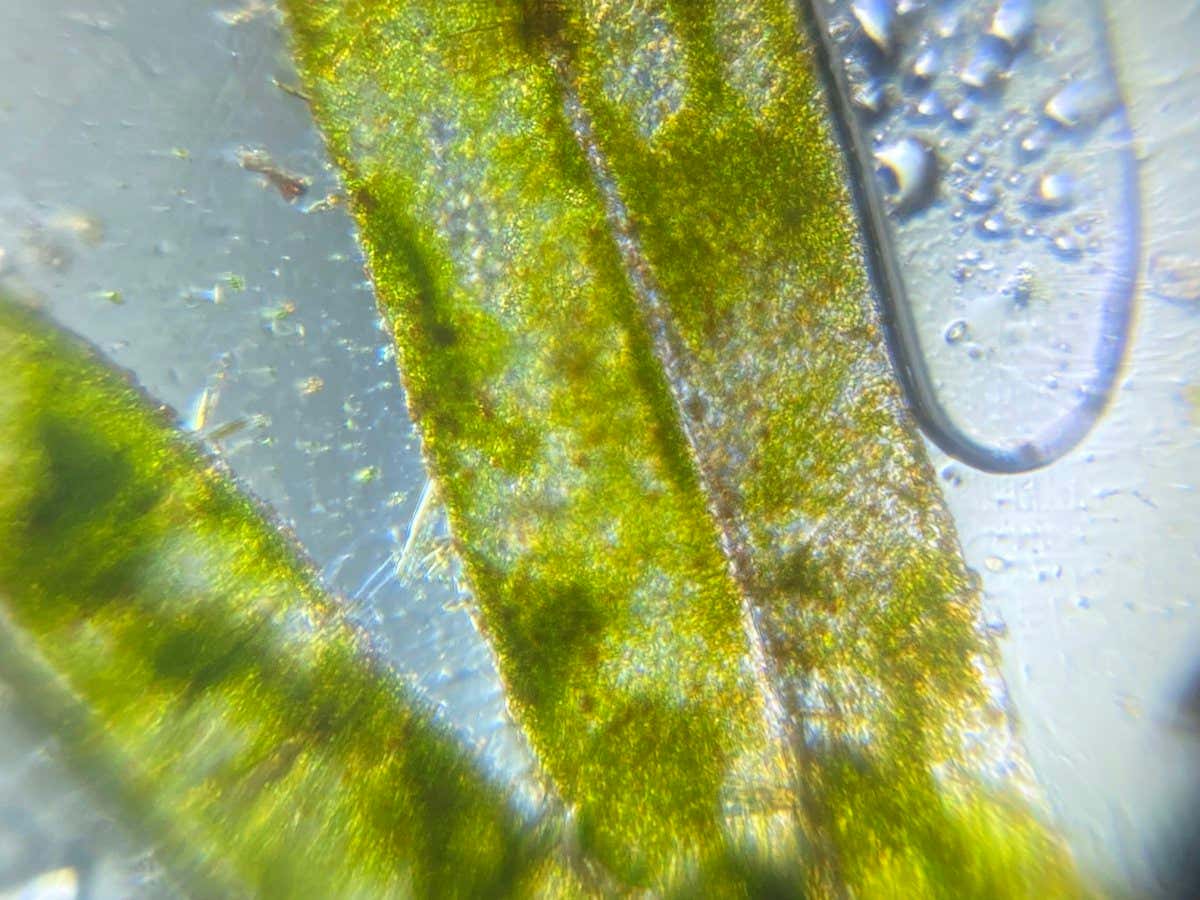

Study your local pond to help track algal growth around the world

Study your local pond to help track algal growth around the world

19 October 2022

Join a growing number of volunteers who are helping to monitor the health of the environment by sampling diverse aquatic ecosystems through the Algal Bloom Monitoring project, says Layal Liverpool
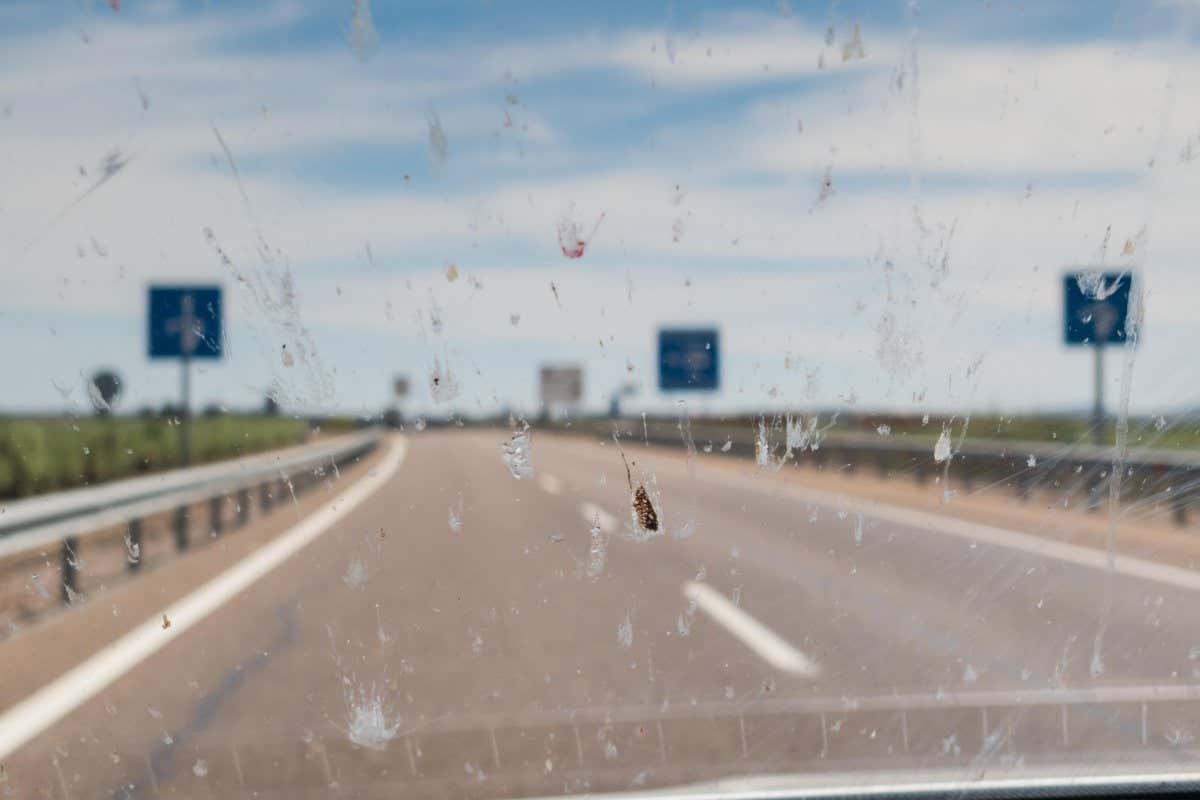

J3TX0E Splattering of dead insects on a car windscreen, windshield whilst driving along a road with signs and road white markings.

Count the bugs "splatted" on your car to help track insect decline

29 June 2022

Add a 'splatometer' to your car to help researchers at the Bugs Matter project investigate the worrying global decline in insect populations, says Layal Liverpool


Do your own experiment to see if your teabags really are compostable

Do your own experiment to see if your teabags really are compostable

1 June 2022

If you make your own compost at home, you can participate in a citizen science project that investigates whether products are as biodegradable as they claim
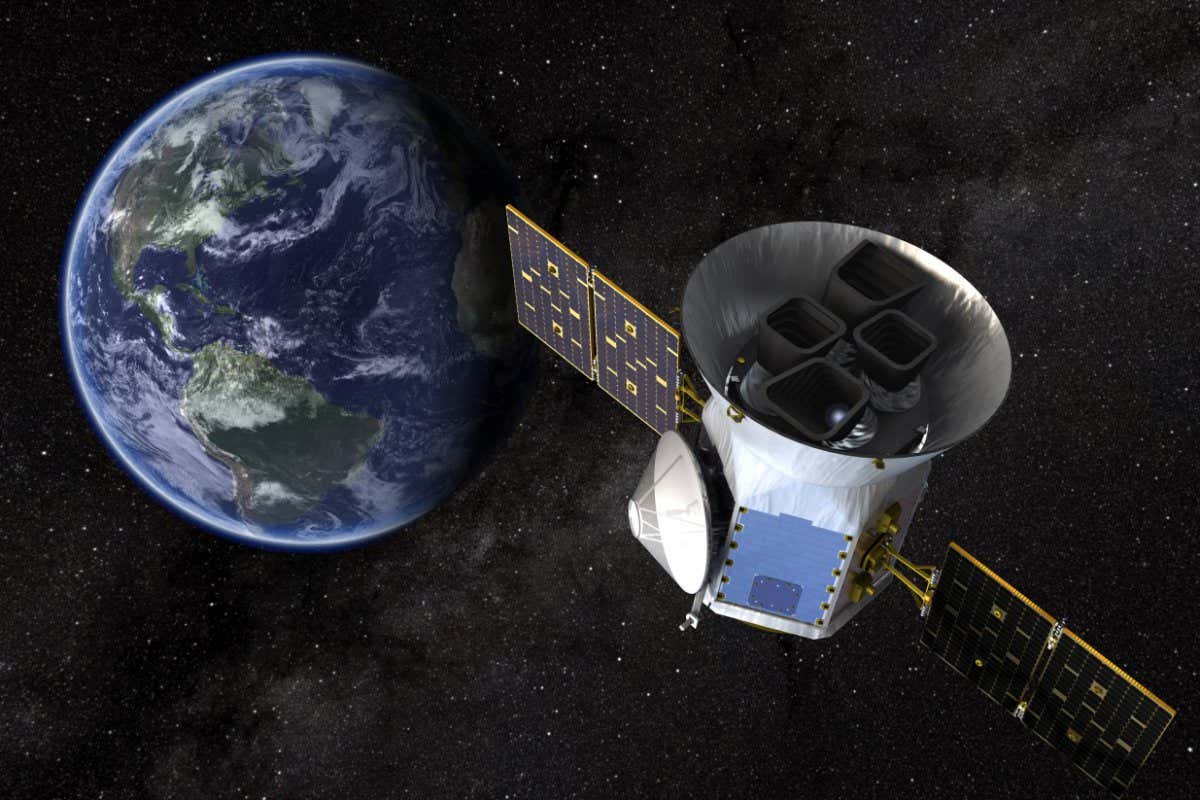

TESS spacecraft in front of Earth and the moon TESS will look at the nearest, brightest stars to find planetary candidates that scientists will observe for years to come. Credits: NASA's Goddard Space Flight Center As the search for life on distant planets heats up, NASA?s Transiting Exoplanet Survey Satellite (TESS) is bringing this hunt closer to home. Launching in 2017-2018, TESS will identify planets orbiting the brightest stars just outside our solar system using what?s known as the transit method. When a planet passes in front of, or transits, its parent star, it blocks some of the star's light. TESS searches for these telltale dips in brightness, which can reveal the planet's presence and provide additional information about it.

Search starlight to help astronomers discover new exoplanets

4 May 2022

Comb through observations from NASA's Transiting Exoplanet Survey Satellite to help find new planets, says Layal Liverpool
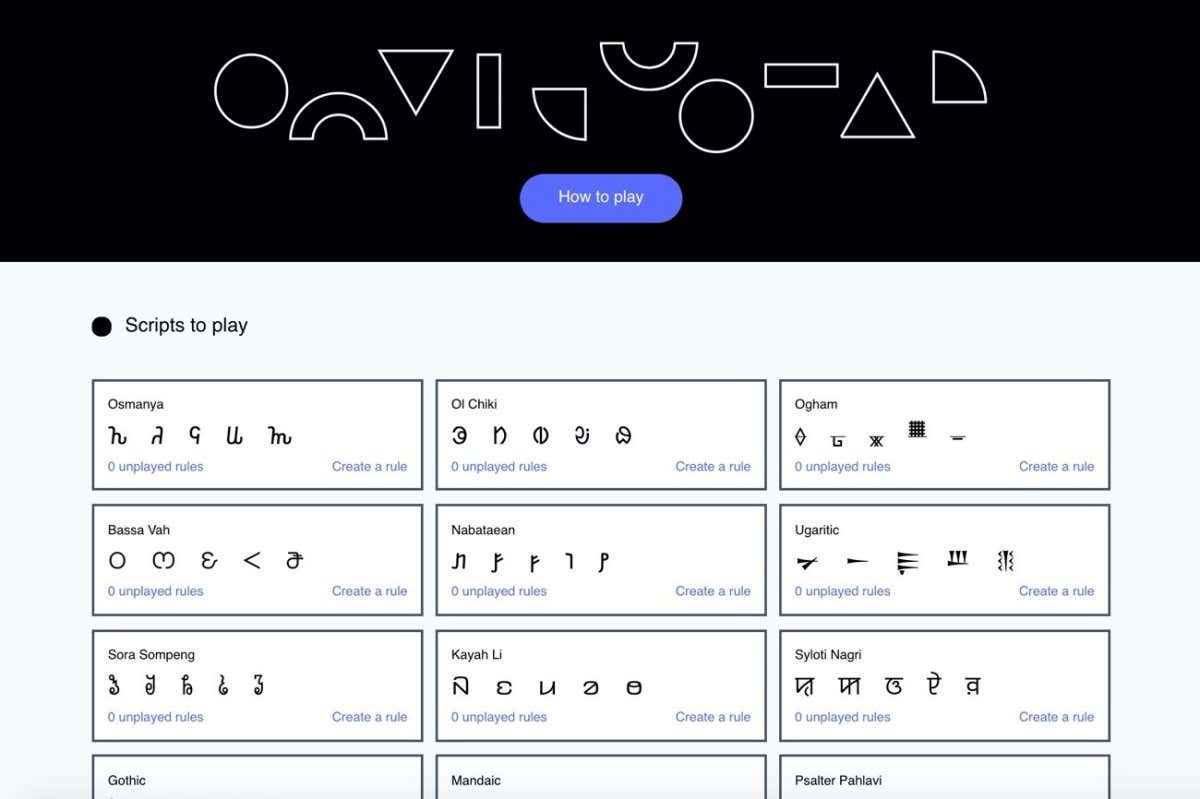

Shots from applet

Help to unlock the secrets of written language by playing Glyph

6 April 2022

Spot visual patterns in humanity’s many scripts and boost the science exploring graphical communication with the online game Glyph, says Layal Liverpool


Sign up to our weekly newsletter

Receive a weekly dose of discovery in your inbox. We'll also keep you up to date with New Scientist events and special offers.

Sign up
Piano Exit Overlay Banner Mobile Piano Exit Overlay Banner Desktop