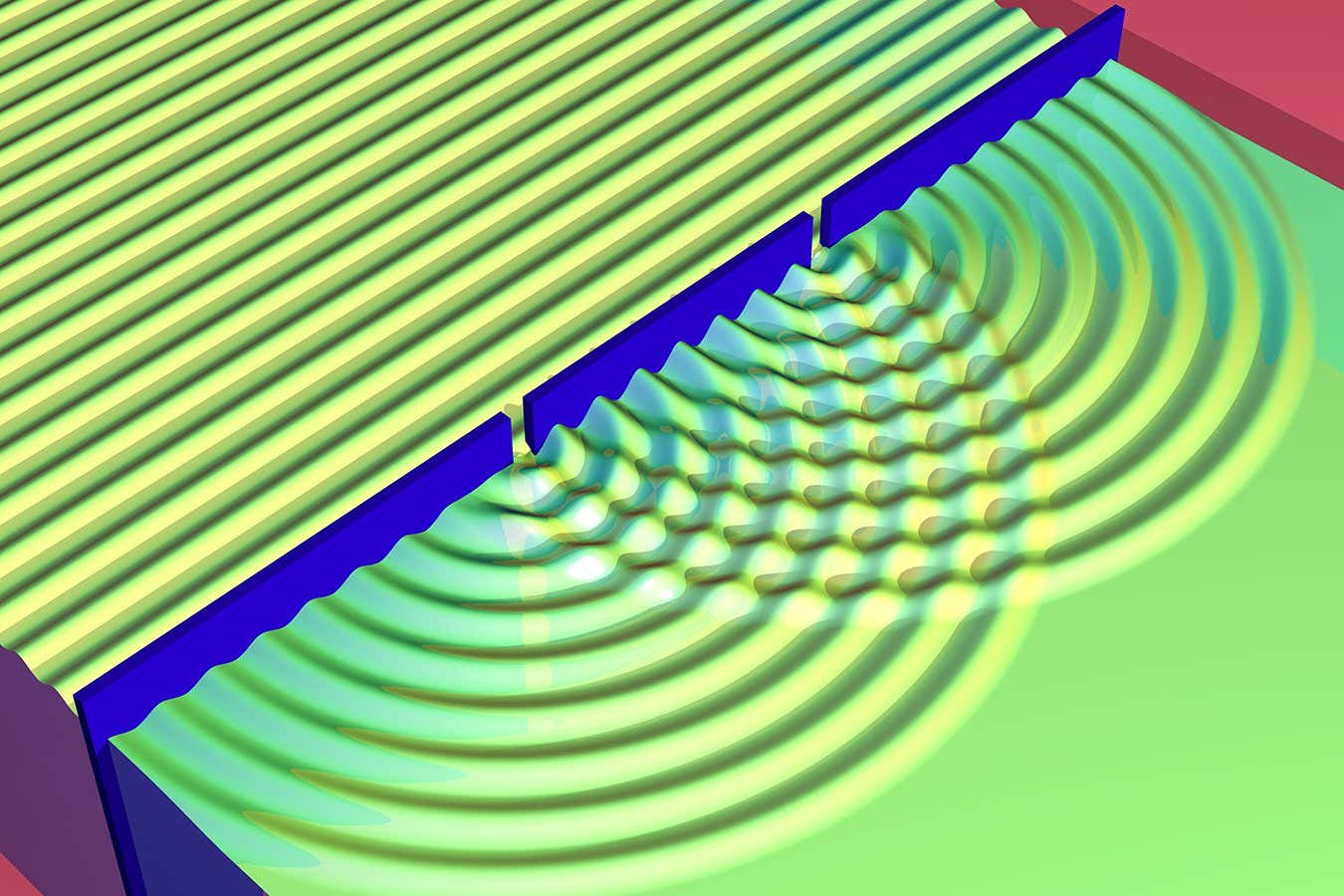
Light interacts with its past self in twist on double-slit experiment
3 April 2023
The double-slit experiment consists of light passing through two slits separated by a small space – now researchers have performed it with small gaps in time instead
3 April 2023
The double-slit experiment consists of light passing through two slits separated by a small space – now researchers have performed it with small gaps in time instead
18 November 2021
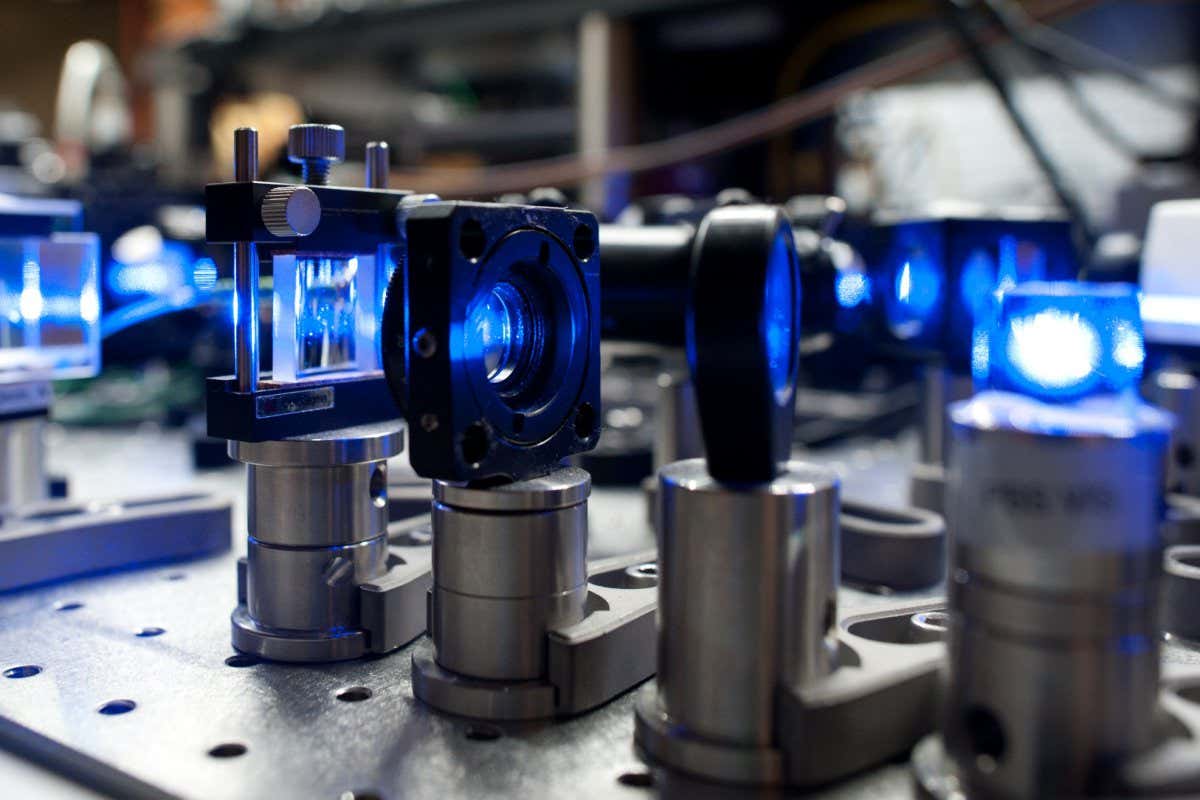
Pauli blocking, a quantum phenomenon that makes a dense quantum gas suddenly turn transparent, has now been observed in three independent experiments
2 September 2020
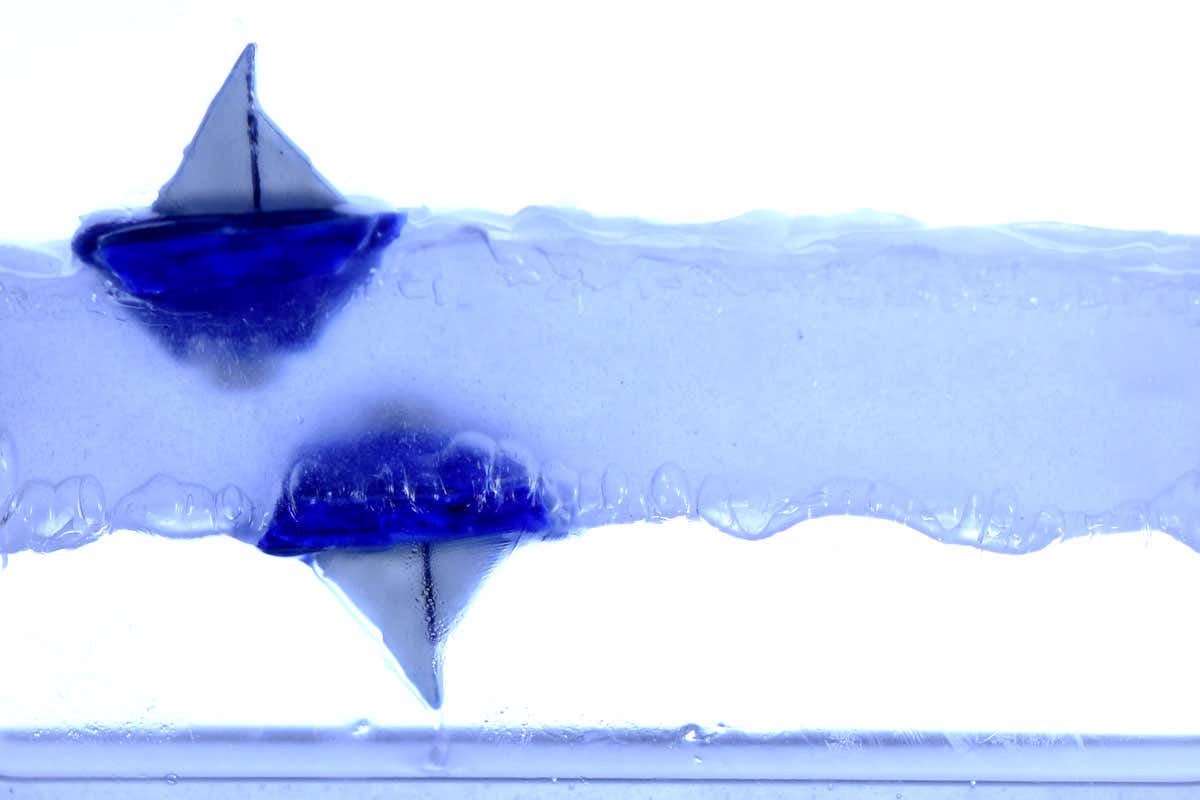
By taking advantage of a strange phenomenon in which liquids can be shaken so fast that they levitate, researchers have made a toy boat float upside down
30 June 2020
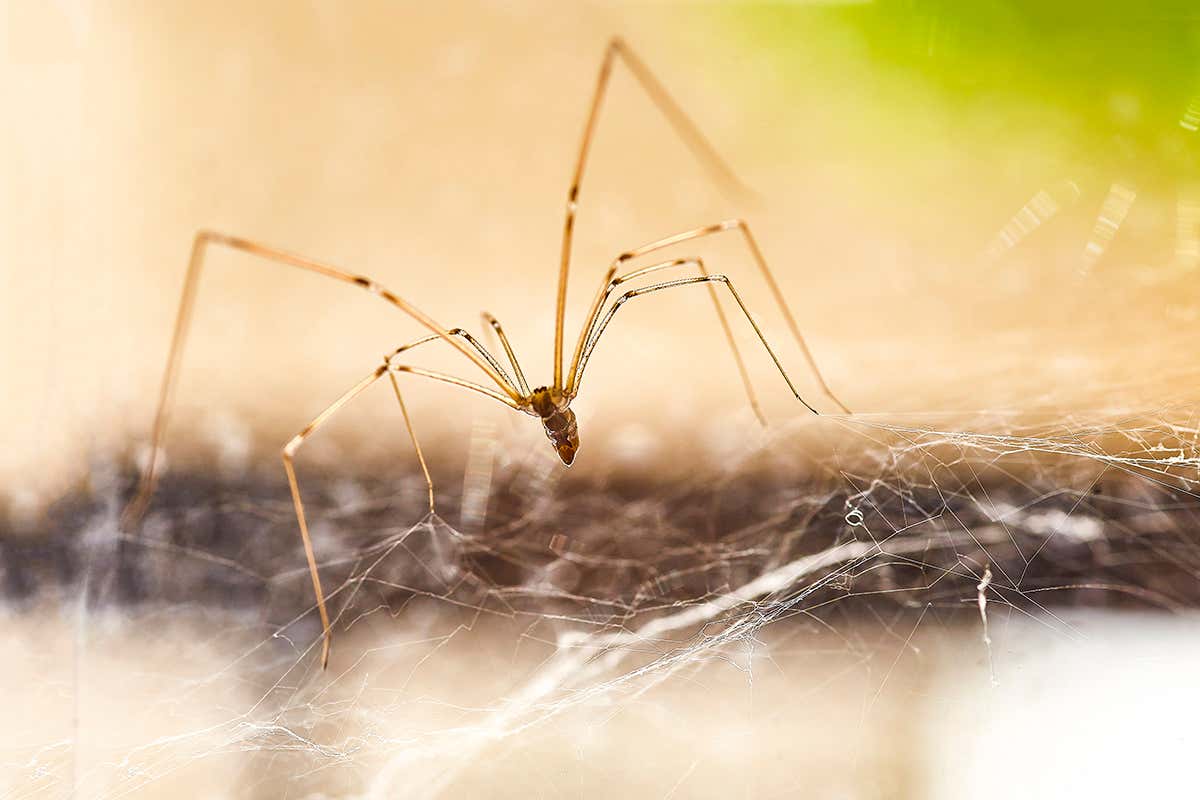
Tiny lenses made out of spider silk and clear resin can produce a special kind of light beam that makes them perfect for taking images of tiny objects like viruses

27 April 2020
A 3D printed grate can be used to make a smart window that blocks heat from sunlight out in the summer while letting it through in the winter, conserving energy
21 January 2020
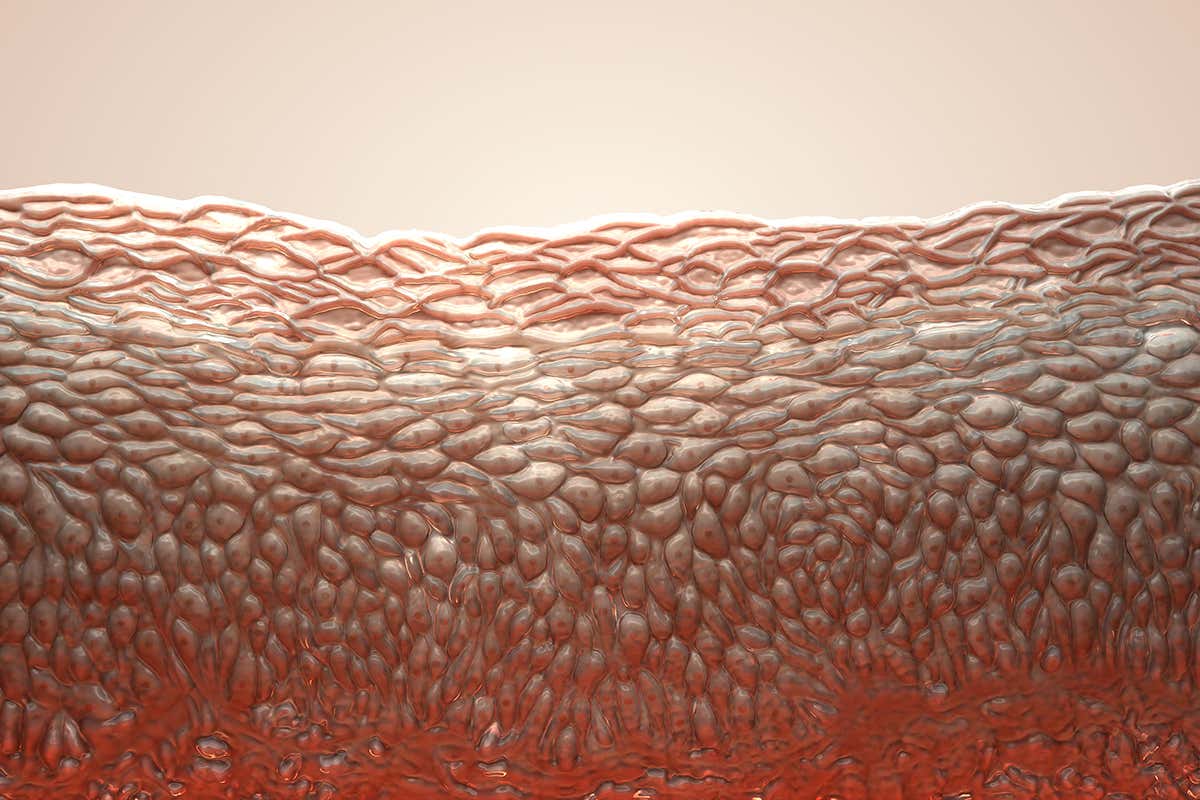
Orange-coloured gel has been made into artificial skin that can be 3D printed in any shape and detect human touch – one day it could help robots feel
19 November 2019
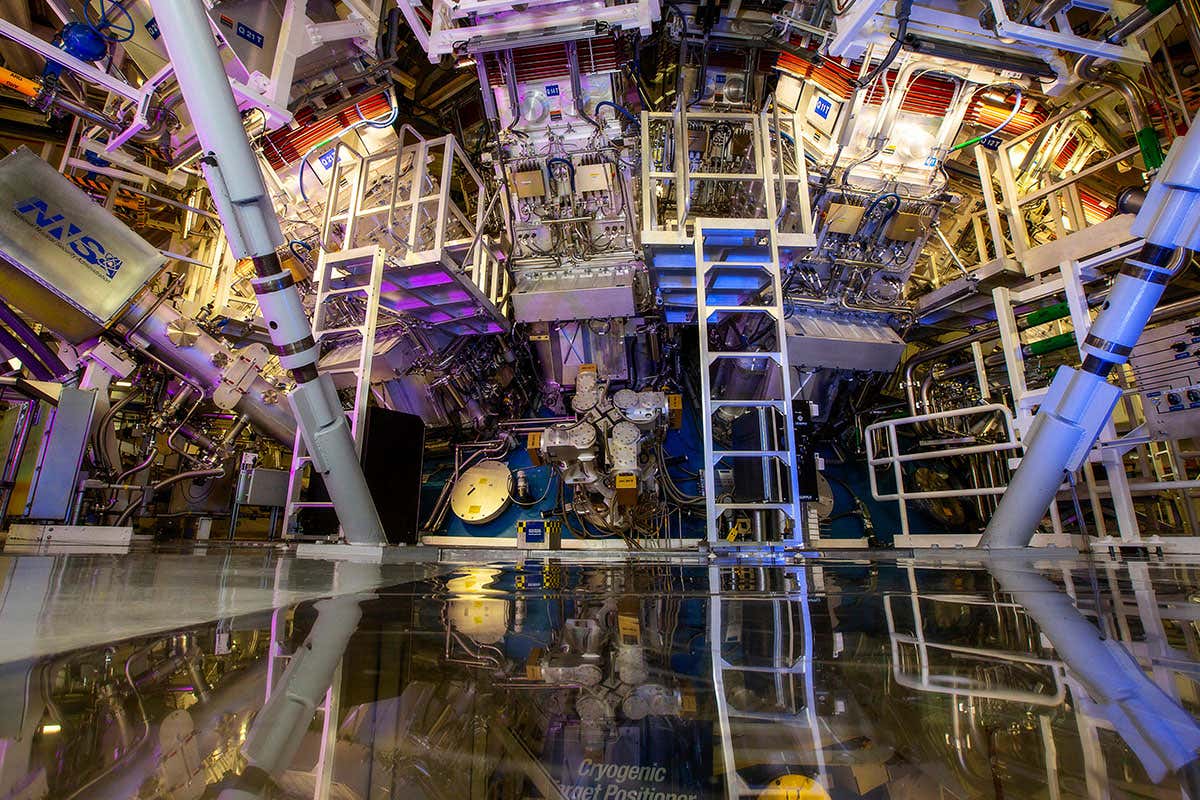
When lead is quickly brought to extremely high pressures using 160 laser beams, it suddenly becomes 250 times stronger – and then it explodes
15 July 2019
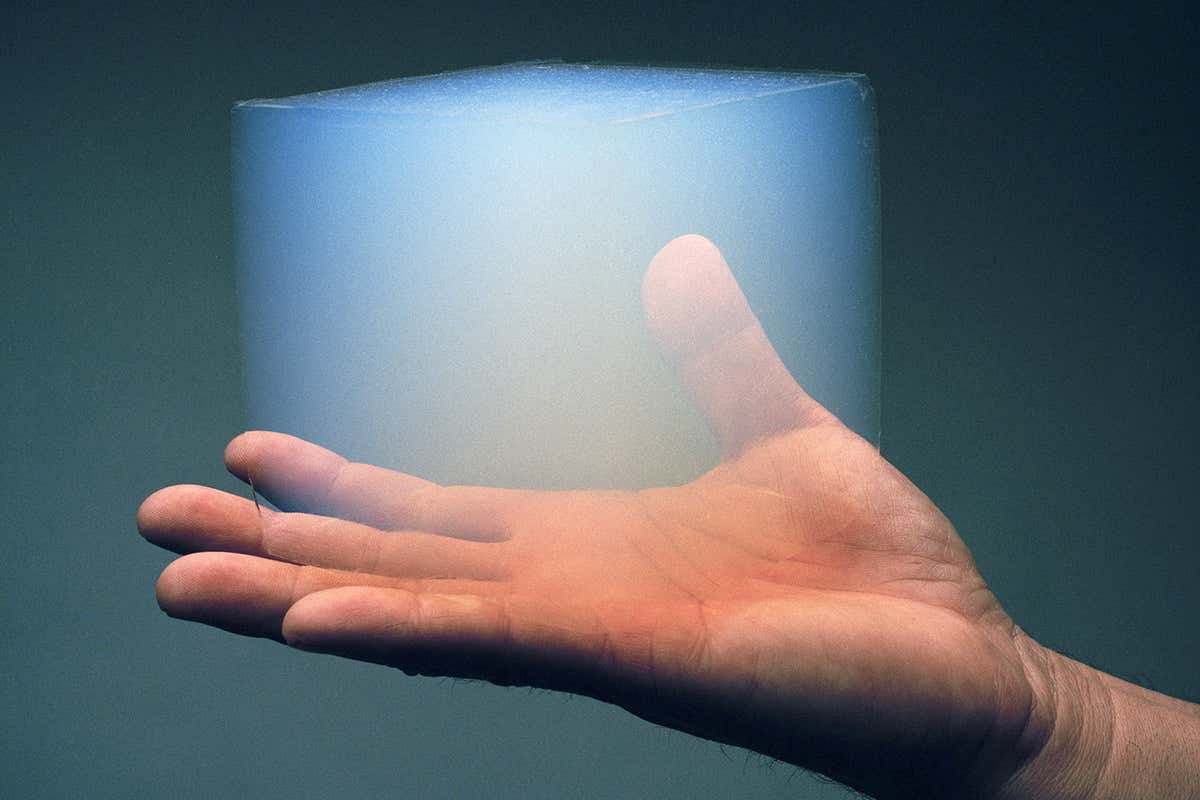
Mars’s surface is not suitable for life because of its low temperatures and constant radiation bombardment, but just a few centimetres of aerogel could fix that
3 July 2019
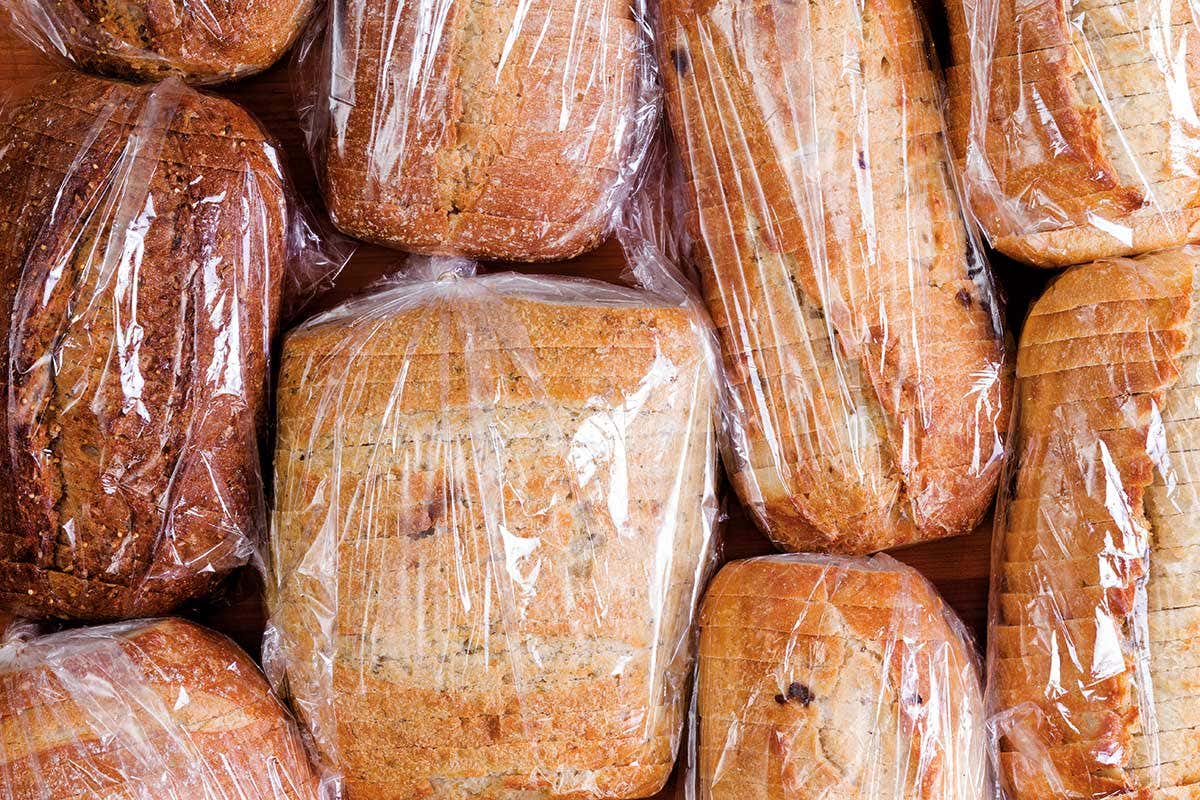
Shops that let you bring your own containers aim to tackle the plastic packaging scourge, but they may not be the perfect solution
3 July 2019
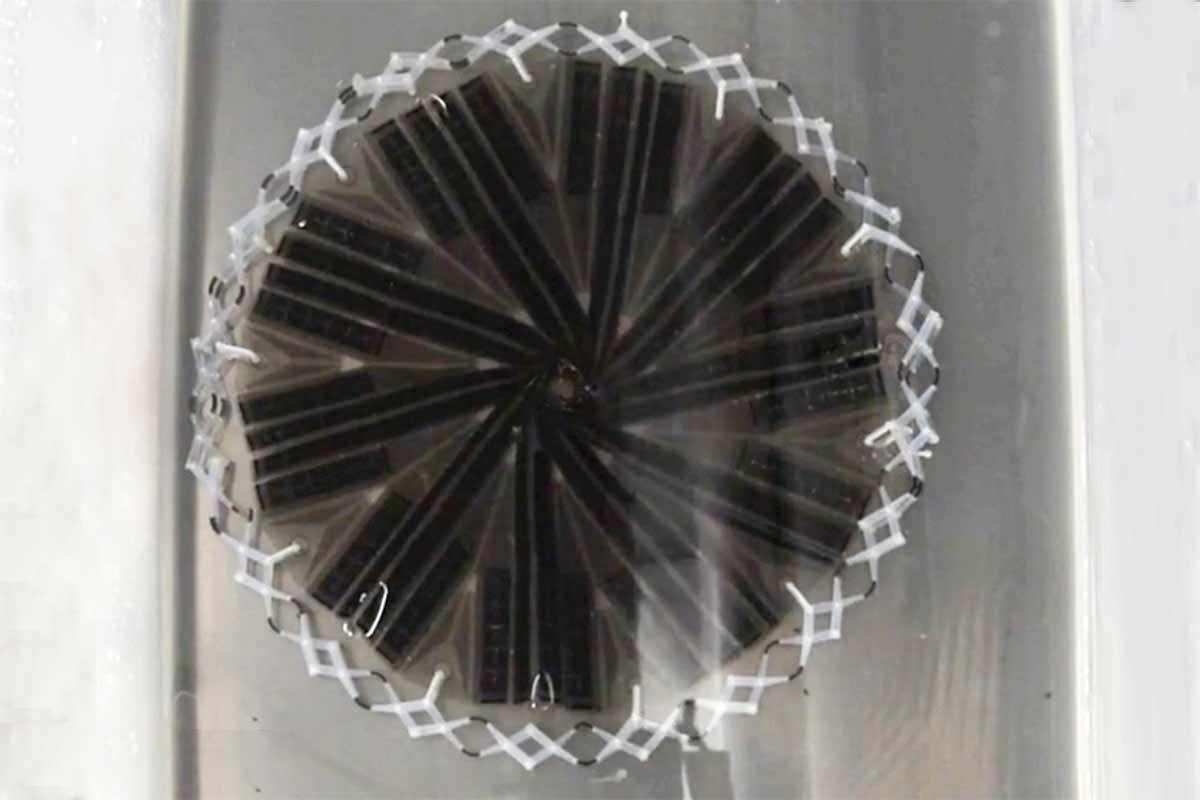
Special polymers that expand when heated allow a solar panel to unfurl when it is exposed to sunlight, which could be useful for solar-powered spacecraft
