
How to hug people in a coronavirus-stricken world
5 August 2020
Hugging has benefits for our health that might make it worth doing despite coronavirus risks – here’s how to reduce the chance you’ll pass on the virus
5 August 2020
Hugging has benefits for our health that might make it worth doing despite coronavirus risks – here’s how to reduce the chance you’ll pass on the virus

27 May 2020
Many countries are relaxing coronavirus restrictions. If you’ve been asked to return to work or school, how can you reduce the risk of infection to yourself and your family?
27 March 2020
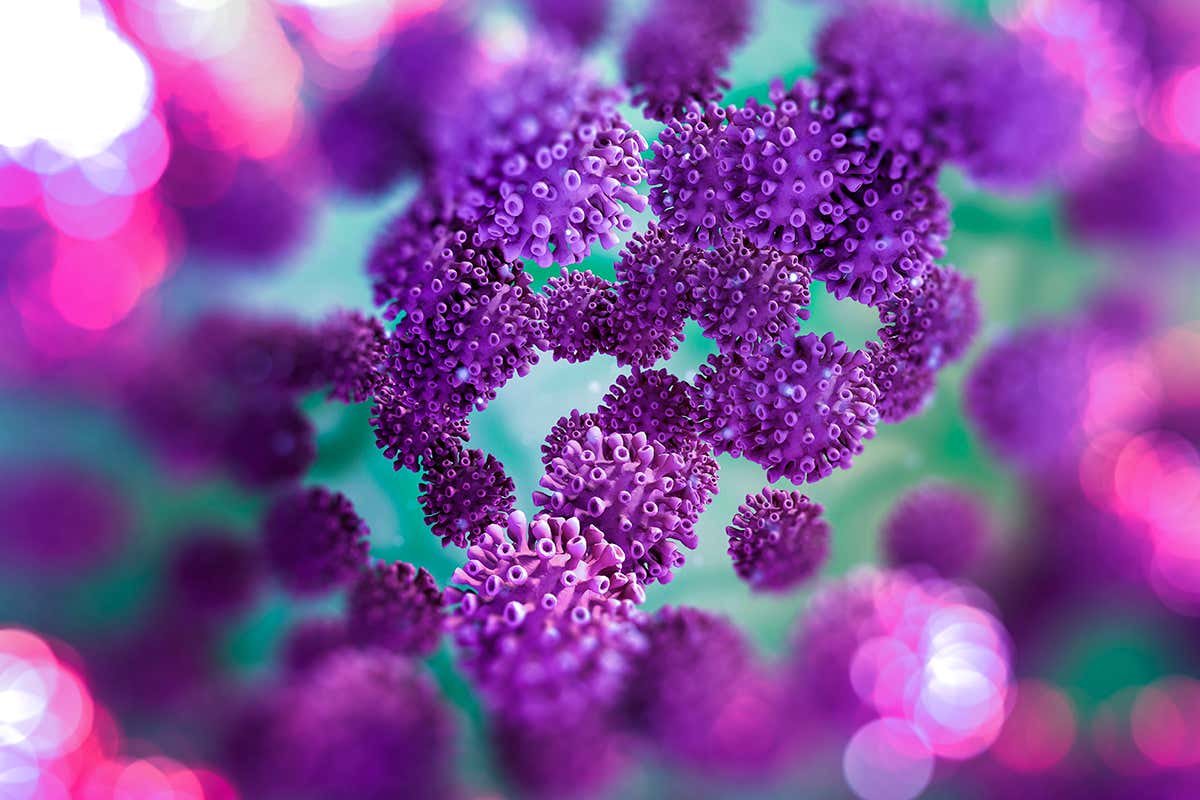
Does being exposed to more virus particles mean you’ll develop more severe illness? Data suggests the relationship between infection and severity may be complex
17 December 2019
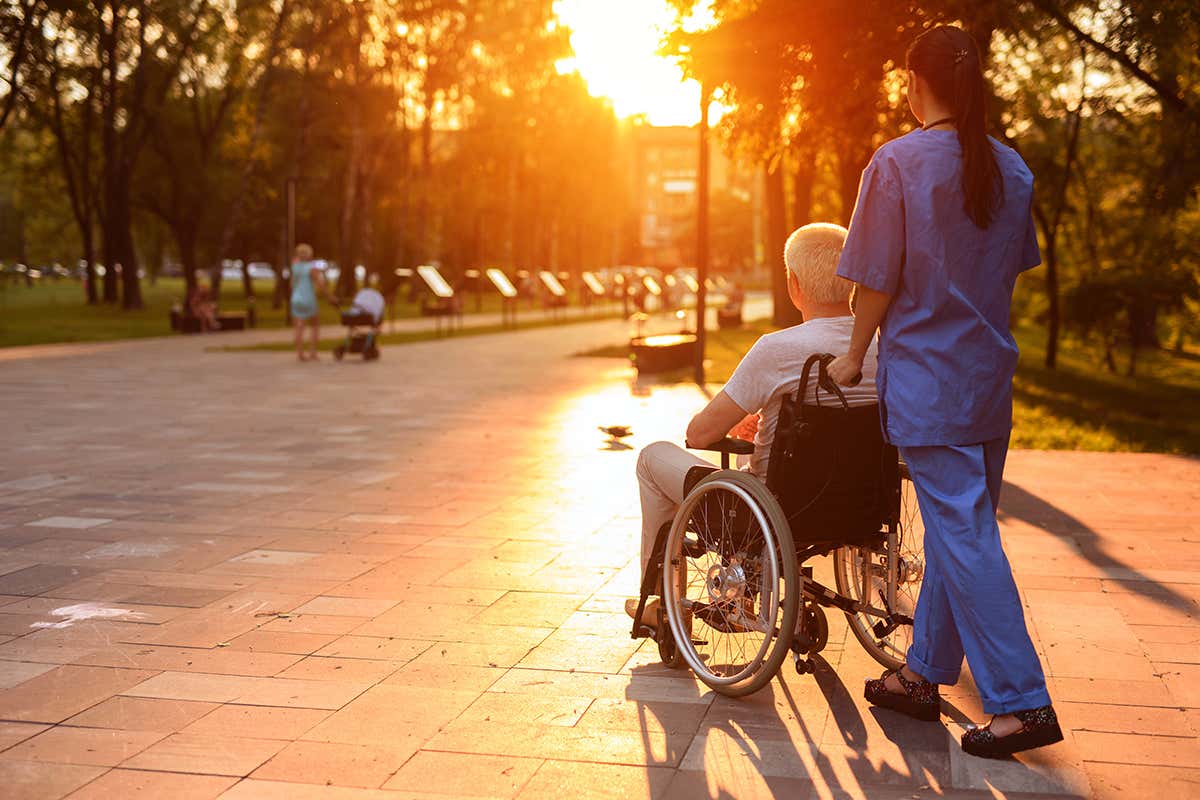
Daytime exposure to bright lights may improve a person’s quality of sleep, and could reduce depressive symptoms and agitation associated with dementia

10 June 2019
Everyone processes food differently — even identical twins. A study found just half of our response to glucose and 20 per cent of our response to fat is genetic

13 May 2019
AI can easily be fooled into mistaking a rifle for a turtle, but now we may have an explanation for why these blunders happen and how to stop them
2 April 2019
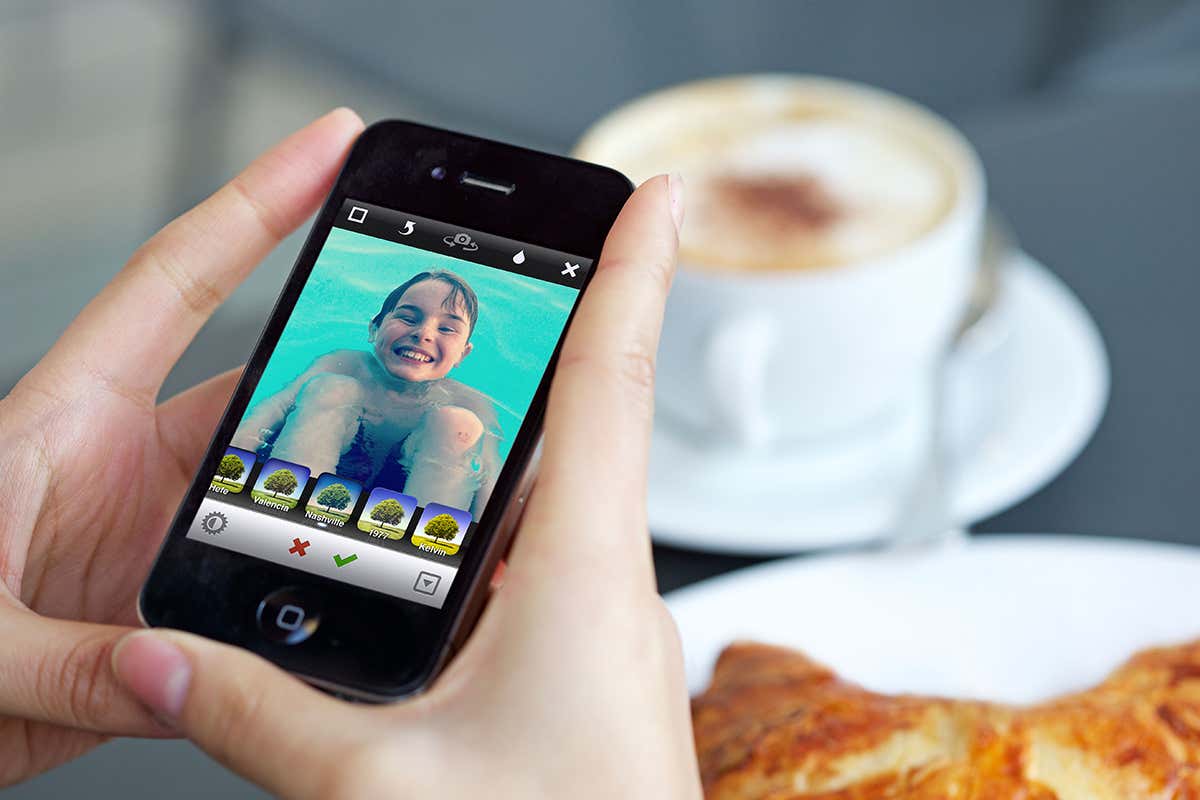
Gwyneth Paltrow has incited debate by posting a photo of her daughter on social media. We need to consider how such images may one day be viewed, says Linda Geddes
25 April 2018
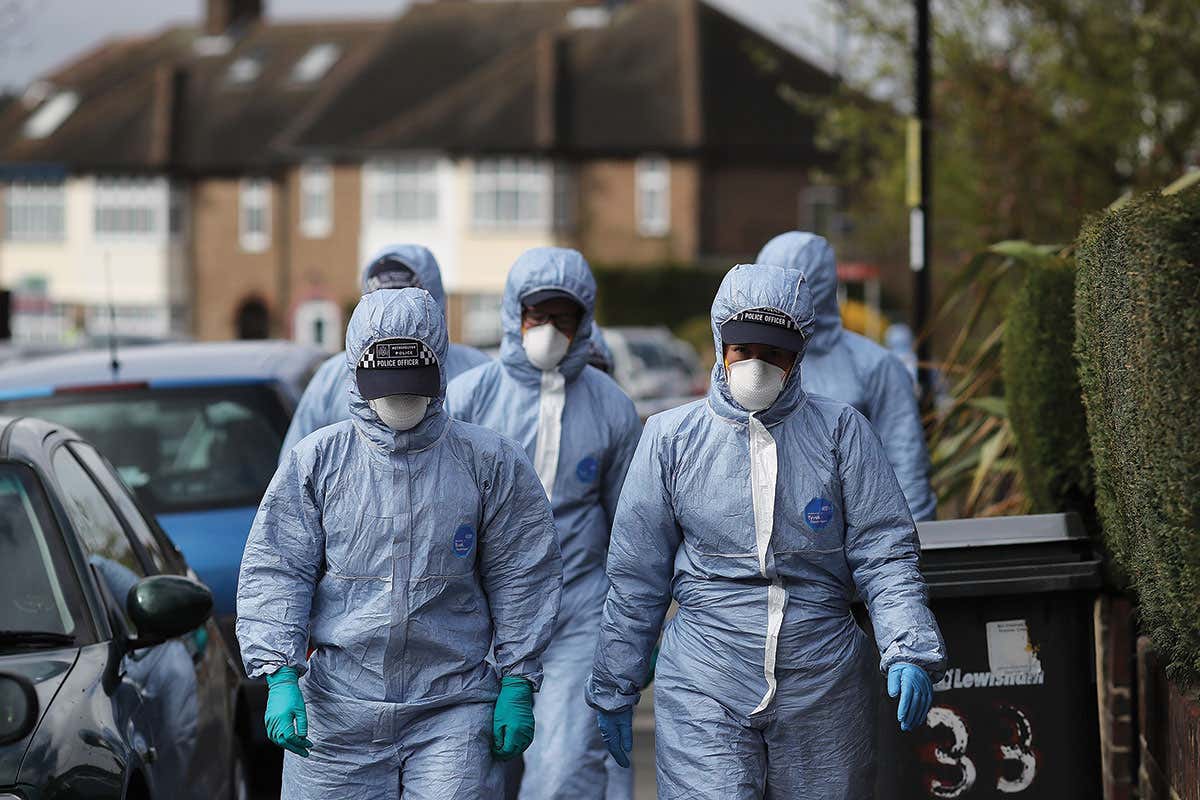
Thousands of criminal cases are under review, forensic labs are failing to meet basic standards and some are just going bust. Where did it all go wrong?

11 July 2017
The ‘poorly-sleeping grandparent’ hypothesis backed with new evidence from Tanzania’s Hadza people, links our sleep patterns to having night sentinels
5 July 2017
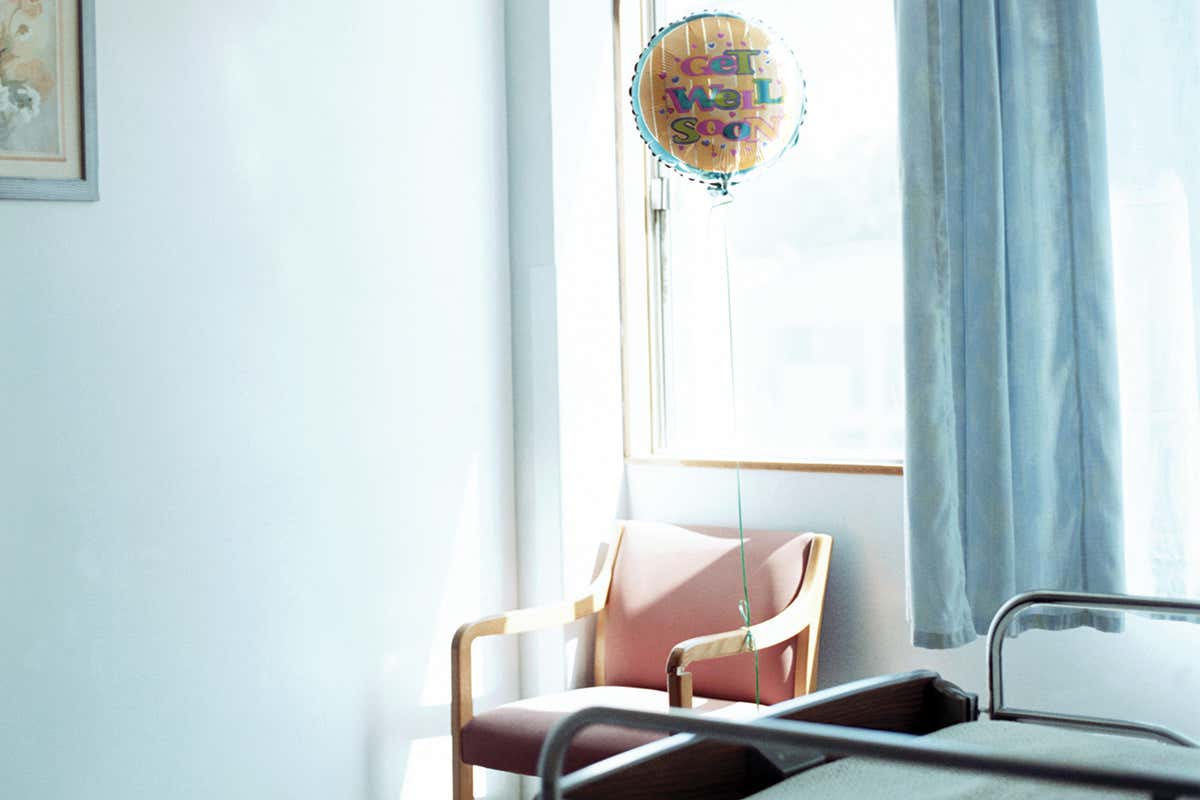
Hospitals are usually badly lit, but many are starting to use light therapy to treat depression, alleviate Parkinson’s disease, and improve stroke recovery
