Subscribe now

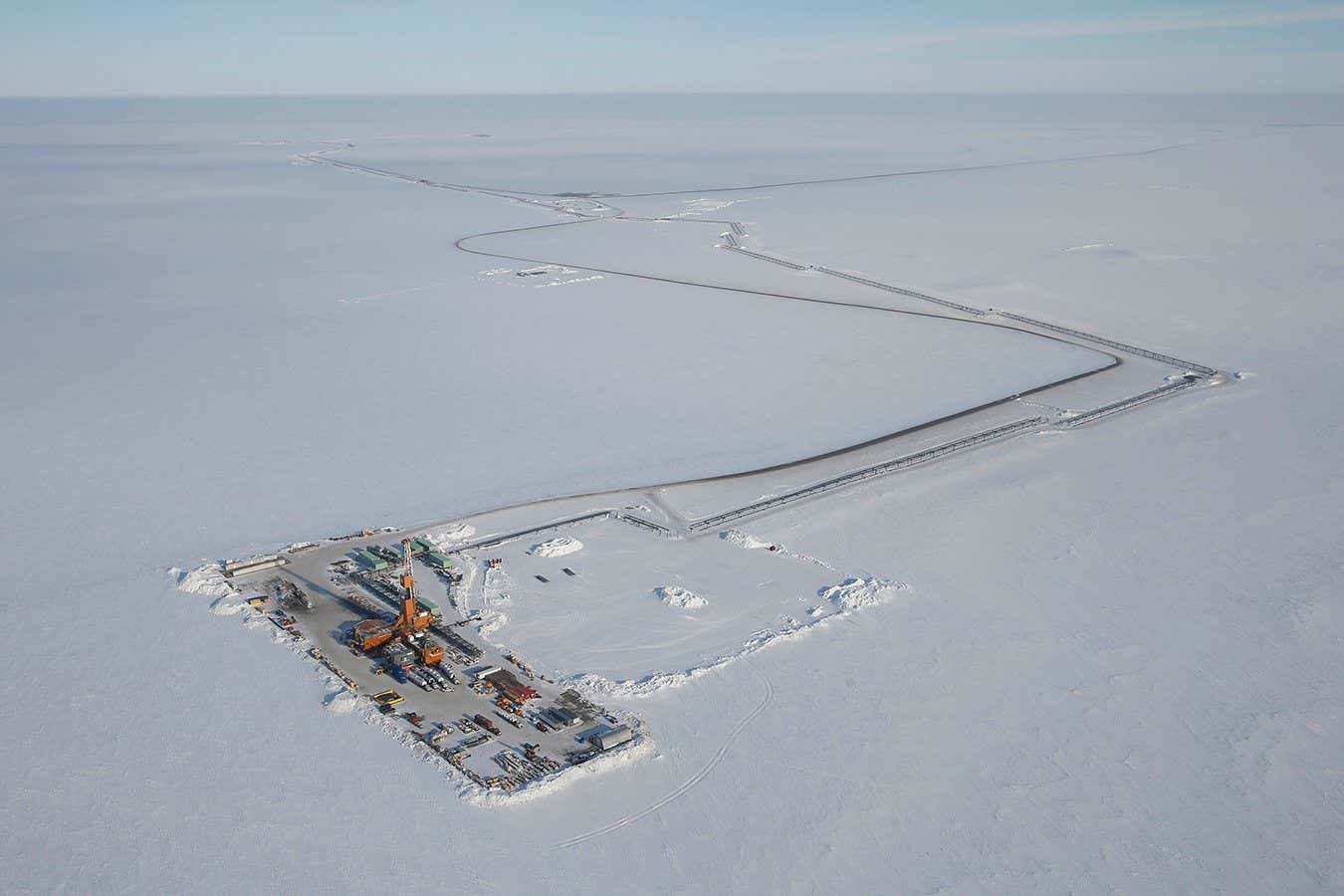
US approves controversial Willow oil drilling project in Alaska

14 March 2023

The hotly debated Willow oil drilling project has been approved in Alaska, a decision that could exacerbate climate change and imperil wildlife
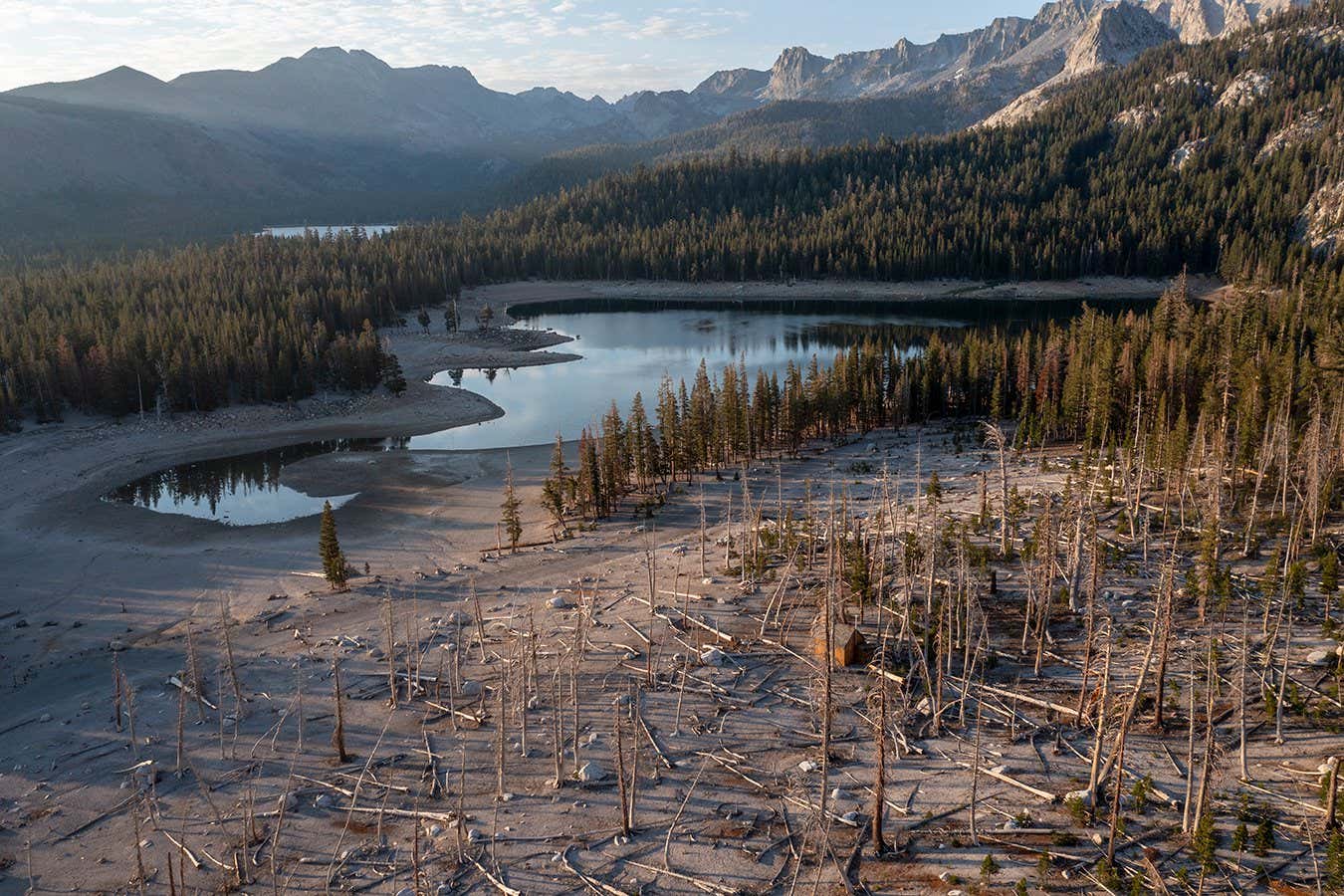

MAMMOTH LAKES, CA - JULY 28: An aerial view of a forest killed by carbon dioxide near drought-shrunken Horseshoe Lake which may again release deadly levels of the greenhouse gas carbon dioxide, on July 28, 2022 near Mammoth Lakes, California. During a series of earthquakes in 1989 and 1990, magma movement opened underground cracks that began releasing Carbon dioxide (CO2) gas that killed a nearby section of forest. The invisible, odorless and tasteless gas is heavier than air and tends to settle over the lake and in snow, and could quickly prove deadly to humans in large amounts. The overwhelming majority of climate-effecting greenhouse gas emissions by humans is carbon dioxide. (Photo by David McNew/Getty Images)

Warming temperatures are creating 'zombie forests' in California

3 March 2023

A fifth of conifer forests in California’s Sierra Nevada mountains are now in places that are too hot for them – meaning they may not regrow if wiped out by wildfire or disease
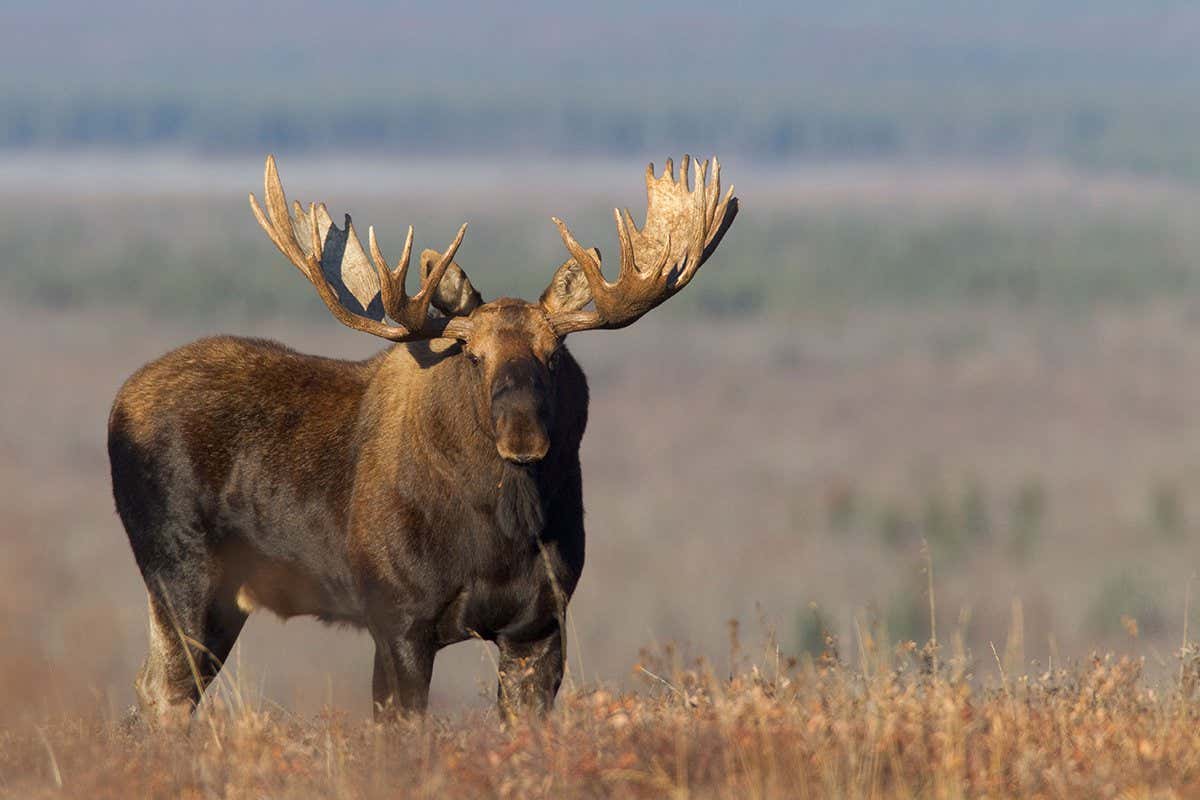

A moose

What a meandering moose says about US wildlife protection efforts

7 February 2023

To prevent extinctions and protect habitats, the US has started building wildlife corridors around major roads and cities. A moose spotting is the latest sign that these efforts seem to be paying off
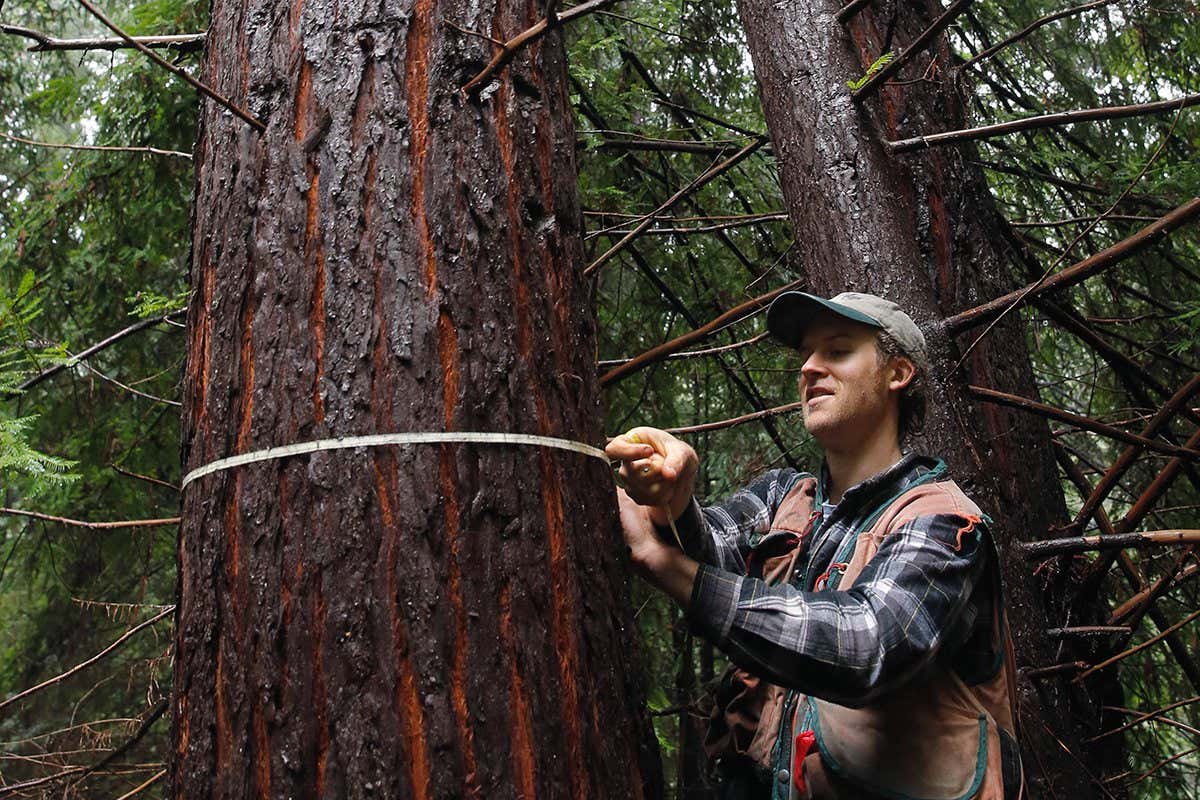

Madison Thomson a forester with The Conservation Fund measure a Redwood tree in the Big River Forest near Fort Bragg, California

California's carbon offsetting may actually be increasing emissions

22 December 2022

The state's ambitious plan to be carbon-neutral by 2045 relies on carbon offsets through the state’s forests. But scientists say it may be causing more harm than good
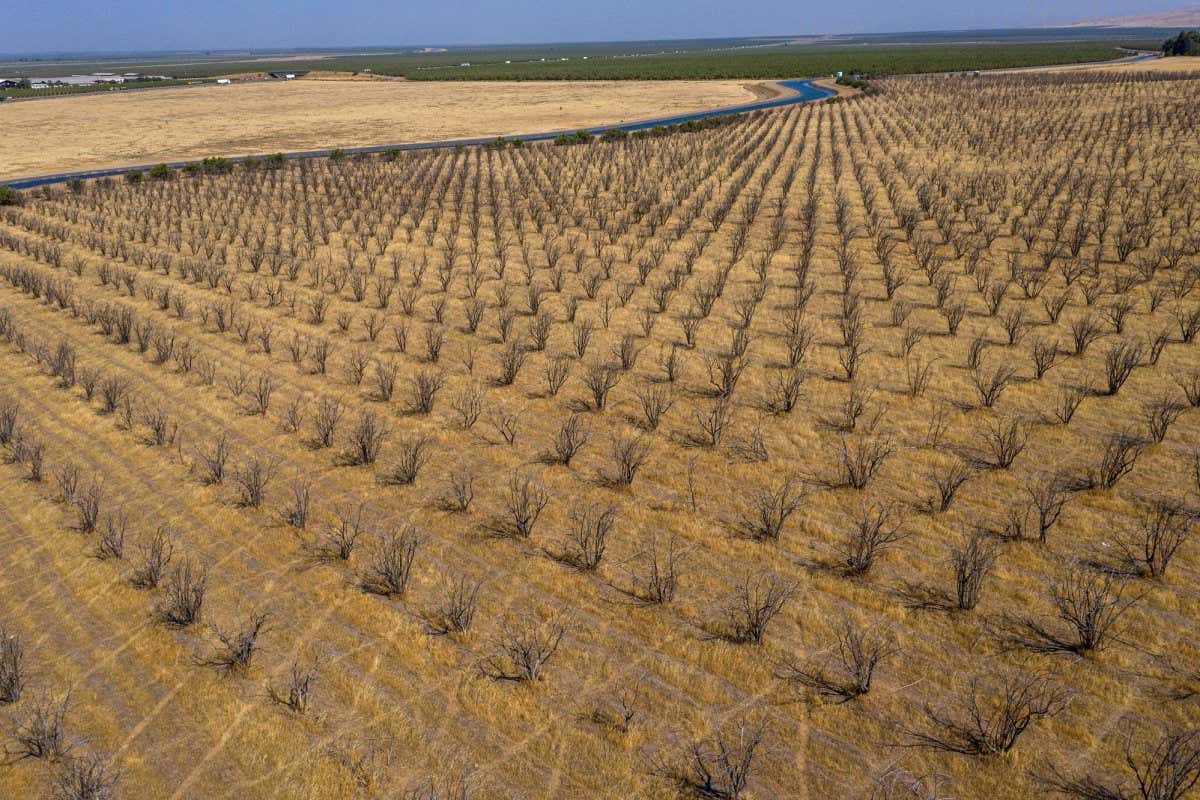

An abandoned pomegranate orchard during a drought

The US megadrought won't just end – it will change the land forever

1 November 2022

Patterns of drought and deluge are common throughout history, but human-driven climate change is disrupting these cycles, making it more difficult to predict exactly how the current megadought in south-western North America will end
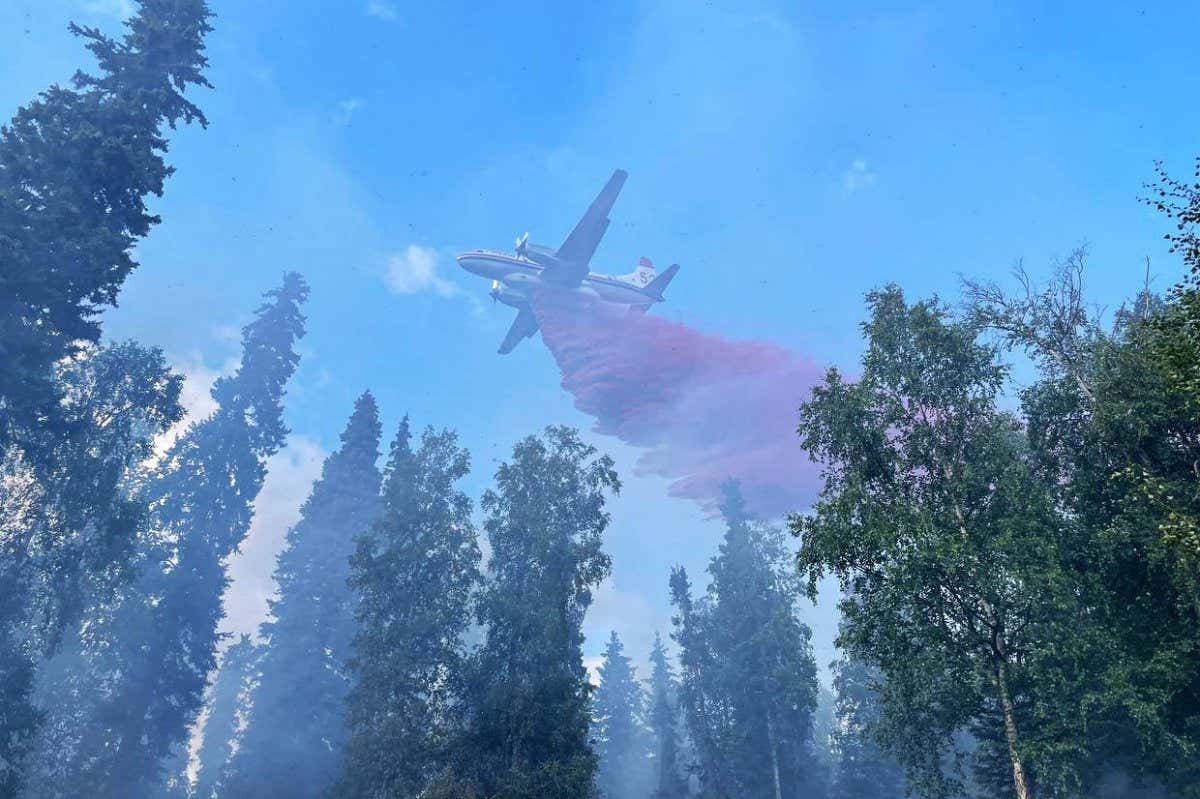

Resources provided mutual aid and responded to five new fires in the Fairbanks area on Monday, July 25th. Two fires are connected to downed trees on powerlines, one involved a structure fire that spread into the wildland, one was unable to be located, and the fifth report resulted in crews monitoring an area for fire activity. Aircraft drops retardant on (600) Old Ridge Trail Fire in Alaska. Photo by James Lily (DOF)

What Alaska's record-breaking wildfires mean for the Arctic's future

10 August 2022

Wildfires in Alaska have already burned more than three times as much territory as usual, and fire season isn't over – the environmental effects could last decades


Sign up to our weekly newsletter

Receive a weekly dose of discovery in your inbox. We'll also keep you up to date with New Scientist events and special offers.

Sign up
Piano Exit Overlay Banner Mobile Piano Exit Overlay Banner Desktop