Subscribe now

Genetically modified stem cells extend lifespan of mice by 20 per cent

16 May 2023

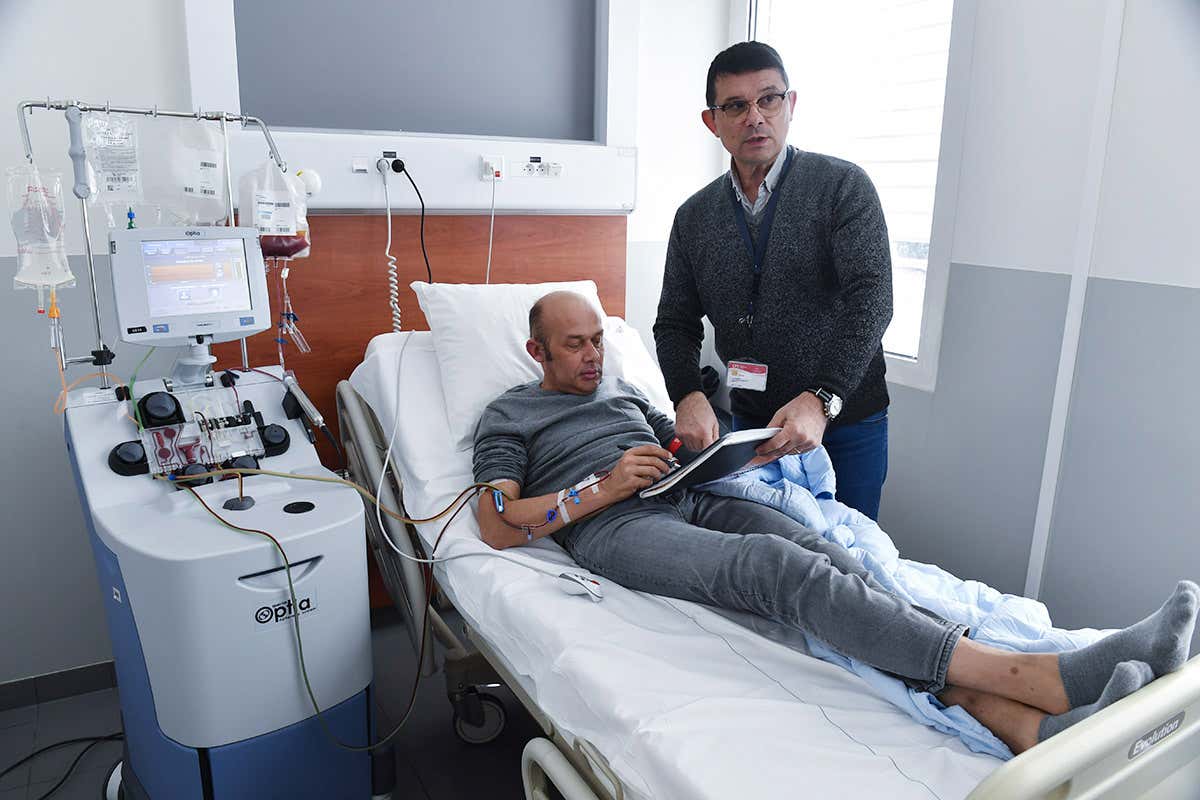
A genetic alteration that extends the life of mice can be transferred to other mice via blood stem cells, and this could soon be tested in humans as a cancer treatment


Alyssa on the day she received the base-edited cell therapy in May

Experimental CRISPR technique has promise against aggressive leukaemia

11 December 2022

A 13-year-old girl whose leukaemia had not responded to other treatments now has no detectable cancer cells after receiving a dose of immune cells that were genetically edited to attack the cancer


Doctor preparing a vaccine

Pancreatic cancer vaccine: What to know about early promising results

8 June 2022

A personalised mRNA vaccine for pancreatic cancer has produced promising results in a small initial trial involving people whose cancers were detected early enough to be operated on


DNA profile from a human sample

Living sensors in our guts could provide early warnings of cancer

12 October 2021

Gut bacteria engineered to produce a signal when they eat chunks of DNA from cancer cells could form an early warning test for the disease, tests in mice suggest


'Smart' immune cells kill tumours and stop them regrowing in mice

'Smart' immune cells kill tumours and stop them regrowing in mice

28 April 2021

In animal studies, "smart" immune cells genetically engineered to attack tumours in a new way eradicated brain, ovarian and asbestos-related tumours where normal immune cells failed


Sponges can survive massive doses of radiation without getting cancer

Sponges can survive massive doses of radiation without getting cancer

2 April 2021

Sponges have cells that divide throughout their life so they should be prone to cancers, but they have survived 100 times the lethal dose of radiation for humans without any sign of tumours


cancer cells

Obesity may cause cancer simply because larger organs have more cells

7 August 2020

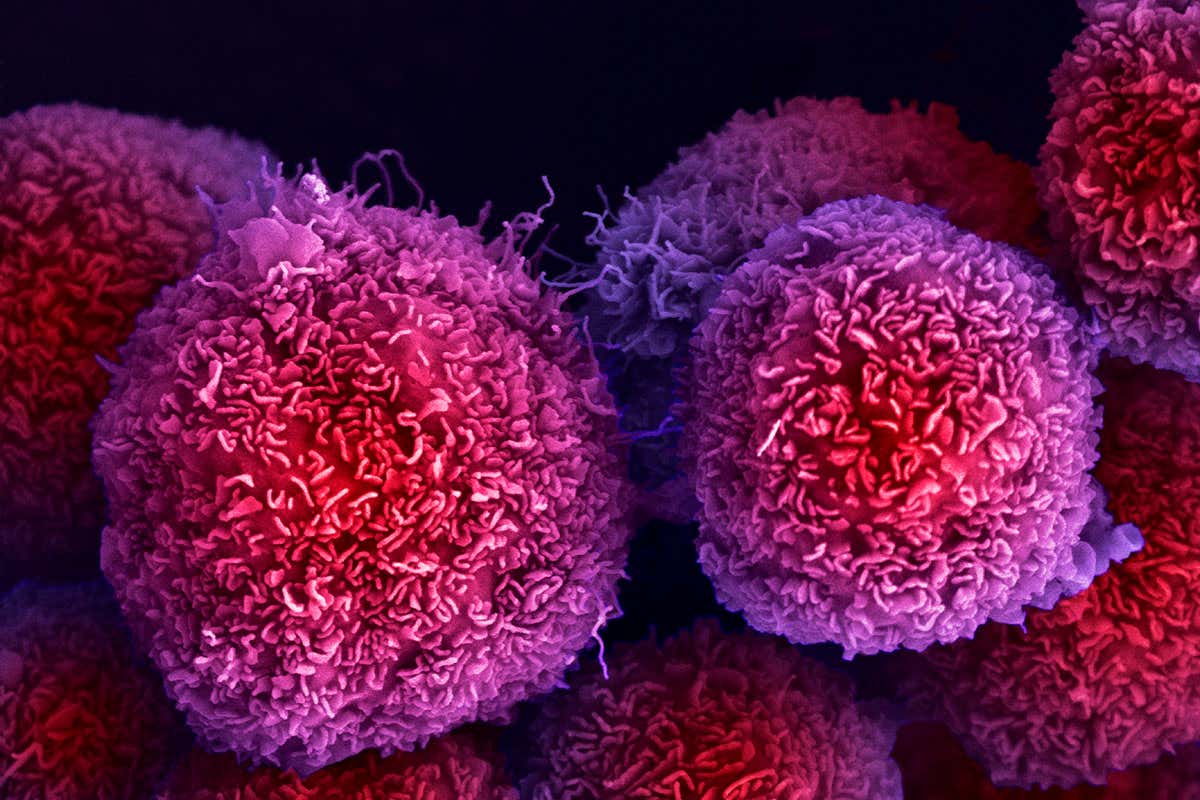
We’ve just discovered that people who are obese have larger organs and thus more cells that might mutate, which could explain their higher risk of getting some cancers


A person looking at a blood sample

Blood test shows promise for detecting the deadliest cancers early

30 March 2020

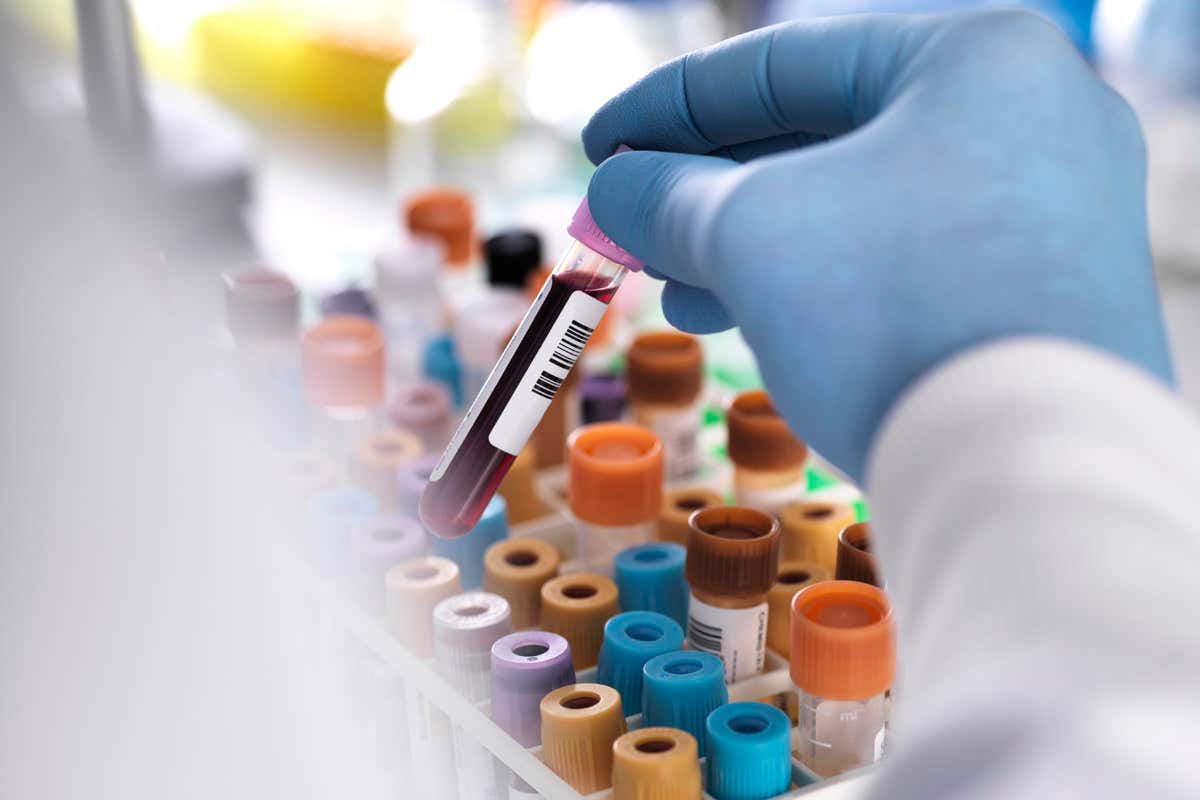
A blood test developed and checked using blood samples from 4000 people can accurately detect more than 50 cancer types


A safety switch may pave the way towards controlled use of gene drives to control mosquitoes

CRISPR safety switch can make cells self-destruct if they go rogue

21 February 2020

A genetic tweak can make cells self-destruct in the presence of CRISPR and could be used to make cells tamper-proof or shut them down if they go wrong


CRISPR cancer trial finds that gene-edited immune cells are safe

CRISPR cancer trial finds that gene-edited immune cells are safe

6 February 2020

Three people with advanced tumours received a dose of CRISPR gene-edited immune cells and had no serious side effects, paving the way for more trials using this technique


Sign up to our weekly newsletter

Receive a weekly dose of discovery in your inbox. We'll also keep you up to date with New Scientist events and special offers.

Sign up
Piano Exit Overlay Banner Mobile Piano Exit Overlay Banner Desktop