Subscribe now
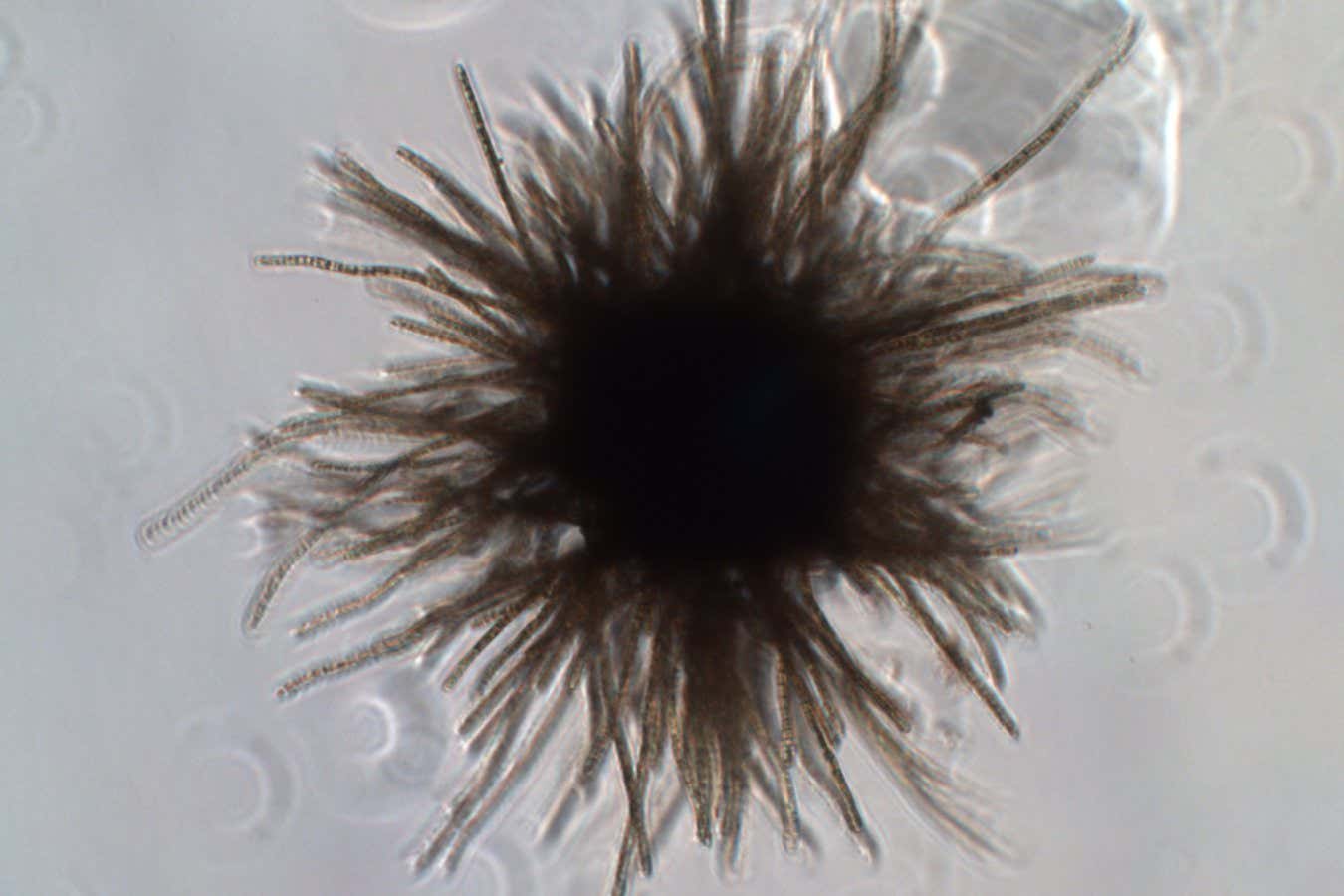
Trichodesmium thiebautii (light micrograph) Trichodesmium thiebautii is a cyanobacterium, or blue-green alga, that forms colonies of cells. In high concentrations, they create golden-brown surface mats, often referred to ?sea sawdust,? in the Gulf of Mexico. These large concentrations, called blooms, are sometimes associated with fish kills and can cause dermatitis or ?swimmer?s itch? when handled or contacted. When blooms die and decay, they can discolor the water pink to red. Toxin production by this species is being investigated. https://www.flickr.com/photos/myfwc/8678780050

Ocean-fertilising bacteria work together to adapt to light levels

25 May 2023

Trichodesmium, a kind of cyanobacterium that is vital to ocean ecosystems, forms colonies that work together and change shape to get the light and nutrients the microbe needs to grow
Genetically engineered bacteria have learned to play tic-tac-toe

Genetically engineered bacteria have learned to play tic-tac-toe

13 May 2022

E. coli bacteria modified to act like electronic components called memristors can be set up to act as a simple neural network and trained to play noughts and crosses


obeastsofierce Science / Alamy

Your microbiome reveals more about your health than your genes do

14 January 2020

The microbes that live inside you say more than your genes do about your likelihood of developing health conditions ranging from asthma to cancer and schizophrenia


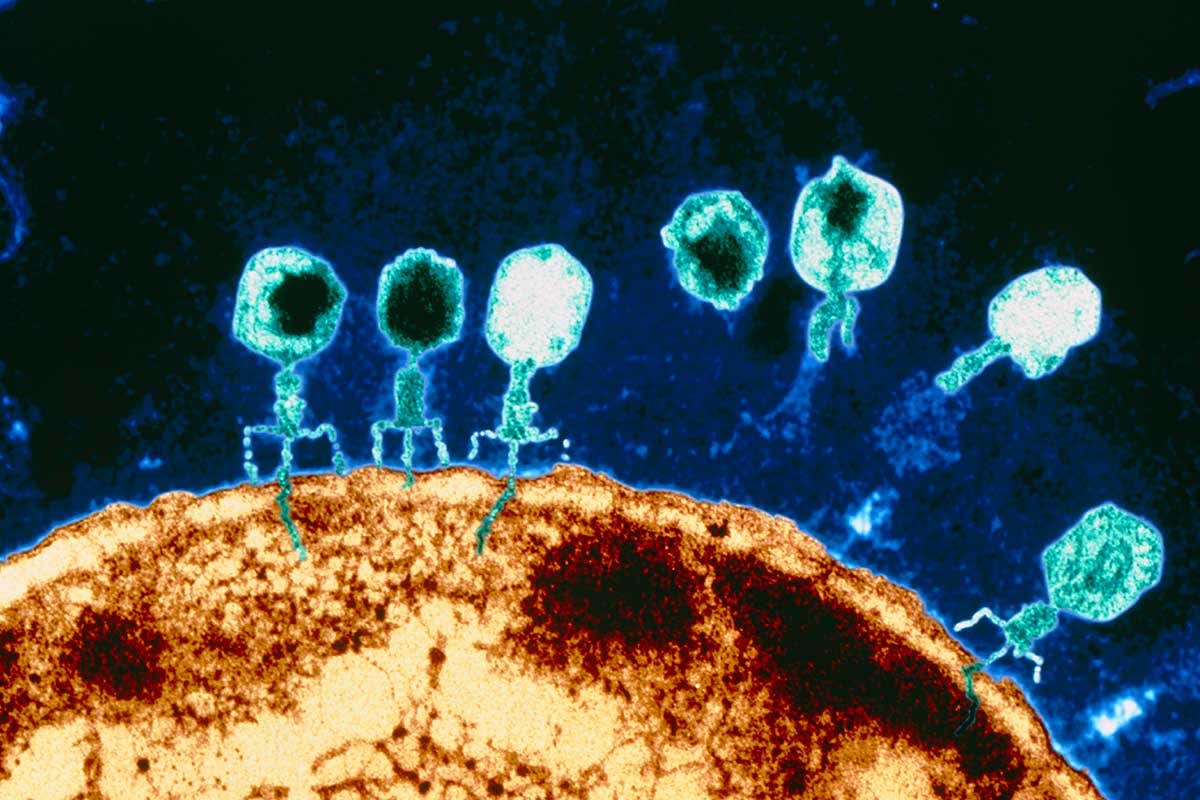
Bacteriophage viruses attacking an E. coli cell

Giant viruses have weaponised CRISPR against their bacterial hosts

30 March 2019

Hundreds of giant viruses that infect bacteria have been discovered. Some seem to deploy CRISPR – the system used for gene editing – to fight their hosts


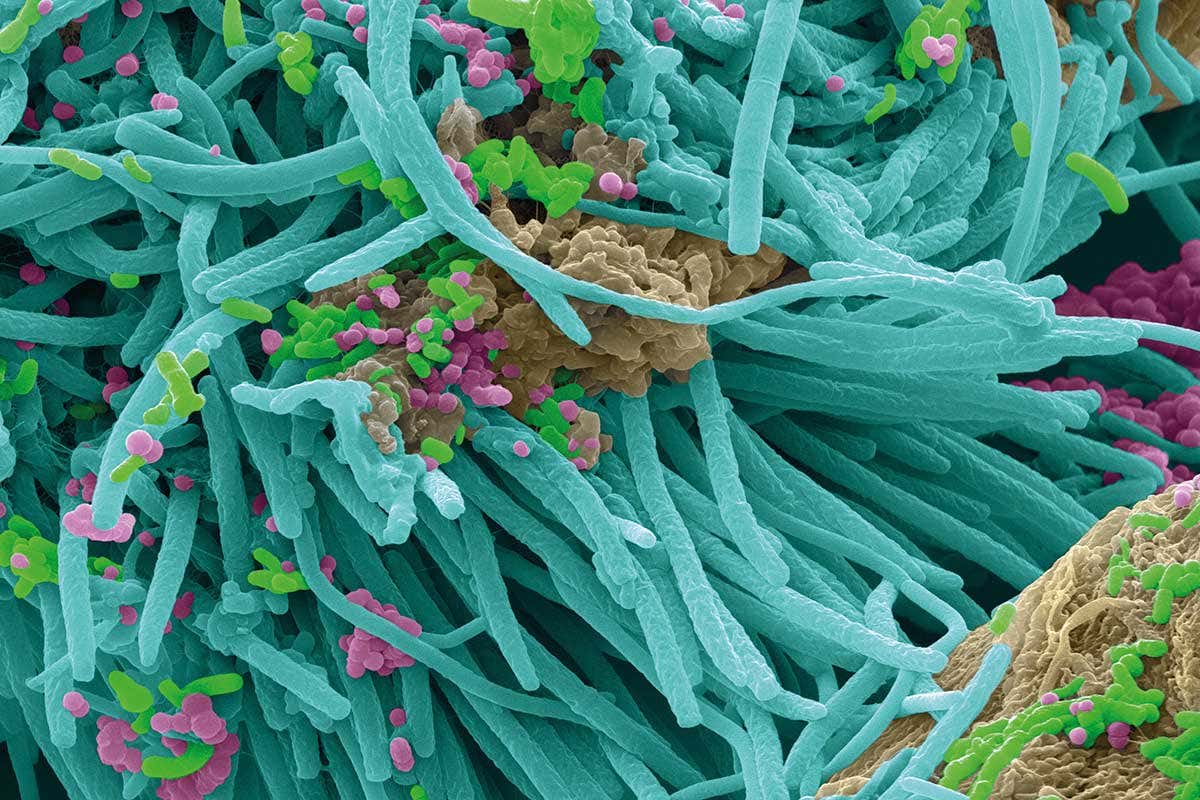
A huge number of mystery microbes are living on your skin

A huge number of mystery microbes are living on your skin

19 June 2018

We thought we knew about most of the species in our bodies’ microbiomes, but a study has revealed a large number of previously-unidentified organisms


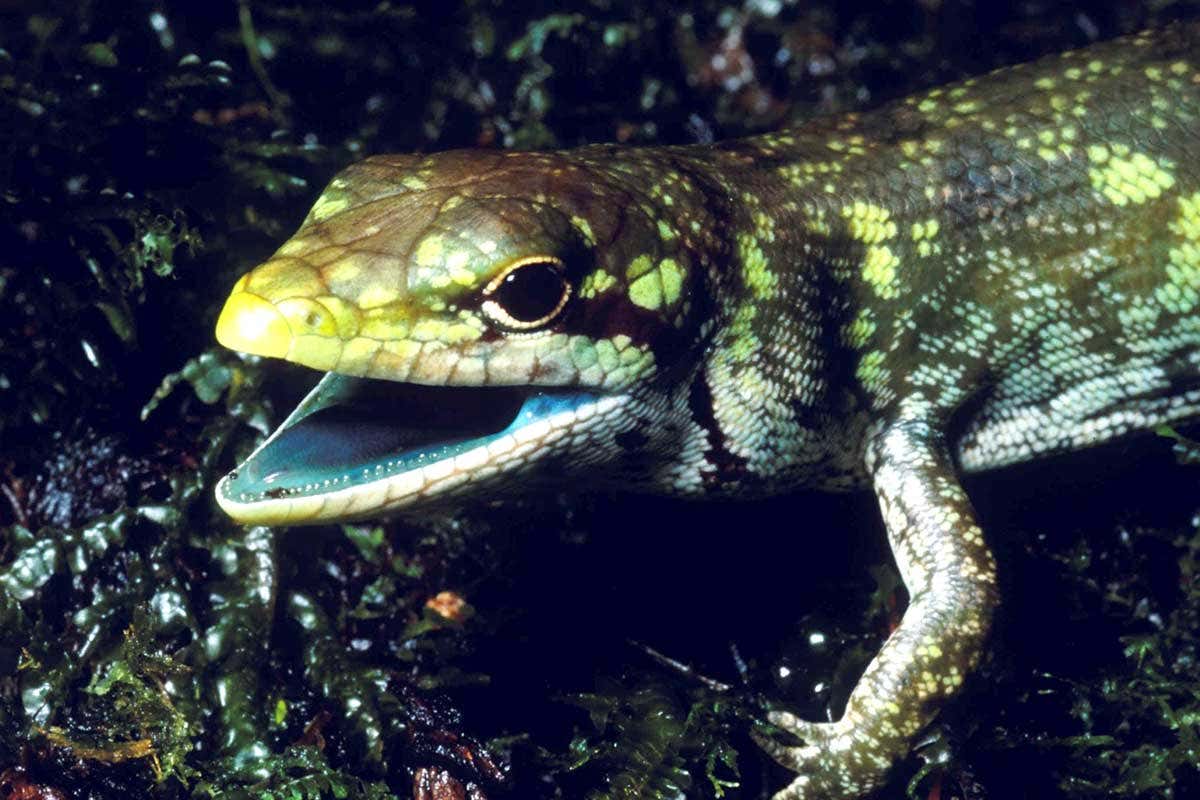
Lizards keep evolving toxic green blood and we don't know why

Lizards keep evolving toxic green blood and we don't know why

16 May 2018

All the green-blooded lizards in the world live in New Guinea, but it turns out the trait has evolved there independently at least four times


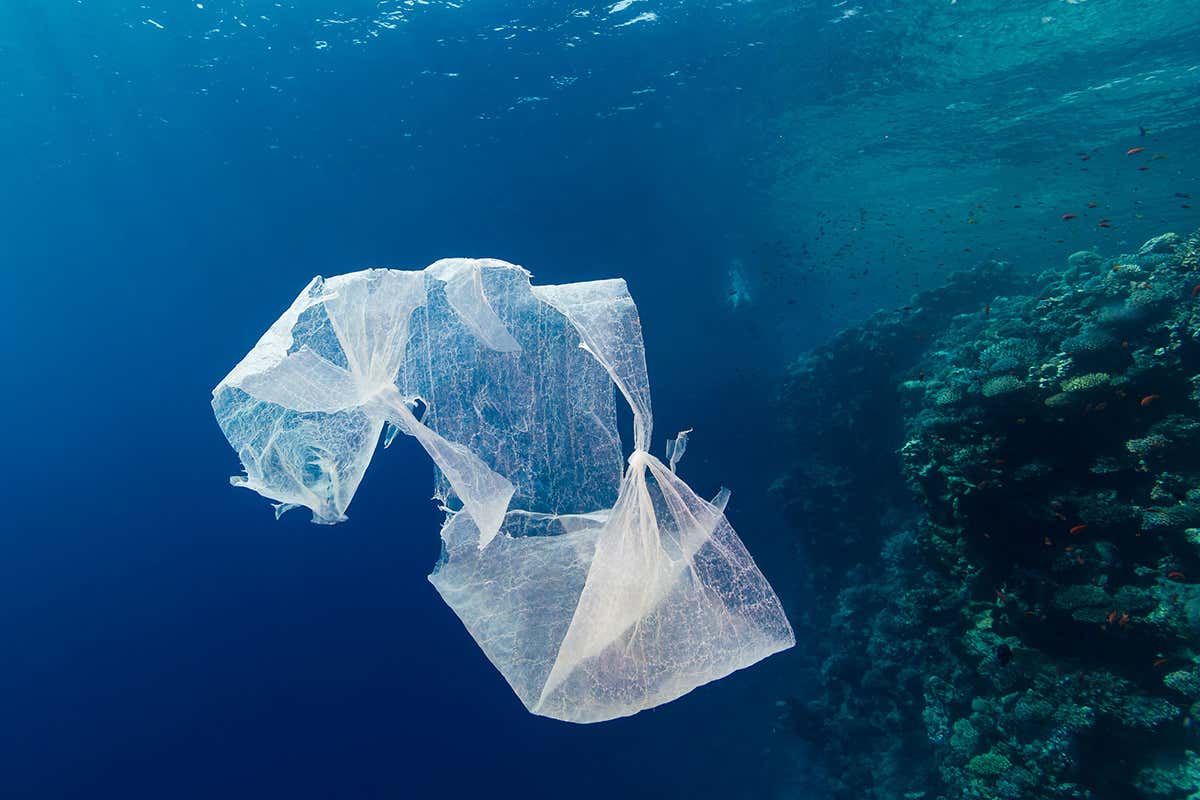
There's less plastic in the oceans than there should be

Newly-evolved microbes may be breaking down ocean plastics

25 May 2017

There is less plastic in our oceans than expected because life is evolving the ability to biodegrade it, one team is claiming  


Sign up to our weekly newsletter

Receive a weekly dose of discovery in your inbox. We'll also keep you up to date with New Scientist events and special offers.

Sign up
Piano Exit Overlay Banner Mobile Piano Exit Overlay Banner Desktop