Subscribe now
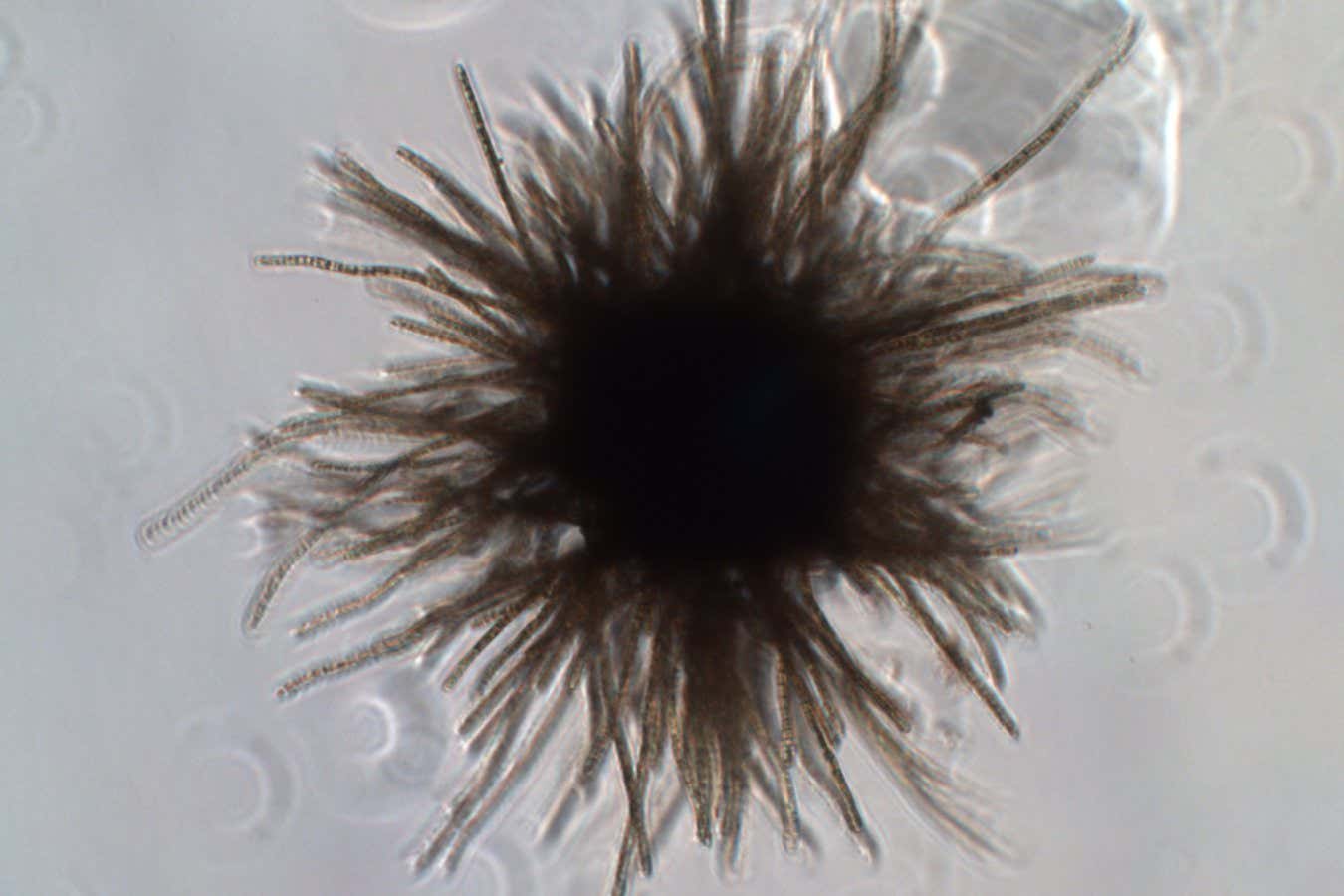
Trichodesmium thiebautii (light micrograph) Trichodesmium thiebautii is a cyanobacterium, or blue-green alga, that forms colonies of cells. In high concentrations, they create golden-brown surface mats, often referred to ?sea sawdust,? in the Gulf of Mexico. These large concentrations, called blooms, are sometimes associated with fish kills and can cause dermatitis or ?swimmer?s itch? when handled or contacted. When blooms die and decay, they can discolor the water pink to red. Toxin production by this species is being investigated. https://www.flickr.com/photos/myfwc/8678780050

Ocean-fertilising bacteria work together to adapt to light levels

25 May 2023

Trichodesmium, a kind of cyanobacterium that is vital to ocean ecosystems, forms colonies that work together and change shape to get the light and nutrients the microbe needs to grow
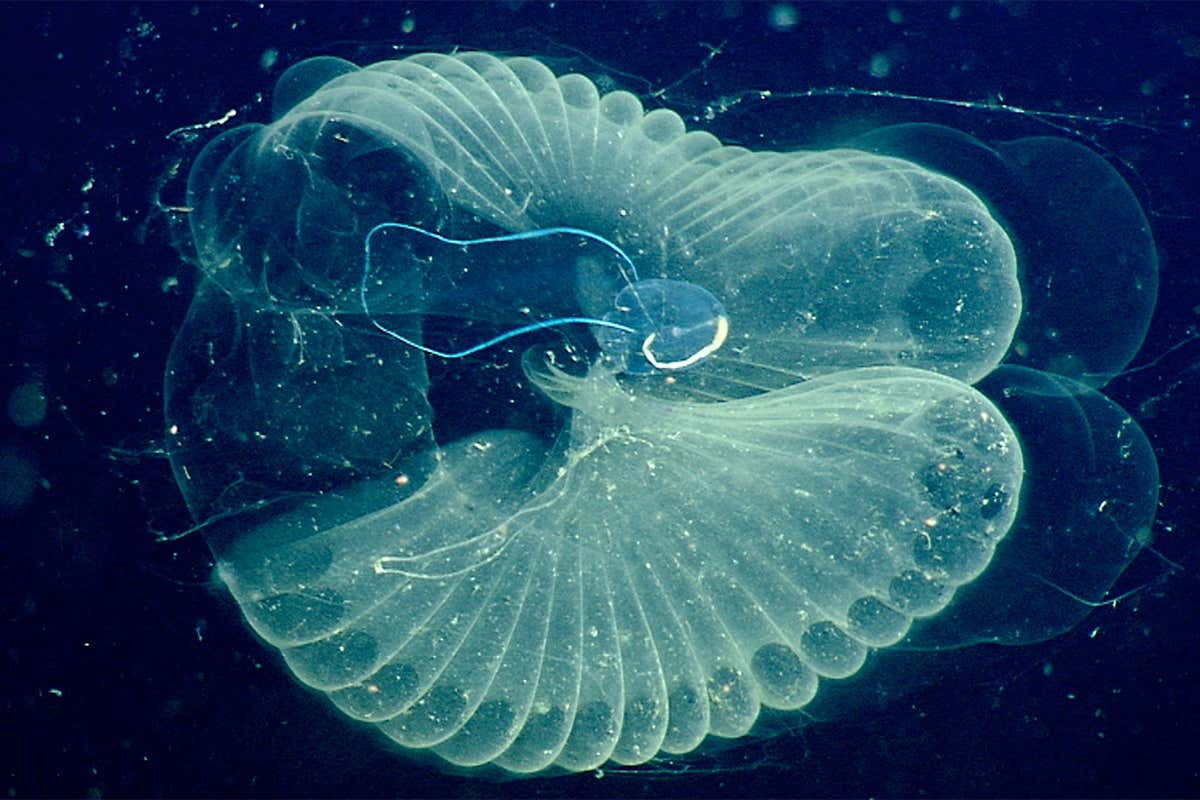
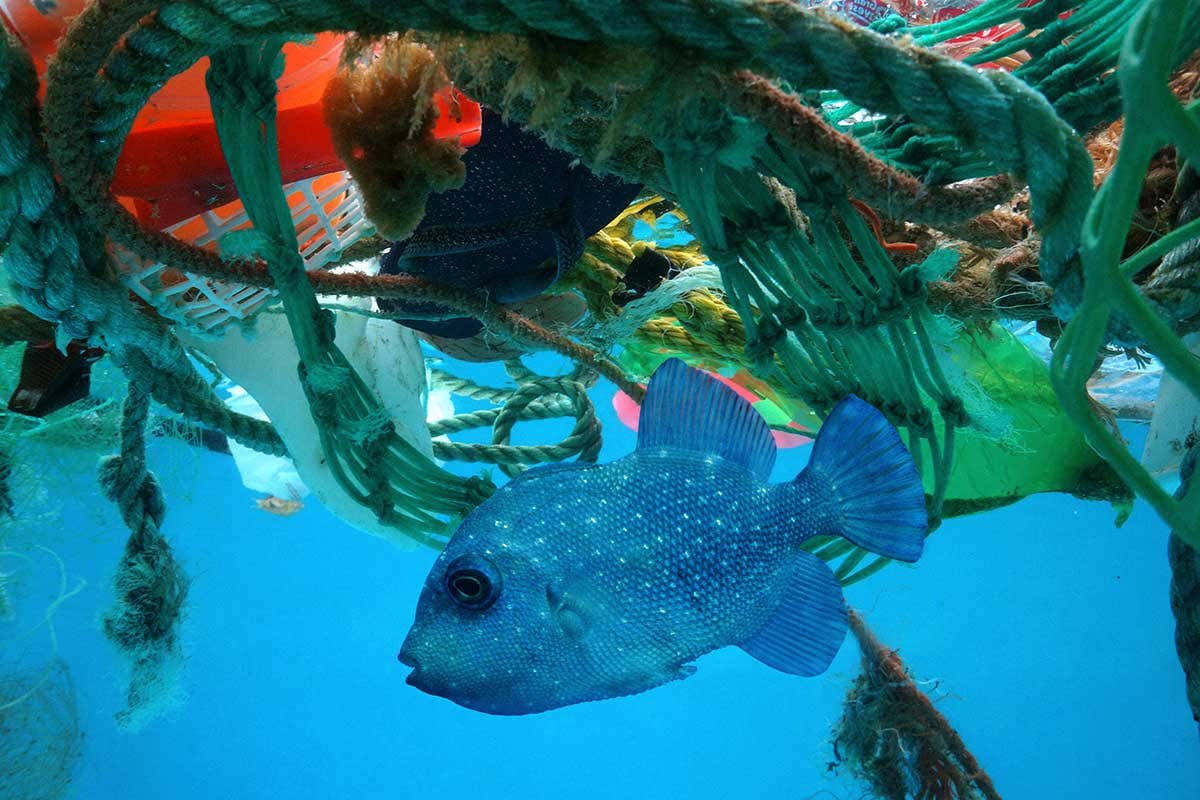
Plastic pollution found at every depth of the ocean by deep-sea survey

Plastic pollution found at every depth of the ocean by deep-sea survey

6 June 2019

A deep-sea survey has found more tiny particles of plastic far below the surface of the Pacific than floating on its surface, with the highest levels around 300 metres down


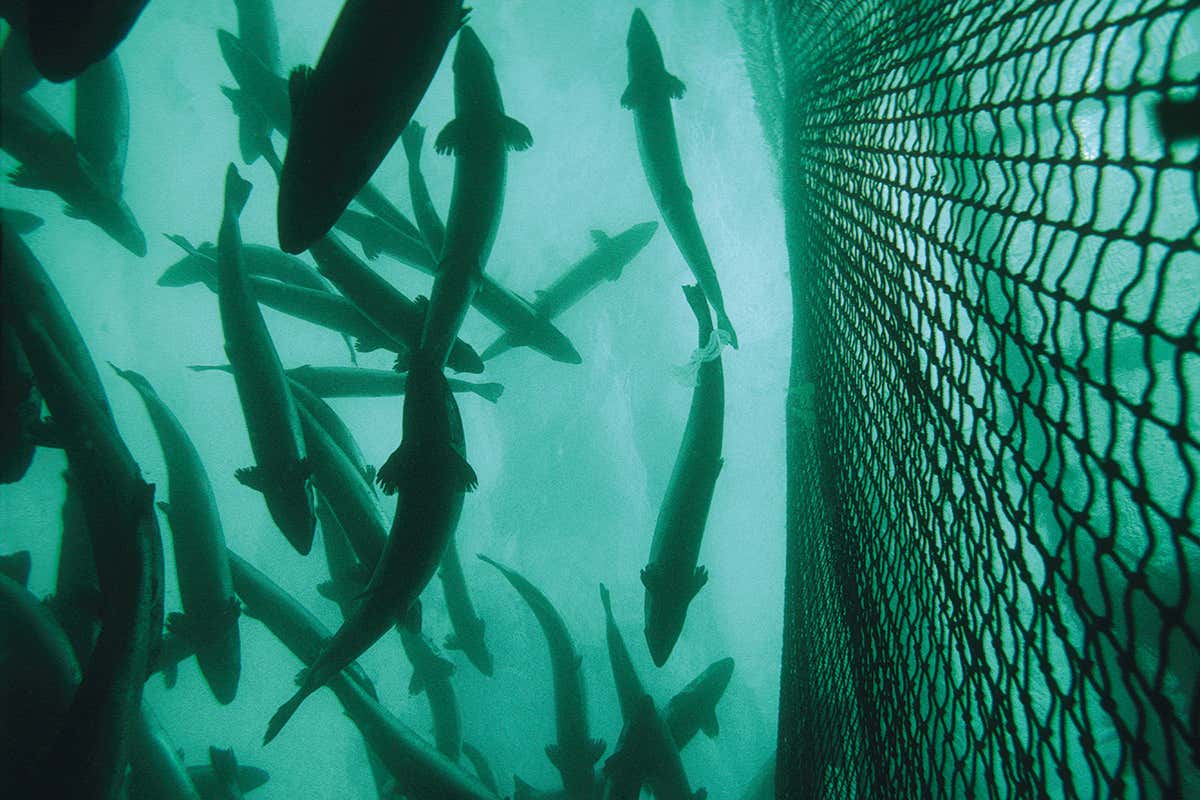
Sterile fish could help wild salmon dodge the ‘gene pollution’ effect

Sterile fish could help wild salmon dodge the ‘gene pollution’ effect

14 August 2018

Farmed Atlantic salmon make the local wild salmon population weaker. Making them sterile could work – but there’s a catch


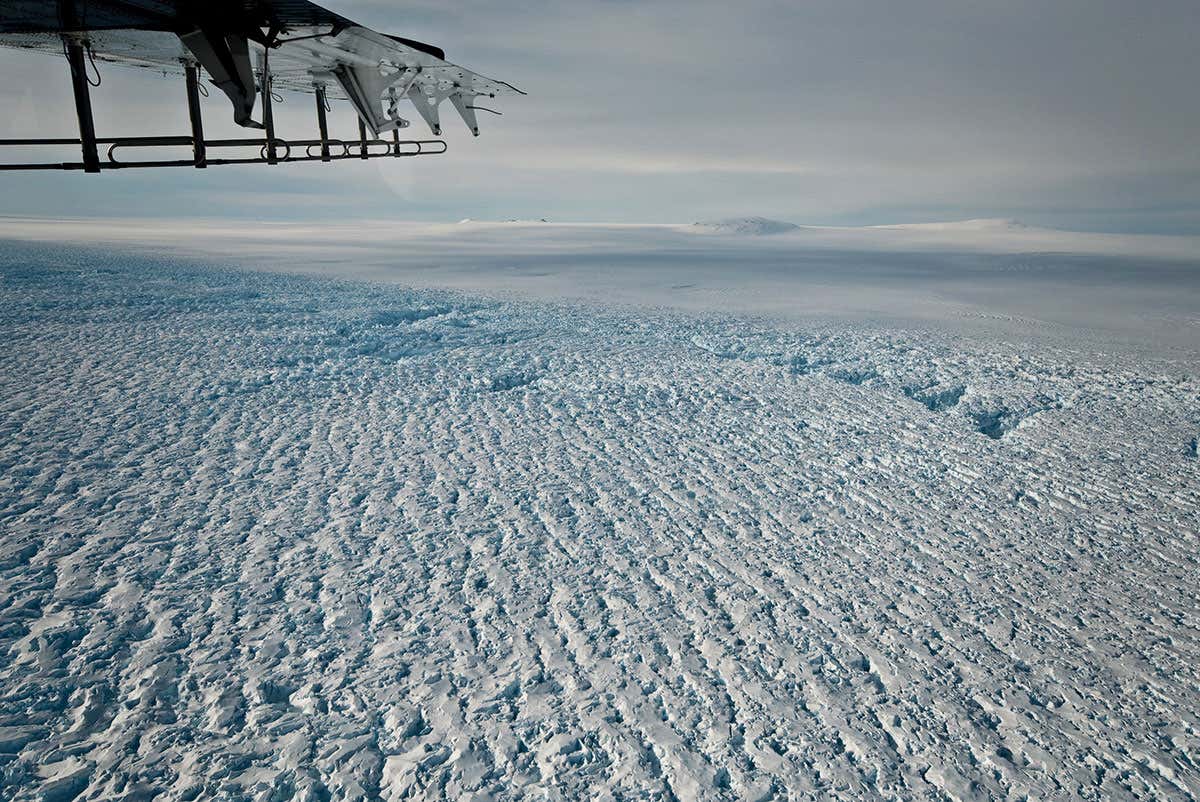
Alarm as ice loss from Antarctica triples in the past five years

Alarm as ice loss from Antarctica triples in the past five years

13 June 2018

The loss of Antarctica’s ice has been accelerating ominously since 2012, and could lead to big rises in sea level if the rate of loss keeps increasing


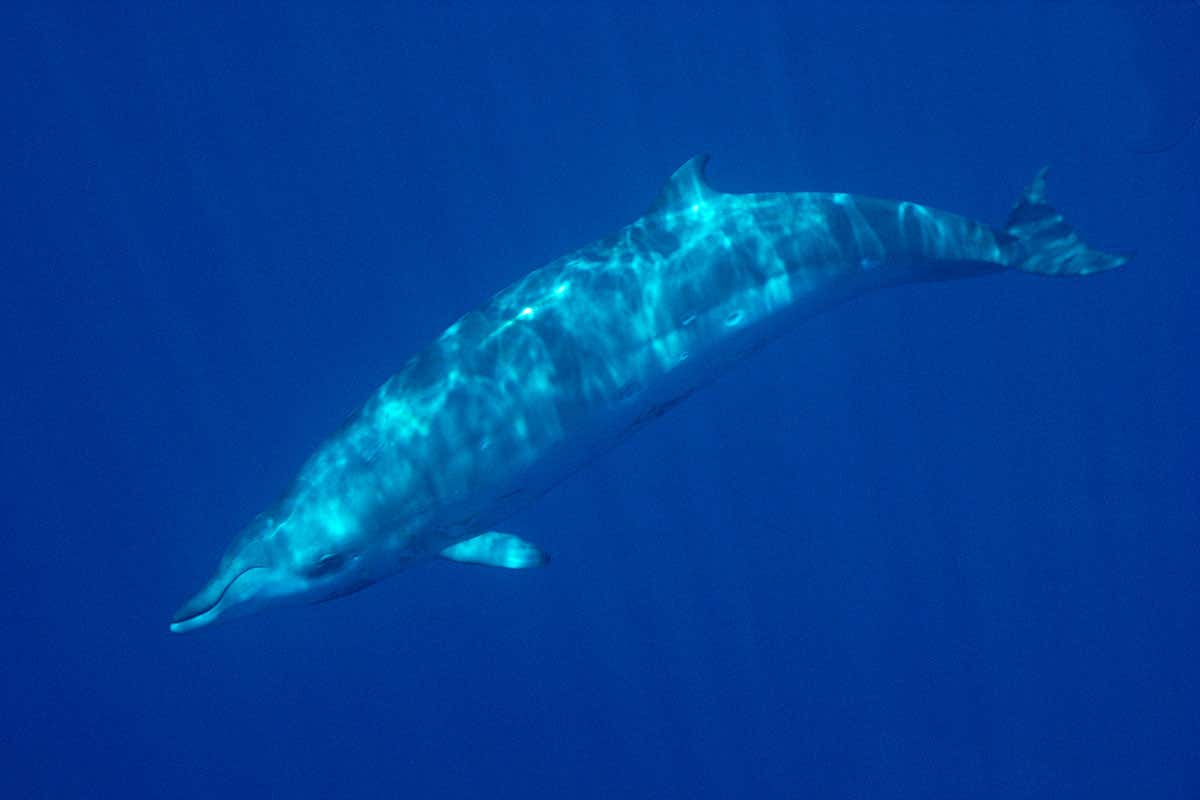
The most elusive whales reveal their secrets in their wakes

The most elusive whales reveal their secrets in their wakes

5 June 2018

We know almost nothing about the enormous beaked whales because they spend so much time deep underwater, but a new DNA technique could unmask them


Half of life on Earth has vanished since we arrived on the scene

Half of life on Earth has vanished since we arrived on the scene

21 May 2018

The biomass of living organisms on the planet has halved since human civilisation began, and humans now outweigh all wild mammals tenfold


The Great Pacific Garbage Patch is gobbling up ever more plastic

The Great Pacific Garbage Patch is gobbling up ever more plastic

22 March 2018

There's at least four times as much plastic floating in the Pacific as we thought, and a lot of it may have floated over from Japan after the 2011 Tohoku tsunami


Parts of San Francisco are sinking faster than the sea is rising

Parts of San Francisco are sinking faster than the sea is rising

7 March 2018

Rising seas are already boosting the flood risk in places like San Francisco, but the problem is even worse than that because land is also subsiding


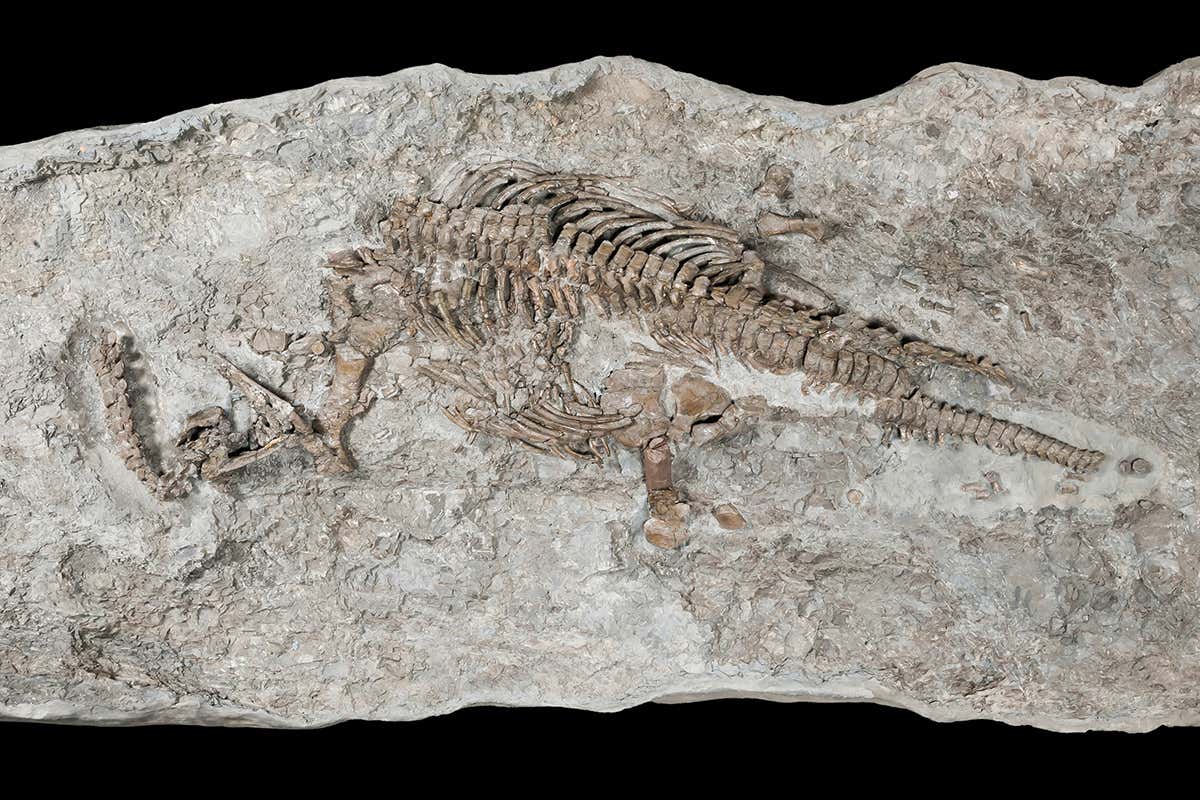
This is the oldest fossil of a plesiosaur from the dinosaur era

This is the oldest fossil of a plesiosaur from the dinosaur era

13 December 2017

A nearly complete skeleton of an early long-necked plesiosaur has been found in a clay pit in Germany, and reveals they survived a mass extinction


NY cabs in flooded lot

New York should prepare for 15-metre storm surges by 2300

23 October 2017

Due to rapidly rising seas, floods that once struck New York City every 500 years will soon hit every five years


Sign up to our weekly newsletter

Receive a weekly dose of discovery in your inbox. We'll also keep you up to date with New Scientist events and special offers.

Sign up
Piano Exit Overlay Banner Mobile Piano Exit Overlay Banner Desktop