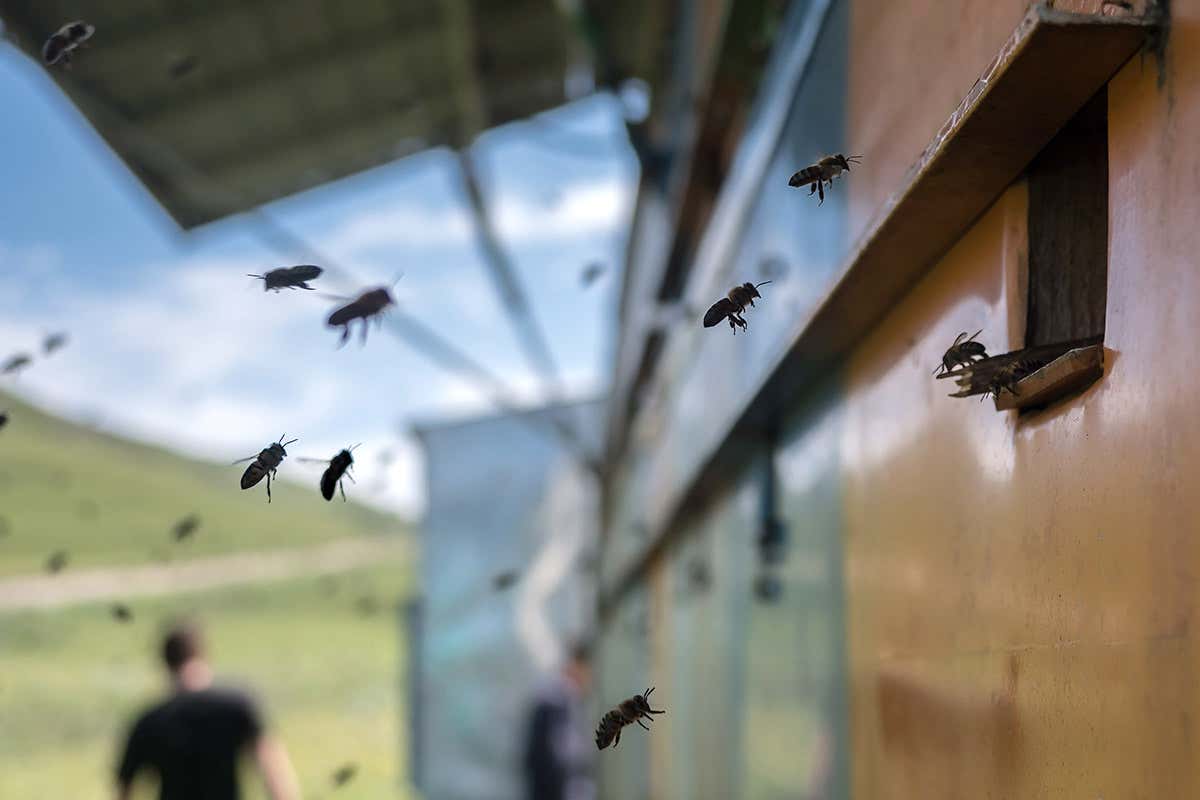
Bees prefer to turn right and it helps them decide where to live
20 February 2019
When honeybees enter an open space, they are much more likely to turn right, which might help them reach collective decisions about nest sites
20 February 2019
When honeybees enter an open space, they are much more likely to turn right, which might help them reach collective decisions about nest sites
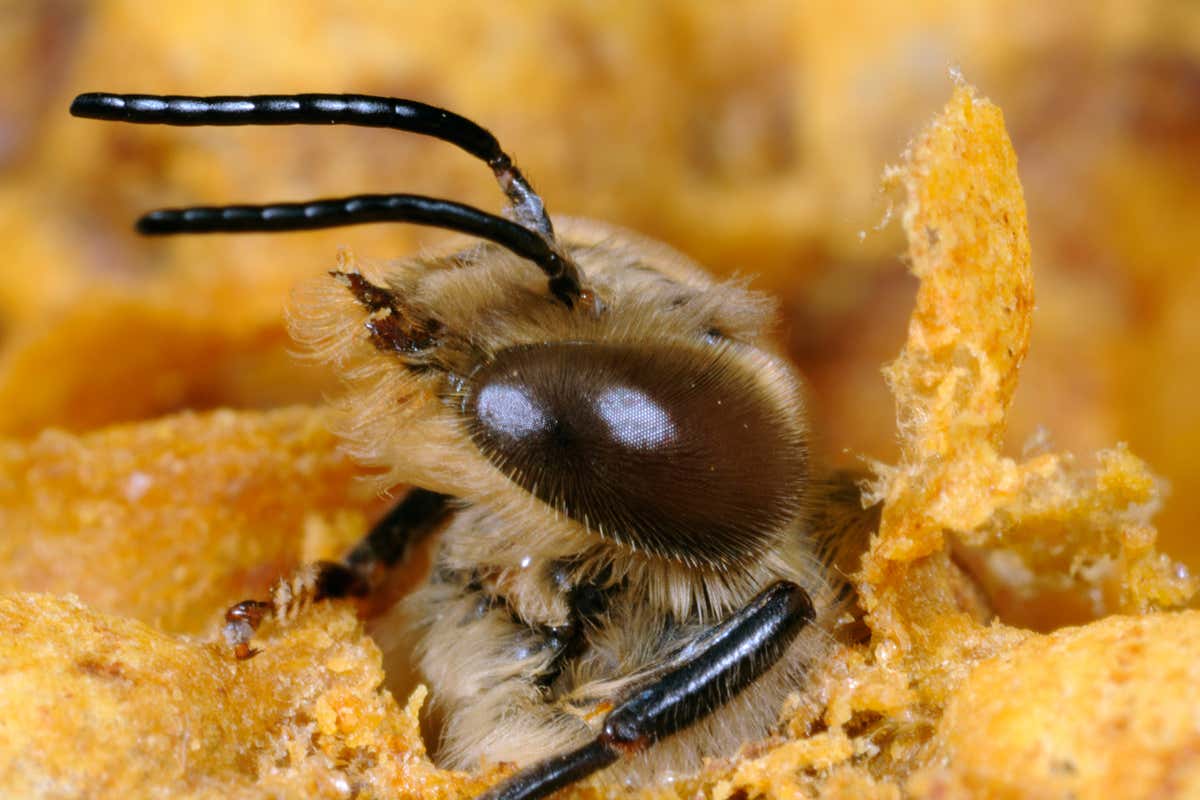
28 November 2018
The first genetic study of part-male, part-female honeybees shows these bees can have multiple fathers, but it's unclear how this happens
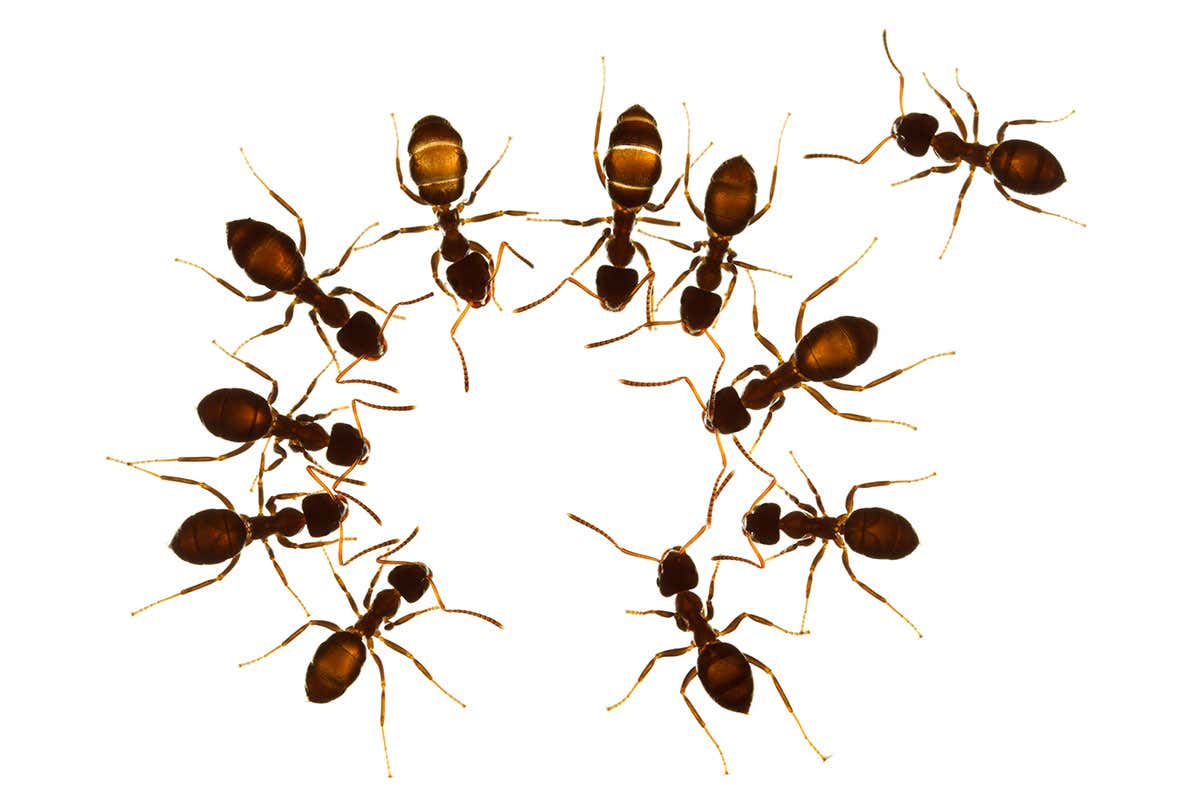
22 November 2018
Ants exposed to a potentially lethal fungal pathogen spend less time in the nest - a strategy that helps protect co-workers and the queen from becoming infected

19 November 2018
A vast network of termite tunnels and 2.5-metre-tall mounds that covers 230,000 square kilometres may be the biggest engineered structure built by an insect
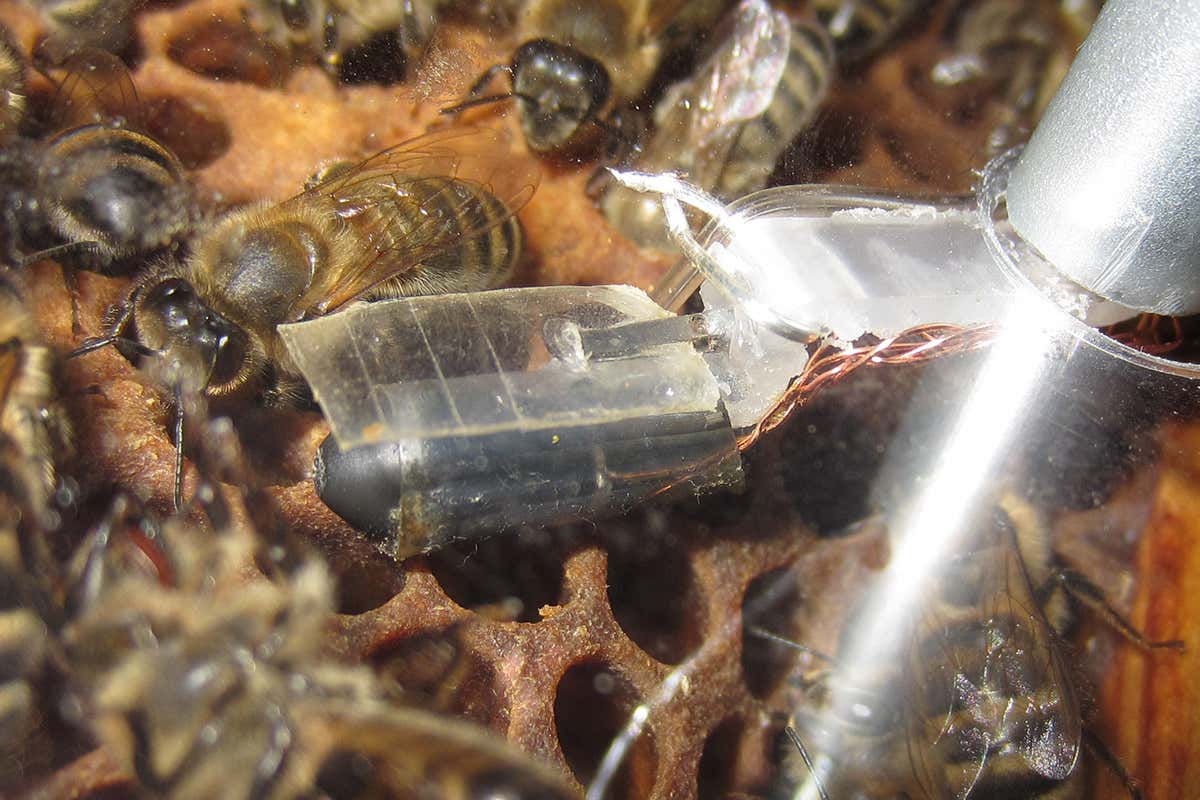
6 April 2018
A robotic bee talks to bees in their own language, but not all of them seem to pay attention
11 July 2017
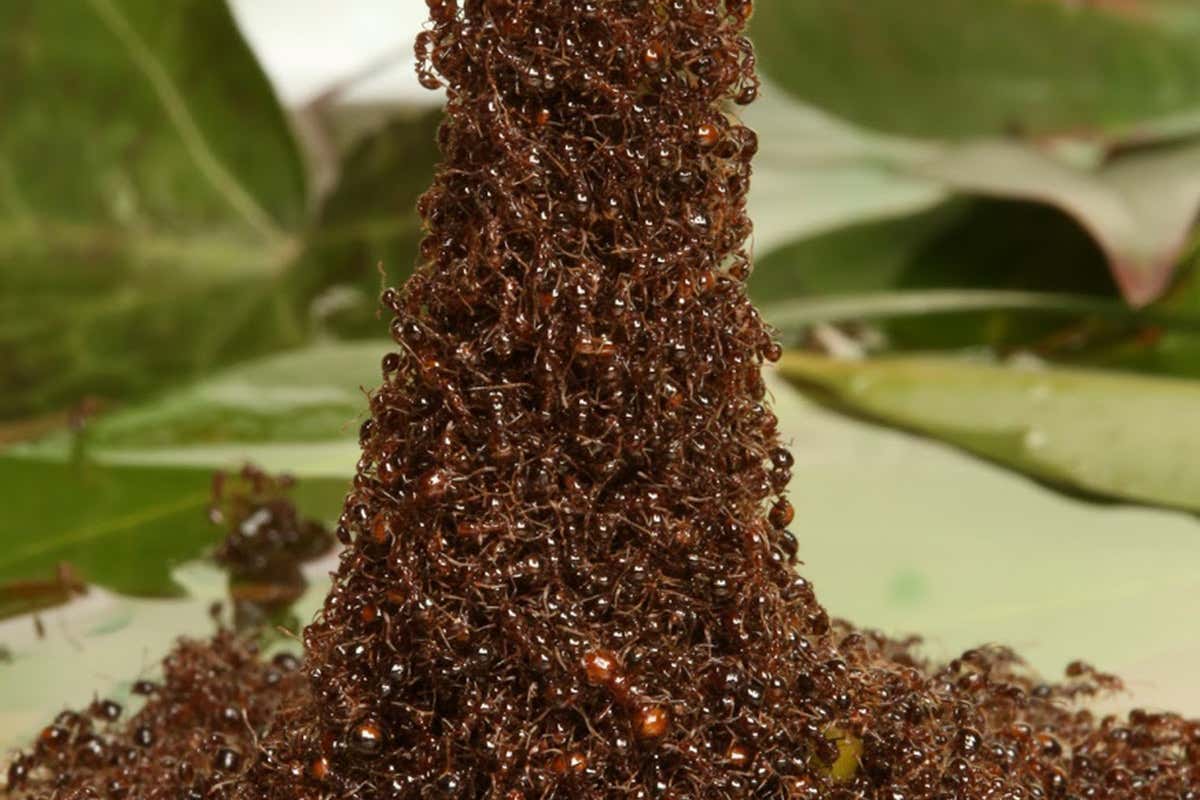
The rules that guide fire ants to make tall towers with their own bodies could be applied to miniature search-and-rescue robots
29 June 2017
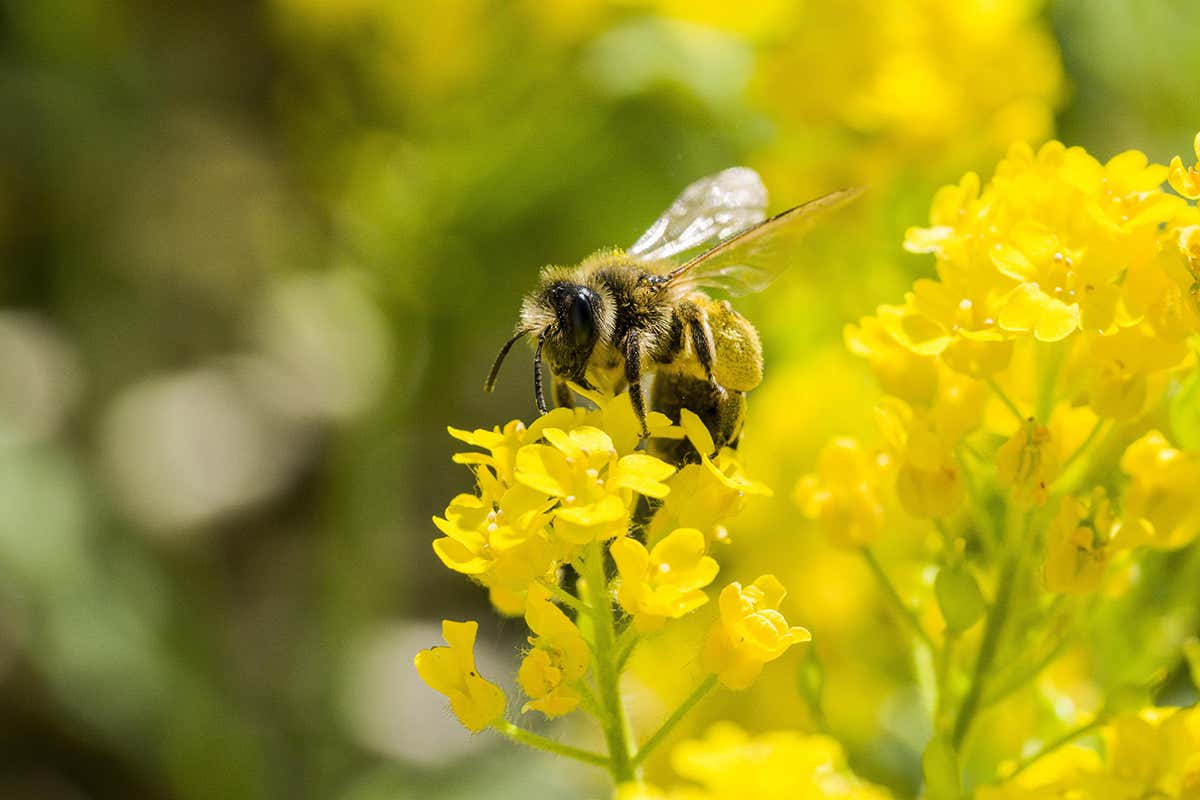
Studies in Europe and Canada show that controversial neonicotinoid insecticides have adverse effects on reproduction of honeybees and wild bees
