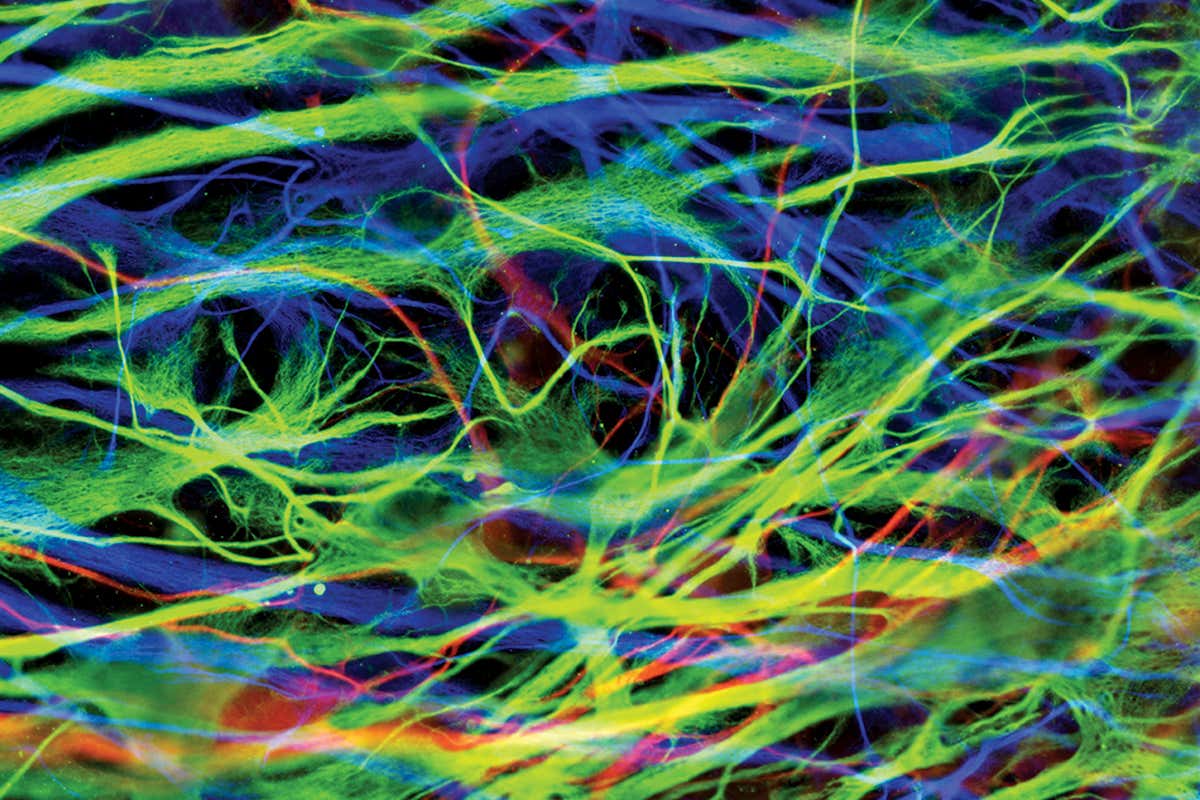
Stem cells in the brain's hypothalamus help mice stay young
26 July 2017
A cluster of brain stem cells fight ageing in mice. They may do this by releasing molecules of micro-RNA – a process that anti-ageing drugs may be able to mimic
26 July 2017
A cluster of brain stem cells fight ageing in mice. They may do this by releasing molecules of micro-RNA – a process that anti-ageing drugs may be able to mimic

26 July 2017
A review says blood screening tests are now accurate enough that gay men only need to abstain from sex for three months before giving blood

25 July 2017
It was thought that Alzheimer’s completely erases memories, but a mouse experiment suggests the condition messes with our ability to recall them instead

24 July 2017
Swarms of gold nanobots with rotating arms powered by magnetic fields could swim through the human body and deliver medicine directly where it’s needed

21 July 2017
It turns out our eardrums seem to change position in coordination with our eye movements. This may help our brains link what we see and hear
20 July 2017
President Trump wants to fund less research into diseases that affect poor countries, but an analysis suggests such research hugely benefits the US itself

20 July 2017
Some students take ADHD drugs to improve their academic performance. A trial suggests Adderall can work in this way, but it’s largely due to the placebo effect
19 July 2017
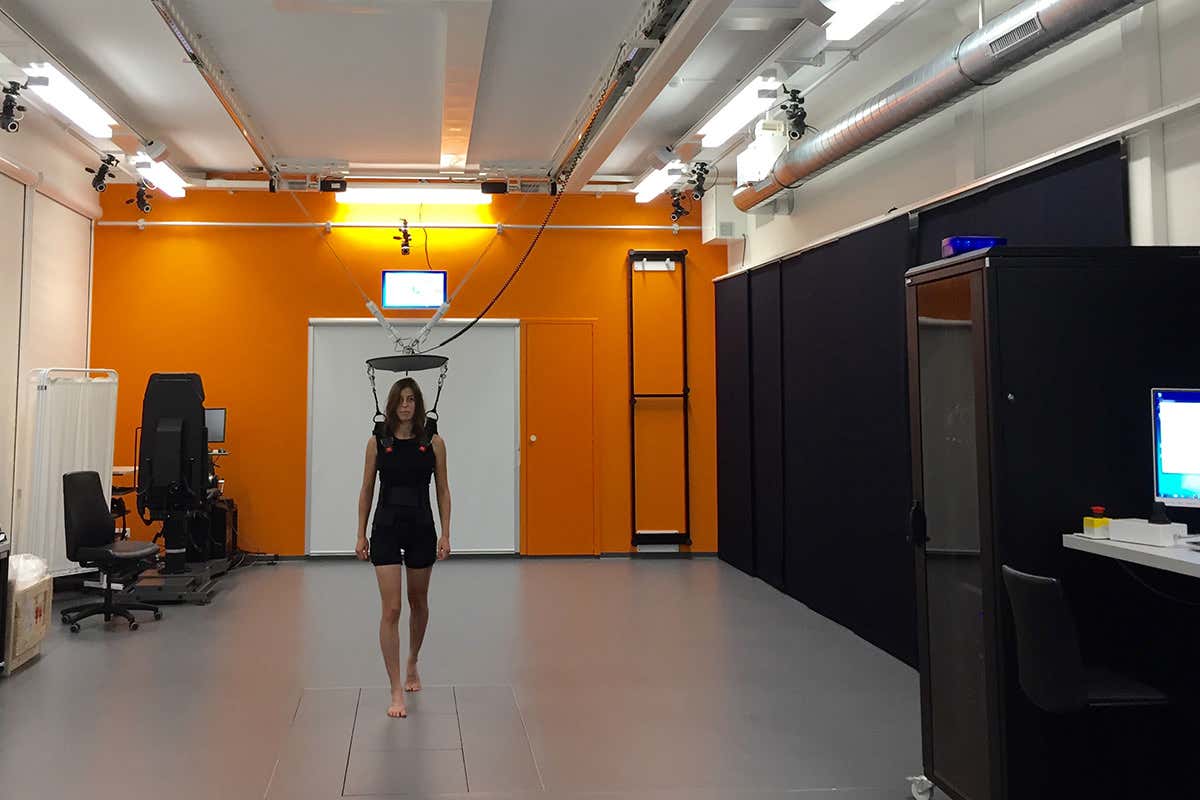
A robotic harness controlled by a neural network can adjust a person’s balance and muscle activity to help them walk normally after a spinal injury or stroke
19 July 2017
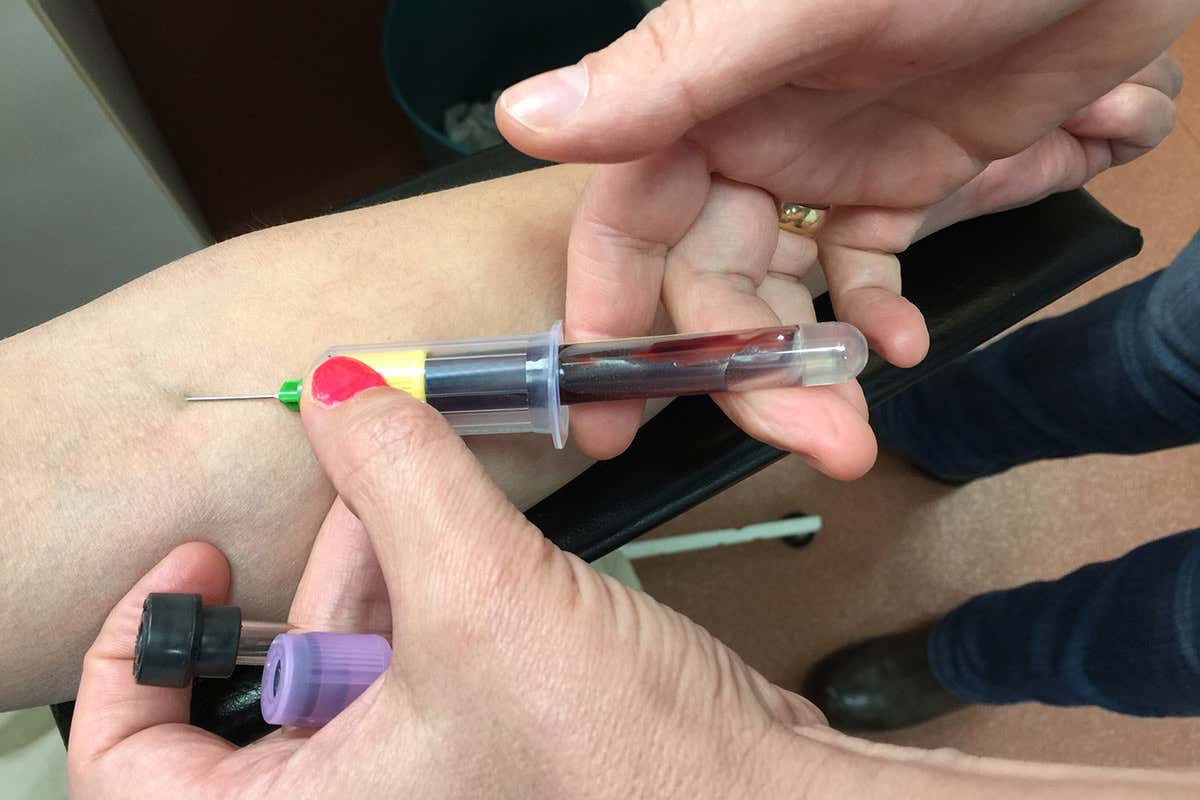
Sticky plaques start forming in the brain 15 years before Alzheimer’s disease develops. A simple blood test may identify those at risk years in advance
