
60 Seconds
6 December 2017
Elon Musk's hot wheels, New York City rats don't mix, cats on the blockchain, and more
6 December 2017
Elon Musk's hot wheels, New York City rats don't mix, cats on the blockchain, and more
6 December 2017
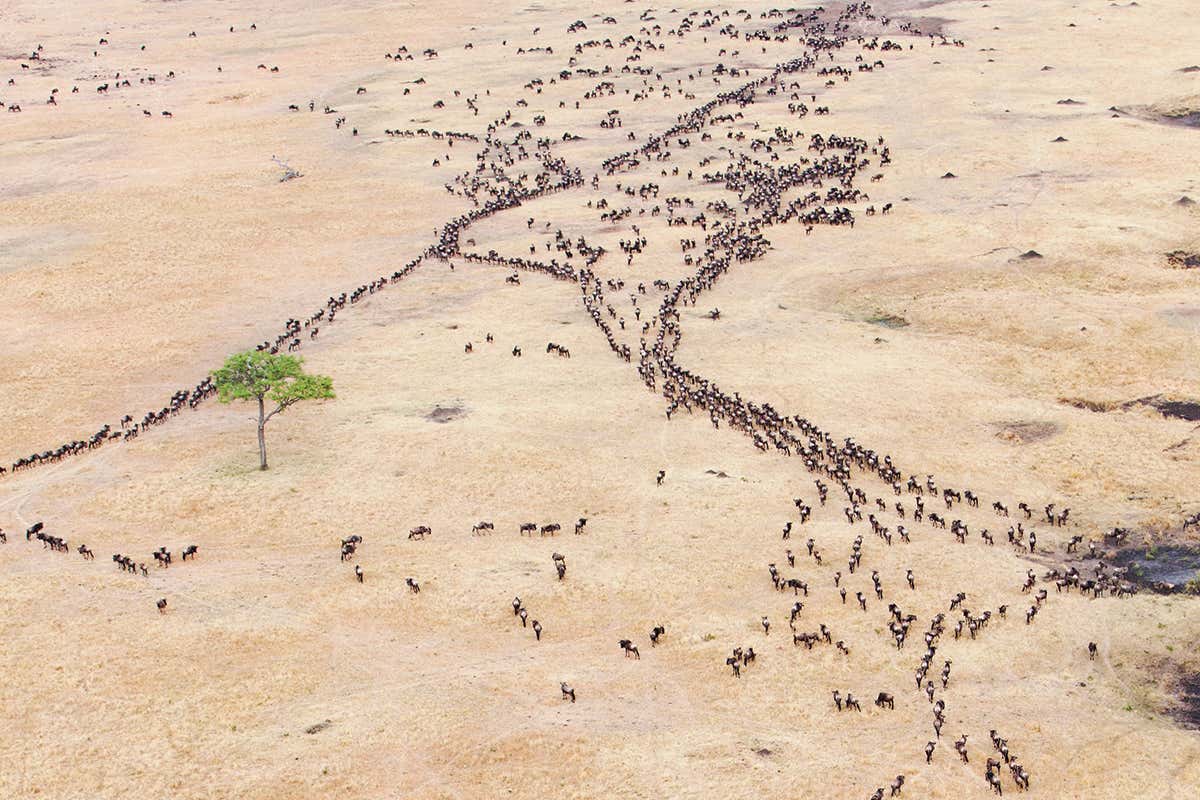
Many of Africa's savannahs are emptying of wildlife as cattle fences kill its charismatic fauna. But we are finding ways to save them
6 December 2017
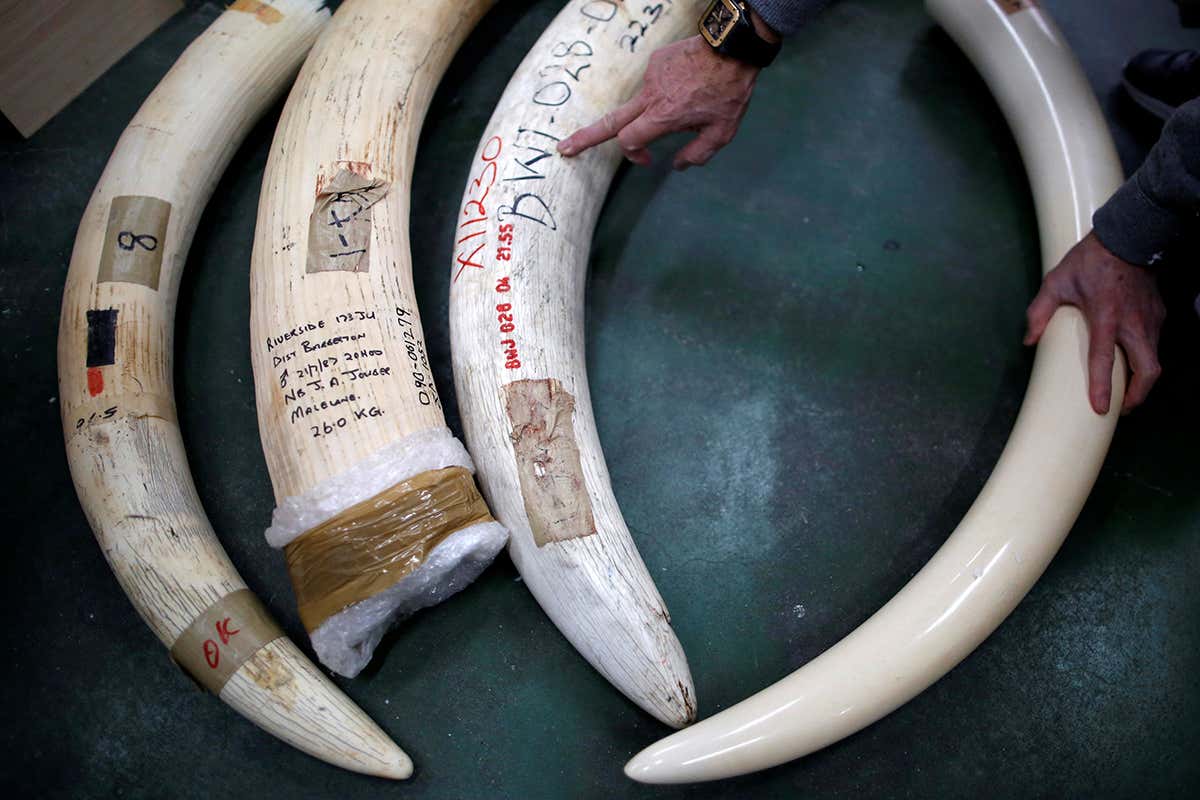
Even though other countries are clamping down on illegal ivory, the unconstrained trade in Japan may offer loopholes for criminals to keep selling ivory – fuelling elephant poaching
5 December 2017
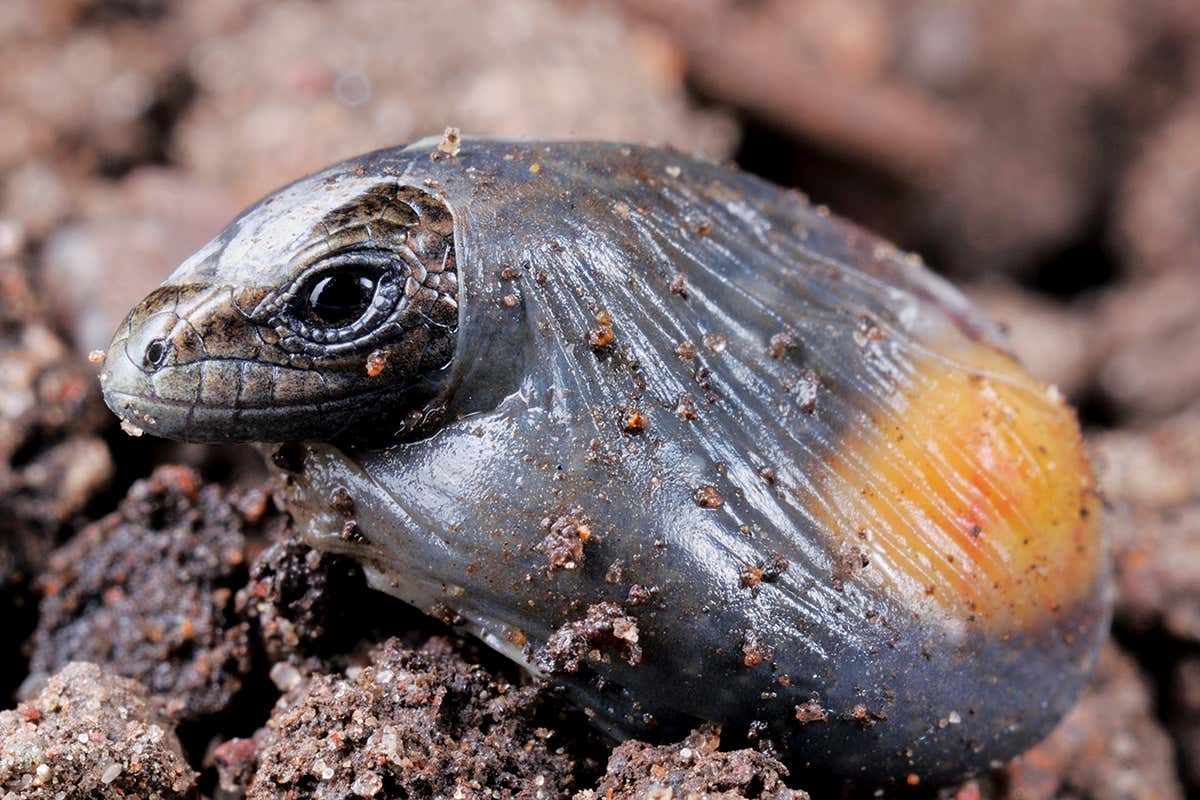
It’s an evolutionary U-turn: a group of egg-laying lizards evolved from live-bearing ancestors, which are in turn descended from even older egg-layers
5 December 2017
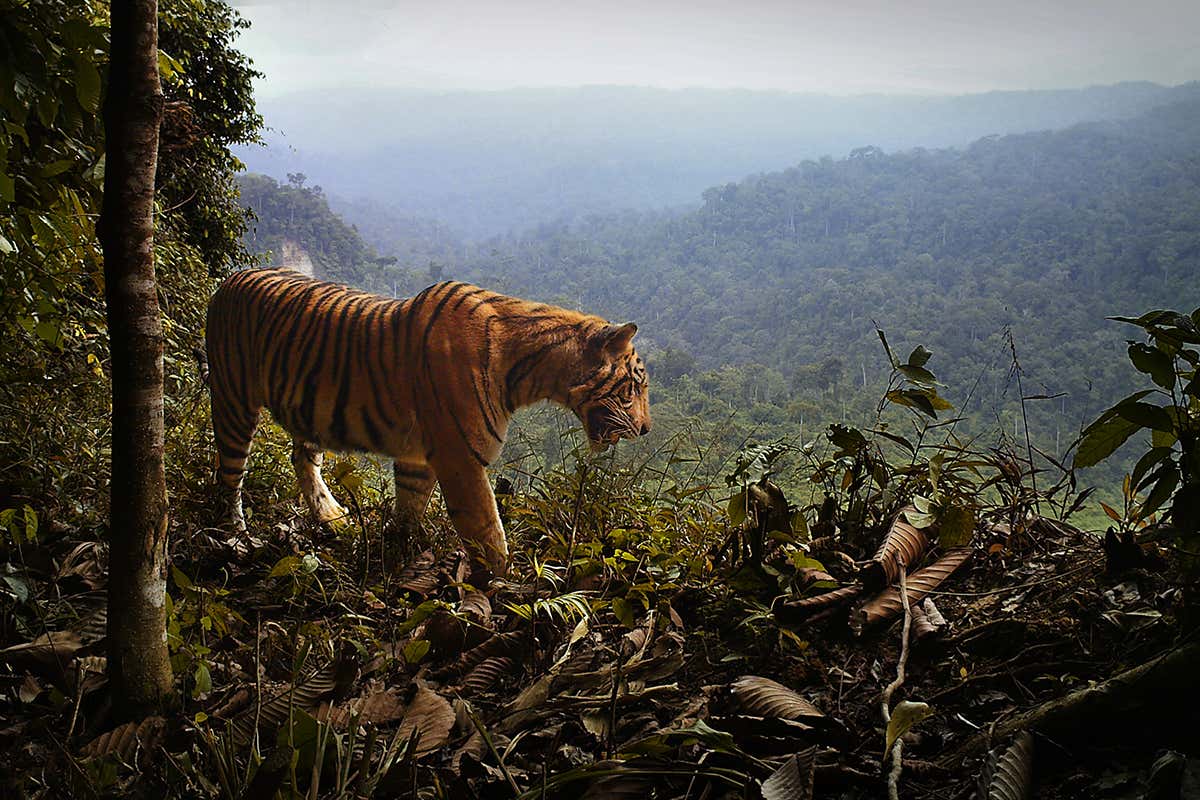
There are now only two viable populations of Sumatran tigers left in the wild, so if the cats are to be saved those areas have to be protected
4 December 2017
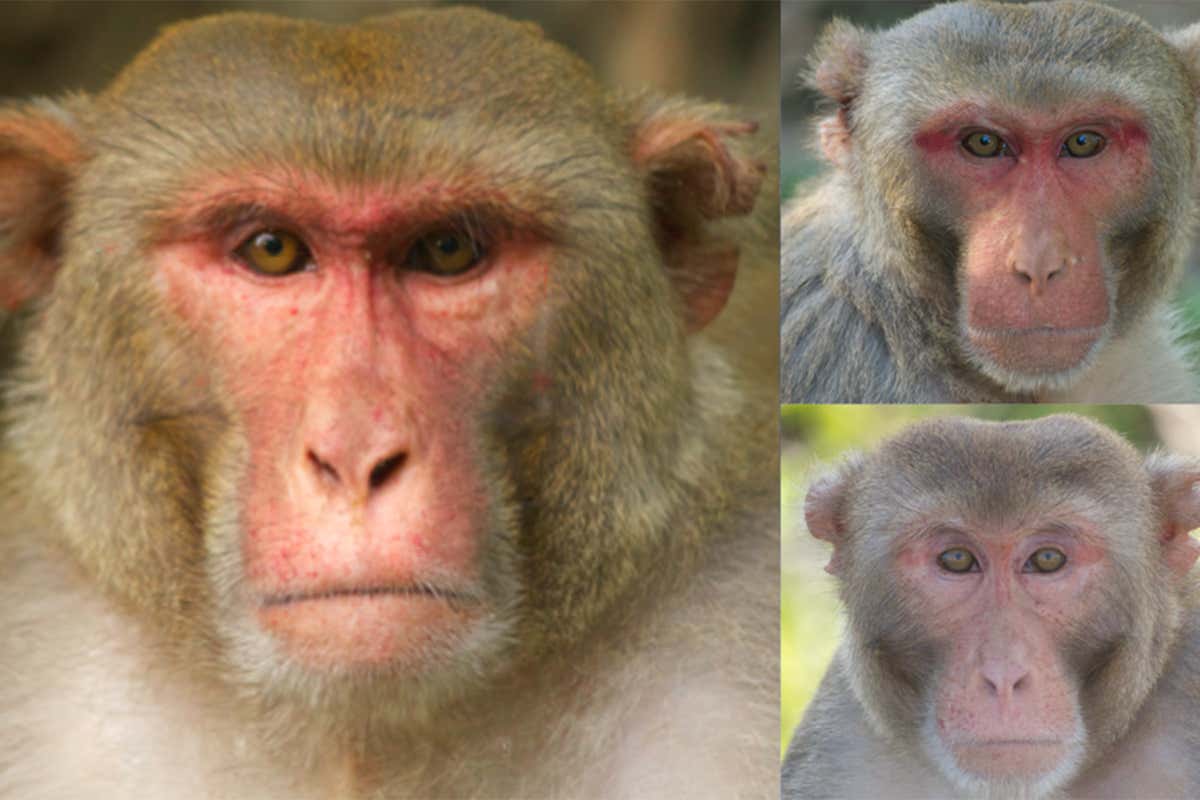
Female monkeys spend more time staring at males that have highly masculine facial features, but we don’t know if they fancy them or fear them
1 December 2017
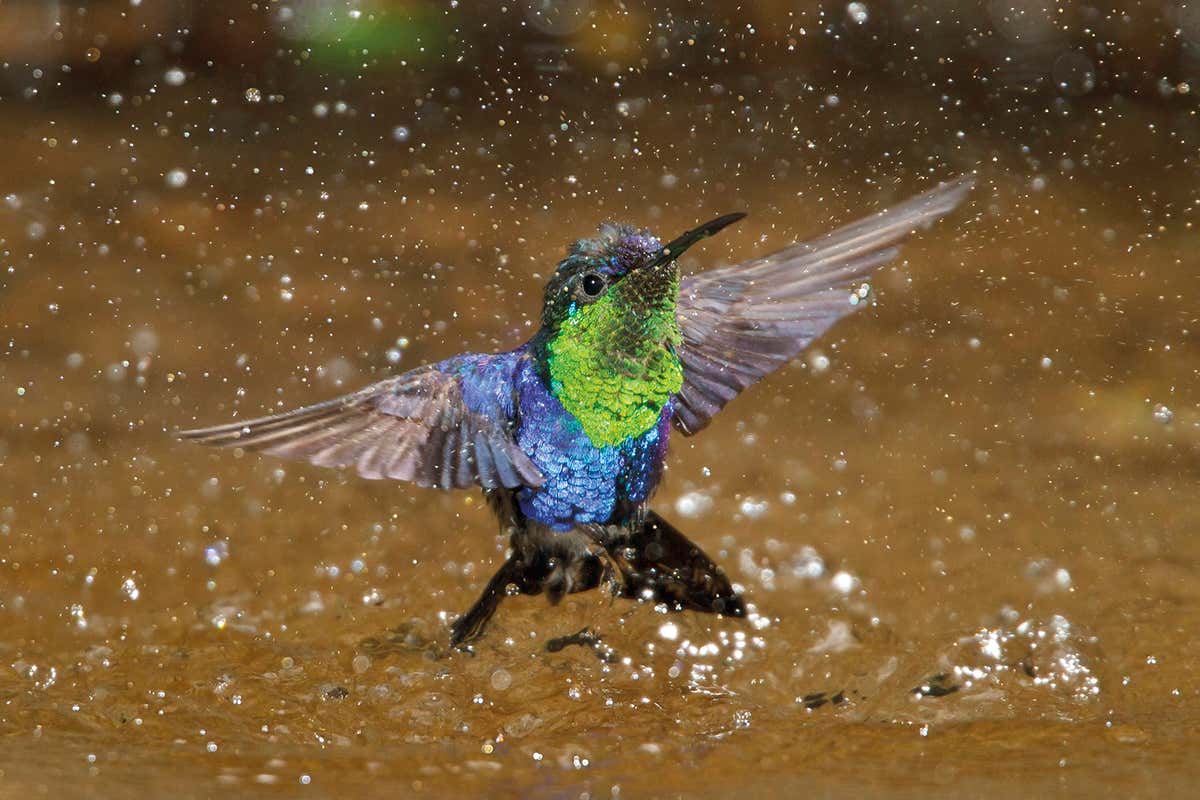
Birds that hover in front of flowers have huge hearts to power their energy-intensive flight, and even birds that glide effortlessly need fairly big hearts to keep it up
30 November 2017
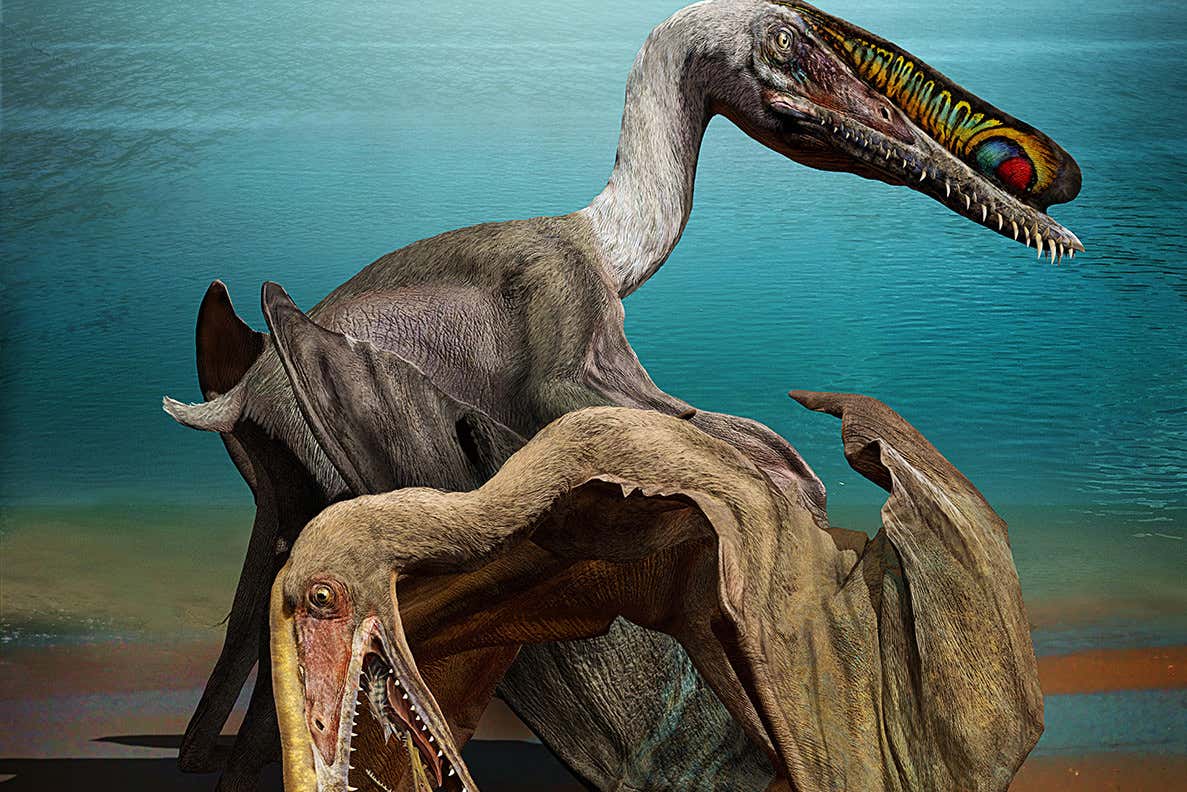
Over 200 pterosaur eggs have been found at a site in China, the largest such discovery on record, and the embryos inside reveal what newly-hatched pterosaurs were like

30 November 2017
History tells us that earthly contamination is by far the most likely explanation for “extraterrestrial” bacteria found on the ISS hull, says Geraint Lewis
