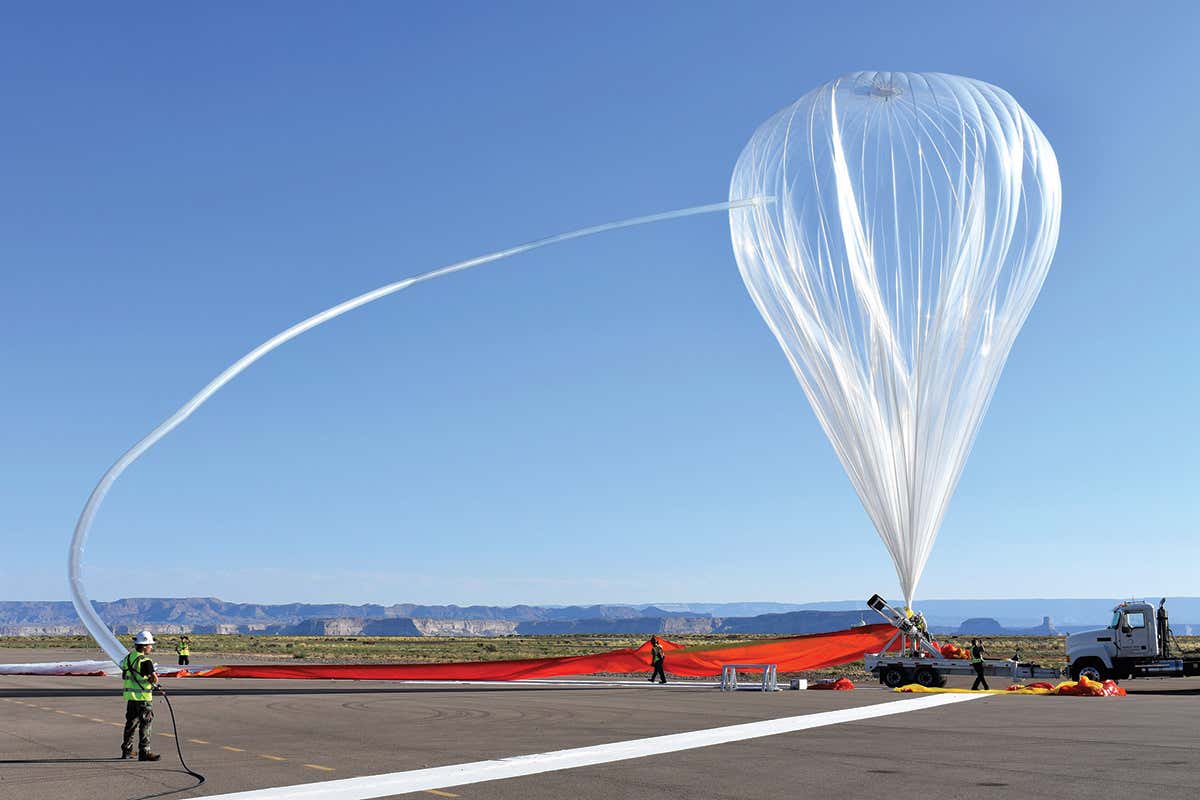
Spy balloons flying 40km up track drug smugglers on the ground
24 January 2018
The US military are testing uncrewed balloons filled with helium that can keep watch over a small area by catching different winds in the stratosphere
24 January 2018
The US military are testing uncrewed balloons filled with helium that can keep watch over a small area by catching different winds in the stratosphere
24 January 2018
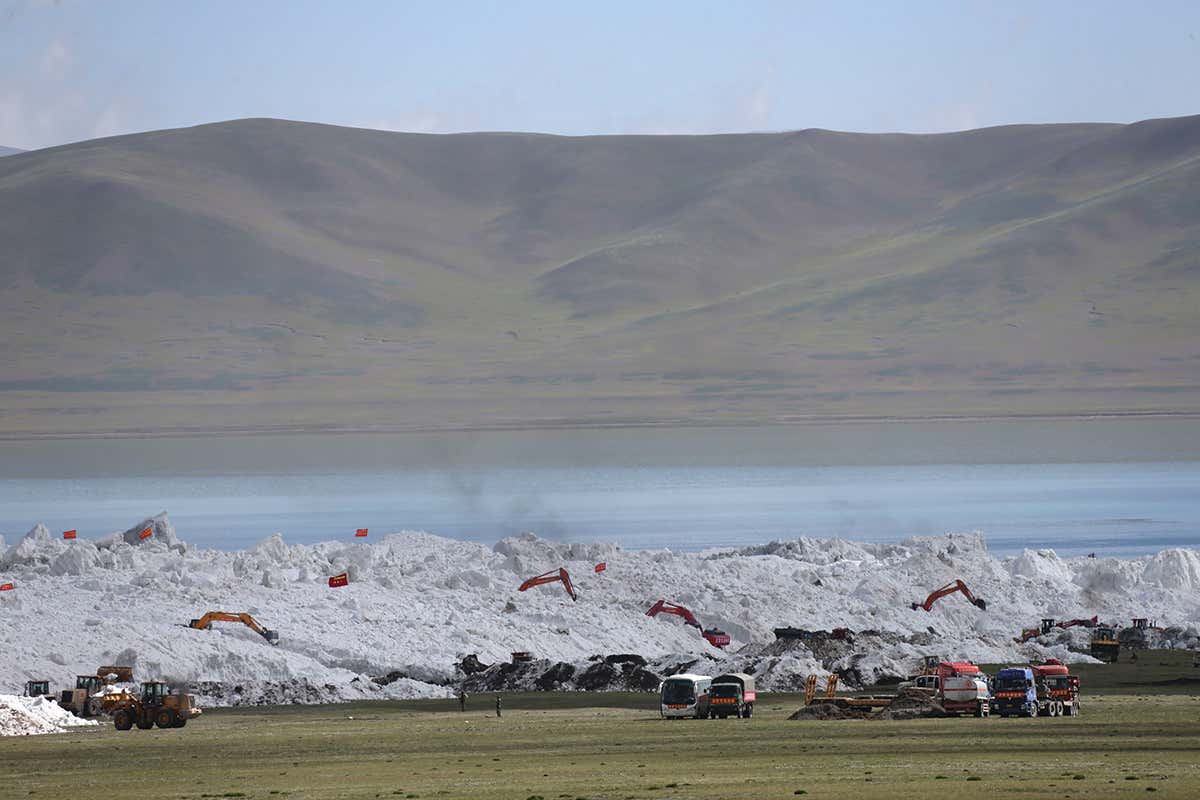
In 2016, a pair of glaciers suddenly collapsed and sent huge chunks of ice hurtling downhill. The events suggest such disasters are more common than we thought
24 January 2018
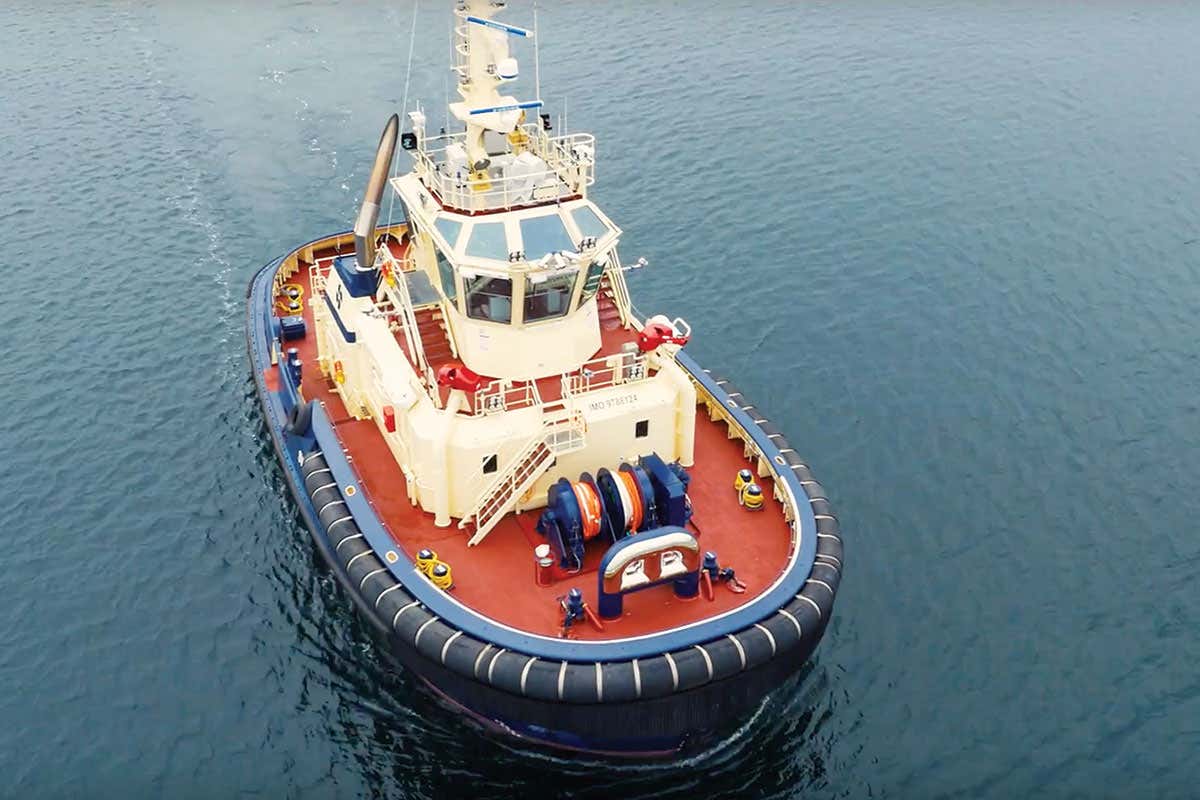
Shipping accidents kill hundreds every year, and are mostly caused by human error. But the first driverless ships are now being piloted

24 January 2018
About 100 giant ships carrying metal ores sank in the last decade, often in calm seas – a frightening stat that goes to the heart of an industry hitting the rocks

24 January 2018
Why does a bee only visit one type of flower at a time? It seems such a waste of energy.
24 January 2018
Last year, we had a Christmas pudding that was two years old and it was superb, whereas a one-year-old pudding wasn't nearly as tasty. I read that a supermarket won an award for its two-year-matured puddings. So, what happens over two years to bring...
24 January 2018
Rubbish collection seems complicated these days. Where I live, I use five different bins and the collections are fortnightly. Unlike many people I observe, I squash things like aluminium cans and plastic milk bottles. It seems logical and reduces the...
24 January 2018
How small would something need to be for the gravitational field of a human to significantly affect it? At what point would something be attracted to someone or able to establish an orbit? (Continued)
24 January 2018
How much lead was used in the manufacture of leaded petrol before it was banned, and where is that lead now?
24 January 2018
I've watched TV documentaries that show people's pets receiving chemotherapy. It doesn't seem to cause them to lose their fur or hair, unlike humans. Why?
