
Wild populations of animals have crashed by 60 per cent
31 October 2018
The world's wild vertebrate species have seen population decline drastically since 1970, according to the World Wide Fund for Nature
31 October 2018
The world's wild vertebrate species have seen population decline drastically since 1970, according to the World Wide Fund for Nature
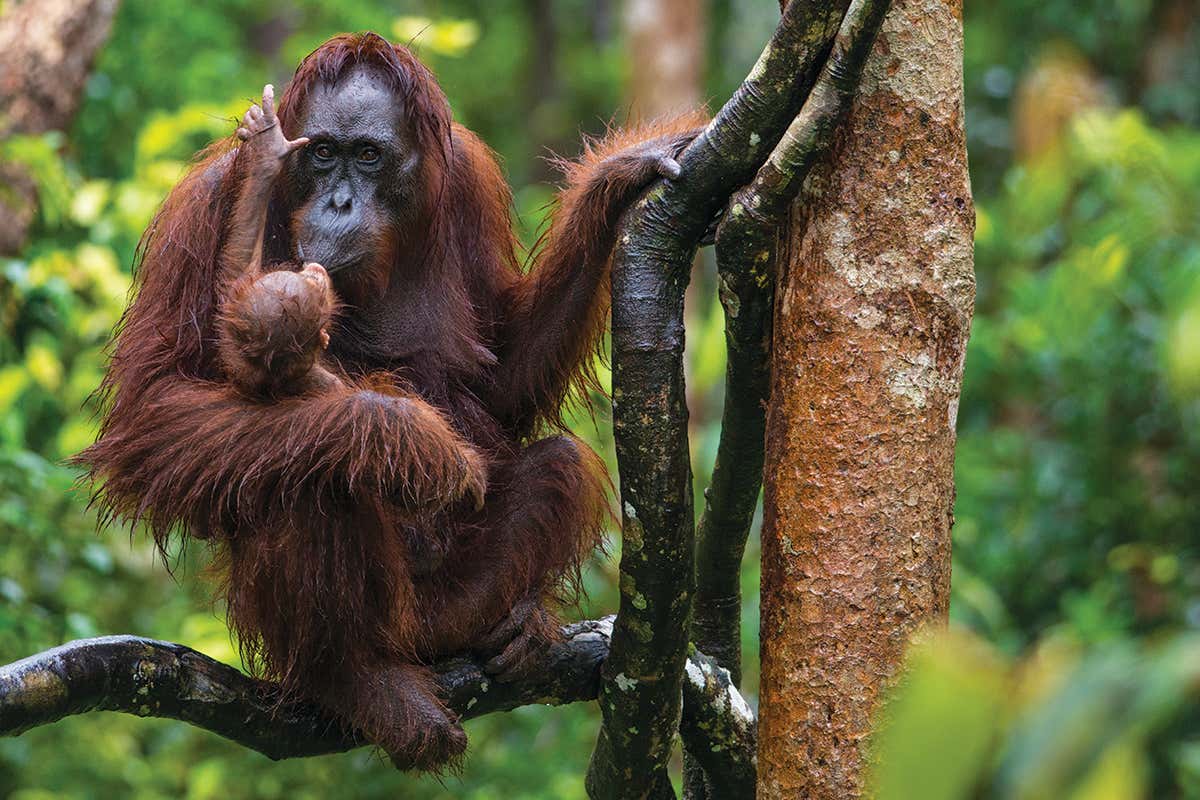
30 October 2018
Over 90 per cent of orangutans survive childhood long enough to have their first baby, a feat human societies only achieved in the 1900s
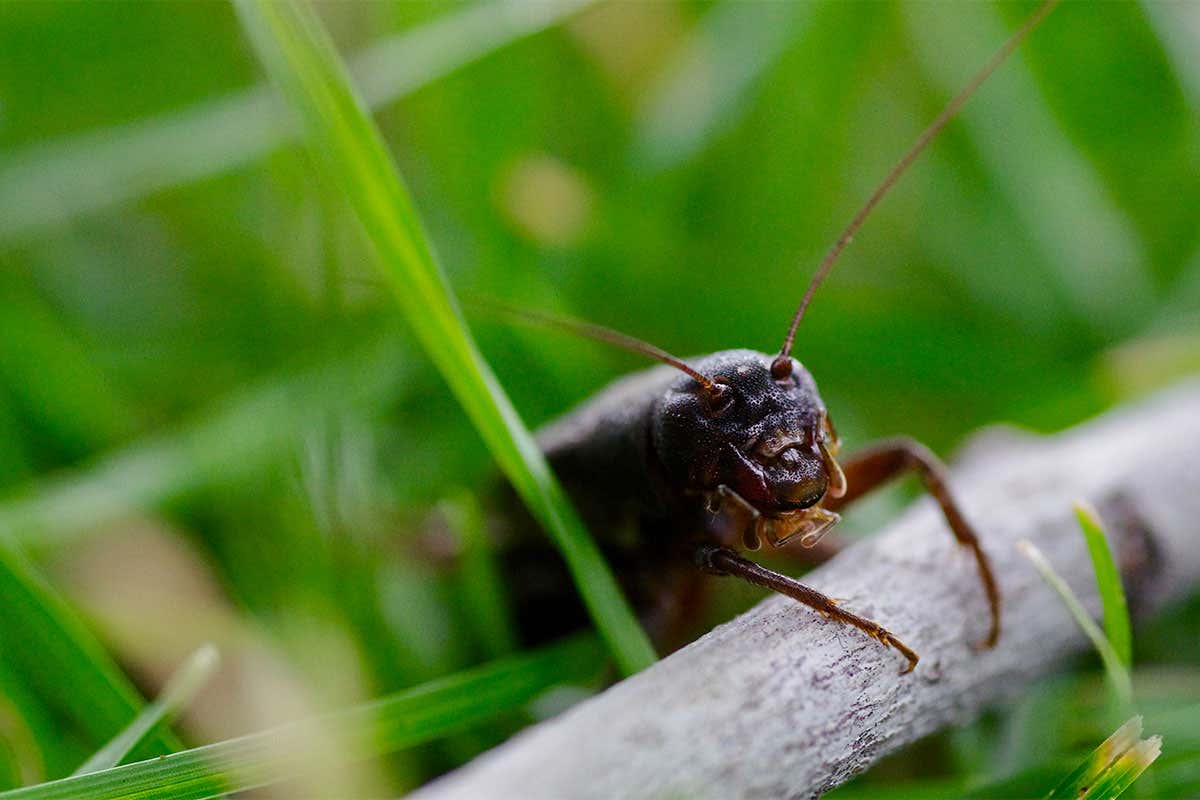
29 October 2018
In Hawaii, parasitic flies target singing crickets, forcing them to rapidly evolve to escape detection. Now some males have developed a special, seductive purr
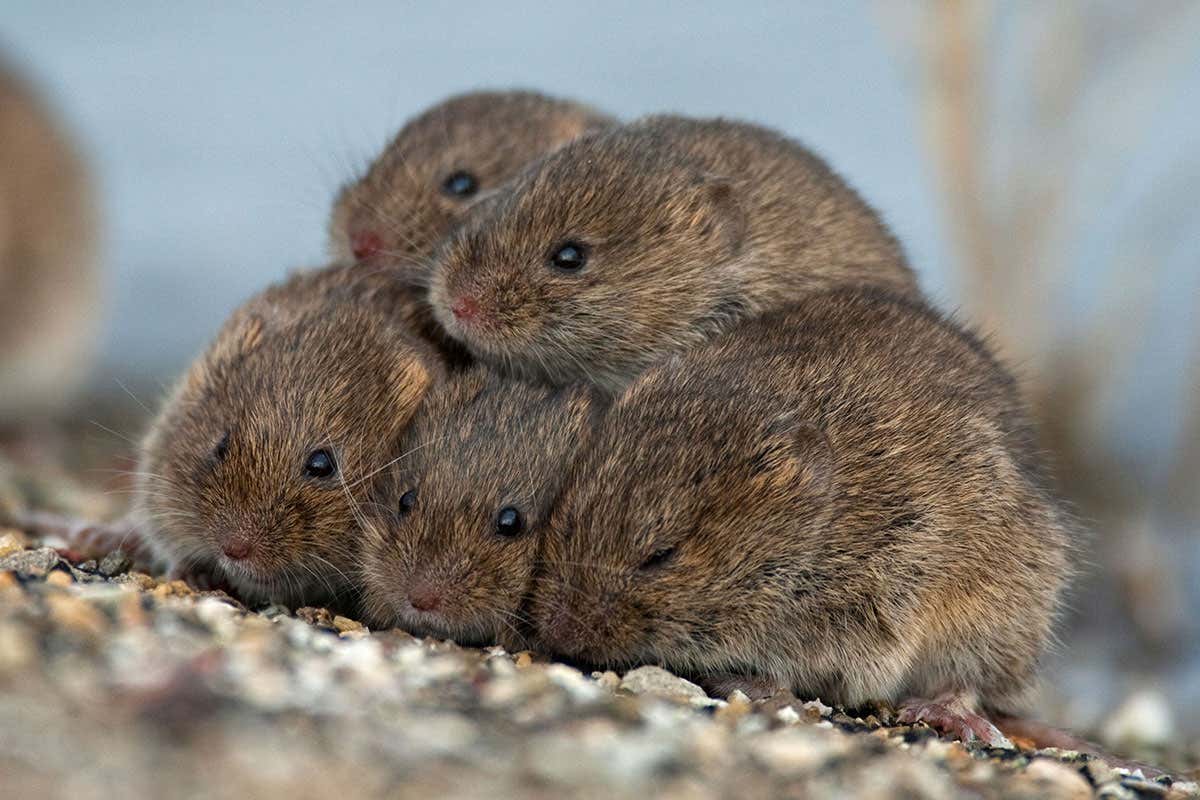
28 October 2018
When animals huddle together in the cold their gut bacteria change in a way that slows down the animals’ metabolisms and helps them preserve energy
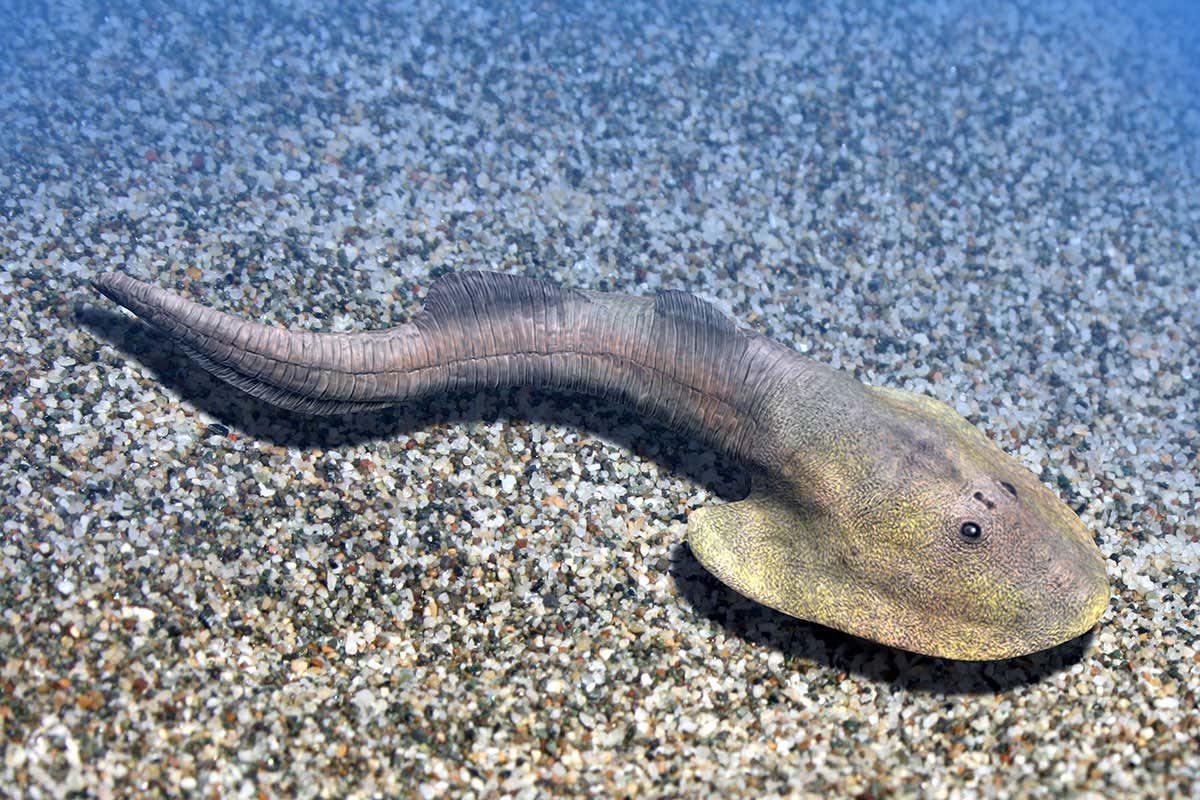
25 October 2018
Backbones helped vertebrates conquer the oceans and move onto land. Now a study hints they may have evolved as protection against strong waves in shallow waters
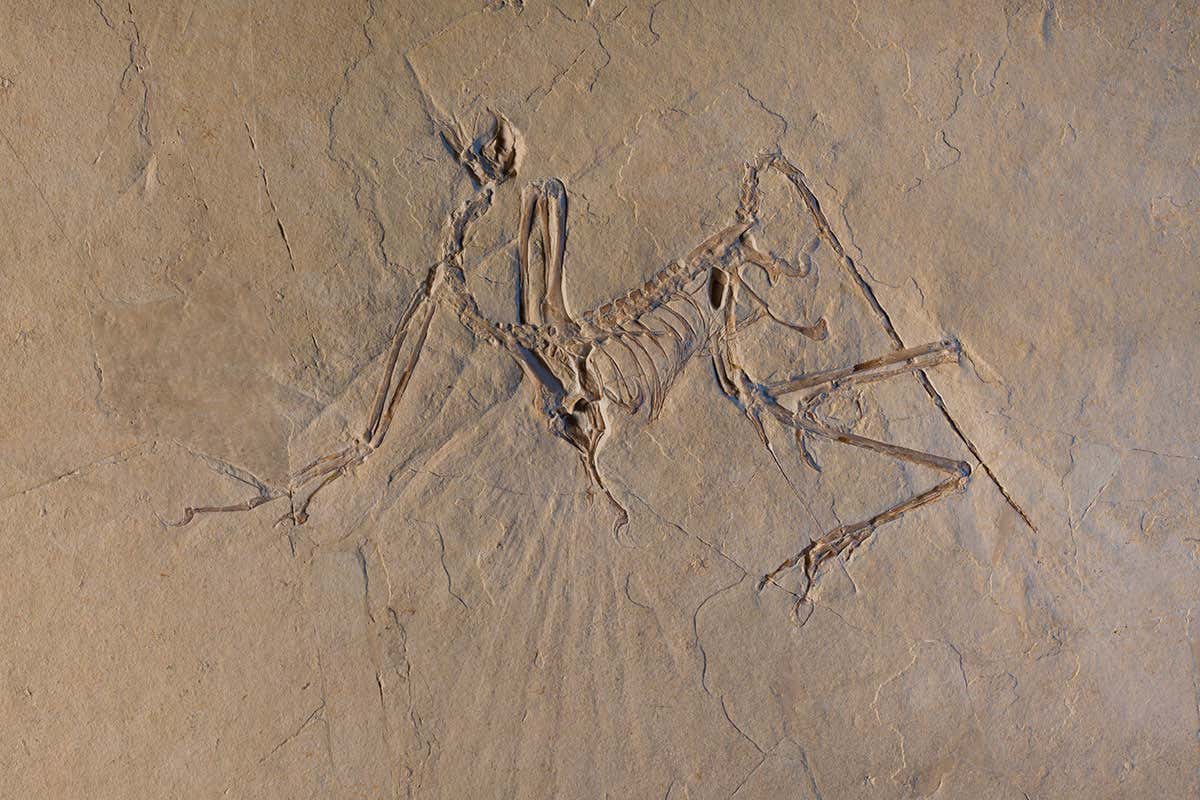
24 October 2018
A fossil of the dinosaur Archaeopteryx is so unlike any other specimens that it belongs to a new species – and could confirm that the animals were early birds
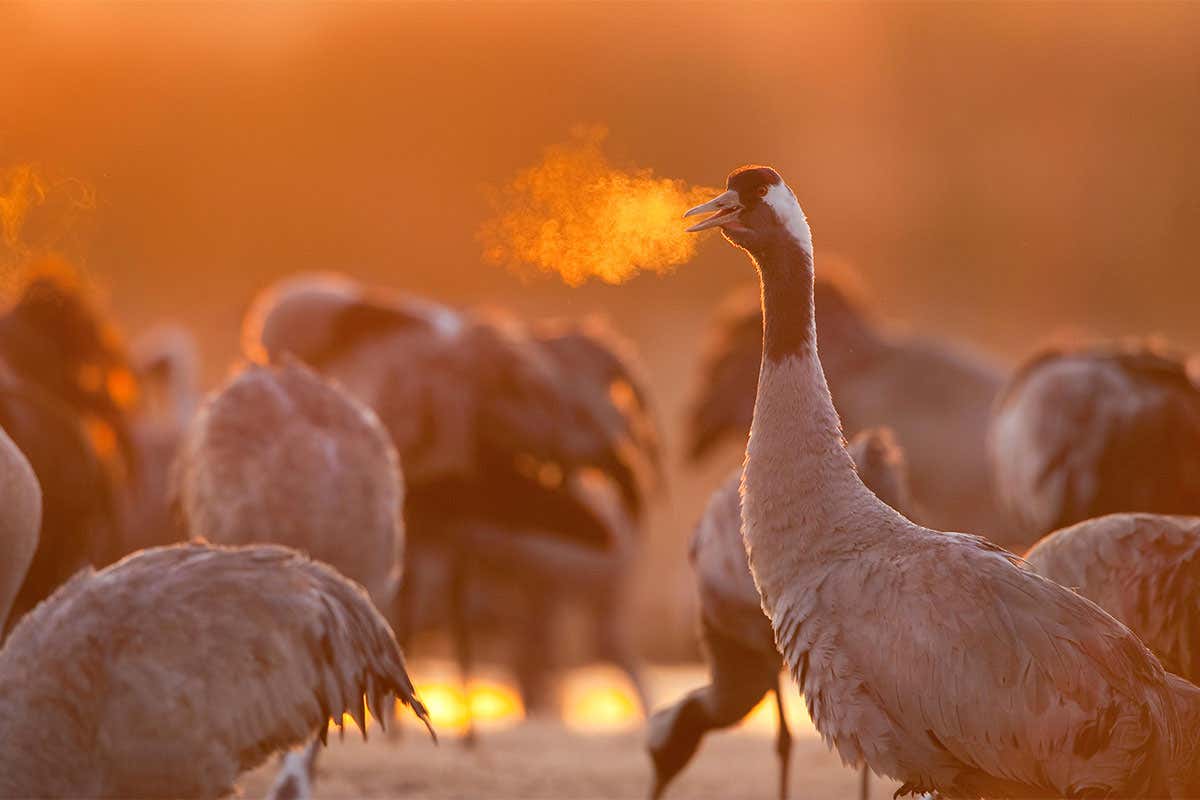
23 October 2018
When dinosaurs dominated Earth, they somehow coped with low oxygen levels. Now a new finding suggests they may have thrived thanks to bird-like lungs
